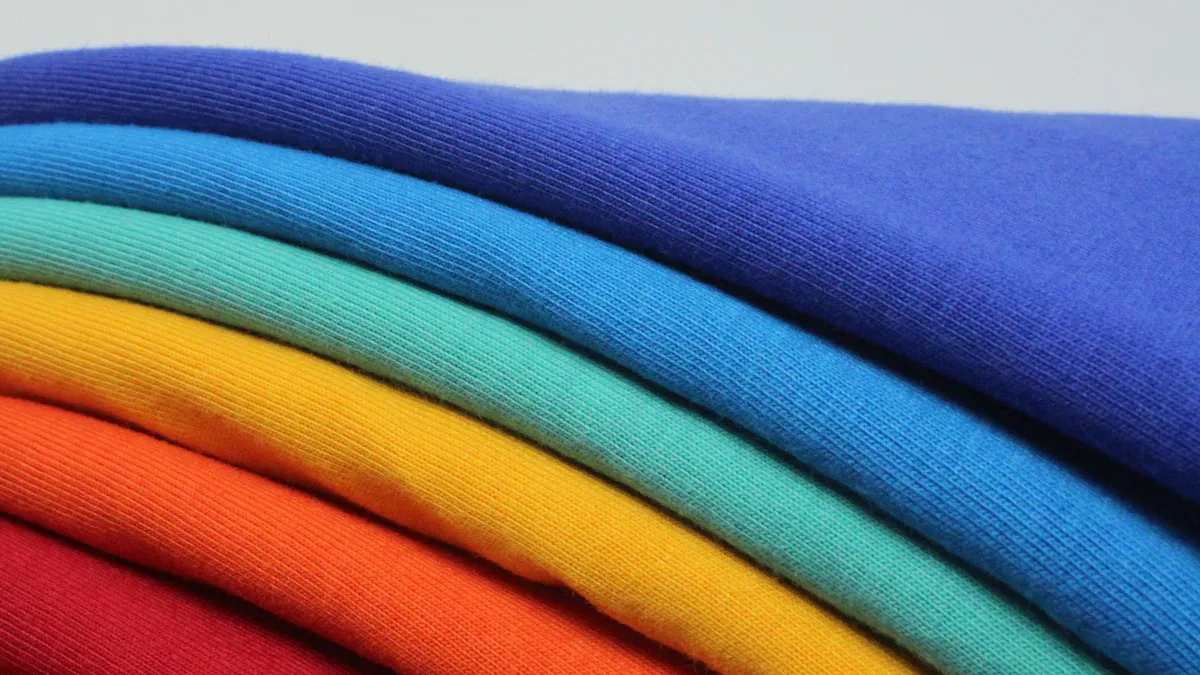
The bamboo fiber fabric market is booming, projected to grow from $5.68 billion in 2024 to over $19 billion in 2035. Many consumers buy bamboo fiber fabrics believing it to be an environmentally friendly option. However, the excellent properties of bamboo itself are not reflected in the finished bamboo fiber fabrics. The truth lies in its toxic viscose fiber production process. This method, which uses a large amount of chemicals to convert bamboo pulp into bamboo fiber, poses significant risks to the environment and human health.
Key Takeaways
- Bamboo is environmentally friendly, but producing bamboo fiber fabrics requires the use of many harmful chemicals.
- The production process of bamboo fiber rayon pollutes the air and water, and consumes significant amounts of energy and water.
- Workers in factories producing bamboo fiber rayon may develop serious illnesses due to the chemicals used in the production process.
- Many companies label rayon fabrics as “bamboo fiber” to give consumers the impression that they are environmentally friendly. The government considers this a misconception.
- Furnitures more suitable for clothing production are Tencel™ Lycra or genuine bamboo linen, which are produced in cleaner ways.
The Bamboo Plant vs. Bamboo Rayon Fabric

To promote bamboo fiber fabrics, marketers often emphasize the numerous advantages of bamboo itself. This creates a disconnect between the raw material and the final product. Understanding this difference is key to assessing the true sustainability of bamboo fiber fabrics.
The Sustainable Virtues of the Bamboo Plant
The bamboo plant itself is an environmental champion. It is a highly renewable resource with many impressive Bamboo itself is an environmental role model. It is a highly renewable resource with many impressive characteristics. Some bamboo varieties can grow over three feet (approximately 90 centimeters) a day. This allows bamboo to be fully harvested in just three to five years, far exceeding the growth rate of trees. Furthermore, bamboo offers significant ecological benefits.
- Carbon Sequestration: Bamboo forests absorb large amounts of carbon dioxide. Compared to an equivalent area of forest, a bamboo forest produces approximately 35% more oxygen.
- Natural Resistance to Pests and Diseases: Bamboo possesses natural resistance to pests and diseases. This characteristic eliminates the need for chemical pesticides or fertilizers during cultivation.
- Soil Conservation: Its dense root system stabilizes the soil, effectively preventing soil erosion.
- Water Conservation: Bamboo requires very little water and typically grows without irrigation.
These characteristics make bamboo a model of efficient and sustainable development in nature.
The Chemical Reality: How Bamboo Becomes Rayon
Bamboo’s inherent environmental benefits cannot be directly translated into bamboo fiber fabric. This transformation requires a complex chemical process called viscose. This process dissolves and regenerates bamboo pulp into fibers.
First, manufacturers soak bamboo strips in a strong chemical solution, breaking them down into pulp. This process uses a mixture of various toxic chemicals to ultimately produce textiles.
Key Chemicals in the Viscose Process:
- Sodium hydroxide (caustic soda)
- Carbon disulfide
- Sulfuric acidSulfuric Acid
The pulp is first treated with sodium hydroxide, then mixed with carbon disulfide to form a thick, honey-like liquid. Finally, this liquid is forced through a spinneret into a sulfuric acid bath, where it solidifies into fine bamboo fibers. This chemical treatment process is precisely what distinguishes natural plant-based fabrics from semi-synthetic fiber fabrics.
The Environmental Cost of Bamboo Rayon

The transformation of bamboo into rayon fabric carries a heavy price for the environment. The viscose process, essential for creating the soft textile, releases a stream of hazardous materials. This pollution contaminates the air and water, while the production itself consumes vast amounts of energy and water, undermining the bamboo plant’s sustainable origins.
Air and Water Pollution from Toxic Chemicals
Factories produce bamboo rayon fabric using a method that harms the surrounding environment. The process releases dangerous chemicals into the air and water. These pollutants pose a direct threat to ecosystems and The factory uses an environmentally damaging method to produce bamboo fiber fabric. This process releases hazardous chemicals into the air and water. These pollutants pose a direct threat to ecosystems and local communities. Key pollutants include:
- Carbon disulfide (CS₂)
- Sulfuric acid (H₂SO₄)
- Sodium hydroxide (NaOH)
The factory frequently emits carbon disulfide, an air pollutant. This toxic gas creates a hazardous atmospheric environment around the factory. Other chemicals flow into water bodies. Companies may improperly dispose of this wastewater, discharging acids, alkalis, and other compounds into nearby rivers and lakes. This untreated wastewater degrades water quality and harms aquatic life. For example, viscose fiber production has caused severe pollution of Poyang Lake, China’s largest freshwater lake, leading to the death of fish and other organisms.
In traditional viscose processes, the target for chemical recovery is a sodium hydroxide recovery rate of ≥95% and a carbon disulfide recovery rate of ≥85%.
While manufacturers strive to recover most of these chemicals, the process is not without its flaws. Unrecovered portions can escape, causing significant and lasting damage. The pollution of Lake Horta in Italy by a rayon factory serves as a stark reminder of the potential for long-term ecosystem damage.
High Energy and Water Consumption in Production
Bamboo requires very little water to grow. However, processing bamboo into rayon requires a large amount of water and energy. This high consumption in the production process negates many of bamboo’s natural environmental benefits.
Water consumption increases dramatically during processing. Although bamboo itself is drought-tolerant, factory processing is extremely water-intensive.
| Metric | Bamboo Viscose (L/kg fiber) |
|---|---|
| Water Consumption | 5,500 |
This figure shows the immense volume of water needed to produce just one kilogram of fiber. This consumption level puts a major strain on local water resources, especially when compared to the minimal water the bamboo plant needs to grow.
Energy use is another significant concern. The chemical reactions and machinery involved in the viscose process are highly energy-intensive. Transforming sturdy bamboo pulp into delicate fibers requires a substantial power input.
| Fiber Type | Energy Use (MJ / kg) |
|---|---|
| Bamboo Viscose | 90 |
This high energy demand contributes to a larger carbon footprint, relying heavily on electricity grids that may be powered by fossil fuels. The sustainable reputation of bamboo is therefore severely compromised by the resource-heavy reality of its production into rayon.
The Human Cost: Health Risks for Workers and Consumers
The environmental damage caused by bamboo fiber production is only part of the problem. The production process of viscose fiber also poses serious health risks to factory workers. Consumers may also worry about the safety of the fabrics they ultimately wear.
Dangers of Carbon Disulfide for Factory Workers
Workers in viscose rayon factories face extreme danger from carbon disulfide (CS₂). This highly toxic chemical is a Workers in viscose fiber factories face immense dangers from carbon disulfide (CS₂), a highly toxic chemical and a crucial component in the production of fiber from bamboo pulp. Prolonged exposure to carbon disulfide has led to numerous illnesses and deaths worldwide, causing devastating global consequences. Its health hazards are profound and widespread.
- Cardiovascular damage: Studies show that workers exposed to hazardous substances have a significantly higher mortality rate from coronary heart disease.
- Nervous system effects: Exposure to this substance can lead to psychosis, aggression, and depression. It can also cause nerve damage in the legs, making walking difficult.
- Reproductive hazards: Carbon disulfide is toxic to the reproductive system, leading to decreased sexual function and reduced sperm count.
Statistics from just one country are enough to highlight the severity of the problem. Data from South Korea reveals the widespread impact of CS₂ poisoning on the workforce.
| Category | Number/Percentage |
|---|---|
| Persons with CS₂ Poisoning (Korea, by Nov 2016) | 910 |
| Deaths from CS₂ Poisoning | 208 |
| Survivors of CS₂ Poisoning | 702 |
| Prevalence of Nervous System Disorders (ex-workers) | 72.4% |
| Prevalence of Psychoneurotic Disorder (ex-workers) | 65.7% |

These numbers show a clear link between viscose production and life-altering health conditions.
Are Chemical Residues a Risk in the Final Fabric?
Consumers often inquire whether chemicals used in the production of bamboo fiber rayon remain in the final product. The viscose process regenerates cellulose, and extensive washing removes almost all traces of carbon disulfide and other processing aids. The final bamboo fiber fabric is considered safe for direct skin contact.
However, other chemicals used in textile finishing processes may pose potential risks. These chemicals include:
- Azo Dyes: Some can release aromatic amines, which are potential carcinogens.
- Formaldehyde: Used for anti-wrinkle properties, it is a known skin irritant and carcinogen.
- Phthalates: Used in prints, these are known endocrine disruptors.
While the risk is low for the average adult, these residues may cause allergic skin reactions. Infants, with their thinner skin, are more susceptible. Therefore, choosing bamboo fiber textiles from certified manufacturers whose products are free of harmful substances is a wise precaution.
Greenwashing and Regulation: Decoding the Labels
Many companies use misleading marketing to sell bamboo rayon fabric. They capitalize on the positive image of the bamboo plant. This practice, known as greenwashing, confuses consumers who want to make sustainable choices. Government bodies like the Federal Trade Commission (FTC) have stepped in to regulate these claims and protect shoppers.
Misleading Marketing of “Eco-Friendly” Bamboo
Marketers often use deceptive language to promote bamboo fabric. They create a false impression of Marketers frequently use misleading language to promote bamboo fiber fabrics. They create a false impression of environmental friendliness, masking the truth that rayon production involves the extensive use of chemicals. These tactics obscure the manufacturing process of this textile. Common misleading claims include:
- Simply labeling rayon products as “bamboo fiber” without mentioning the rayon manufacturing process.
- Statement that the fabric uses “non-toxic materials” or is “free of any harmful chemicals.”
- Using vague environmental benefit claims such as “earth-friendly,” “environmentally friendly,” or “sustainable.”
These phrases link the final product to the inherent benefits of bamboo itself, rather than to the industrial processes involved in manufacturing the textile.
The FTC’s Stance on Labeling Bamboo Fabric
The U.S. Federal Trade Commission (FTC) has taken a firm stance against the deceptive labeling of bamboo The U.S. Federal Trade Commission (FTC) has taken a tough stance on false labeling of bamboo fiber textiles. The agency requires that fabrics produced using viscose technology be labeled as “rayon” or “bamboo rayon.” Simply calling a product “bamboo” violates the Textiles Act.
The FTC has fined several large retailers for this practice. In one notable case, four national retailers were fined hefty sums for false advertising.
- Bed Bath & Beyond paid a $500,000 fine.
- Nordstrom was fined $360,000.
- JCPenney paid $290,000.
- Backcountry.com LLC was fined $150,000.
These companies collectively spent over $1.26 million advertising and selling rayon products as bamboo. The FTC even issued a guide titled “How to Avoid Deceiving Consumers” to help businesses comply with the law. These moves demonstrate the regulator’s determination to crack down on misleading environmental advertising.
Finding Genuinely Sustainable Fabric Alternatives
For consumers truly seeking sustainable textiles, bamboo rayon isn’t the only option. While bamboo itself is a renewable resource, the process of processing it into fabric often negates its eco-friendly nature. Fortunately, both innovative and traditional techniques offer better choices for environmentally conscious consumers looking to add new clothing to their wardrobes.
The Superior Choice: Closed-Loop Lyocell (TENCEL™)
Lyocell fiber, especially the TENCEL™ range produced by Lenzing, is an exceptional sustainable option. This fabric is derived from wood pulp from sustainably managed trees. Its production process showcases remarkable environmental innovation. The system operates on a “closed-loop” model, meaning it continuously recycles resources. This method recovers and reuses over 99% of non-toxic solvents and water, significantly reducing waste. This commitment to sustainability significantly reduces the environmental impact.
| Feature | TENCEL™ Lyocell | Bamboo Rayon |
|---|---|---|
| Production Process | Closed-loop system recovers nearly all solvent. | Open-loop process can release toxic chemicals. |
| Water Consumption | Recycles over 99% of water used. | Requires significant water for processing. |
| Environmental Impact | Minimizes waste and chemical pollution. | High potential for air and water pollution. |
The final Lyocell fabric is soft, durable, and completely biodegradable.
The True Natural Option: Mechanical Bamboo Linen
There is indeed a type of all-natural bamboo fiber fabric, often referred to as bamboo linen. This textile uses mechanical processing techniques, rather than harsh chemicals. This method aligns better with bamboo’s eco-friendly image.
- First, workers crush the woody bamboo stems.
- Next, they use natural enzymes to break the stems down into a paste.
- Finally, they comb out the natural fibers and spin them into yarn.
This process produces strong, durable, and biodegradable textiles. However, this method is very labor-intensive and costly. Therefore, genuine bamboo linen is rarer and coarser in texture than silky bamboo rayon. For consumers seeking authentic bamboo fiber clothing, verifying the manufacturing process is crucial. This ensures that the final bamboo fiber textile truly reflects the characteristics of bamboo.
The bamboo plant is a remarkable renewable resource. The common viscose process, however, makes most bamboo rayon fabric a poor choice for sustainability. Conscious shoppers can find a better sustainable option. Choices like Lyocell and mechanically processed bamboo linen exist for those seeking truly sustainable textiles. Consumers can empower themselves by checking labels and questioning marketing hype. Supporting transparent manufacturers like Suerte, which offers a range of bamboo fabric solutions and prioritizes eco-friendly processes, helps drive positive change in the industry.
FAQ
Is bamboo rayon fabric biodegradable?
Yes, bamboo rayon fabric is biodegradable. The regenerated cellulose fiber will break down over time. However, the toxic chemicals used during its production cause significant environmental pollution. This harm often outweighs the benefit of the final material being biodegradable.
Why is bamboo clothing so popular if it’s not eco-friendly?
Bamboo clothing is popular for its silky softness and comfort. Marketers often promote it as ‘eco-friendly’ by focusing on the sustainable bamboo plant. This creates a positive image that overlooks the harmful chemical process used to make the rayon fabric.
Are all bamboo textiles bad for the environment?
No, not all bamboo textiles are harmful. Mechanically processed bamboo linen is a true natural option. It avoids the toxic chemicals of the viscose process. This method creates a strong, biodegradable fabric, though it is less common and more expensive.
How can I identify truly sustainable bamboo clothing?
Consumers can find sustainable bamboo clothing by checking the label. Look for terms like “mechanically processed bamboo” or “bamboo linen.” Avoid products simply labeled “bamboo” or “rayon from bamboo” if you want the most eco-friendly choice.