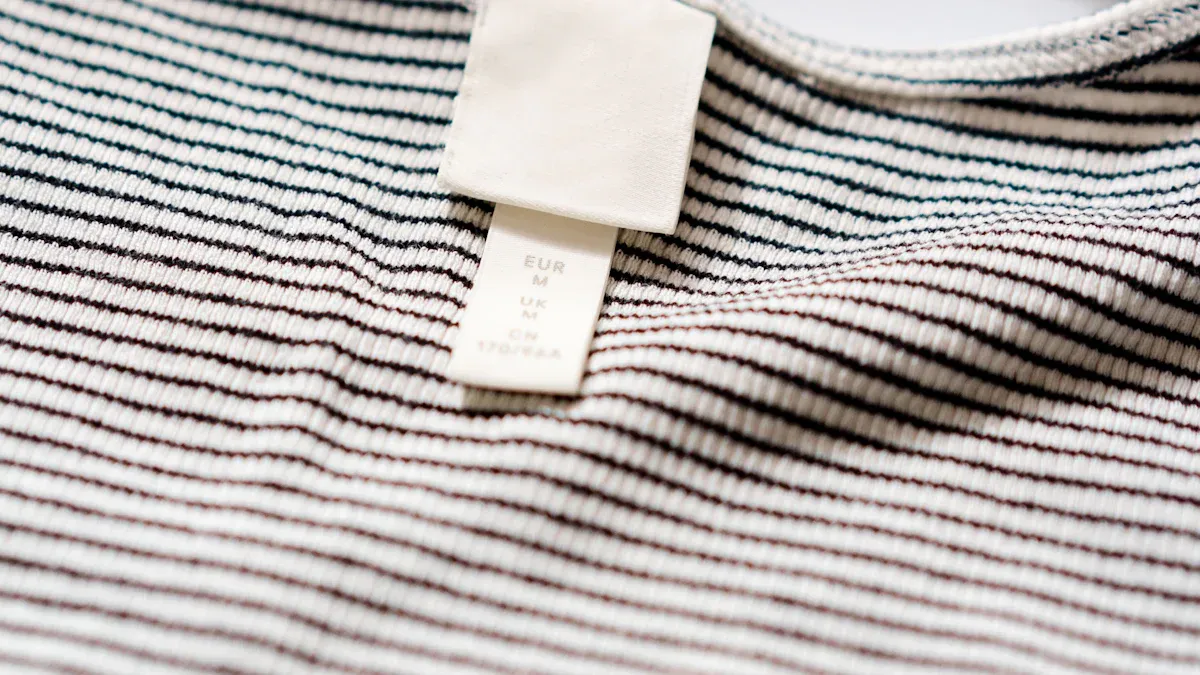
Bamboo fiber fabric originates from the magical bamboo plant. The natural properties of bamboo endow bamboo textiles with sustainable advantages. This unique bamboo fiber fabric has a luxurious, soft touch, is breathable, and is less likely to cause allergies. Therefore, printed bamboo fiber fabrics are superior to many traditional fabrics.
Bamboo’s environmental advantages make it a top choice for sustainable textiles. They represent a crucial step towards sustainability in the fashion industry, making bamboo a true must-have.
Key Takeaways
- Bamboo fiber fabrics are beneficial to the planet. They grow quickly and require very little water and chemicals. They also purify the air and improve soil.
- Bamboo fiber fabrics are comfortable to wear, soft to the touch, and keep you cool and dry.
- Bamboo fiber fabrics are durable, come in a variety of colors, are resistant to deformation, and are easy to dye, making them ideal for creating a wide range of garment styles.
- Choose bamboo fiber fabrics carefully. Look for certification labels such as FSC and OEKO-TEX. These labels indicate that the fabric’s production process meets environmental standards.
The Environmental Edge of Bamboo Fabric

The journey of bamboo fabric begins with the bamboo plant, a true champion of sustainability. Its natural growth habits give it a significant environmental advantage over other textile sources. This makes bamboo an environmentally responsible raw material for the fashion industry. The plant’s life cycle offers a model for eco-friendly practices.
A Rapidly Renewable Resource
Bamboo grows at an astonishing rate. Some varieties can grow several feet in a single day. This rapid growth makes bamboo a highly renewable resource. Unlike trees that take decades to mature, bamboo can be harvested quickly. Moso bamboo, commonly used in textiles, also has a short harvest cycle.
- A new forest takes about 5 years to form.
- A mature forest takes about 10 years.
- The stems can be harvested for pulping in just 4 years.
Bamboo regenerates quickly, meaning it can be harvested without disrupting the ecosystem. Compared to other plants, bamboo produces a significantly larger amount of biomass. This efficiency is key to its sustainability.
Comparative results show that bamboo produces far more biomass than other plants:
| Plant Type | Biomass Yield (short tons per acre) |
|---|---|
| Bamboo | 27 |
| Most Trees | 9 |
| Cotton | 1 |
This high yield from a small area reduces land pressure, making bamboo a superior choice for sustainable textiles.
A Low-Impact Agricultural Crop
Bamboo requires very few resources to grow. Bamboo itself is resilient and adaptable, reducing the need for human intervention during cultivation. The environmental impact of bamboo cultivation is also minimal.
Bamboo requires far less water than cotton. It typically thrives on natural rainfall alone, without the need for large-scale irrigation systems. This is highly beneficial to the environment, as water conservation is crucial for the planet.
Furthermore, scientific reports show that bamboo cultivation typically requires very little fertilizer or pesticides. Bamboo possesses natural antibacterial properties, resisting pests and diseases. This avoids introducing harmful chemicals into the soil and water, a common problem in traditional crop cultivation. Choosing bamboo fiber fabric supports a way of farming that coexists harmoniously with nature.
A Natural Soil and Air Enhancer
Bamboo not only grows rapidly and consumes few resources, but it also actively contributes to the environment. This plant is a powerful air purifier, absorbing carbon dioxide and releasing oxygen more effectively than many trees.
Different studies have shown how much carbon dioxide bamboo forests can absorb annually:

One hectare of bamboo forest can absorb approximately 12 tons of carbon dioxide annually. This makes bamboo an important tool in addressing climate change.
This plant also improves soil health. Bamboo has a complex root system that forms a dense underground network. This network firmly anchors the soil, preventing wind and water erosion. When the leaves and older bamboo culms fall off, they decompose. This process returns vital nutrients to the soil, making it more fertile. Bamboo fiber fabrics made from this process are not only soft and comfortable but also biodegradable, creating a truly sustainable cycle.
Why Bamboo Print Fabric is a Joy to Wear

Beyond its environmental benefits, bamboo fabric offers an exceptional wearing experience. The unique properties of bamboo fibers translate into clothing that feels amazing against the skin. This makes bamboo a top choice in the world of sustainable fashion. People choose bamboo fabric clothing for its superior comfort and performance.
Unmatched Softness and Comfort
Bamboo fiber fabric is renowned for its exceptional softness. Naturally smooth and rounded, bamboo fibers, unlike other fibers such as wool, lack sharp fibers and won’t irritate the skin. This structure gives bamboo fiber fabric a silky, luxurious feel, often compared to high-end fabrics like cashmere. The resulting bamboo fiber fabric has excellent drape and a soft, comfortable touch.
Consumers have long appreciated this characteristic of bamboo. Bamboo is considered a “next-generation sustainable luxury” material, attracting consumers who seek soft and environmentally friendly products. This view is further supported by direct comparisons.
- A European menswear brand has launched both bamboo fiber shirts and cotton shirts.
- Customer feedback shows that the bamboo fiber shirt scores higher in terms of softness.
The exceptional comfort of bamboo fiber clothing makes it a pleasure to wear every day.
Natural Hypoallergenic and Antibacterial Qualities
Bamboo offers natural benefits for people with sensitive skin. The smooth fibers of bamboo fiber fabric are not abrasive, reducing the risk of skin irritation. This makes it an excellent hypoallergenic choice. Many people who experience allergic reactions to other natural fibers find comfort in bamboo clothes.
Additionally, the bamboo plant contains a natural antibacterial agent. This property is often called ‘Bamboo Kun’. A 2012 study in the Journal of The Textile Institute found these agents within the plant’s lignin. Lignin is an organic polymer that protects the bamboo plant. This natural defense helps keep the resulting bamboo fabric fresher for longer, reducing odor-causing bacteria. This quality makes bamboo a smart material for activewear and everyday fashion.
Superior Breathability and Moisture-Wicking
Bamboo fabric is highly breathable and excellent at managing moisture. This makes it ideal for various climates and activities. The bamboo fiber fabric has a natural microstructure full of micro-gaps. These gaps allow air to flow freely, which helps regulate body temperature. This breathability keeps the wearer cool and comfortable, even in warm weather.
Bamboo also excels at wicking moisture away from the skin. It is a hydrophilic, or water-loving, fiber. It pulls sweat from the body to the fabric’s surface, where it can evaporate quickly. This process creates a cooling effect and prevents the fabric from feeling damp.
| Fabric Type | Moisture Handling Property |
|---|---|
| Bamboo Polyester | Excellent at wicking moisture away, keeps wearer dry, good for hot weather and workouts. |
| Cotton | Highly absorbent, effective at soaking up sweat, but can retain moisture and feel damp. |
The thermal regulation of bamboo is impressive. Its ability to manage heat and moisture creates a stable microclimate next to the skin. Key features contributing to this performance include:
- Breathable Fabric: The structure of bamboo-printed fabric allows heat and moisture to escape easily.
- Low Heat Retention: Bamboo is less prone to heat buildup than many synthetic materials; it releases heat rather than stores it.
- Low-Friction Surface: The smooth surface of bamboo reduces friction and prevents hotspots from forming.
These qualities make bamboo a superior choice for comfortable, high-performance fashion.
Achieving Style and Durability in Sustainable Fashion
Sustainable fashion demands fabrics that are environmentally friendly, stylish, and durable. Bamboo fiber fabrics perfectly meet these needs. Their strength, rich color rendition, and versatility make them a cornerstone of modern sustainable fashion.
Impressive Strength and Shape Retention
Durability is essential for sustainable clothing. Bamboo clothes offer impressive longevity with the right care. The soft, smooth fibers of bamboo can be prone to pilling. However, advanced manufacturing methods greatly iDurability is crucial for sustainable clothing. Bamboo fiber garments, when properly cared for, can boast impressive durability. Bamboo fiber is soft and smooth, but prone to pilling. However, advanced manufacturing processes have significantly increased its strength. Blending bamboo fiber with stronger fibers or using longer strands of bamboo can create more resilient bamboo fabrics.
Pro tip: Proper care is key to maintaining the shape of bamboo fiber garments. Washing in cold water and air drying, or using a low-temperature tumble dryer, prevents shrinkage and keeps the fabric structure looking new for years to come.
This careful handling ensures your favorite bamboo garments remain a wardrobe staple, supporting a more sustainable fashion cycle.
Excellent Dyeability for Vibrant Prints
Bamboo fiber fabric is an excellent carrier of color. As a plant-based rayon, bamboo fiber blends perfectly with certain dyes. This property allows designers to create stunningly colorful fashion pieces. Reactive dyes are particularly suitable for bamboo fiber, producing vibrant, long-lasting, and fade-resistant colors.
Different dyes are suitable for bamboo:
- Reactive dyes: Ideal for producing vibrant, wash-resistant colors on bamboo without hot water.
- Hot water reactive dyes: These dyes also produce deep, long-lasting colors, perfect for achieving the deepest shades on bamboo fabrics.
- Natural dyes: These dyes produce rich, earthy tones, but may require additional steps to properly fix the color.
The excellent dyeing properties of bamboo printed fabrics make them a top choice for designers looking to combine sustainable materials with bold, expressive fashion.
Versatility for Any Wardrobe Style
The unique qualities of bamboo make it incredibly versatile. Its softness and beautiful drape are perfect for creating elegant dresses and comfortable loungewear. At the same time, its breathability and moisture-wicking properties make it ideal for high-performance activewear. This adaptability allows bamboo to fit into any wardrobe style. From everyday basics to high-fashion items, bamboo provides a sustainable option without compromising on performance or aesthetics. This versatility solidifies bamboo’s place as a must-have material in the world of sustainable fashion.
How to Choose Genuinely Sustainable Bamboo
Not all bamboo fiber fabrics are the same quality. The production methods have a significant environmental impact. Understanding these differences helps consumers make truly sustainable choices. From bamboo to garment, the entire process involves several key stages that determine its overall sustainability.
Mechanical vs. Chemical Processing Explained
There are two primary ways to turn bamboo into textiles. The mechanical method is an environmentally friendly There are two main methods for processing bamboo into textiles. Mechanical processing is an environmentally friendly process.
- Workers crush the woody parts of the bamboo.
- They use natural enzymes to break the bamboo down into pulp.
- The fibers are then mechanically combed and spun into yarn.
The chemical method, also known as the viscose process, is more common but has significant drawbacks. This method uses strong chemicals to dissolve the bamboo pulp.
The production process of viscose fiber is highly polluting, releasing toxic chemicals into the air and water. One key chemical—carbon disulfide—is closely linked to serious health problems for workers and residents near the factory.
A better alternative is the closed-loop lyocell fiber production process. This method uses non-toxic organic solvents to dissolve the bamboo. This system can recycle over 99% of the solvent and water, truly embodying the concept of environmental protection.
Key Certifications to Look For
Certifications help consumers identify genuinely sustainable products. Two important labels for bamboo are the Certification helps consumers identify truly sustainable products. Two important certification labels in the bamboo products sector are the Forest Stewardship Council (FSC) and OEKO-TEX.
- FSC certification ensures that the bamboo comes from responsibly managed forests. It prohibits the use of harmful chemicals and protects the rights of workers and Indigenous communities.
- OEKO-TEX Standard 100 certification indicates that the final textile is harmless to human health. Every component of the garment is tested for over 1,000 harmful substances.
These labels give you confidence in the sustainability and safety of bamboo clothing.
Partnering with Expert Suppliers like Suerte
Choosing the right supplier is crucial for creating high-quality sustainable textiles. An expert partner like Suerte understands the importance of responsible production. Suerte provides a one-stop service, from pattern design to fabric selection and production. With advanced machinery and expertise in various processing techniques like digital printing, they ensure consistent quality. Their ability to provide physical samples and quick responses helps brands seize market opportunities while upholding their commitment to sustainability. This partnership ensures the final bamboo product is both stylish and genuinely sustainable.
Bamboo print fabric is a definitive must-have in modern fashion. It perfectly blends environmental health with personal comfort and style. The market for sustainable textiles like bamboo is expanding rapidly, reflecting a shift in fashion toward greater sustainability.
- Consumer demand for sustainable materials is growing.
- The global bamboo fiber fabric market is projected to reach $2.5 billion by 2033.
- Brands such as Boody Baby and Kyte Baby demonstrate the success of bamboo fiber in the fashion industry.
By choosing responsibly processed bamboo, consumers invest in superior sustainable textiles. This choice supports both personal well-being and environmental sustainability. Making informed choices about bamboo fashion empowers everyone to build a truly sustainable wardrobe.
FAQ
Is bamboo fabric a sustainable choice?
The sustainability of bamboo fabric depends on its production. The closed-loop lyocell process is a highly sustainable method. It recycles water and non-toxic solvents. This makes bamboo a responsible choice when processed correctly.
How should people care for bamboo clothing?
Proper care extends the life of bamboo garments.
- Wash clothes in cold water.
- Use a gentle cycle.
- Tumble dry on a low setting or hang to air dry.
Following these steps helps preserve the fabric’s softness and shape. High heat can damage the delicate bamboo fibers.
Does bamboo fabric shrink when washed?
Bamboo fabric can shrink if exposed to high temperatures. Washing in hot water or drying on a high heat setting may cause the garment to become smaller. Cold water washing is the safest method to prevent shrinkage.
What makes bamboo fabric feel so soft?
The natural structure of the bamboo fiber creates its softness. The fibers are smooth and round without any sharp spurs. This gives the finished bamboo fabric a silky texture that feels very gentle against the skin.