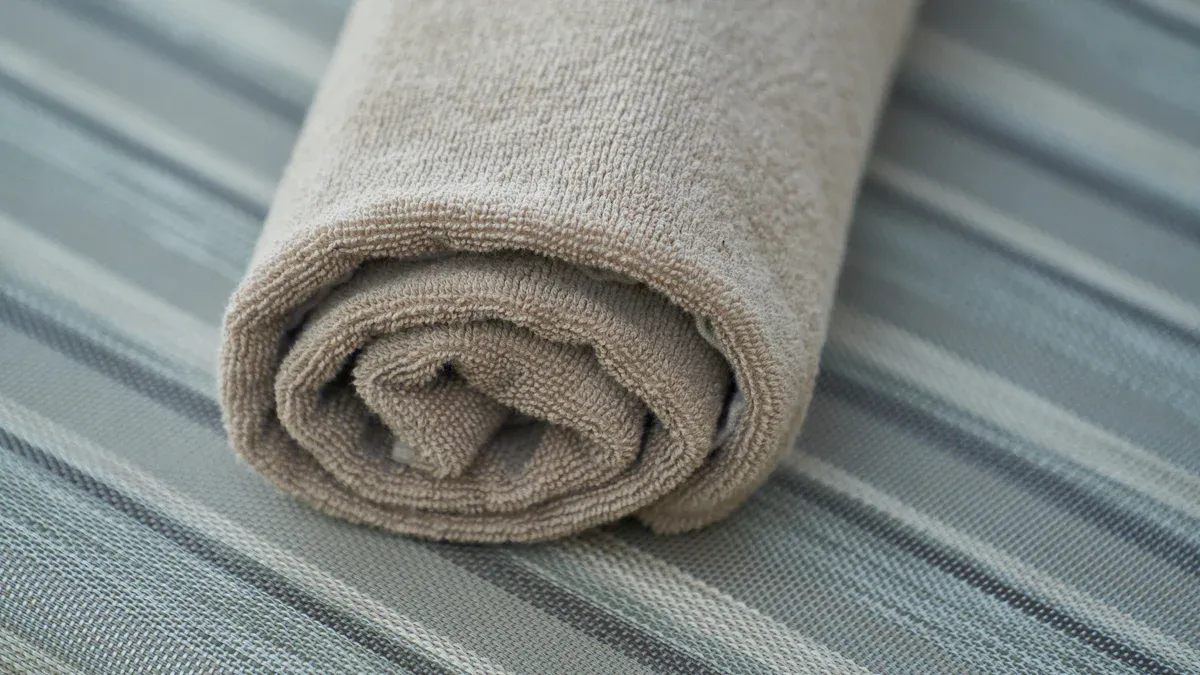
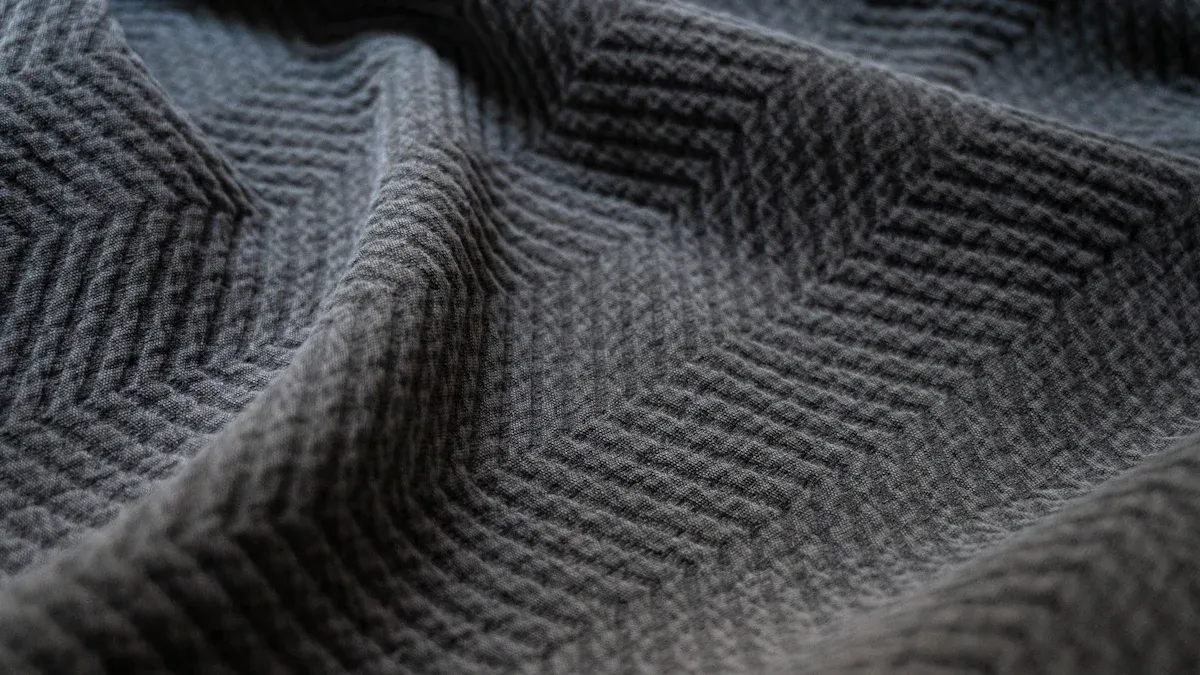
Bamboo fiber fabric offers unparalleled comfort. Its silky texture and breathability make it ideal for sensitive skin. This fabric also helps protect the environment. Bamboo is a fast-growing, renewable resource that requires very little water. The rise of sustainable fashion has driven this trend, resulting in significant growth in the global bamboo fiber textile market.

Choosing the right type of bamboo knit fabric ensures you make a truly sustainable and positive impact on eco-friendly fashion.
Key Takeaways
- Bamboo fiber fabric is comfortable to wear. It’s soft and skin-friendly, regulates temperature, and wicks away moisture, making it ideal for sensitive skin.
- Bamboo is a sustainable option. It grows quickly, requires little water, and helps purify the air.
- Choose bamboo fiber fabric produced using the lyocell process. This method is safer for both humans and the planet because it recycles chemicals and water.
- Look for certification marks such as OEKO-TEX and FSC. These labels indicate that bamboo fiber fabric is safe, reliable, and comes from responsible sources.
- Bamboo fiber is better than cotton and synthetic fiber fabrics. It’s more comfortable and less harmful to the environment.
The Ultimate Comfort of Bamboo Knit Fabric

You’ll discover the unparalleled comfort of bamboo fiber knit fabric. It elevates your everyday style, providing a superior wearing experience. This is one of the main advantages of bamboo fiber fabric. Let’s explore why this fabric feels so comfortable.
A Luxuriously Soft Feel
The most striking feature of bamboo fiber clothing is its exceptional softness. Bamboo fibers are naturally smooth and rounded, without any sharp fibers that could irritate the skin. This structure gives the fabric a silky, luxurious feel, gliding gently over the skin. Wearing bamboo fiber clothing, you’ll experience a gentle, non-irritating touch, perfect for everyday wear, especially suitable for sensitive skin.
Natural Temperature Regulation
Bamboo fiber fabric keeps you comfortable in any weather. It’s highly breathable, allowing air to circulate freely and keeping you cool. In fact, bamboo fiber fabric is 20-25% more breathable than traditional cotton knit fabrics. This natural breathability helps regulate body temperature, preventing you from overheating on warm days. The unique microporous structure of bamboo fiber provides excellent insulation, keeping you warm in cold weather.
Moisture-Wicking and Hypoallergenic
Bamboo fiber fabrics possess excellent moisture-wicking properties. The inherent properties of bamboo allow it to absorb sweat from the skin and transfer it to the fabric surface for evaporation.
Note: Bamboo fiber’s excellent moisture absorption effectively wicks away sweat, keeping you dry and comfortable.
| Fabric Type | Moisture Regain (%) | Wicking Property |
|---|---|---|
| Bamboo Spun Fabric | 30.2 | Good |
| PET Filament Fabric | Low | Inferior |
Besides its moisture-wicking properties, bamboo fiber is also highly beneficial for skin health. As mentioned earlier, bamboo fiber is smooth and delicate, making it naturally hypoallergenic. Furthermore, bamboo contains components such as bamboo kun and lignin. These components give bamboo fiber natural antibacterial properties, helping to reduce odor-causing bacteria and keeping clothes fresh for longer.
Why Bamboo Is a Pillar of Sustainable Fashion

Choosing bamboo as the cornerstone of sustainable fashion gives you peace of mind. It’s not only comfortable to wear, but also offers significant environmental benefits. With the growing demand for sustainable fashion, bamboo has become a key material for building a healthier planet. Let’s explore why bamboo is the ideal choice for eco-friendly fashion.
The Fast-Growing Renewable Resource
The speed at which bamboo grows will amaze you. Some varieties, such as moso bamboo, can grow several feet a day. This astonishing growth rate makes bamboo a highly renewable resource. Unlike trees that take decades to mature, bamboo can be harvested in just 3-4 years.

This efficiency extends to its fiber production. You get significantly more material from bamboo. In fact, one acre of bamboo can yield up to 10 times more fiber than an acre of cotton. This high yield helps meet the growing demand for sustainable fashion without straining land resources. The natural biodegradability of bamboo also means it returns to the earth after its life cycle.
Low-Impact Farming Practices
You support healthier ecosystems when you choose bamboo. Bamboo farming requires no pesticides or chemical fertilizers to thrive. It contains natural antibacterial agents that protect it from pests. This is a stark contrast to traditional cotton farming, which has a significant environmental footprint.
Did You Know? Conventional cotton farming is responsible for a large share of global pesticide use. These chemicals can lead to:
- Contamination of water and food supplies
- Disruption of beneficial insect populations
- Serious health issues for farmworkers
Choosing bamboo fabric helps reduce the flow of harmful chemicals into the environment. This makes it a truly sustainable option. The biodegradability of the final product further enhances its eco-credentials.
A Carbon-Absorbing Powerhouse
You can help fight climate change by supporting the bamboo industry. Bamboo forests are incredibly effective at absorbing carbon dioxide from the atmosphere. A single hectare of bamboo can absorb 12 metric tons of CO2 each year. It also releases a significant amount of oxygen, with some species producing over 30% more oxygen than an equivalent area of trees. This makes bamboo a powerful tool in creating a cleaner environment. Its biodegradability ensures that the sustainable cycle continues, making bamboo a champion for sustainable fashion.
How to Choose Genuinely Sustainable Bamboo Fabric
You now know the comfort and environmental benefits of the bamboo plant. However, not all bamboo fabric is created equal. The production process determines whether your clothing is truly sustainable. You can make a positive choice for the planet by understanding how bamboo becomes fabric. This knowledge empowers you to support genuine sustainable fashion.
Viscose vs. Lyocell Processing
You will find that most bamboo fabric on the market is made using one of two methods: viscose or lyocell. The dYou’ll find that most bamboo fiber fabrics on the market are made using one of two methods: viscose or lyocell. The difference between these two methods is crucial to environmental and human health.
Viscose is the older and more common pulping method. It relies on a large number of chemical reagents to break down bamboo pulp. You should be aware of the toxic substances used:
- Sodium hydroxide: A caustic soda that helps dissolve bamboo pulp.
- Carbon disulfide: A highly toxic chemical used to process pulp. It has been linked to serious health problems for factory workers, including nerve damage, heart disease, and birth defects.
Warning: Historically, exposure to carbon disulfide in viscose factories has caused serious health problems for workers. These risks remain a concern in factories with low safety standards, making viscose production a significant environmental and social problem.
In contrast, the production process for lyocell offers a safer and more sustainable option. This modern process uses a non-toxic solvent called N-methylmorpholine-N-oxide (NMMO) to dissolve bamboo pulp. This solvent is harmless to humans, making the entire production process cleaner. Choosing bamboo lyocell fiber is equivalent to choosing a fabric that fully considers environmental and human safety during the production process.
The Eco-Friendly Closed-Loop Advantage
Choosing bamboo fiber lyocell fabric allows you to support truly sustainable production. The essence of lyocell fabric production lies in its “closed-loop” system. This means that the resources used are collected and recycled, rather than released into the environment.
In a closed-loop system, over 99% of the NMMO solvent and water are recovered, purified, and recycled back to the production line. This remarkable efficiency significantly reduces water consumption and prevents chemical pollution. You get a high-quality bamboo fiber fabric with minimal environmental impact.
While the production process of lyocell fiber may consume a significant amount of electricity, its overall environmental impact is far lower than that of viscose fiber. The table below provides a simple comparison.
| Process Feature | Viscose Process | Lyocell Process |
|---|---|---|
| Chemicals Used | Toxic & Hazardous | Non-Toxic |
| Solvent Recycling | No / Very Low | Over 99% |
| Water Pollution | High Risk | Minimal |
| Worker Safety | High Risk | Safe |
This closed-loop advantage makes bamboo lyocell a clear winner for anyone committed to sustainable fashion.
Decoding Sustainability Certifications
You can verify a product’s claims by looking for independent certifications. These labels help you identify genuinely sustainable bamboo products. Here are the most important ones to look for:
OEKO-TEX® STANDARD 100: This certification ensures that every component of the final bamboo fabric, from the thread to the buttons, has been tested for harmful substances. If a garment has this label, you can be confident it is safe for your skin.
Forest Stewardship Council (FSC): This label guarantees that the bamboo comes from a forest managed responsibly. An FSC certification means the bamboo farm adheres to strict principles that protect ecosystems and workers’ rights. You support responsible forestry when you see the FSC logo. Key FSC principles include:
- Protecting biological diversity and water resources.
- Respecting the rights of Indigenous Peoples.
- Ensuring the social and economic well-being of workers.
- Maintaining the ecological function of the forest.
By checking for these certifications, you can confidently purchase bamboo clothing that aligns with your values. You ensure your choice supports a healthier planet and a more ethical fashion industry.
Bamboo vs. Other Fabrics: A Quick Comparison
You will find bamboo offers significant advantages over other common textiles. Its unique properties make it a superior choice for both comfort and environmental responsibility. Understanding these differences helps you make a more informed decision for your wardrobe.
Superior to Traditional Cotton
The difference in feel between bamboo fiber fabric and traditional cotton fabric is immediately apparent. Bamboo fiber fabric is softer, silkier, and more comfortable against the skin. Furthermore, bamboo fiber fabric has superior moisture-wicking properties compared to cotton, quickly absorbing sweat and keeping the body dry. From a cultivation perspective, bamboo is undoubtedly the better choice. It grows rapidly, requires very little water, and does not require harmful pesticides, making bamboo fiber clothing a more sustainable option.
Performance Beyond Synthetics
You can also choose bamboo over synthetic fabrics like polyester for better performance and peace of mind. While synthetics often trap heat, bamboo is exceptionally breathable and helps regulate your body temperature. Synthetics also create a lasting environmental problem through microplastic pollution.
Washing synthetic fiber clothing releases thousands of tiny plastic fibers. These microplastics cause serious harm:
- They can survive in the environment for hundreds of years.
- They are ingested by marine life, causing physical damage.
- They absorb toxins and spread pollution through the food chain.
Bamboo’s biodegradability stands in stark contrast. You can see a comparison of bamboo with a common synthetic material below.
| Aspect | Bamboo Fabric | Polyester |
|---|---|---|
| Biodegradability | Fully biodegradable | Non-biodegradable, persists in environment |
| Breakdown Time | Breaks down naturally | Takes hundreds of years to break down |
Your choice of bamboo helps you avoid contributing to this persistent pollution.
Blends for Enhanced Durability
You may find bamboo fiber blended with other materials to enhance its specific properties. These blended fabrics can improve the durability, elasticity, and structure of garments. Premium bamboo fiber knitted blends retain the inherent softness and breathability of bamboo fiber. This method creates high-performance fabrics that are not only durable but also comfortable to wear. Specialized manufacturers can customize bamboo fiber blends to achieve the perfect balance of performance for any application.
You can have both luxury and responsibility. Your choices in sustainable fashion make a significant difference. The global sustainable fashion market is projected to grow from $7.8 billion to over $33 billion by 2030. You too can be part of this positive change.
For the ultimate blend of comfort and sustainability, choose bamboo knit fabric produced using the closed-loop lyocell method. This bamboo is the future. Always verify your bamboo purchase by looking for key certifications like OEKO-TEX and Forest Stewardship Council (FSC). Your choice of this amazing bamboo supports a better industry. This bamboo is soft. This bamboo is strong. This bamboo is sustainable. This bamboo is the right choice.
By choosing certified bamboo, you enjoy luxurious comfort while actively supporting a more sustainable eco-friendly fashion industry.
FAQ
How should you care for bamboo fabric products?
You can easily care for your bamboo fabric products. Wash your bamboo items in cold water on a gentle cycle. You should avoid high heat when drying. Tumble dry on a low setting or hang your bamboo clothing to dry. This simple care keeps your bamboo fabric products soft.
Do bamboo t-shirts wrinkle easily?
Your bamboo t-shirts resist wrinkles better than cotton. The smooth fibers of bamboo help garments drape nicely and stay smooth. You may see some minor wrinkling after washing. A quick, low-heat tumble dry or steaming will make your bamboo t-shirts look perfect. This bamboo is very resilient.
Why are some women’s bamboo clothing items more expensive?
You invest in quality with women’s bamboo clothing. The cost reflects the superior sustainable processing of the bamboo. Eco-friendly lyocell production for bamboo is more advanced. The durability and comfort of women’s bamboo clothing, bamboo t-shirts, and other bamboo fabric products offer excellent long-term value. This bamboo is worth it.
Will my bamboo clothing shrink?
Your bamboo clothing can shrink if exposed to high heat. Most bamboo fabric products, including women’s bamboo clothing and bamboo t-shirts, are pre-shrunk. You can prevent further shrinking by following care instructions. This bamboo is stable with proper care.
Tip: Always wash your bamboo, including women’s bamboo clothing and bamboo t-shirts, in cold water. This protects the bamboo fibers and preserves the fit of your favorite bamboo fabric products. Your bamboo will thank you.