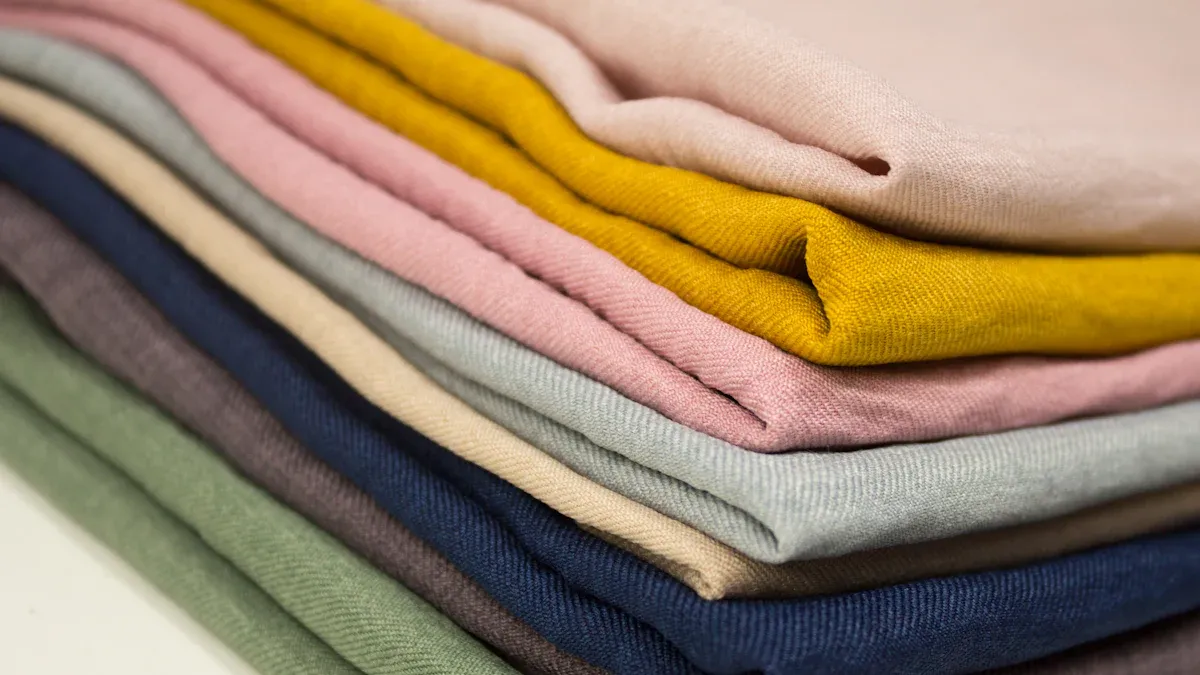
Swimwear fabric is a special type of fabric designed specifically for water activities. Companies typically use nylon, polyester, and spandex to make these fabrics. Spandex is also known as elastic fiber. Blends such as nylon-spandex and polyester-spandex are soft and stretchy, yet strong and durable, making them ideal for swimwear. Suerte is a trusted custom swimwear fabric company with extensive experience. They offer designers and brands a wide range of options to help them find the most suitable swimwear fit and purpose.
Key Takeaways
- Scuba fabrics typically use materials such as nylon, polyester, and spandex. Each material has its unique advantages in terms of comfort and performance. Nylon swimwear fabric is soft to the touch and stylish in appearance, but it is not suitable for frequent pool swimming because it is less resistant to chlorine. Polyester swimwear fabric is strong and durable, not easily damaged by chlorine, and retains its vibrant colors, making it ideal for frequent swimmers. Spandex helps improve the elasticity and fit of the swimwear. It makes the swimsuit comfortable to wear and provides support during water activities. Proper swimwear care is very important. Please hand wash and rinse. This helps extend the life of your swimsuit and maintain its appearance.
Types of Swim Fabric
Nylon swimsuit fabric
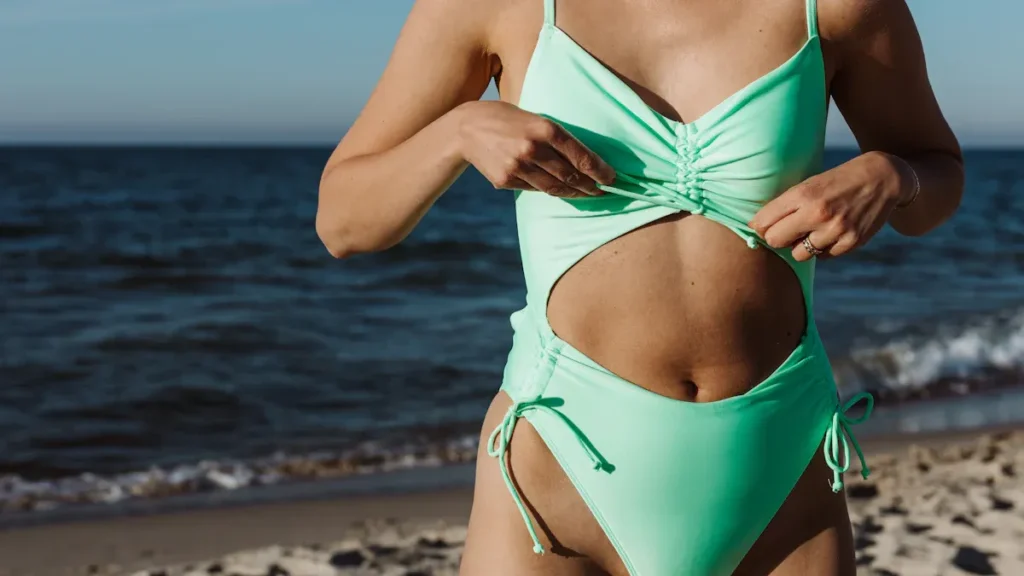
Nylon swimsuit fabric is soft and smooth to the touch. Designers love nylon because it’s comfortable and fits snugly against the skin. Nylon is elastic and has a clean, attractive appearance. Many fashionable swimsuits use nylon fabric to ensure a good fit.
| Characteristic | Description |
|---|---|
| Softness | Very soft |
| Stretch | Very Good |
| Durability | Good |
| Quick Drying | Yes |
| Water Resistance | Yes |
| Chlorine Resistance | Rare |
| Printable | No |
Nylon swimwear fabric is generally more expensive than polyester swimwear fabric. Designers love the feel of nylon, even though polyester fabric is becoming increasingly similar in appearance to nylon. Nylon is excellent for making high-end swimwear, but it’s not as durable in the pool as polyester. It’s not suitable for frequent swimming or training.
Polyester Swim Fabric
Polyester swimwear fabric is strong, durable, and chlorine-resistant. Therefore, it’s ideal for making pool swimwear. Even when exposed to pool chemicals, polyester retains its color and shape. Furthermore, due to its good UV-blocking properties, polyester fabric also maintains its vibrant colors.
| Feature | Description |
|---|---|
| Chlorine Resistance | Polyester resists damage from chlorine far better than nylon, making it ideal for frequent pool use. |
| Colorfastness | Polyester holds its color and structural integrity even after prolonged exposure to pool chemicals. |
| UV Resistance | The fabric maintains vibrant colors and integrity due to excellent UV resistance. |
Polyester swimwear fabric is cheaper than nylon. Designers choose polyester because it is durable and doesn’t fade easily. Recycled polyester (rPET) is more environmentally friendly, and its performance is almost identical to virgin polyester. Econyl is a special type of nylon that is also environmentally friendly, but it is more expensive.
- Both polyester and nylon are man-made materials.
- Recycled polyester helps reduce microplastic pollution.
- Econyl’s performance and feel are similar to virgin nylon.
Note: For frequent swimmers who want their swimsuits to stay vibrant, polyester swimwear fabric is a wise choice.
Spandex/Elastane Swimwear Fabric
Spandex (or elastane) is crucial in swimwear fabric blends. It gives the fabric elasticity and resilience, helping the swimsuit fit well. The fabric returns to its original shape after stretching, so it won’t sag or deform.
| Elastane Content Range | Maximum Stretch Percentage | Application Suitability |
|---|---|---|
| 8% – 12% | 100% – 130% | Beachwear, Loose-fit Cover-ups |
| 15% – 22% | 140% – 180% | Performance Swimwear, Compression Activewear |
The amount of spandex in a fabric determines its elasticity. Higher spandex content results in better elasticity, but designers must ensure the fabric is durable and retains its elasticity. Fashion swimwear typically contains 15% to 22% spandex. Sports swimwear, to enhance its fit, may contain 18% to 25% spandex.
| Use Case | Spandex Percentage |
|---|---|
| Lifestyle/Fashion Swim | 15–22% |
| Performance/Compression Swim | 18–25% |
| Heavy Chlorine Exposure | Lower spandex |
Warp-knitted construction
Warp-knitted construction makes swimwear fabric strong, durable, and elastic. Lightweight and comfortable, warp-knitted fabric offers two-way stretch, allowing for freedom of movement. It is also resistant to wear and tear, making it ideal for swimwear.
| Type of Tricot | Description |
|---|---|
| Standard Tricot | Made from smooth synthetic fibers like polyester or nylon; versatile and lightweight for everyday wear. |
| Micro Tricot | Finer version made with ultra-thin fibers; soft and lightweight, often used in intimate apparel. |
| Velvet Tricot | Plush, velvety finish; used for luxurious garments like evening wear due to its rich texture. |
| Technical Tricot | Incorporates advanced synthetic fibers for moisture-wicking and breathability; ideal for sportswear. |
Warp knitting is a knitting method where warp yarns are woven longitudinally on one side and transversely on the other. It retains its shape and is less prone to deformation. Designers typically use fibers such as polyester, nylon, and spandex to create warp-knitted swimwear fabrics.
Swimwear Fabric Characteristics
Elasticity and Comfort
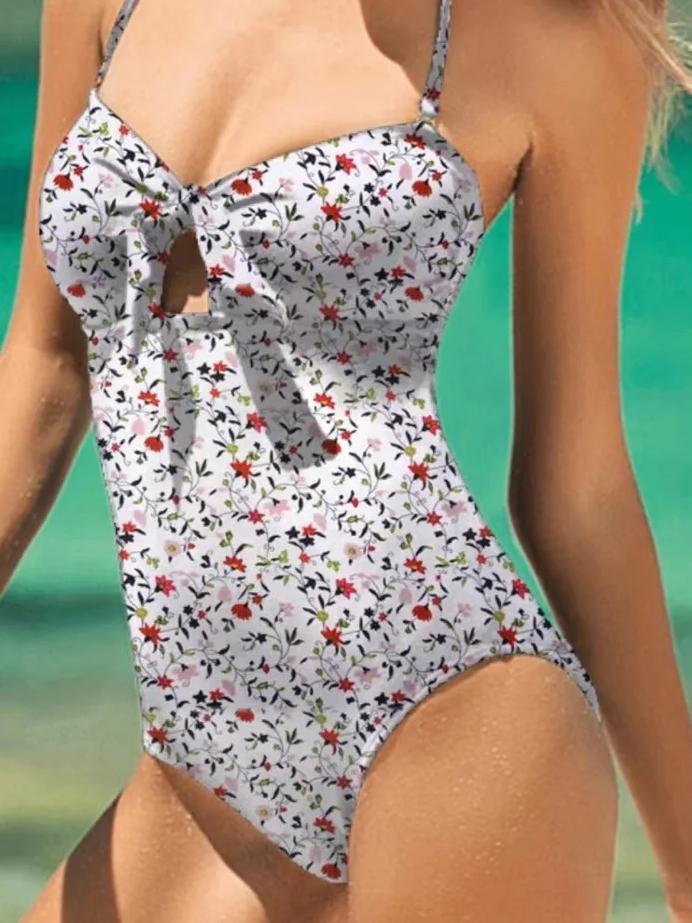
The swimwear fabric offers all-around elasticity, allowing for freedom of movement in the water. The fabric moves with your body, providing a comfortable wearing experience. Nylon-spandex blends typically contain 80% nylon and 20% spandex. Polyester-spandex blends typically contain 15% to 25% spandex. These blends allow the swimwear to conform to the skin. The fabric has excellent elasticity and quickly returns to its original shape. This makes it ideal for both fashion and sports swimwear.
Durability and Abrasion Resistance
The swimsuit fabric is durable. Designers select strong fibers to ensure the fabric is resistant to deformation and abrasion. Polyester-spandex blends offer good chlorine and sunlight resistance, helping to extend the swimsuit’s lifespan. Nylon-spandex blends are soft to the touch, but their chlorine resistance is not as good as polyester-spandex blends. Some special fabrics offer sun protection and are also resistant to abrasion. Swimmers should rinse their swimsuits after each swim to maintain vibrant colors and the fabric’s durability.
| Fabric Type | UV Protection | Chlorine Resistance | Abrasion Resistance |
|---|---|---|---|
| Polyester-Spandex | High | High | High |
| Nylon-Spandex | Moderate | Moderate | Moderate |
| Kira Matte Tricot | UPF 50+ | Yes | High |
Quick-Drying
Swimsuit fabrics dry quickly after getting wet. Nylon, polyester, and spandex blends dry in 4-6 hours in sunny weather. These fabrics have low absorbency, making them feel lightweight. This helps prevent skin problems and maintains the swimsuit’s shape. Swimmers feel more comfortable without having to wait a long time to dry.
Swimsuit Fabric Performance
Bikinis and Swimsuits
Bikinis and swimsuits use special blends that balance comfort and elasticity. Designers select fabrics based on their superior properties.
- Nylon blends are soft to the touch and have excellent elasticity. They are typically made from 80% nylon and 20% spandex or Lycra®. These blends are comfortable against the skin and allow for free movement.
- Polyester blends are strong and durable, resisting chlorine and UV rays to keep colors vibrant and maintain their new look in the pool.
- Neoprene is less commonly used now, but it has a unique feel and provides extra support.
The fabric you choose will affect the fit and support of your swimsuit. The table below shows the impact of each fabric on fit and comfort:
| Fabric Type | Properties | Impact on Fit and Support |
|---|---|---|
| Polyester | Dries fast, feels light | Makes suits comfy and helps you swim faster |
| Nylon | Soaks up water, feels soft | Feels nice, but gets heavier when wet |
| PBT | Dries fast, feels smooth | Gives both comfort and good performance |
| Spandex (15-25%) | Adds stretch | Makes suits fit better and gives more support |
| Medium-weight | Good for easy swimming | Feels comfy and gives some support |
Boardshorts and Trunks
Beach shorts and swim trunks require quick-drying and comfortable fabrics. Polyester is the preferred choice because it is strong, durable, and does not easily fade. Nylon is lightweight and quick-drying, making it ideal for swim trunks. Some brands use ECONYL® (recycled nylon) to protect the environment. Cotton fabric is soft to the touch but becomes heavy when wet, so it is rarely used in swimwear.
| Fabric | Weight (GSM) | Composition | Properties |
|---|---|---|---|
| Polyester | 80-160 | 100% Polyester | Strong, Dries Fast |
| Nylon | 70-140 | 100% Nylon | Light, Feels Good |
| Cotton | 100-200 | 100% Cotton | Soft, Lets Air In |
| Neoprene | 200-300 | 100% Neoprene | Warm, Keeps Shape |
| ECONYL® | Varies | Regenerated Nylon | Good for Earth, Strong |
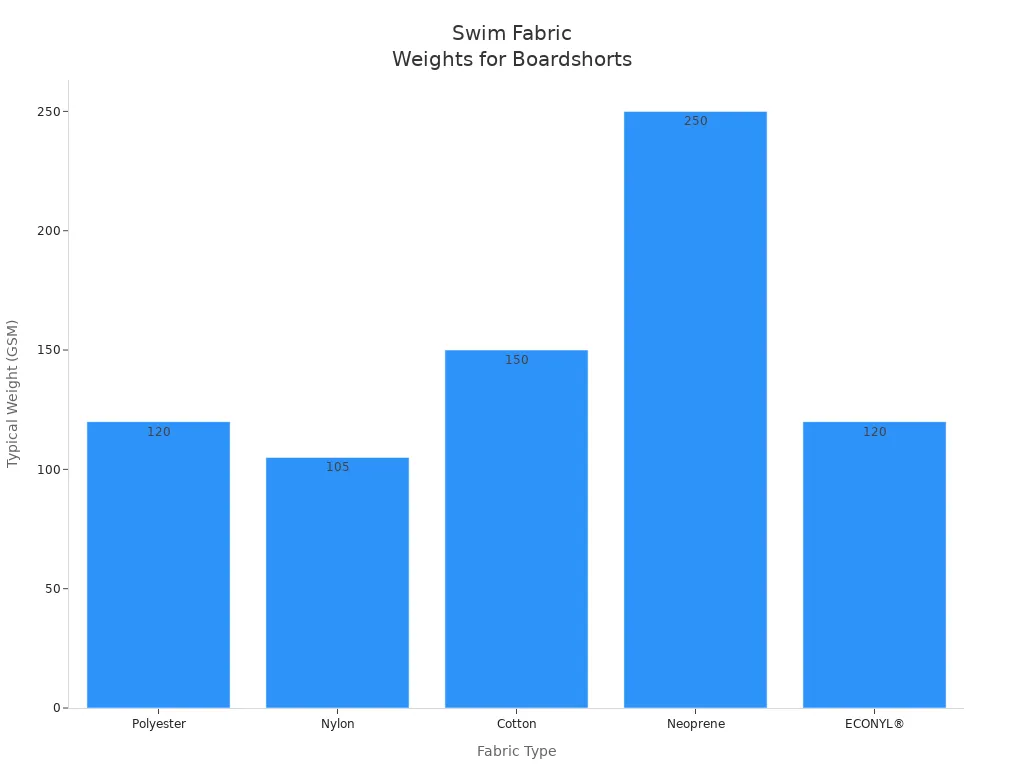
Beach shorts and briefs prioritize quick-drying and durability. Bikinis and one-piece swimsuits prioritize elasticity and comfort.
Sports Swimwear
Sports swimwear needs to meet the demands of both training and competition. The best fabrics for this type of swimwear should possess the following characteristics:
- Good chlorine resistance
- Stretch and bounce back
- Keep their shape over time
- Feel comfy for lots of movement
- Dry quickly
- Give enough support and cover
PBT fabric is excellent because it resists chlorine and maintains its shape. Polyester fabric is also favored because it is quick-drying and durable. Polyurethane fabric enhances elasticity and provides better muscle support during competition. These fabrics help athletes move easily and swim faster.
Blended fabrics for sports swimwear combine elasticity, support, and strength. These blends help swimmers perform at their best in the water.
Choosing Swimwear Fabrics
Sports and Fit
The choice of swimwear fabric depends on your intended use. Different sports require different fabric properties. Here are some factors to consider:
- Pool swimmers should choose polyester, as it resists chlorine.
- Beach swimmers may prefer nylon, as it is lightweight and comfortable.
- Spandex blends are stretchy, resistant to deformation, and provide a better fit.
- If you are frequently in the sun, choose a swimsuit with UPF50+ sun protection to protect your skin from UV damage.
- Quick-drying fabrics will keep you dry and comfortable after swimming.
You should also consider the style of the swimsuit and the level of coverage you need. A well-fitting swimsuit allows for greater freedom of movement and enjoyment in the water.
| Fabric Type | Best For | Key Benefit |
|---|---|---|
| Polyester | Pool swimming | Chlorine resistance |
| Nylon | Beach activities | Lightweight comfort |
| Spandex blends | Active sports, fashion | Stretch and fit |
| UPF50+ fabrics | Sun exposure | UV protection |
Care and Lifespan
Proper care of swimsuit fabric helps extend its lifespan and maintain its appearance. After each use, swimmers should rinse their swimsuit with cold water. Hand wash weekly with mild soap. Do not use a washing machine or dryer. Lay the swimsuit flat to air dry in a cool, shaded place.
Proper care of your swimsuit will maintain its color and elasticity and protect it from chlorine and sunlight. This will make your swimsuit more durable and perform better.
Customization Options
Designers and brands can modify swimsuit fabrics in many ways. They can choose special colors, change the fabric’s properties, or add environmentally friendly components. These options help create swimsuits that stand out from the crowd.
| Customization Option | Benefit |
|---|---|
| Color Customization | Matches brand identity and trends |
| Fabric Properties | Meets specific performance needs |
| Sustainability | Appeals to eco-conscious customers |
Suerte allows brands to order swimwear fabrics in various quantities, with a minimum order quantity of 300 kg. They offer fast sample delivery, taking only 3-5 days. This helps brands experiment with new ideas and quickly keep up with trends.
Swimwear fabrics can be made from nylon, polyester, or spandex blends. Each fabric has its own advantages in terms of comfort, elasticity, and durability. People should choose the right fabric based on their activity needs and care preferences. Suerte helps brands and designers create bespoke swimwear for a variety of projects. Choosing the right fabric makes swimwear more comfortable and performs exceptionally well in the water.
FAQ
How is swimwear fabric different from regular fabric?
Swimwear fabric uses special fibers such as nylon, polyester, and spandex. These fibers give the fabric elasticity, quick-drying properties, and water and chlorine repellency. Regular fabrics do not possess these characteristics.
Does swimwear fabric provide sun protection?
Many swimwear fabrics have a UPF50+ sun protection rating. This rating blocks most harmful UV rays. Designers choose these fabrics for outdoor swimwear.
How should swimwear fabric be cared for?
After each use, rinse your swimwear with cold water. Hand wash with mild soap. Lay flat to dry in the shade. This will help maintain the fabric’s strength and vibrant colors.
Are there recycled swimwear fabrics available?
Some brands use recycled polyester (rPET) and ECONYL® nylon. These fabrics help reduce waste and pollution. Suerte offers an eco-friendly selection of custom swimwear.
Which swimwear fabric is best for athletes?
Athletes prefer polyester blends or PBT fabrics. These fabrics are chlorine resistant, elastic, and resistant to deformation. They allow swimmers to move freely and improve athletic performance.