You can truly contribute to environmental protection by wearing appropriate clothing. Cotton-bamboo blends are a more eco-friendly option. The life cycle of bamboo is the best proof of its sustainability.
Bamboo grows incredibly fast, requires no pesticides, and needs far less water.
This makes bamboo fiber fabric an excellent environmentally friendly alternative. Choosing this sustainable material for clothing is undoubtedly a wise and sustainable choice. Its fully biodegradable nature ensures that it aligns with environmental principles from production to final disposal.
Key Takeaways
- Bamboo grows rapidly, requires little water, and does not require pesticides. This makes it a beneficial choice for the planet.
- Be sure to choose bamboo fiber lyocell fabric. Its production process is clean and environmentally friendly.
- Choose blends containing organic cotton. Organic cotton uses less water and contains no harmful chemicals.
- Bamboo fiber clothing is soft and breathable, suitable for both warmth and heat dissipation. Moreover, it decomposes naturally after wear.
Why Bamboo Farming is Kinder to the Earth
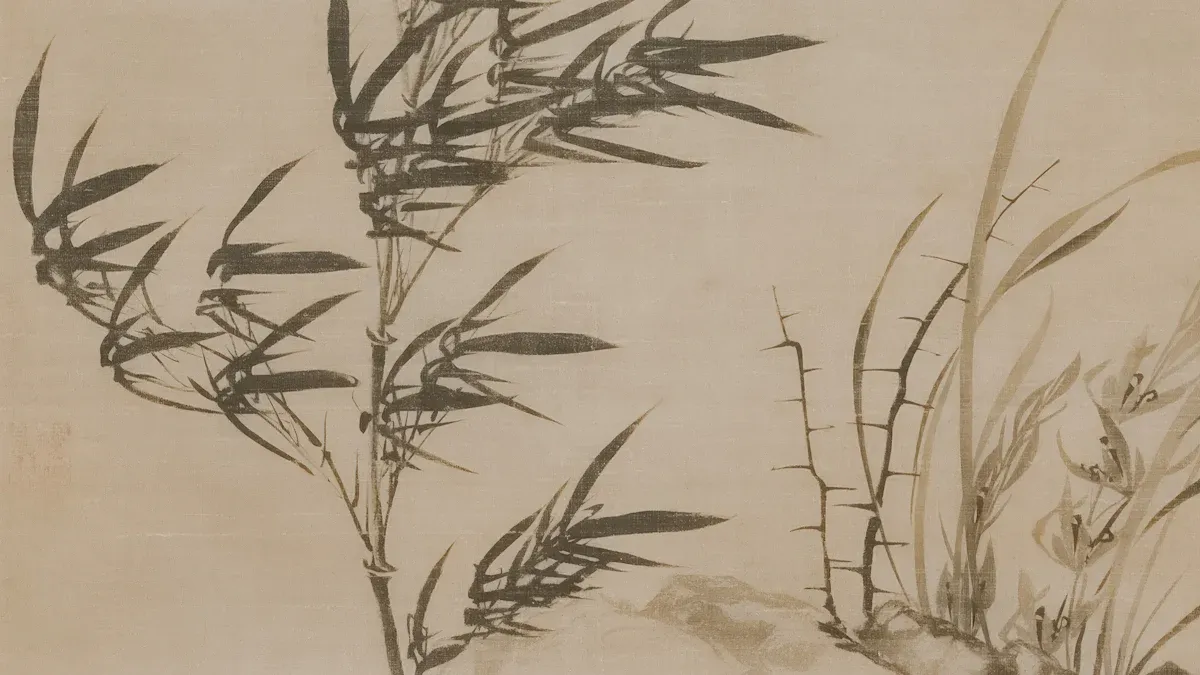
The journey of your garment begins long before it becomes fabric; it starts in the field. Understanding how bamboo is cultivated reveals the environmental advantages of bamboo fabrics. Bamboo’s cultivation methods are vastly different from traditional crops, making it a model of environmental protection.
It Thrives on Less Water
Water is one of our planet’s most precious resources. Conventional cotton is a notoriously thirsty crop, often requiring extensive irrigation that strains local water supplies. Bamboo, on the other hand, is remarkably self-sufficient.
Bamboo plants are naturally drought-resistant. They can thrive on rainfall alone in many climates, significantly reducing the need for the large-scale irrigation that other textile crops demand.
Choosing clothing made from bamboo helps conserve massive amounts of water, making it a responsible choice for a thirsty world.
It Grows Without Harmful Chemicals
Bamboo grows naturally without chemical intervention, which is reassuring. Bamboo itself contains natural bioactive components that repel pests, eliminating the need for farmers to use harmful pesticides. This is a significant advantage over traditional cotton cultivation methods. Excessive pesticide use in cotton cultivation leads to pesticide resistance in pests and damages the ecosystem. This often results in secondary pest outbreaks, requiring even more chemical agents for control.
While there are initiatives to reduce pesticide use in cotton cultivation, bamboo cultivation requires none of these measures. For example, farmers participating in the Good Cotton Initiative have significantly reduced their pesticide use.
| Region | BCI Farmers Pesticide Use Reduction (2018-19) |
|---|---|
| China | 14% less |
| Tajikistan | 38% less |
While these emissions reduction measures are a step forward, bamboo cultivation has avoided this problem from the outset. This makes bamboo an inherently cleaner and more environmentally friendly raw material.
It Regenerates and Prevents Soil Erosion
The way bamboo is grown and harvested has significant benefits for soil health. Unlike trees that are often felled, bamboo is a herbaceous plant. Its vast and complex root system remains in the soil after harvesting, ready to sprout new shoots.
This root network is key to its soil-holding capacity. The dense, fine roots concentrate in the topsoil, holding it together like a natural net. This process prevents topsoil from being eroded by wind and rain. Bamboo forests can have root systems that extend up to 100 kilometers per hectare, making them extremely effective at soil retention on slopes and riverbanks.
Furthermore, bamboo is effective at restoring degraded land. Its roots help loosen compacted soil, making it more aerated. This improves water permeability and reduces surface runoff. Fallen leaves and roots decompose, replenishing the soil with essential carbon and nutrients. This process improves the soil, making it healthier and more fertile, conducive to future growth.
The bamboo harvesting cycle is another reason for its sustainability.
- Bamboo is one of the fastest-growing plants in the world.
- It does not need to be replanted after harvesting because it can regenerate from its own root system.
- A felled bamboo grove can grow back to a fully mature grove in about five years.
This rapid regeneration of bamboo means it can provide a continuous and reliable resource without causing soil degradation.
The Eco-Credentials of Cotton Bamboo Fabric Blends
The journey from a bamboo stalk to a soft t-shirt involves several important steps. While bamboo farming is inherently sustainable, the choices made during manufacturing and blending determine the final product’s true eco-credentials. You can make the best choice by understanding what goes into your clothing.
The Role of Organic Cotton
Bamboo fiber and cotton blends are common fabrics. These blends are both durable and soft. However, the type of cotton is crucial to the environment. When choosing a bamboo-cotton blend, opt for those made from organic cotton whenever possible.
Traditional cotton farming has a significant environmental impact. Organic cotton farming offers a cleaner approach. The advantages of both methods are obvious.
| Environmental Aspect | Conventional Cotton | Organic Cotton |
|---|---|---|
| Water Use | Consumes vast amounts of irrigated water | Uses up to 91% less blue water; mostly rain-fed |
| Chemicals | Relies on harmful synthetic pesticides and fertilizers | Grown without synthetic chemicals; uses natural methods |
| Soil Health | Degrades soil over time | Enriches soil with organic matter and crop rotation |
| Energy Use | Requires high energy input | Reduces primary energy demand by 62% |
| Biodiversity | Harms wildlife and reduces biodiversity | Protects pollinators, insects, and soil organisms |
Organic cotton production actively supports the environment. Its cultivation methods reduce greenhouse gas emissions and prevent water pollution. To ensure the cotton in your clothing is truly organic, you can look for specific certifications.
- Global Organic Textile Standard (GOTS): This is the leading standard for organic textiles. It guarantees that cotton is grown without the use of genetically modified organisms or toxic chemicals. GOTS also sets strict rules for the entire production process, ensuring fair labor practices and responsible water treatment.
- Organic Content Standard (OCS): This certification verifies the exact percentage of organic materials in the final product. It tracks the entire process of organic cotton from farm to your garment.
The Processing Difference: Lyocell vs. Viscose
Transforming bamboo pulp into fiber is a crucial step towards sustainable development. Bamboo fiber fabrics are primarily divided into two categories: viscose and lyocell. The differences between them are significant.
The most common and cheapest method is to produce bamboo viscose (or rayon). However, this method is not environmentally friendly.
When bamboo is processed into fabrics touted as “soft,” “silky,” or “cool to the touch,” it is likely being made into rayon or viscose using toxic chemicals. This process is far from environmentally friendly.
The viscose process involves soaking bamboo pulp in highly corrosive chemicals such as sodium hydroxide and carbon disulfide. If not handled properly, these chemicals can pollute the air and water.
In contrast, the lyocell process is a modern, environmentally friendly alternative. This method uses a non-toxic solvent called N-methylmorpholine N-oxide (NMMO) to dissolve the bamboo pulp. The entire process takes place in a closed-loop system. This means that water and solvent are collected and repeatedly recycled. In fact, its chemical recovery rate is very high.
| Property | Bamboo Lyocell |
|---|---|
| Chemical Recovery Rate | Over 99% |
This closed-loop system means that virtually no chemicals are released into the environment. It makes bamboo lyocell the premium choice for sustainability and a truly green innovation in textiles.
Choosing the Right Bamboo Fabric
You have the power to choose clothing that is better for the planet. When you shop for bamboo clothing, you can use your knowledge to make an informed decision. The best choice is a bamboo fabric that combines the most sustainable practices from start to finish.
To ensure you are buying a truly eco-friendly product, check the label for a few key things:
- Processing Method: Look for bamboo lyocell. This confirms the fabric was made using the clean, closed-loop process.
- Blend Material: If the bamboo is blended, make sure it is with organic cotton.
- Certifications: Look for trusted labels that verify the product’s claims.
- FSC (Forest Stewardship Council): This certification ensures that bamboo comes from responsibly managed forests, thus protecting biodiversity.
- OEKO-TEX® STANDARD 100: This label guarantees that the final garment produced does not contain a long list of substances known to be harmful to human health.
By checking for these details, you can confidently select clothing that aligns with your values and supports a healthier planet.
Beyond Eco-Friendly: The Comfort and Durability of Bamboo Clothing
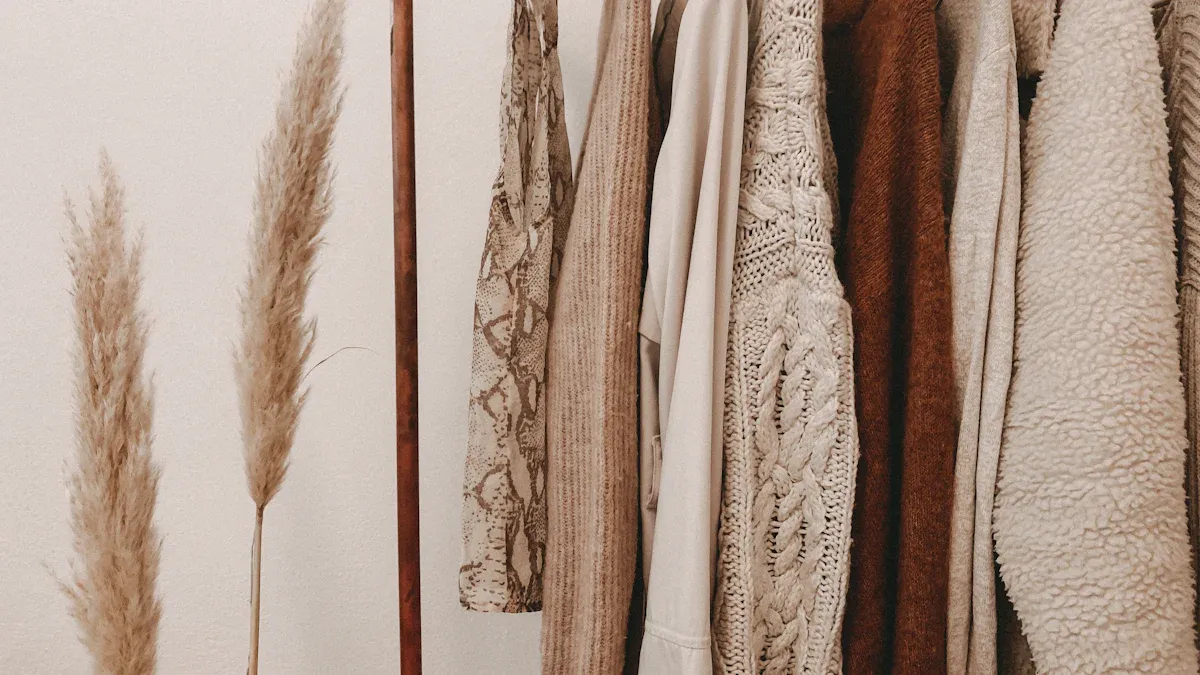
While fabric sustainability is important, you also want your clothes to be comfortable and durable. Bamboo fiber clothing combines excellent comfort with durability. The unique structure of bamboo fiber gives this garment superior performance. You’ll find that this clothing is long-lasting and suitable for long-term wear.
Unparalleled Softness and Hypoallergenic
You’ll immediately feel the incredibly soft touch of bamboo fiber fabric. Bamboo fibers are naturally smooth and gentle on the skin, making them ideal for those with sensitive skin. Furthermore, bamboo fiber fabric is durable and retains its softness for a long time.
This plant itself contains natural antibacterial components. This antibacterial property remains on the clothing, helping to reduce the growth of microorganisms that can cause skin problems. This antibacterial property also makes bamboo fiber clothing hypoallergenic. The durability of antibacterial clothing is another major advantage. These antibacterial properties make bamboo fiber clothing a wise choice.
- Natural Antimicrobial Properties: Bamboo contains a bio-agent that resists pests. This antimicrobial property can transfer to the clothing.
- Smooth Fibers: The soft surface of bamboo fibers minimizes friction against your skin, enhancing the durability and comfort of the clothing.
- High Breathability: The fabric’s excellent breathability keeps skin dry, which further reduces irritation. This antimicrobial clothing offers great durability.
Breathable and Moisture-Wicking
Bamboo fiber boasts exceptional breathability. Its fibers are filled with tiny cavities and channels. These structures wick moisture away from the skin and transport it to the surface of clothing for evaporation. This is why bamboo fiber clothing exhibits superior moisture-wicking properties.
These moisture-wicking fabrics keep you dry and comfortable. Their breathability is ideal for sportswear.
Bamboo fiber clothing is highly breathable, making it ideal for sports. Its moisture-wicking function helps regulate body temperature. Furthermore, bamboo fiber clothing is exceptionally durable. Breathability is one of the main advantages of bamboo fiber clothing. Its moisture-wicking function is unparalleled. Breathability is crucial. Breathability is a major highlight. Excellent breathability. Breathability is a superior function. Breathability is its key characteristic. Breathability is its primary characteristic.
Thermal Regulating for All Seasons
The same structure that provides breathability also helps regulate your temperature. The micro-hollows in bamboo fibers trap air. This trapped air acts as a natural insulator.
In warm weather, the fabric’s breathability lets heat escape, keeping you cool. In cold weather, the trapped air holds your body heat, keeping you warm. This makes bamboo clothing a versatile choice for activewear and daily clothing. You can wear your bamboo clothes comfortably all year. The durability of these bamboo clothes means you can rely on them season after season. The antimicrobial bamboo clothes are great. The antimicrobial bamboo clothes are soft. The antimicrobial bamboo clothes are comfortable. The antimicrobial bamboo clothes are durable. The antimicrobial bamboo clothes are a good choice. The antimicrobial bamboo clothes are a great choice. The antimicrobial bamboo clothes are a smart choice. The antimicrobial bamboo clothes are a wise choice. The antimicrobial bamboo clothes are a perfect choice.
The End-of-Life Advantage: Biodegradability
You should consider what to do with your old clothes. The final disposal of fabrics is key to their sustainability. Natural materials like bamboo have a significant advantage because they return to the earth, while synthetic fabrics cause long-term pollution.
A Natural Return to the Earth
When you dispose of clothing made from bamboo fabric, it does not sit in a landfill forever. Because bamboo is a natural plant fiber, it is fully biodegradable. Microorganisms in the soil can break down the bamboo fabric, turning it back into organic matter. This process enriches the soil and completes a natural cycle. You can feel good knowing your bamboo clothing will not contribute to landfill waste for centuries. This natural decomposition is a key benefit of choosing plant-based textiles.
The Problem with Synthetic Fabrics
The situation is quite different for synthetic fiber fabrics like polyester and nylon. These materials are essentially petroleum-derived plastics and are not designed to degrade naturally. Discarded synthetic fiber clothing can linger in landfills for hundreds of years.
The stable chemical bonds in synthetic polymers resist natural decay, resulting in an extremely slow decomposition rate.
This means your old polyester shirt might outlive you generations. The expected time it takes for these fabrics to decompose underscores the severity of the problem.
| Fabric Type (Polyester-based) | Estimated Decomposition Time in Landfill |
|---|---|
| Material Pongee (Polyester or blend) | 20 to 200 years |
| Voile Chiffon (Polyester-based) | 30 to 400 years |
| Fabric Blends (Polyester and Spandex) | 50 to 500 years |
| Oxford Polyester Material | 40 to 300 years |
| Printed Gabardine (Synthetic-based) | 60 to 600 years |
As these materials slowly degrade, they can release harmful substances into the environment. These toxins pose a risk to soil and water quality. Some of these chemicals include:
- Phthalates: Used in activewear and linked to health issues.
- AZO dyes: Common colorants that can cause skin allergies.
- Heavy metals: Used to stabilize color and can cause environmental damage.
Reducing Microplastic Pollution
The environmental damage caused by synthetic fibers begins long before they reach landfills. Every time synthetic fiber clothing is washed, tiny plastic fibers are shed. A single wash cycle can release over 700,000 such microplastic fibers into the water.
These microplastic particles are too small for wastewater treatment plants to filter. They flow into rivers and oceans, causing serious harm. Marine animals mistake these fibers for food, leading to energy depletion, reproductive problems, and even death. Choosing natural fibers like bamboo helps reduce the influx of microplastics into our precious ecosystems. By choosing bamboo fabrics, you are directly supporting the cleanliness of the oceans.
Therefore, cotton-bamboo blends are a truly sustainable choice. The eco-friendly transportation process from bamboo forest to your clothing fully demonstrates its sustainability. You are also joining this growing movement for eco-friendly clothing.
Your Eco-Friendly Checklist: When buying bamboo fiber clothing, check the label. Choose garments made from a blend of bamboo fiber lyocell and organic cotton. This ensures you’re buying the most environmentally friendly bamboo fiber options, such as those from brands like Movesgood.
FAQ
How should I care for my bamboo clothing?
You should wash your bamboo clothing in cold water on a gentle cycle. Tumble dry on a low setting or hang it to dry. This gentle care preserves the fabric’s softness and extends its life, ensuring you can enjoy its comfort for a long time.
Is all bamboo fabric eco-friendly?
No, not all bamboo fabric is the same. You should choose bamboo lyocell. This type uses a non-toxic, closed-loop process that recycles water and solvents. Bamboo viscose, the more common type, often uses harsh chemicals that can harm the environment.
Why is bamboo fabric good for sensitive skin?
Bamboo fibers are naturally round and smooth, so they do not irritate your skin. The fabric also has natural antimicrobial properties that help keep it fresh. Its excellent breathability keeps your skin dry, which further reduces the chance of irritation.
What makes bamboo clothing good for different seasons?
The fabric’s structure provides amazing thermal regulation. Its impressive breathability helps heat escape to keep you cool in summer. In winter, the fibers trap air to keep you warm. This unique breathability makes the clothing comfortable all year long.