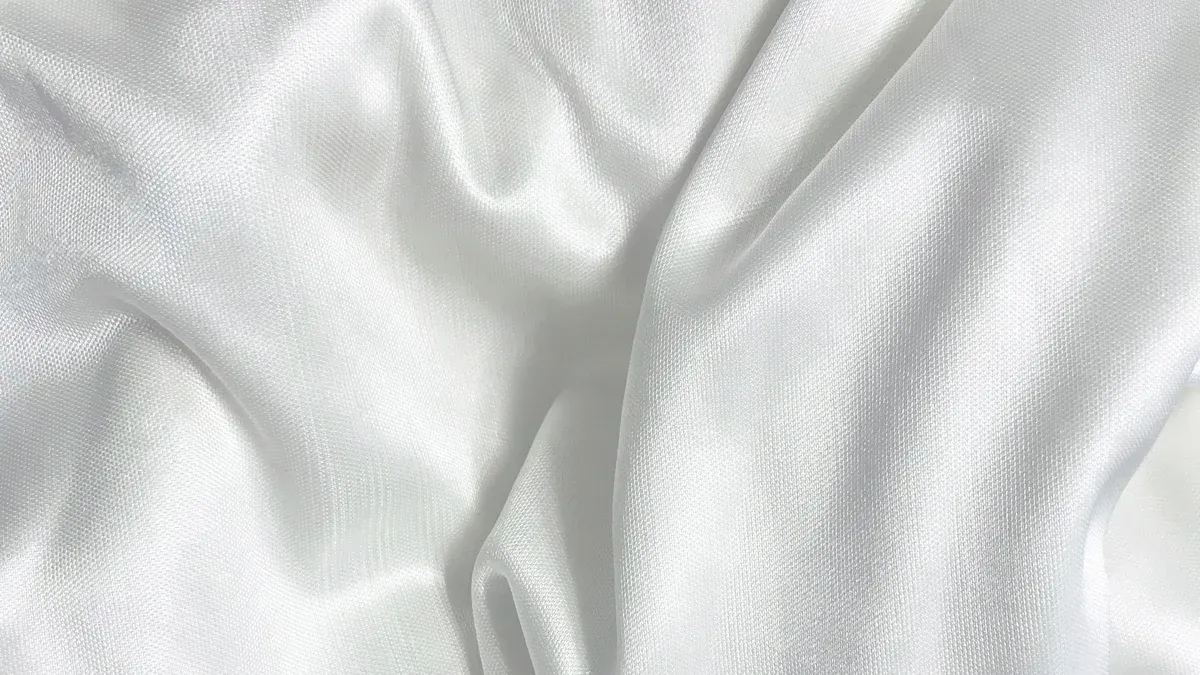
Dyneema is currently the strongest mesh material on the market. This mesh material can withstand tensile forces of up to 48 tons without weakening its strength under heavy loads. Dyneema is 15 times stronger than steel. Its special fibers make it both strong and lightweight. This mesh material is lighter than nylon and has better tear resistance. Many industries use Dyneema mesh materials to handle high-intensity operations, such as in the manufacture of marine cables and protective equipment. Nylon and polyester mesh fabrics are also very durable. Suerte offers designers custom mesh material solutions, allowing them to choose the appropriate mesh material based on the specific needs of each project.
Key Takeaways
- Dyneema is currently the strongest mesh material. It can withstand tensile forces of up to 48 tons without weakening its strength under heavy loads.
- You need to choose the right mesh material based on your needs. Consider its properties, such as tensile strength and weave type. These factors affect the toughness and flexibility of the mesh material.
- Nylon mesh is strong and flexible, making it ideal for sportswear. Polyester mesh is durable and comfortable, perfect for outdoor use.
- Custom meshes allow designers to change the material to suit project needs. This helps improve the mesh’s performance and functionality.
- When choosing a mesh, consider the environment in which it will be used. Over time, high temperatures and humidity can reduce the mesh’s strength.
What Makes a Mesh Material Strong?
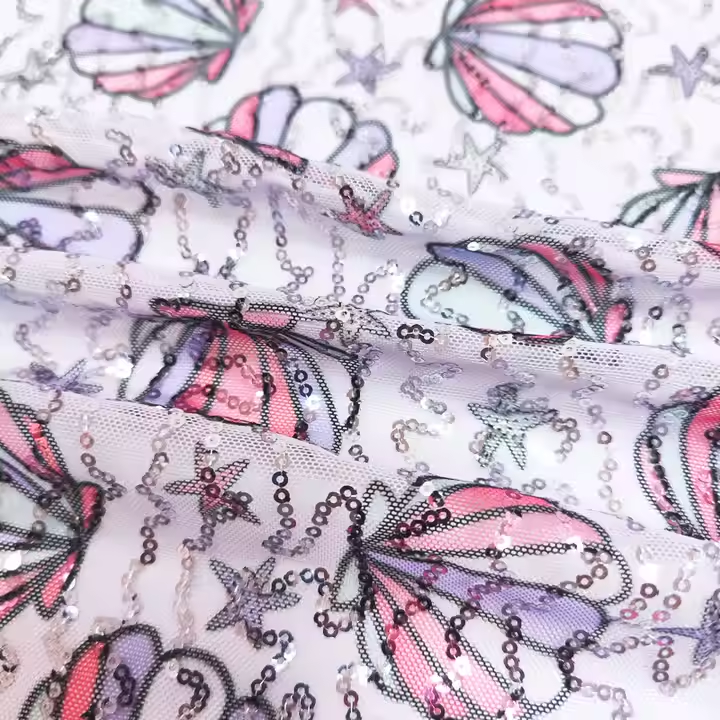
Fiber Types and Properties
The strength of a mesh depends on its internal fibers. Dyneema fibers give mesh the highest strength. Nylon and polyester meshes are also very tough and flexible. Scientists evaluate the strength of meshes using several factors:
- Tensile strength refers to the maximum force the mesh can withstand before breaking.
- Strain refers to the amount of elongation the mesh undergoes when stretched.
- Modulus refers to the stiffness of the mesh, which helps it maintain rigidity.
- Porosity affects strength. Lower porosity means fewer weak points.
Weave and Structure
The weaving method of a mesh affects its strength and toughness. Plain weave, twill weave, and satin weave each have different effects. Plain weave makes the mesh strong and resistant to deformation. Twill weave makes the mesh more flexible. Satin weave makes the surface smooth. The structure of the mesh also affects its compressive strength and service life. Polyester mesh fabrics typically employ special weaving techniques to balance strength and comfort.
Weight and Durability
The weight of a mesh fabric is crucial to its strength and lifespan. Heavier mesh fabrics are generally stronger, but lightweight mesh fabrics can also be very durable if made with advanced fibers. The table below compares the weight and strength of different grades of mesh fabric:
| Specification | Apparel Grade | Industrial Grade | Filtration Grade | Agricultural Grade |
|---|---|---|---|---|
| Weight (g/m²) | 50-150 | 150-500 | 100-300 | 80-200 |
| Tensile Strength (N/50mm) | 300-800 | 800-3000 | 500-1500 | 400-1200 |
Mesh Material Comparison

Dyneema Mesh vs. Nylon Mesh
Dyneema is currently the strongest mesh material on the market. It is stronger than other meshes of the same weight. Dyneema can support heavy loads and will not weaken due to sun exposure, water immersion, or chemical corrosion. It can even float on water. These properties make Dyneema ideal for outdoor gear, boat ropes, and safety tools. Dyneema mesh maintains its strength in harsh weather and is not easily stretched or deformed.
Nylon mesh is also strong and flexible. It is used in sportswear, bags, and factory filters. Nylon mesh absorbs some moisture and its strength decreases after prolonged exposure to sunlight. It is less prone to abrasion and is more elastic than Dyneema. Nylon mesh is ideal when a material that is both strong and flexible is needed.
Polyester Mesh Strength
Due to the application of new technologies, polyester mesh is stronger. It is not as stretchy as nylon mesh and is better able to maintain its shape. Polyester mesh does not shrink, dries quickly, and is resistant to chemical corrosion. It is used to make outdoor clothing, tents, and lightweight shelters. Polyester mesh is more durable than nylon mesh in wet conditions.
Advantages and Disadvantages of Main Mesh Types
The table below lists the main advantages and disadvantages of Dyneema, polyester mesh, and nylon mesh.
| Fabric Type | Advantages | Disadvantages |
|---|---|---|
| Dyneema | Very strong, light, safe with chemicals, does not take in water, safe in sun | Costs a lot, not great with heat, hard to color |
| Polyester mesh | Strong, does not wear out fast, dries fast, does not shrink, safe with chemicals, stays bright, not expensive | Does not soak up water, can feel stiff, does not break down in nature |
| Nylon mesh | Strong, does not wear out fast, stretches, light, easy to color | Okay in sun, takes in water, costs more than polyester, does not break down in nature |
Dyneema mesh is best for strength and lasting a long time, especially for hard jobs. Polyester mesh fabric gives you strength, comfort, and saves money. Nylon mesh is good when you need something strong and stretchy. Each mesh fabric is good for different things, so people should choose the one that fits their project.
Choosing the Right Mesh Fabric
Application-Based Selection
You need to pick mesh fabric based on what you need. Experts say you should look at each mesh’s features. Then, match those features to your project. Polyester mesh fabric is good for sportswear. It is light and blocks UV rays. Nylon mesh is strong and lasts a long time. People use it for tents and backpacks. Cotton mesh lets air through and feels soft. It works well for casual clothes and things in your house. The table below shows which mesh is best for each use:
| Mesh Type | Key Features | Best Applications |
|---|---|---|
| Polyester | Lightweight, UV resistant, mildew resistant | Sportswear, outdoor applications |
| Nylon | Strong, durable | Tents, backpacks |
| Cotton | Breathable, comfortable, eco-friendly | Casual outfits, home textiles |
Suerte allows designers to change fiber type, thickness, and pore size. This means you can customize mesh fabric to meet specific needs. It is suitable for fields such as safety equipment, factories, sportswear, automotive, and medical supplies.
Environmental Factors
Weather and air conditions affect the performance of mesh fabric. High temperatures accelerate mesh damage. High temperatures weaken chemical bonds. Humid air causes hydrolysis, which damages the mesh and reduces its strength. Humid environments promote the growth of mold and fungi, which can damage the mesh. Sunlight weakens the mesh and makes it prone to tearing, most commonly outdoors. If water cannot pass through, mold will grow, damaging the mesh. Drastic temperature changes also affect the performance of the mesh.
Common Mistakes
Some designers make mistakes when choosing mesh fabric. They may not consider the weather or the environment in which the mesh will be used. Some forget to check whether the mesh blocks UV rays or prevents mold growth. Others don’t consider custom mesh options. Suerte offers mesh fabrics that can solve these problems. Designers should always consider where and how the mesh will be used. They should also consider using custom mesh to avoid problems in the first place.
Best Uses for Strong Mesh Materials
Industrial and Safety Applications
High-strength mesh fabric is crucial in many jobs. It’s used for filtration and sorting in factories and mines. Mesh safety nets prevent workers from falling on construction sites and intercept potentially falling objects. Heavy-duty mesh fabric protects workers in hazardous locations from falling rocks. Businesses use mesh fabric to create fences and barriers to reduce workplace risks. Mesh fabrics help create strong and secure connections and frames. High-quality mesh fabric can handle heavy workloads, ensuring smooth operation.
Fashion and Sports Apparel
Mesh fabric is widely used in clothing and sports equipment. Designers choose mesh fabric because of its breathability and comfort. Polyester mesh fabric promotes airflow, keeping athletes cool and dry. It also wicks sweat away from the skin, making it ideal for sportswear. Many brands use recycled polyester mesh fabric to protect the environment. Mesh fabric is commonly used in sportswear, everyday clothing, and fashion accessories. It conforms to the body and looks stylish in summer clothing. The table below illustrates the differences between mesh fabric and other sportswear fabrics:
| Feature | Mesh Fabric | Non-Mesh Alternatives |
|---|---|---|
| Air Permeability | 500–2000 L/m²/s | 100–300 L/m²/s |
| Core Body Temperature Rise | 15–20% reduction | N/A |
Medical and Specialty Uses
Doctors use strong mesh for medical fixes. Mesh helps support soft tissue in surgeries like hernia repair. It is also used in rebuilding body parts. Medical mesh helps lower infection risk and means fewer repeat surgeries. Mesh fabric in these cases works well and does not cause late infections. Hospitals like mesh because it is strong and safe. Special mesh is made for unique medical needs.
Dyneema is the strongest mesh you can get. Nylon and polyester mesh fabrics are also strong for many things. The table below shows what each mesh is good at:
| Mesh Material | Strengths |
|---|---|
| Dyneema | Very strong, light, does not take in water |
| Nylon | Used for many things, lasts long, not too expensive |
| Polyester | Lasts long, costs less, stays good longer |
It is important to pick the right mesh for your project. Custom mesh fabric choices help designers do their best work. Good mesh fabrics, like breathable mesh, help make new things in fashion and industry.
FAQ
What are the uses of mesh fabric?
Mesh fabric has a wide range of uses. Factories use it to make filters. Designers use it to design clothing and sports equipment. Doctors use it to make medical instruments. Mesh fabric is useful in many fields because it is strong, durable, and breathable.
How does Dyneema compare to other mesh materials?
Dyneema is the strongest mesh material. It is lighter and stronger than nylon or polyester. Dyneema is ideal for high-strength applications such as safety equipment and marine ropes.
Can mesh fabric be customized for special projects?
Yes, companies like Suerte offer custom mesh fabric. Designers can choose the fiber type, thickness, and color. Custom mesh fabric can meet the specific needs of the fashion, industrial, and sports sectors.
Is mesh fabric suitable for outdoor use?
Many mesh fabrics have sun-protective, waterproof, and mildew-resistant properties. Polyester and Dyneema mesh fabrics are ideal for outdoor use. They have a longer lifespan in rain and sun compared to other fabrics.