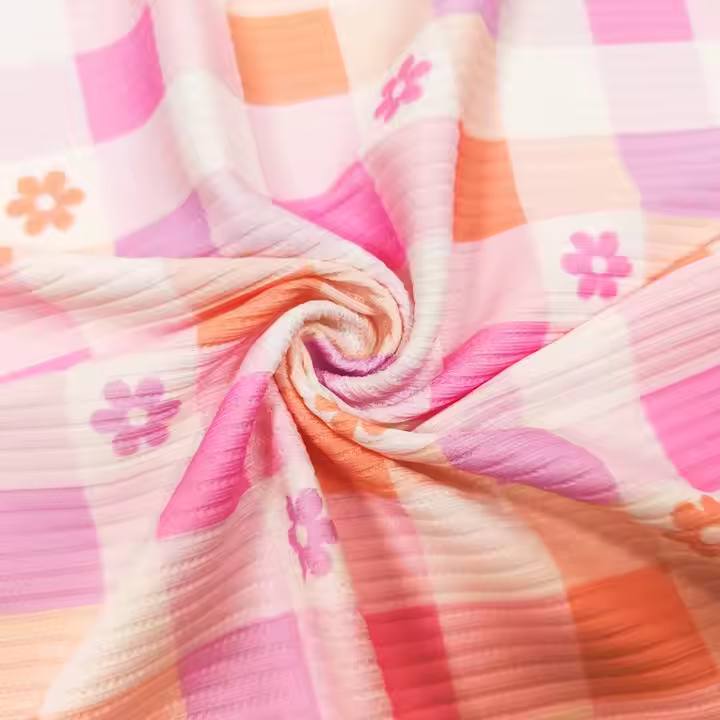
Ribbed fabric is often referred to as ribbed knit fabric. This fabric has a raised texture, making it stretchy and soft. Many designers love ribbed fabric because it gives garments both shape and comfort. The fashion industry uses ribbed fabric in sportswear, casual wear, and layered garments. Suerte offers a wide selection of fabrics to meet the needs of various creative projects.
Key Takeaways
- Ribbed fabric is also known as ribbed knit fabric. It is stretchy and soft. People like to use it to make sportswear and casual wear.
- There are many types of ribbed fabric. For example, fine rib and wide rib. They are versatile. Some are suitable for making lightweight T-shirts, while others are suitable for making warm outerwear.
- Choosing the right ribbed fabric is crucial. You need to consider the width, weight, and elasticity of the ribs. This helps to make your designs both comfortable and stylish.
- The uses of ribbed fabric are very wide, not just limited to clothing. It is also often used in accessories and home textiles to add texture and warmth.
- Suppliers like Suerte offer custom ribbed fabrics, which designers can use to create unique pieces that align with current fashion trends.
Ribbed Texture Fabric Names
Common Terminology: Ribbed Knit Fabrics
Those working in the textile industry use various terms for ribbed fabrics. The most common names are rib knit fabric and rib knit material. These terms refer to fabrics with raised, ribbed weaves. These weaves give the fabric elasticity and flexibility. Ribbed knit fabrics are made using a special knitting method. This method creates ribs that are adjacent to each other. These ribs give the fabric a unique look and feel.
The table below lists some common ribbed fabric names and types, along with their meanings:
| Type of Ribbed Fabric | Description |
|---|---|
| Fine Rib | Has small ribs that are close together. Good for light clothes that feel soft and stretch a little. |
| Wide Rib | Has bigger spaces between the ribs. Used for jackets and casual clothes. Gives a bold look and keeps you warm. |
| Ribbed Knits | Made with a knitting method. Stretches and bends easily. Great for tight clothes. |
| Corduroy | A woven fabric with ribs that go up and down. Strong and warm. Used in pants and jackets. |
| Jersey Rib | A kind of ribbed knit. Soft and stretchy. Good for clothes that fit close to the body. |
Note: Some people think all ribbed fabric is knit, but some, like corduroy, are woven instead of knit.
Special Names: Ribbed Cotton, Ribbed Wool, Ribbed Leather
The special names for ribbed fabrics depend on their material. For example, ribbed cotton is often used to make T-shirts and casual wear. Ribbed wool is suitable for making sweaters, winter hats, or scarves. Designers also frequently use ribbed leather to make jackets and bags. Different materials give ribbed fabrics different textures and functions.
The table below lists some special ribbed fabrics, their materials, and their characteristics:
| Fabric Name | Material Composition | Characteristics |
|---|---|---|
| Faille | Not specified | Has a ribbed weave with big, flat ribs. Feels crisp. |
| Canton crepe | Wool | Has a rough surface with ribs that go across. |
| Bedford Cord | Cotton | Has raised lines that go up and down. Very strong. |
| Bengaline | Silk, wool, acetate, rayon | Heavy ribbed fabric. Has thick ribs that go across. |
Some people believe that cotton ribbed knit fabrics are not washable or durable. However, its durability actually depends on the quality of the yarn. High-quality combed cotton makes the fabric more durable. Washing garments inside out helps maintain the smoothness of the ribs. Another misconception is that ribbed cotton fabric is not suitable for all body types. In fact, its elasticity and comfort make it suitable for many people.
Ribbed fabrics come in many varieties. Each type and material has its unique fashion and design advantages.
Types of Ribbed Texture Fabrics

Rib Knit Types (1×1, 2×1, 4×2)
Rib knit fabrics come in many varieties, with the most common being 1×1 rib, 2×1 rib, and 4×2 rib. 1×1 rib uses alternating knit and purl stitches to create a narrow rib with excellent elasticity, resulting in a soft, comfortable feel against the skin. 2×1 rib has a thicker, heavier feel, making it suitable for sweaters. 4×2 rib features raised ribs and is often used for cuffs and hems because it resists deformation. Some designers also use 3×3 rib to create striking wide stripes.
Tip: The special way these fabrics are made gives them great stretch and helps them bounce back after wearing.
Wide and Chunky Rib Fabrics
Wide and chunky ribbed fabrics have bigger ribs. These fabrics stretch well from side to side. They feel cozy and look bold. The table below shows how wide and chunky ribs compare to finer rib knits:
| Fabric Type | Stretch Characteristics | Durability Characteristics |
|---|---|---|
| Wide/Chunky Rib | Excellent side-to-side stretch | More prone to wear if not constructed properly |
| Finer Rib Knit | Good recovery, but less stretch | More delicate texture, may not provide warmth |
Wide ribs work well for jackets and cardigans. Chunky ribs add warmth and style to winter clothes.
Ribbed Jersey and Lightweight Ribs
Ribbed jersey fabrics are lighter than traditional rib knits. They suit t-shirts and dresses. These fabrics stretch easily and fit the body well. The table below shows the main differences:
| Feature | Ribbed Jersey Fabrics | Traditional Rib Knits |
|---|---|---|
| Weight | Typically lighter, suitable for t-shirts and dresses | Heavier, suitable for fitted garments |
| Stretchability | Highly stretchy, conforms well to body shape | Very stretchy with good recovery |
| Fiber Composition | Often blends of cotton or rayon | Typically rayon or cotton blends |
| Application | Used for comfortable, form-fitting clothing | Intended for entire garments, not just trims |
Ribbed cotton is known for its durability and elasticity. Even after multiple washes, these fabrics retain their shape and remain soft to the touch.
Specialty Ribbed Fabrics (Cotton, Wool, Blends)
Specialty ribbed fabrics are made from cotton, wool, or blends. These fabrics enhance comfort and fit. They have good elasticity, conform to the body, and provide a soft, skin-friendly feel. Many people like to use these fabrics for sportswear and casual wear. The textured appearance of ribbed fabrics can add a touch of style to simple or sophisticated garments. Ribbed fabrics are durable and wrinkle-resistant. Furthermore, they are breathable, keeping the wearer cool and comfortable.
Note: Specialty blends make ribbed fabrics easy to care for and perfect for busy lifestyles.
Ribbed Fabric vs Other Textured Fabrics
Ribbed Fabrics vs. Knitted Fabrics
Many people see ribbed and knitted fabrics in clothing stores. These two fabrics look and feel quite different. Knitted fabrics are smooth and soft to the touch, with a flat surface and a comfortable feel against the skin. People often choose knitted fabrics for T-shirts and lightweight dresses. Ribbed fabric is characterized by its raised weave. These weaves create a textured feel, making the fabric warm and elastic.
The table below lists the main differences:
| Fabric Type | Texture | Appearance | Purpose |
|---|---|---|---|
| Jersey | Smooth, soft | Flat surface, fine | Light, casual clothing |
| Ribbed | Textured, warm | Distinct ribbed lines | Underwear, jackets |
Jersey fabric works well for casual wear. It stretches a little and feels cool. Ribbed fabric gives more warmth and stretch. Designers use it for cuffs, waistbands, and fitted tops. The raised lines help the fabric hold its shape after washing.
Tip: People who want a soft, light shirt can pick jersey. Those who want a stretchy, warm fit can choose ribbed fabric.
Ribbed Fabric vs. Waffle Fabric
Waffle fabric looks different from both knitted and ribbed fabrics. It has a mesh-like texture and a slightly uneven feel. This texture helps trap air, keeping the wearer warm. Waffle fabric is not as stretchy as ribbed fabric. It is ideal for making thermal underwear and cozy blankets.
Ribbed fabric is comfortable against the skin and has excellent elasticity. It quickly returns to its original shape after being worn. Therefore, it is ideal for garments that need a close fit, such as cuffs and collars. While waffle fabric is warm, it is not as form-fitting as ribbed fabric.
- Ribbed fabric keeps its shape and stays stretchy over time.
- Waffle fabric provides insulation but has less stretch.
People can choose between these fabrics based on comfort, stretch, and warmth. Each fabric has its own best use in fashion and home items.
Uses and Benefits of Ribbed Texture Fabric
Clothing: Cuffs, Belts, Sweaters
Ribbed fabric plays an important role in many garments. Designers use ribbed fabric to make clothing both beautiful and practical. Ribbed knit fabric is often used for the necklines of T-shirts, hoodies, and pullovers. Ribbed fabric is also frequently used for the cuffs of sweatshirts, cardigans, and pajamas. Ribbed fabric is often used for the belts of joggers, sweatpants, and skirts. Ribbed fabric is also used at the ankles of pajama pants and onesies for a better fit. Ribbed fabric is also used for the cuffs and ankles of baby clothes. This fabric is also used for the brims of hats and pocket trims because of its good elasticity and durability. Ribbed tops or sweaters are not only beautiful but also resistant to deformation. Many people choose ribbed fabric for sportswear because of its good elasticity, allowing it to stretch with body movement. The properties of this fabric help maintain the comfort and durability of clothing.
Accessories and Home Furnishings
Ribbed fabric is not only used in clothing but also makes accessories and home furnishings soft and stylish. The table below shows the various uses of ribbed fabric:
| Application Area | Characteristics | Examples |
|---|---|---|
| Clothing | Hangs nicely and feels relaxed, great for cardigans and dresses. | Turtlenecks, sweaters, scarves |
| Home Textiles and Accessories | Looks interesting and feels cozy, stays strong after many uses. | Bedding, pillowcases, rugs |
People use ribbed jersey fabric for bed sheets and blankets. These things feel soft and warm. A ribbed scarf can keep you warm in winter or make your outfit look cool. Many people like ribbed scarves for both style and warmth.
Material-Specific Applications
Ribbed texture fabric has many good points. It stretches and goes back to its shape. This is great for clothes that need to fit close to your body. Ribbed knits fit many body shapes and move with you. The fabric lets you move freely and does not hold you back. It is strong and does not break when pulled, so it is good for active people. Ribbed fabric is easy to wash and lasts a long time. Some types use earth-friendly materials like organic cotton or recycled fibers. This makes ribbed fabric a smart pick for people who care about the planet. The fabric works in all seasons and for many projects.
Tip: Ribbed fabric makes clothes look good and adds texture to your closet.
How to Identify and Choose Ribbed Fabric
How to Identify Ribbed Texture Fabric
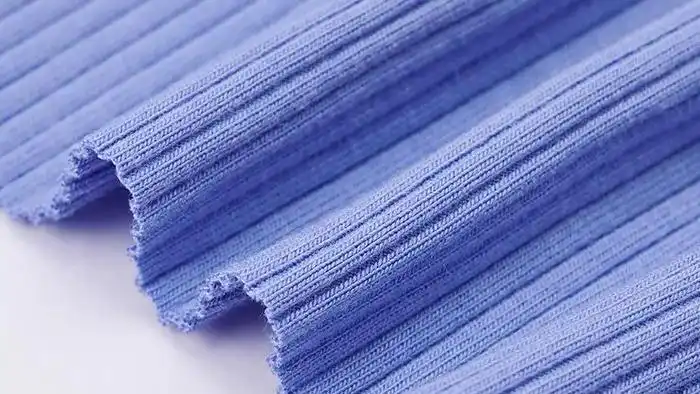
People can spot ribbed texture fabric by looking for certain features. The most obvious sign is the presence of vertical ribs that run up and down the surface. These ribs create a pattern of raised and recessed lines. When someone touches the fabric, it feels soft and elastic. The material stretches easily and returns to its original shape. Ribbed fabric often feels thicker than plain knits. The ribs can be narrow or wide, which changes how bold the texture looks. Narrow ribs give a subtle effect, while wide ribs stand out more.
Tip: Ribbed fabrics allow air to pass through, making them comfortable in different temperatures. The raised texture also helps keep warmth in, which is great for cooler weather.
Tips for Selecting the Right Ribbed Fabric
Choosing the right ribbed fabric depends on the project. People should check the width of the ribs. Tighter patterns, like 1×1 ribs, stretch more and fit closely. These work well for activewear and clothes that need to move with the body. Wider ribs, such as 3×3, give a structured look. These suit formalwear or statement pieces. The feel of the fabric matters too. Soft and smooth finishes last longer and feel better on the skin.
Here are some tips for picking the best ribbed fabric:
- Look for even, straight ribs with no gaps.
- Test the stretch by pulling the fabric gently. Good ribbed fabric should snap back into shape.
- Choose heavier weights for jackets or sweaters and lighter weights for t-shirts or dresses.
- Check the drape by holding the fabric up. A nice drape means the garment will hang well.
Factors to Consider
Several factors help people decide which ribbed fabric to use:
| Factor | Why It Matters |
|---|---|
| Fabric weight | Heavier fabrics last longer and feel more premium. |
| Drape | Good drape makes clothes look and fit better. |
| Ribbing consistency | Even ribs prevent stretching out or twisting. |
| Stretch and recovery | The fabric should stretch and return to shape easily. |
| Finish | A soft touch and little pilling mean longer wear. |
People should match the rib width and weight to the garment type. For example, sportswear needs stretchy, tight ribs, while formalwear looks best with wider, structured ribs. The right choice makes sure the finished piece is both comfortable and stylish.
Custom Ribbed Texture Fabric and Sourcing
Customization Options for Designers and Brands
Fashion designers and brands want their clothes to look special. Custom ribbed texture fabric gives them lots of choices. They can pick wide ribs or narrow ribs for different looks. Narrow ribs make clothes look smooth and neat. Wide ribs make the fabric look bold and stand out. Designers can also choose custom patterns and jacquard designs for cool shapes or pictures. Some brands use printed or dyed rib knits to add color. Brushed rib knits feel extra soft and comfy.
| Customization Option | Description |
|---|---|
| Wide and Narrow Rib Options | Narrow ribs for sleek looks, wide ribs for bold textures. |
| Custom Patterns and Jacquard Designs | Unique motifs and patterns for brand identity. |
| Advanced Customization Options | Jacquard rib fabrics, printed and dyed rib knits, brushed rib knits for enhanced texture. |
Designers sometimes use ottoman rib for garments that need to maintain their shape. Cord rib is suitable for creating durable and stylish clothing. These choices help brands create garments that align with their own philosophy and consumer needs. Today, many brands require the use of eco-friendly rib fabrics. These fabrics are made from organic cotton or recycled fibers. The rise of athleisure has also led to a greater preference for ribbed knit sportswear. Furthermore, online shopping has made stretchy and comfortable fabrics even more popular.
Suerte Textile Fabric Supplier
Suerte Textile is a trusted custom fashion fabric company with 14 years of industry experience. You can order fabrics as low as 300 kg. They ship quickly, typically sending samples within 3 to 5 days. Suerte offers a variety of fabric customization options, including different finishing processes and styles. Customers can receive physical samples to verify quality.
| Feature | Suerte Textile | Other Suppliers |
|---|---|---|
| Minimum Order Quantity (MOQ) | 300kg | Typically higher |
| Sample Turnaround Time | 3-5 days | Often longer |
| Customization Options | Extensive, including various processes | Limited options |
| Experience | 14 years in the industry | Varies widely |
| Quality Assurance | Physical samples provided | May not offer samples |
Suerte helps with market research and finding new customers. They also help with legal rules. Their team gives advice and shares important details. Brands can use Suerte’s services to get what they need. Many clients like that Suerte handles everything from design to making the fabric. Suerte helps designers turn their ideas into real products with custom fabric.
Tip: Custom ribbed fabric from Suerte helps brands make clothes that fit their style and follow new trends.
Ribbed texture fabric is also called rib knit or ribbed knit. This fabric is stretchy, comfy, and looks nice. Designers should think about a few things when picking ribbed fabric.
- Stretch and recovery help clothes keep their shape.
- The weight and material change how the fabric hangs and lasts.
- Some rib patterns work best for cuffs or sports clothes.
- Good ribbed fabric makes clothes look cool and work well.
| Consideration | Recommendation/Statistic |
|---|---|
| Elasticity | Keeps 92% stretch after 15,000 uses |
| Durability | Can make clothes last up to 24 months longer |
Choosing the right ribbed fabric can make any project look better and work better.
FAQ
What are the main differences between rib knit fabric and regular knit fabric?
Ribbed knit fabric has raised vertical lines, making it more elastic than regular knit fabric. Regular knit fabric, such as plain knit fabric, has a smooth, flat feel. Ribbed knit fabric holds its shape better and is ideal for areas like cuffs and belts.
Can rib fabric be used in summer clothing?
Yes, lightweight rib fabrics, such as rib knit fabric, are perfect for summer wear. They are breathable and have a soft, comfortable feel. Many T-shirts and vests use rib fabric for comfort.
How to care for rib fabric?
Turn rib fabric inside out and wash in cold water. Select a gentle cycle and avoid high temperatures when tumble drying. This helps the fabric retain its shape and prevents shrinkage.
Which garments use ribbed fabric the most?
| Garment Type | Common Use of Ribbed Fabric |
|---|---|
| T-shirts | Neckbands, sleeve cuffs |
| Sweatshirts | Waistbands, cuffs |
| Sweaters | Entire garment or trims |
| Activewear | Fitted tops, leggings |
Is ribbed fabric suitable for beginners to sew?
Ribbed fabric works well for beginners. It stretches and recovers easily. Simple projects like hats, scarves, or cuffs help new sewers practice with stretchy materials.