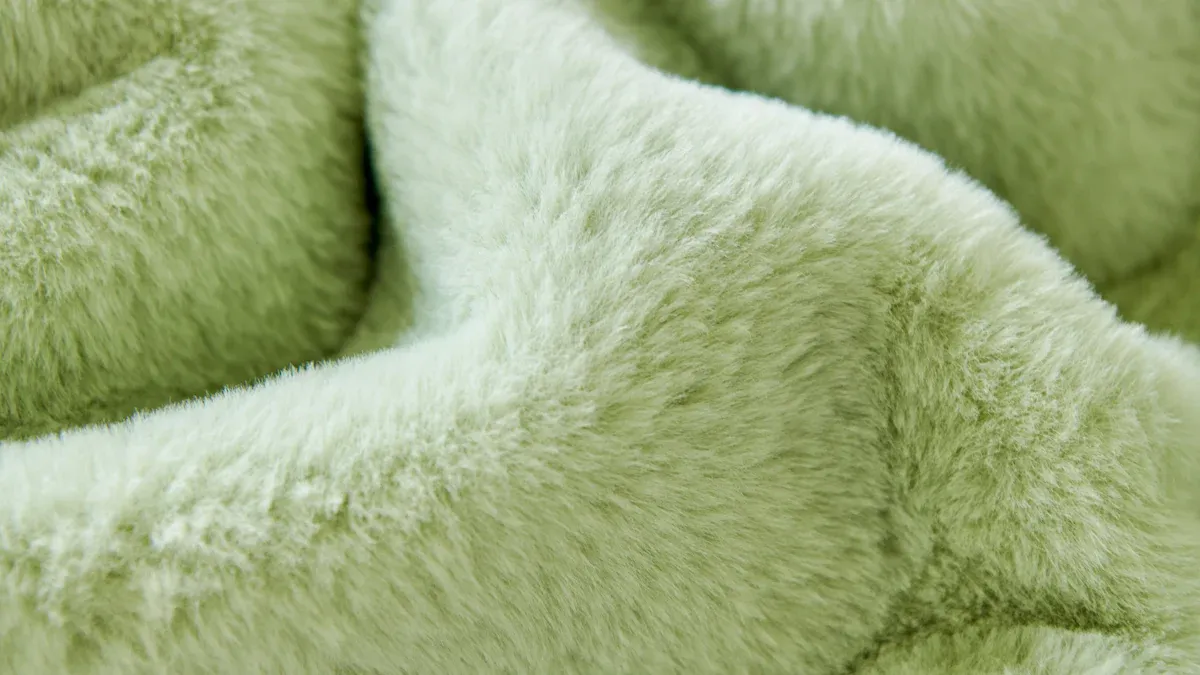
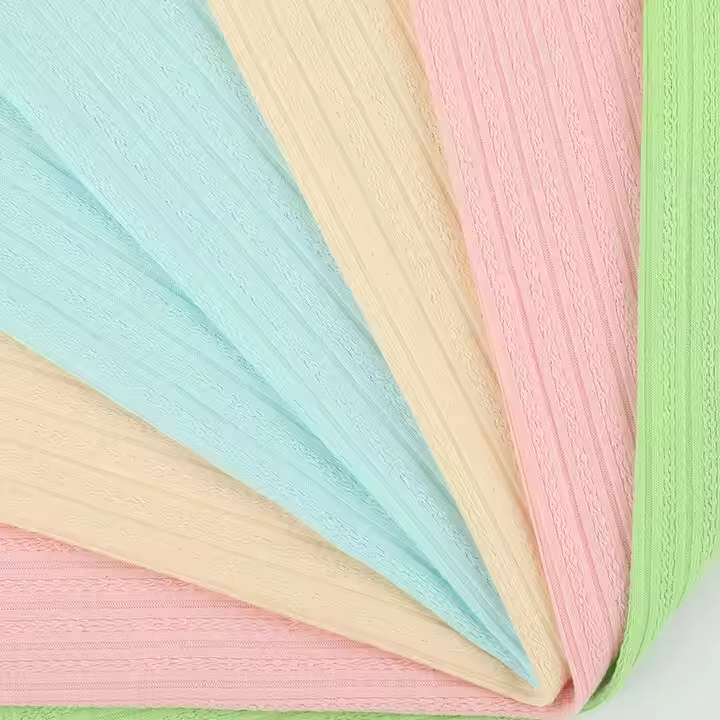
Jersey apparel fabric transforms the way people experience clothing. The unique knit structure of jersey apparel fabric provides exceptional stretch and softness, supporting movement and effective moisture management. This makes jersey apparel fabric an excellent choice for both activewear and everyday fashion. Studies indicate that athletes wearing jersey apparel fabric report enhanced comfort, improved breathability, and reduced irritation during sports activities. Surveys also show that most players and fitness enthusiasts prefer jersey apparel fabric for its superior fit and softness. The versatility of jersey apparel fabric makes it ideal for comfortable clothing and stylish fashion, offering breathability and stretch for all-day wear.
Key Takeaways
- Jersey fabric offers exceptional stretch, softness, and breathability, making it perfect for both activewear and everyday clothing.
- Its unique knit structure helps manage moisture and keeps the wearer cool and comfortable during physical activities.
- Jersey fabric moves with the body, providing flexibility and support for a wide range of sports and daily movements.
- The fabric is durable, easy to care for, and maintains its shape and color even after many washes.
- Innovations in jersey fabric include eco-friendly materials and advanced technologies that improve comfort and sustainability.
Defining Jersey Apparel Fabric
Key Characteristics of Jersey Fabric
Jersey apparel fabric stands out for its unique stretch, softness, and adaptability. Originally made from wool, jersey now uses cotton, cotton blends, and synthetic fibers. The fabric features a knitted structure that gives it excellent stretch and a smooth surface. This structure allows jersey fabric to move with the body, making it ideal for both activewear and daily clothing.
Jersey fabric comes in two main types: standard (single knit) and double-knit (interlock). Single knit jersey has a smooth side and a piled side, while double-knit jersey feels smooth on both sides. The weight of jersey fabric ranges from light to medium, which affects its drape and feel. Cotton jersey offers absorbency and breathability, making it comfortable for all-day wear. When spandex is added, the stretch and recovery improve, helping the fabric keep its shape after movement. Studies show that fiber content and knit structure play a big role in the softness, stretch, and durability of jersey. The use of elastomeric yarns like spandex boosts recovery and overall fabric strength.
Tip: The softness and breathability of jersey fabric make it a favorite for t-shirts, dresses, and sportswear.
Jersey vs. Other Fabrics
Jersey fabric differs from other materials in several important ways. Research shows that single jersey fabrics have the lowest thermal resistance and the highest water vapor permeability among knit structures. This means jersey fabric keeps the wearer cool and dry during high activity or warm weather. The fabric’s porosity and stitch type increase air flow, which adds to its breathability. In contrast, interlock and rib knits provide more warmth and less air movement, making them better for cold conditions.
A comparison table helps highlight these differences:
| Feature | Jersey Fabric | Interlock Knit | Rib Knit |
|---|---|---|---|
| Stretch | High | Moderate | Moderate |
| Softness | High | High | Moderate |
| Breathability | High | Moderate | Low |
| Thermal Resistance | Low | High | High |
| Best Use | Activewear, T-shirts | Winter wear | Sweaters |
Jersey apparel fabric offers a balance of stretch, softness, and breathability that many other fabrics cannot match. Its unique stretch and comfort properties make it a top choice for both performance and everyday fashion.
Jersey Fabric in Activewear
Performance and Comfort Benefits
Jersey fabric plays a vital role in the world of activewear. Its knit structure allows for high air permeability and efficient moisture-wicking. These features help athletes stay dry and cool during intense activities. Statistical analysis shows that fabric parameters such as air flow, sweat volume, and moisture management have a strong impact on drying performance. The regression model from a referenced study explains over 77% of the variation in drying performance. This means jersey fabric helps sweat evaporate quickly, which boosts comfort and keeps the body at a stable temperature.
Synthetic fibers in jersey fabric, such as polyester, enhance moisture-wicking properties. These fibers move sweat away from the skin and allow it to dry faster than natural fibers. Athletes benefit from this because they experience less irritation and can focus on their performance. The softness and breathability of jersey fabric also add to the comfort, making it a favorite for activewear. Many brands choose jersey for its ability to combine comfort, stretch, and moisture-wicking in one fabric.
Note: The unique stretch and excellent stretch of jersey fabric support a wide range of movements, making it ideal for both high-impact sports and low-intensity activities.
Flexibility and Movement in Sportswear
Jersey fabric stands out for its stretchability and adaptability. The elasticity of stretch jersey allows the fabric to move with the body, providing freedom without losing shape. Research documents that highly stretchable jersey fabric can flex with the wearer’s movements, ensuring the garment stays comfortable and fits well. This flexibility is important for sportswear, where athletes need clothing that supports every motion.
- Lycra yarn, often blended into stretch jersey, can stretch up to 500% and return to its original shape.
- This elasticity helps sportswear maintain its fit during activities like jogging, cycling, or yoga.
- Lycra blends in jersey fabric improve fit, shape retention, and durability.
- Garments made from stretch jersey resist sagging and support the body, even during intense exercise.
The combination of stretch, softness, and adaptability makes jersey fabric a top choice for sportswear. Athletes can rely on comfortable jersey-fit apparel that moves with them and provides lasting support.
Popular Activewear Products Featuring Jersey (including Suerte)
The global demand for activewear made from jersey fabric continues to rise. Market trends show that the jersey fabric market is growing at about 5.2% each year, driven by the popularity of athleisure and performance clothing. At major trade fairs, manufacturers highlight innovations in jersey, such as moisture-wicking and sustainable materials. These features appeal to consumers who want both comfort and eco-friendly options in their clothing.
Jersey fabric’s versatility and breathability make it a favorite for a wide range of activewear products. Brands like Suerte use advanced production techniques to create high-quality custom jersey fabrics for leggings, t-shirts, sports bras, and training tops. Suerte’s expertise in digital printing, dyeing, and embroidery allows for extensive customization, meeting the needs of athletes and fitness enthusiasts. The company’s focus on cost control, design support, and quick response times helps it deliver innovative activewear solutions.
Jersey fabric adapts to fashion trends while maintaining performance. Its stretch, moisture-wicking, and durability meet the needs of modern consumers who want stylish, functional, and comfortable clothing. The shift toward seasonless and value-driven clothing further supports the popularity of jersey in activewear. Suerte and other brands continue to lead the way by offering products that combine performance, comfort, and sustainability.
Innovations and Sustainability in Jersey Fabric
Eco-Friendly and Sustainable Jersey Options
The textile industry is moving toward sustainable fashion and eco-friendly practices. Many companies now use waste materials, such as orange and citrus peels, to make new fabrics. These are often blended with lyocell fibers to create soft and strong jersey. Plant-based leathers made from crops like pineapple, cactus, and corn are also becoming popular. These materials use carbon-neutral processes, which help protect the environment.
Digital tools like knit-on-demand and 3D virtual customization help reduce fabric waste. Brands are adopting slow fashion, encouraging people to buy fewer clothes and keep them longer. Certifications such as Fair Trade Certified, Global Organic Textile Standard, and Oeko-Tex show that a fabric meets high standards for safety and sustainability. Factories are also using solar energy and recycling water to lower their impact on the planet.
Consumer interest in sustainable fashion is growing. People want clothing that is both stylish and good for the environment. Jersey fabric fits this trend because it can be made from recycled or plant-based fibers. Its durability and easy care also support slow fashion. As more brands and consumers choose eco-friendly options, jersey fabric will continue to play a key role in the future of sustainable fashion.
Jersey fabric has changed the way people think about clothing. Designers choose jersey for its stretch, breathability, and comfort. Many athletes and everyday users rely on jersey for its ability to move with the body. Jersey stands out in both activewear and daily outfits. New technology keeps jersey at the front of fashion. People value jersey for its durability and easy care. Jersey continues to set the standard for modern clothing.
Jersey remains a top choice for those who want comfort and style every day.
FAQ
What makes jersey fabric different from other fabrics?
Jersey fabric uses a special knit structure. This gives it more stretch and softness than woven fabrics. It also allows for better breathability and comfort in both activewear and daily clothing.
How should someone care for jersey fabric clothing?
People should wash jersey fabric in cold water. They should use gentle cycles and avoid high heat when drying. This helps keep the fabric soft and prevents shrinking or fading.
Can jersey fabric be used for both sportswear and casual wear?
Yes, jersey fabric works well for both. Its stretch and moisture-wicking features make it great for sports. Its softness and style make it popular for everyday outfits like t-shirts and dresses.
Is jersey fabric suitable for sensitive skin?
Jersey fabric often feels soft and smooth. Many people with sensitive skin find it comfortable. Cotton and bamboo jersey fabrics are especially gentle and less likely to cause irritation.
What sustainable options exist for jersey fabric?
Some jersey fabrics use recycled polyester or plant-based fibers. Brands now offer eco-friendly choices, including organic cotton and blends made from renewable resources. These options help reduce environmental impact.