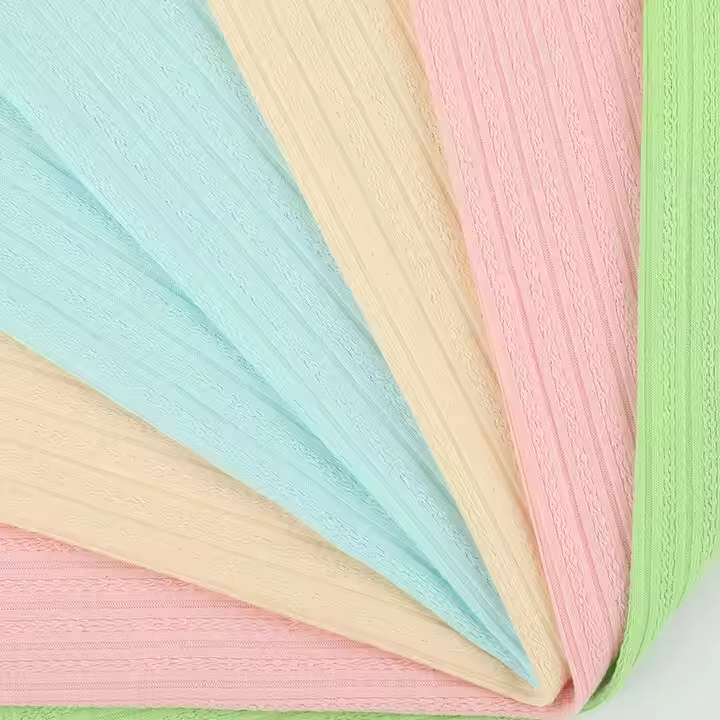
Fleece fabric is primarily made from polyester fibers. Manufacturers often use recycled plastic to create this soft and warm fabric. Some brands blend polyester fibers with natural fibers such as cotton or bamboo. These materials help create fabrics that provide warmth in the winter.
- Many people like fleece fabric because it is lightweight and provides excellent insulation.
Key Takeaways
- Fleece fabric is primarily made from polyester fibers. These fibers are warm but not bulky. Recycled fleece fabric is made from recycled plastic. This helps reduce waste and is good for the environment. At the same time, it still maintains good quality. Blending polyester fibers with natural fibers such as cotton or bamboo can make it even softer. These blended fabrics are also more environmentally friendly. Fleece fabric comes in different types. Some are classic, and some are microfleece. Each type meets different needs, such as warmth or breathability. Choosing recycled or organic fleece fabric is a smart choice. It helps protect the planet and create a better environment for the future.
Main Material In Polar Fleece Fabric
Polyester Fibers
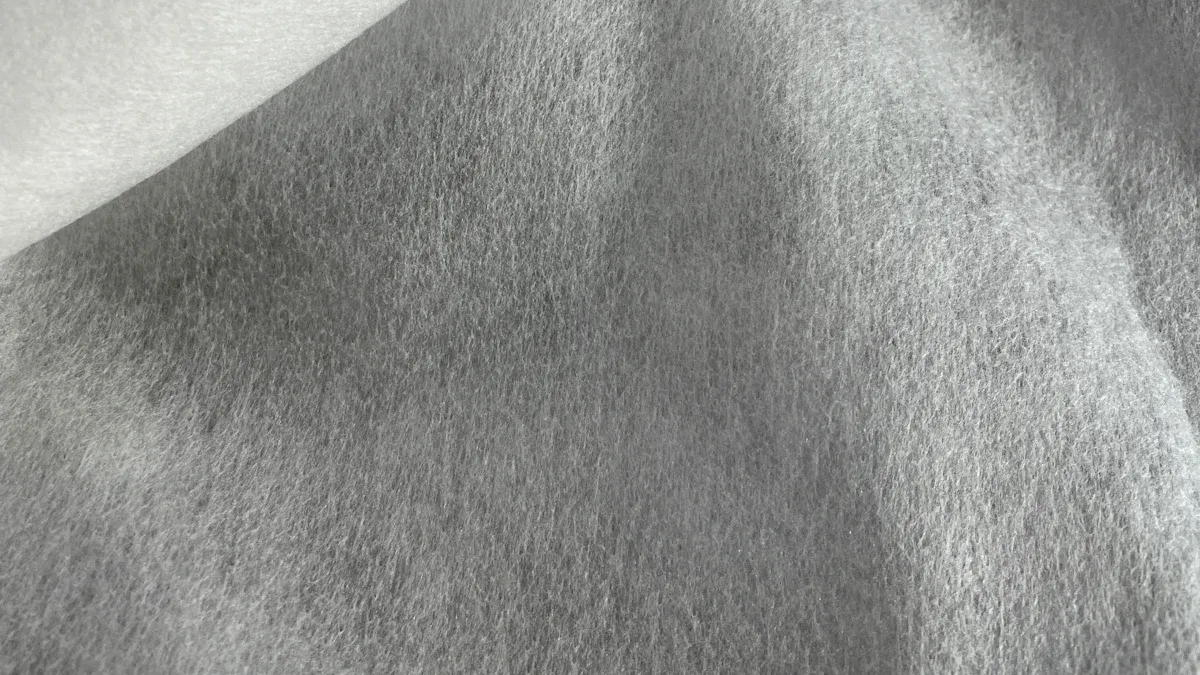
Most fleece fabrics are made from polyester fibers. Polyester fibers are used because they are warm but not bulky. This makes fleece fabric ideal for winter clothing and blankets. Polyester fleece fabric has excellent insulation properties. It helps keep people warm in cold weather. The fibers allow air to circulate through the fabric. This means that sweat can evaporate, keeping you comfortable. This is very useful for people who wear fleece fabric while engaging in outdoor activities.
Polyester fleece fabric is also strong and durable. The fibers do not stretch or shrink easily. Clothes made from it maintain their shape even after multiple washes. Many people like polyester fleece fabric because it is soft to the touch. It is a preferred fabric for everyday wear and sportswear.
Some brands, such as Suerte, blend polyester fibers with natural fibers. They use materials such as organic cotton or bamboo fibers. These blended fabrics are even softer to the touch. They are ideal for those who want environmentally friendly fleece fabric.
Recycled Polar Fleece Sources
Recycled fleece fabric uses polyester fibers from old plastics, such as water bottles. This helps reduce waste and is better for the planet. Many companies now use recycled polyester fibers to produce environmentally friendly and high-quality fleece fabrics.
The production cost of fleece fabric can vary depending on the type of polyester fiber used. The table below shows a cost comparison between recycled and virgin polyester:
| Type of Polyester | Cost Comparison |
|---|---|
| Recycled Polyester (Mechanical) | 10–20% cheaper than virgin |
| Recycled Polyester (Chemical) | 15–20% more expensive than virgin |
Recycled fleece fabric is just as warm and comfortable as regular fleece fabric. It also reduces waste, thus protecting the environment. Some brands, such as Suerte, use organic cotton or bamboo fibers in their fleece products. Other brands, such as Kinderel, also use bamboo fibers in their fleece products.
Note: Choosing recycled fleece fabric or fabrics blended with natural fibers helps make the textile industry more environmentally friendly.
How Polar Fleece Fabric Is Made
Fiber Processing
The production of fleece fabric begins with fiber processing. Manufacturers use polyester fibers, or blend them with cotton or bamboo fibers. They process these materials into soft yet strong yarns. Multiple steps are involved to ensure the fabric is smooth to the touch and durable.
The table below lists the main steps in making fleece fabric from polyester fibers:
| Step Number | Process Step |
|---|---|
| 1 | Machine Adjustment |
| 2 | Weaving |
| 3 | Degreasing and Dyeing |
| 4 | Adding a Napping Agent |
| 5 | Dehydration |
| 6 | Drying |
| 7 | Bristle |
| 8 | Combing |
| 9 | Shearing |
| 10 | Pilling On |
| 11 | Heat Setting |
| 12 | Rolling |
| 13 | Packing |
Each step contributes to making the fabric soft, clean, and easy to process. Degreasing and dyeing give the fabric color and remove impurities. Brushing and combing make the fabric surface smooth and fluffy.
Knitting And Napping
AfAfter fiber processing is complete, manufacturers use weaving machines for weaving. They weave the yarns tightly, making the fabric strong, durable, and resistant to deformation. Some companies, such as Suerte, use special machines to maintain the fabric’s softness and durability.
Next is the napping process. Workers brush the surface of the fabric, causing the fibers to stand up. This creates a layer of air between the fibers. This air layer helps make the fabric warmer and softer. Napping also traps heat, making fleece fabric lightweight yet warm.
Tip: Napping is crucial for making fleece fabric comfortable and warm. It increases softness and helps the fabric retain heat, making it ideal for cold weather.
The knitting and napping processes help fleece fabric remain strong and durable.
Types Of Polar Fleece
Fleece fabrics come in a wide variety of types, each with its unique characteristics and uses. Consumers can choose from classic, lightweight, or eco-friendly blended options. These fabrics are suitable for making garments such as jackets and hoodies.
Classic And Microfleece
Classic fleece fabric is thick and warm, making it ideal for winter clothing and outdoor gear. Many people use it for making jackets and blankets. Some classic fleece fabrics contain natural fibers, making them even softer and more comfortable.
Microfleece is thinner and lighter than classic fleece. It is more breathable and wicks moisture quickly, making it ideal for sportswear. Microfleece is typically made from polyester fibers, is quick-drying, and has a soft feel. People often use microfleece for linings and lightweight hoodies.
| Feature | Classic Polar Fleece | Microfleece |
|---|---|---|
| Breathability | Less breathable | More breathable |
| Moisture-wicking | Moderate | Superior |
| Material Composition | May contain natural fibers | Primarily synthetic fibers |
- Microfleece is suitable for use as a jacket lining.
- Classic fleece provides better warmth in winter.
Tip: If you need to be active, choose microfleece; if you want warmth, choose classic fleece.
Blended And Organic Options
Blended fleece fabrics are made by blending polyester fibers with cotton or bamboo fibers. These blended fabrics are soft to the touch and more environmentally friendly. Suerte offers a variety of softshell fleece fabrics, including sweatshirt fleece, hoodie fleece, and sweater fleece. Each fabric is suitable for different garments.
Anti-pilling fleece fabrics use tightly woven fibers to effectively prevent pilling. This keeps garments looking new even after multiple washes. Anti-pilling fleece is ideal for frequently worn jackets and hoodies.
| Feature | Anti-Pill Fleece | Regular Fleece |
|---|---|---|
| Pilling Resistance | High | Low |
| Softness | Maintains softness | May lose softness |
| Appearance | Stays fresh | May appear worn |
High-loft fleece fabrics are thick and fluffy, trapping more air and providing extra warmth. High-loft fleece is commonly used for blankets and winter coats.
Softshell fleece fabrics come in many varieties, including brushed fleece and high-loft fleece. They can be used to make jackets, hoodies, and sportswear. With such a wide variety of fleece fabrics available, there’s something for everyone.
Environmental Impact Of Recycled Polar Fleece
Sustainability Benefits
Recycled polar fleece is good for the environment in many ways. When companies use recycled stuff, they need Recycled fleece fabrics benefit the environment in many ways. By using recycled materials, companies can reduce the need for new plastics, thus reducing landfill waste. Producing recycled fleece fabrics uses less water and energy than producing new fabrics. Up to 7.5 liters of water can be saved per yard of fabric.
Recycled fleece fabrics also help reduce pollution. Here are some of the main advantages:
- Recycled polyester produces 42% less greenhouse gases than new polyester.
- It produces 60% less emissions than virgin staple fibers.
- Using recycled polyester, factories can save 50% on energy and reduce CO2 emissions by 70%.
These savings help keep the air and water clean. People who choose recycled fleece fabrics are contributing to protecting the planet. This fabric still provides excellent warmth, making it ideal for winter clothing.
Recyclability And Eco-Friendly Choices
Many brands are now offering eco-friendly fleece fabrics. Some brands use blends of organic cotton or bamboo fibers. These fabrics are soft to the touch and provide the same warmth as regular fleece. At the same time, they reduce environmental impact and help protect the planet.
When purchasing recycled fleece fabrics, consumers can look for specific labels. These labels indicate that the fabric is safe, reliable, and produced using environmentally friendly methods.
| Certification Name | Description |
|---|---|
| Recycled Polyester Certification | Indicates that the fleece fabric is made from recycled plastic, helping to reduce waste. |
| OEKO-TEX | Ensures the fabric is safe for human use by testing for harmful chemicals. |
| Bluesign | Indicates that the fabric production process prioritizes resource conservation and worker safety. |
Some governments offer tax incentives to companies that use recycled materials. Others invest in green technologies to make factories more environmentally friendly. By choosing recycled or organic fleece fabrics, people can contribute to protecting the planet. This fabric is warm and ideal for making winter jackets and hoodies.
Fleece fabric is both warm and soft in winter. Manufacturers use polyester fibers, recycled materials, and sometimes natural fibers to create fleece fabrics. This allows them to produce a wide variety of fleece products. Understanding the fabric’s composition allows for more environmentally conscious choices. Many people are now looking for eco-friendly fleece fabrics. They choose recycled or organic blends to reduce waste and support brands that prioritize environmental sustainability.
- Consumers are concerned about the durability of fleece fabrics and whether they are environmentally friendly.
- Choosing eco-friendly fleece fabrics helps protect the planet and create a better future for future generations.
FAQ
What is fleece fabric primarily made of?
Fleece fabric is primarily made of polyester fibers. Some fleece fabrics use recycled polyester fibers, organic cotton, or bamboo fibers. These additional materials make the fabric softer and more environmentally friendly.
Can fleece fabric be recycled?
Yes, many fleece fabrics can be recycled. Factories often convert old plastic bottles into new fleece fabric. This helps reduce waste and saves valuable resources.
What are the differences between fleece fabric and wool?
| Feature | Polar Fleece | Wool |
|---|---|---|
| Weight | Lightweight | Heavier |
| Drying Speed | Fast | Slow |
| Care | Easy | Needs care |
Polar fleece is lighter than wool. It also dries much faster.
Is fleece fabric safe for sensitive skin?
Most people with sensitive skin find fleece fabric comfortable to wear. Blends with added organic cotton or bamboo fibers are even softer to the touch and help prevent skin irritation.