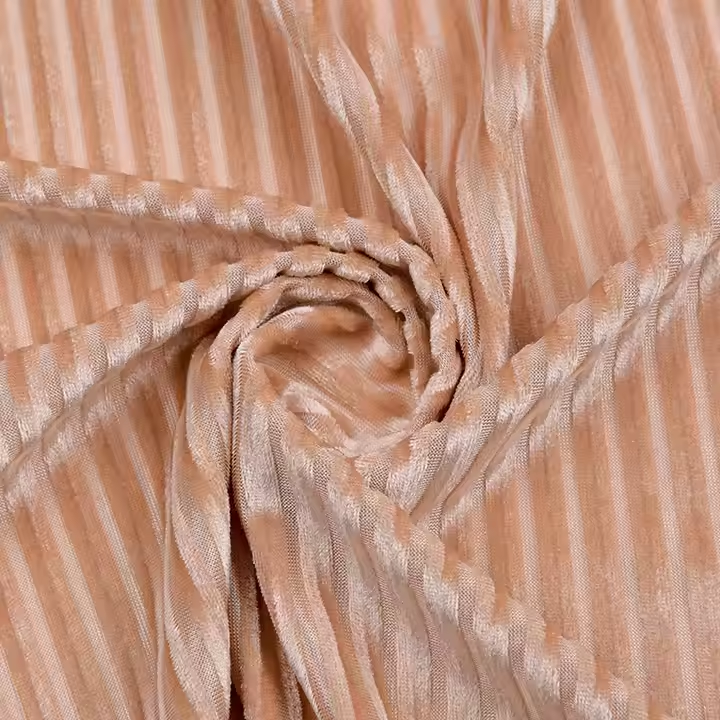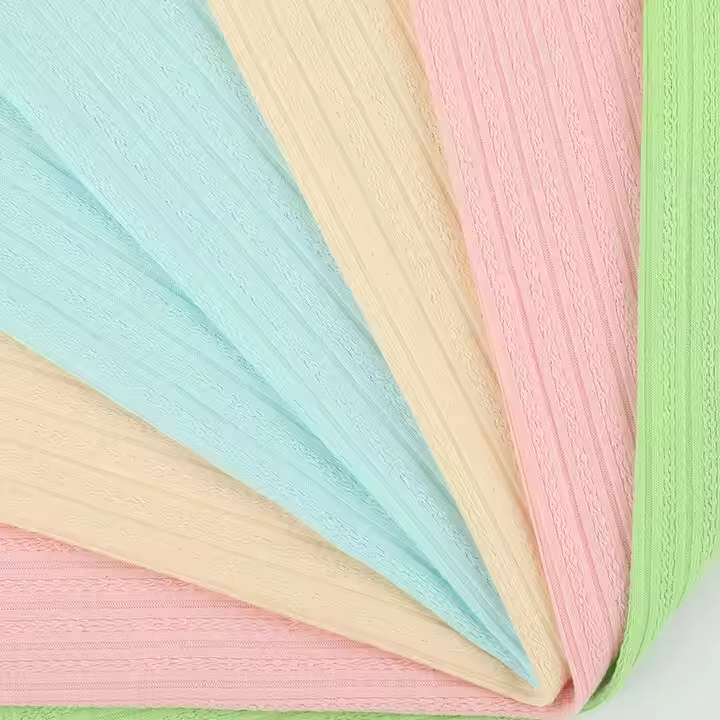
Jacquard fabrics are made using a special weaving method. This method weaves the pattern directly into the fabric. Designers and manufacturers utilize jacquard techniques to create distinctive textures and designs. These designs are quite different from printed fabrics. Jacquard patterns are formed during the weaving process, not afterwards. This makes the patterns more durable and more refined. Jacquard fabrics are versatile because they are suitable for a variety of fibers and styles.
Key Takeaways
- The pattern in jacquard fabric is woven into the fabric. This makes the patterns more durable and more refined.
- Special jacquard looms use perforated cards or computers for control. This helps to weave intricate and rich textures into the fabric.
- Jacquard fabrics come in many varieties, including brocade, tapestry, quilted fabric, and tapestry. Each type of jacquard fabric has its unique look and use.
- Common jacquard fabric fibers include cotton, silk, polyester, and wool. These fibers affect the fabric’s feel and strength.
- Jacquard fabric care: Wash gently, never use bleach. Air dry naturally to maintain its beauty and durability.
What is jacquard fabric?
Definition and Characteristics
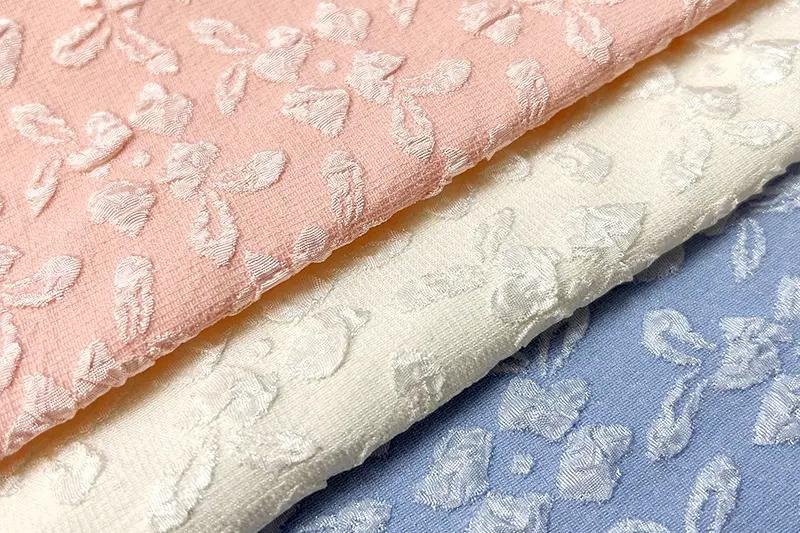
The unique feature of jacquard fabric lies in its manufacturing process. It employs a weaving method distinct from other fabrics. Jacquard is not merely a type of fabric, but a method of fabric production. Special looms weave the pattern directly into the fabric, rather than printing or sewing it in. These patterns become an integral part of the fabric itself, making it more durable and refined.
Designers love jacquard fabrics because of their substantial feel and stylish appearance. Jacquard patterns can be complex or simple, and the fabric features jacquard patterns on both sides, making it ideal for clothing, furniture, and home décor.
The table below lists the differences between jacquard fabrics and other fabrics:
| Feature | Jacquard Fabric | Other Fabrics |
|---|---|---|
| Pattern | Intricate woven patterns | Surface-applied patterns |
| Texture | Rich texture, multi-dimensional | Varies, often less textured |
| Durability | High structural integrity | Varies, often less durable |
| Design Complexity | High, with depth and elegance | Generally lower complexity |
| Visibility of Design | Visible on both sides | Typically one-sided |
| Use Cases | Formal wear, upholstery, home décor | Varies widely |
People inquire about jacquard fabrics because they are ubiquitous. From high-end clothing and exquisite bedding to cushions, jacquard is everywhere. The weaving process of jacquard fabrics makes them both durable and beautiful. Designers and brands love jacquard fabrics because they can create beautiful and durable patterns.
How jacquard fabric is made
Jacquard Loom Technology
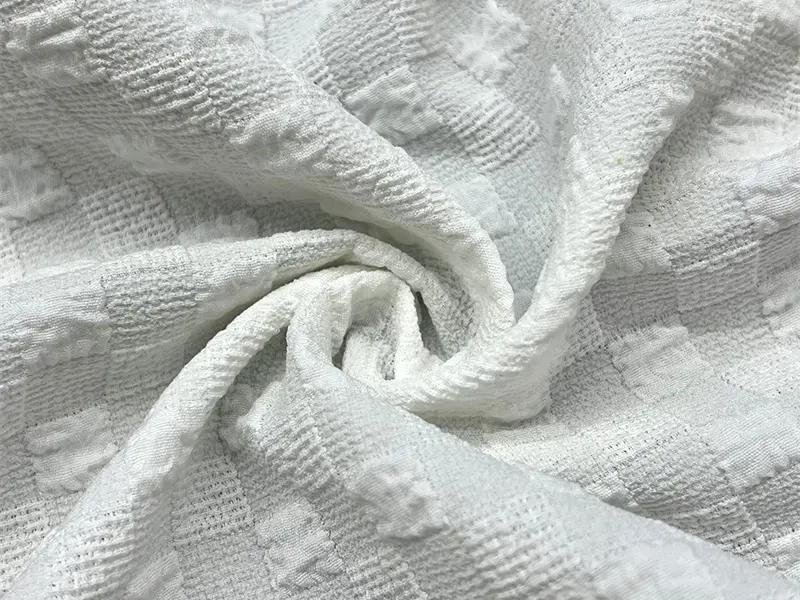
The jacquard loom revolutionized the way weaves. Invented in 1801 by Joseph Marie Jacquard, this unique loom used perforated cards to aid in its control. These cards instructed the loom on which threads should move up or down. This allowed the loom to weave intricate patterns without errors. Before this, weavers had to move the threads manually, a time-consuming and laborious process.
The jacquard loom made it easy to weave fine patterns quickly. Factories could mass-produce richly patterned fabrics. Furthermore, jacquard looms have a lower error rate, resulting in fabrics with a beautiful appearance. Over time, jacquard looms have continued to improve. Older looms used perforated cards, while newer looms use computers. These machines can move thousands of threads simultaneously. Designers can now weave patterns that were previously impossible.
Modern jacquard looms are vastly different from older models. They can move each warp thread independently, weaving extremely complex patterns. While slower than some other looms, they produce much finer patterns. Modern jacquard looms use computers instead of cards for control, making weaving faster and more precise.
Weaving Process
The creation of jacquard fabric begins with the drawing of the pattern. The designer draws the pattern on paper and then copies it onto graph paper. Each square represents a warp thread in the fabric. Vertical lines represent warp threads, and horizontal lines represent weft threads. The graph paper serves as the loom’s blueprint.
The main steps in weaving are:
- Pattern Design: The designer draws the pattern and prepares for weaving.
- Warp and Weft Representation: The pattern is copied onto graph paper, marking the position of each warp thread.
- Weaving Blueprint: The graph paper indicates how the jacquard loom should move each yarn.
- Weaving: The loom raises and lowers the warp threads by moving the weft yarns, thus creating the pattern on the fabric.
The weaving process gives jacquard fabrics a unique look and feel. Looms can weave double or multiple layers, increasing the fabric’s texture and dimension. High-density yarns make the fabric strong yet soft, while fine yarns make it smooth and even. Jacquard fabrics are less prone to tearing or fading and have good heat resistance, thus extending their lifespan.
Common Fibers Used
Jacquard fabrics can use a variety of fibers. The chosen fiber affects the fabric’s feel and appearance. Cotton is soft and breathable, suitable for clothing, towels, and sheets. Silk gives jacquard fabrics a smooth, shiny finish and is often used in high-end clothing and fine furniture. Polyester is strong, durable, and wrinkle-resistant, making jacquard fabrics more durable and less expensive. Wool is warm, comfortable, and has a unique feel, often used in winter clothing and blankets. Many jacquard fabrics use blended fibers, which combine the advantages of various fibers.
The table below lists the commonly used fibers in jacquard fabrics:
| Fiber | Characteristics | Preferred Use |
|---|---|---|
| Cotton | Soft, breathable, high absorbency | Clothing, towels, bed linens |
| Silk | Luxurious feel, lightweight, elegant drape | High-end fashion, luxury upholstery |
| Polyester | Durable, affordable, wrinkle-resistant | Functional textiles, long-lasting fabrics |
| Wool | Distinct texture, warmth, insulating properties | Winter clothing, blankets, upholstery |
| Blends | Combines qualities of different fibers | Versatile applications in many textile products |
Common Types of Jacquard Fabrics
Jacquard fabrics come in many varieties, each with a different look and feel. Some major types include brocade, tapestry, quilting, and tapestry. Each fabric uses a special weaving technique. They have wide applications in clothing and home décor.
Brocade
Brocade is known for its exquisite raised patterns. Weavers use extra threads to highlight the patterns, making the brocade look three-dimensional and luxurious. Many brocade fabrics use silk, gold, or silver threads, which give the fabric a shimmering and elegant appearance.
Damask Fabric
Damask fabric is made using a special weave. Warp and weft threads interweave to form patterns that are clearly visible on both sides of the fabric. Damask fabric typically has a slight sheen and a smooth feel. Its patterns are usually simpler than those of other jacquard fabrics.
| Feature | Damask | Jacquard (General) |
|---|---|---|
| Weave Structure | Interlaces warp and weft for raised areas | Uses specialized loom for intricate patterns |
| Visual Effect | Reversible pattern with subtle sheen | Wide range of designs with multiple colors |
| Pattern Complexity | More restrained patterns | Can produce complex photographic images |
Quilted Fabric
Quilted fabric looks like it’s quilted or stuffed, but it actually has no stuffing inside. The weaving technique makes the fabric soft and three-dimensional. Quilted fabric is often used to make bedspreads and pillows.
Tapestry
A tapestry is a jacquard fabric woven with intricate patterns. Weavers use a variety of colors to create scenes or images. Tapestries can be used for wall decoration, furniture, and pillows.
Today, tapestries are used as art pieces in homes and public spaces. They not only add beauty but also provide sound insulation and warmth. Designers use tapestries to blend classical art with modern styles.
Characteristics and Composition of Jacquard Fabrics
Woven, Not Printed
The unique feature of jacquard fabric is that its pattern is woven into the fabric itself, rather than printed on the surface. This weaving method makes the pattern durable and resistant to fading or peeling. Even with daily use, the pattern on jacquard fabric remains clear for a long time. The table below lists the differences between woven jacquard fabrics and printed jacquard fabrics:
| Fabric Type | Durability Characteristics | Design Characteristics |
|---|---|---|
| Jacquard Webbing | More durable, patterns resist fading and deformation | Three-dimensional, layered appearance, clear patterns |
| Printed Webbing | Less durable, patterns may fade or wear off | Flat appearance, wide range of colors and patterns |
Diverse Materials
A variety of materials are used to create jacquard fabrics. Common materials include cotton, silk, polyester, and their blends. These choices affect the look and feel of the jacquard fabric. Some people prefer luxurious fabrics, while others prefer easy-care fabrics. Now, more and more people want environmentally friendly jacquard fabrics. Natural and synthetic fibers each have their advantages. Designers choose the best fibers based on their needs.
Durability and Texture
Jacquard fabrics are tough, durable, and resistant to deformation. Tight weaving and high-quality dyes keep them vibrant and bright. Skilled workers create clear patterns and rich textures. Good finishing processes make the fabric soft and comfortable. Strict quality control ensures that only the highest quality fabrics reach customers.
Complexity
Jacquard patterns can be simple or complex. Complex patterns require more time and cost. Simple patterns are quick and inexpensive to produce. Intricate floral or patterned designs require higher costs. Suerte Textile helps brands choose patterns and designs that meet their needs.
Suerte Textile also allows small brands to order fabrics in small quantities. This helps them experiment with new jacquard designs. Their team provides advice on design, color, and pattern.
Jacquard Fabric Care
Cleaning and Maintenance
Jacquard fabrics require gentle care to maintain their beauty. Always check the care label before cleaning. The label will tell you the correct cleaning method. Most people choose gentle cleaning methods to protect the fabric. For small stains, spot cleaning works best. Gently blot the spilled liquid with a clean, damp cloth; this helps prevent damage to the fabric. Hand wash with cold water and a mild detergent. Never use bleach, as it will damage the fibers. Let the jacquard fabric air dry to maintain its shape. Do not place it in direct sunlight, or the colors may fade. Expensive jacquard fabrics with intricate patterns should be cleaned by a professional. If ironing, use a low heat setting and place a cloth over the fabric to prevent the iron from directly contacting it. Use a soft-bristled vacuum cleaner to remove dust and keep the fabric looking new.
Cost Considerations
The price of jacquard fabrics is affected by many factors. The choice of fabric will affect the price. Silk, wool, and cotton are more expensive, while polyester and nylon are relatively cheaper. Custom designs also affect the price. Small-batch production is more expensive due to the smaller quantity. Complex patterns require more time and effort, thus increasing costs.
Suerte Textile helps designers and brands save costs. They offer rapid sample reviews within 3-5 days, allowing clients to quickly review color, size, and processing options. Suerte provides a variety of services, such as digital printing, embroidery, and dyeing. Their machines produce high-quality fabrics at a lower cost. Designers can benefit from Suerte’s assistance and diverse options, making jacquard fabrics more accessible in their projects.
FAQ
What’s the difference between jacquard and printed fabrics?
Jacquard fabric has its pattern woven into the fabric itself. Printed fabric has its pattern printed only on the surface. Jacquard patterns are more durable and less prone to fading. Designers favor jacquard fabrics because of their luxurious feel and durability.
Can jacquard fabric be made from any fiber?
Manufacturers use cotton, silk, polyester, wool, or blended fibers to create jacquard fabrics. The chosen fiber affects the fabric’s feel and appearance. Cotton fabrics are soft. Silk fabrics have a bright sheen. Polyester fabrics are durable. Wool fabrics are warm.
Where is jacquard fabric most commonly used?
Jacquard fabrics are found in clothing, sofas, curtains, bedding, and pillows. Designers use them in dresses, coats, and other accessories. They are also frequently used in home décor because of their beauty and durability.
How to wash jacquard fabric?
Always read the care label before washing. Most jacquard fabrics require gentle washing. Use mild soap and cold water. Do not use bleach. Air dry in a cool, well-ventilated place, avoiding direct sunlight. For delicate garments, professional cleaning is recommended.
Is jacquard fabric expensive?
Prices depend on the type of fiber and the complexity of the pattern. Silk and wool jacquard fabrics are more expensive, while polyester fabrics are relatively cheaper. Custom designs will increase costs. Suerte Textile offers various options to help designers and brands save costs.