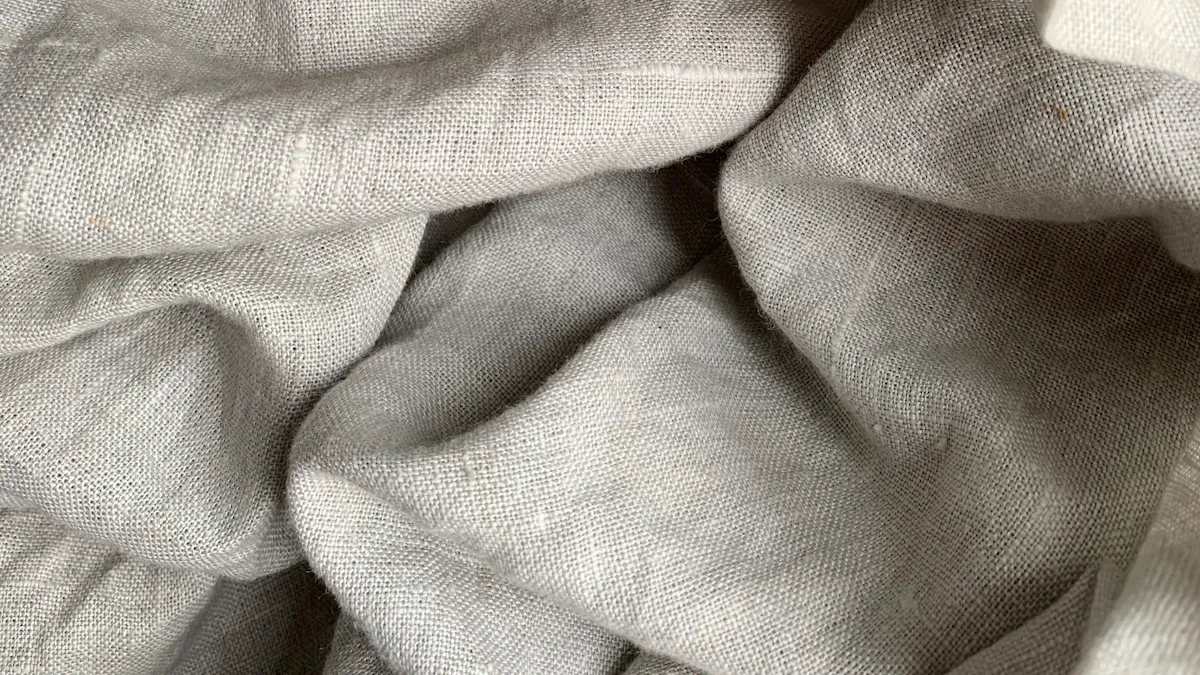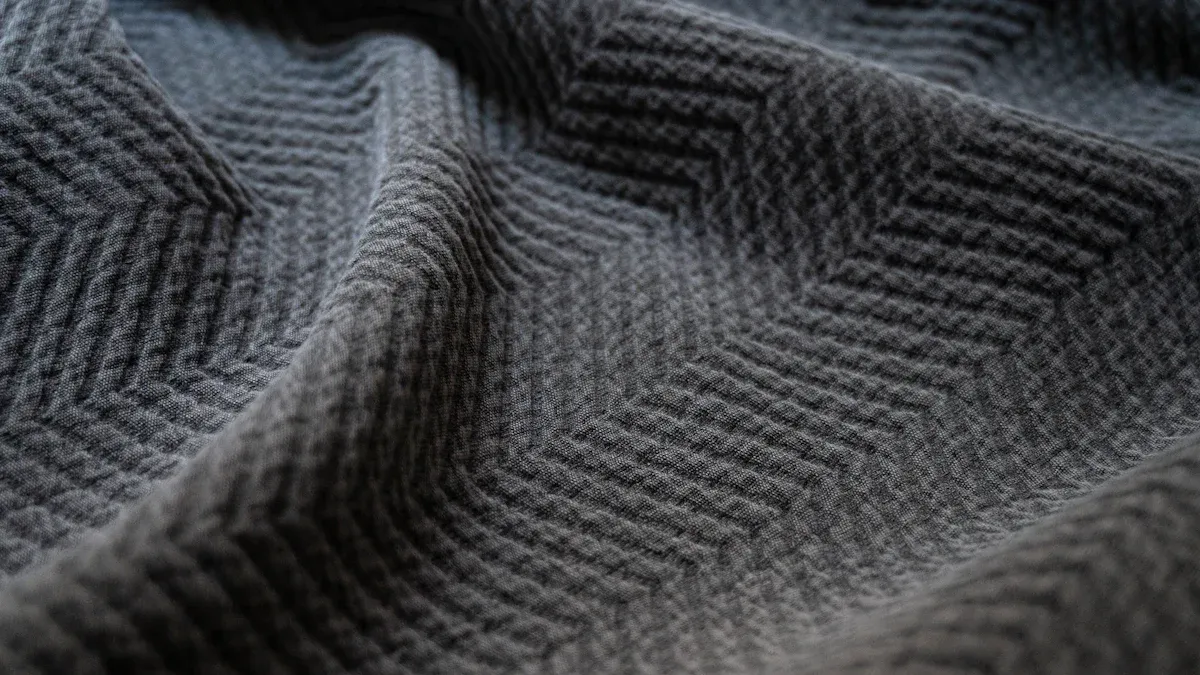
Ribbed knit is a double-sided fabric with good elasticity and resilience. You can see the alternating knit and purl stitches creating a pattern. These stitches make the fabric soft and flexible.
- Ribbed fabric makes clothing comfortable against the skin.
- Ribbed knit fabric retains its shape and elasticity even after multiple washes.
- This fabric is ideal for fitted garments and areas requiring durability, such as cuffs, collars, and hems.
Key Takeaways
- Rib knitting fabric can stretch and return to its shape. This makes it great for comfy clothes. The fabric has a special ribbed feel. It looks nice on both sides. This gives many ways to use it in designs. Rib knit is strong and keeps its shape after many washes. Your clothes will look new for a long time. This fabric works well for tight clothes like leggings and turtlenecks. It gives a close fit and moves with you. Take care of rib knit by washing in cool water. Lay it flat to dry. This helps it last longer and look good.
What Is Rib Knit Fabric?
Key Features
The most distinctive feature of rib knit fabric is its vertical ribs. These ribs originate from a special knitting method that alternates between knit and purl stitches. This knitting method gives the fabric a rich texture and a soft touch. You’ll find that rib knit fabric is beautiful on both sides, so it can be used on either side when sewing or designing garments.
Tip: Ribbed knit fabric has a soft touch and is ideal for close-fitting clothing.
Here are some of the key features of rib knit fabric:
- Excellent stretch in both directions
- Double-sided design for more styling options
- Soft and comfortable texture
- Vertical ridges add visual interest
- Commonly used for cuffs, necklines, and hems
- Perfect for garments that require a close fit
Stretch and Recovery
Ribbed knit fabrics have excellent elasticity, especially in the horizontal direction. When stretched, the ribs open; when released, the fabric quickly returns to its original shape. This means the fabric maintains good resilience after each wear or wash. Furthermore, the edges of ribbed knit fabrics do not curl easily, thus remaining flat and neat.
Let’s compare ribbed knit fabrics with other knit fabrics:
| Fabric Type | Stretch Characteristics | Recovery Characteristics | Stability | Curling |
|---|---|---|---|---|
| Rib Knit | Excellent in width | Bounces back well | Moderate | No |
| Jersey Knit | Natural stretch | Less stable | Low | Yes |
| Interlock Knit | Less stretch | More stable | High | No |
You can see that rib knit fabric offers the best stretch and great recovery. It works well for neckbands and cuffs because it holds its shape. Scientific studies show that rib knit fabric keeps its stretch and recovery over time, even after many uses. You get a fabric that feels good, looks good, and lasts.
Rib Knit Fabric Structure
Ribbed Pattern: Stretch and Durability
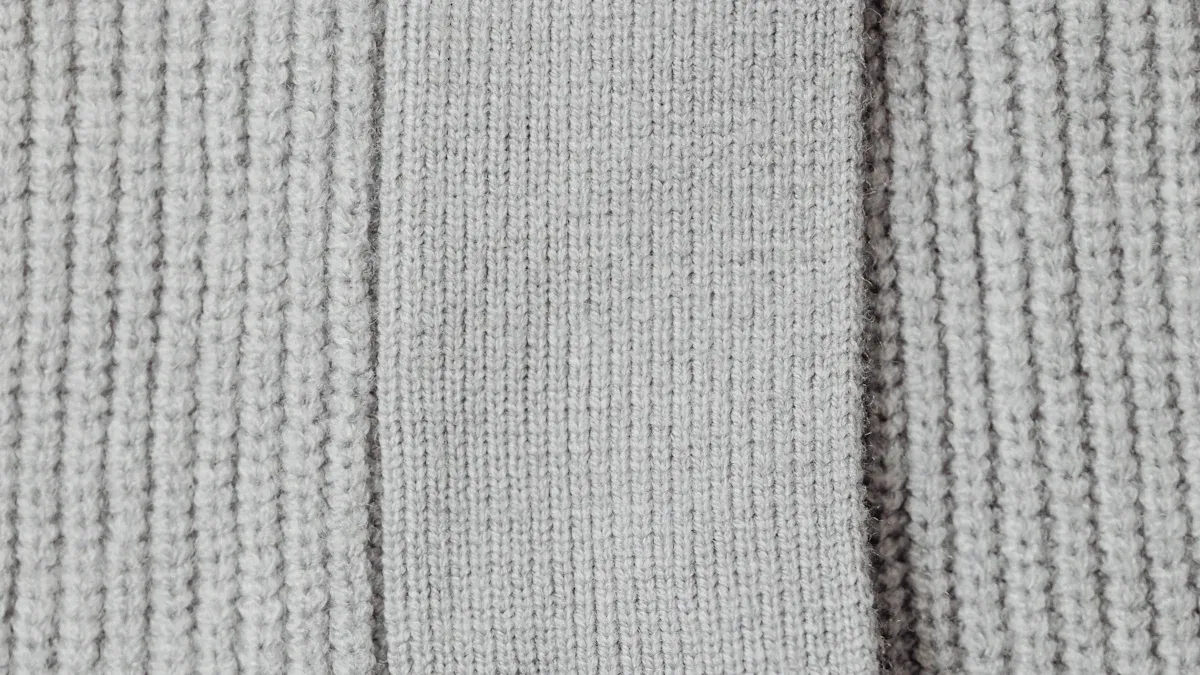
Ribbed knit fabric has undulating patterns called ribs. These ribs are created by alternating knit and purl stitches. These patterns give the fabric a textured, soft feel. Ribbed stitches help the fabric stretch laterally. This makes ribbed knit fabric ideal for making fitted garments such as sweaters and leggings. Ribbed stitches allow the fabric to stretch and return to its original shape after stretching. Therefore, your clothes will maintain their shape every time you wear them.
Note: Ribbed knit fabric looks good on both sides. It can be sewn on either side, making it reversible.
Ribbed knit fabric retains its shape and beauty even after multiple washes. It is less prone to wrinkling or pilling, keeping your garments looking new. The ribbed texture also helps extend the fabric’s lifespan. Therefore, it is ideal for cuffs, necklines, and hems.
- Ribbed knit fabric uses knit and purl stitches to create ribs.
- The ribs create an uneven surface that looks good on both sides.
- This fabric has excellent lateral stretch.
- Ribbed knit fabric retains its shape even after multiple washes and wears.
- This fabric is less prone to wrinkling or pilling, thus having a longer lifespan.
Common Rib Formations and Their Impact
Ribbed knit fabrics come in many types, each with its own unique pattern and elasticity. The most common types are 1×1, 2×2, and 3×3 rib knit fabrics. The numbers indicate the number of knit and purl stitches in each row.
| Rib Formation | Description | Stretchability Effect |
|---|---|---|
| 1×1 | One knit stitch and one purl stitch make ridges you can see. | This type stretches the most and is great for cuffs and tight clothes. |
| 2×2 | Two knit stitches and two purl stitches in a row. | This type stretches a little less but is still very stretchy. |
| 3×3 rib knits | Three knit stitches and three purl stitches in a row. | This type looks and feels different but still stretches well. |
Pick 1×1 rib knit fabric if you want the most stretch and a tight fit. If you need more movement and good recovery, 2×2 rib knit fabric is good for sports clothes. 3×3 rib knits give a new look and still stretch well.
| Rib Pattern | Elastic Recovery | Abrasion Resistance | Performance in Athletic Wear | Everyday Durability |
|---|---|---|---|---|
| 1×1 Rib | Excellent | Good | High | Long-lasting |
| 2×1 Rib | Very Good | Excellent | Very High | Durable |
What makes ribbed knit fabric special is its elasticity, resistance to deformation, and durability. You can use it to make a variety of garments, and it can maintain its comfort and shape for a long time.
Materials and Stretch in Rib Knit Fabric
Fiber Choices and Stretch
You can find rib knit fabric made from many types of fibers. Each fiber gives the fabric a different feel and level of stretch. Some fibers make the fabric soft, while others add strength or extra stretch. The most common fibers used in rib knit fabric include spandex, polyester, and cotton. Spandex adds a lot of stretch and helps the fabric snap back into shape. Polyester makes the fabric strong and long-lasting. Cotton feels soft and lets your skin breathe.
Here is a table that shows how each fiber helps the fabric:
| Fiber Type | Description |
|---|---|
| Spandex | Extremely stretchy, usually blended with cotton or polyester (2-5%) to enhance stretch and recovery. |
| Polyester | Durable, often used in activewear, can be blended with cotton. |
| Cotton | Soft, breathable, comfortable, commonly used for t-shirts and everyday wear. |
When you blend modal with spandex, you get even more stretch and better recovery. The amount of spandex in the blend matters a lot. More spandex means more stretch. If you want a fabric that hugs your body and keeps its shape, look for rib knit fabric with spandex.
Tip: Knit fabrics with high stretch recovery usually have spandex. If you want a looser fit, 100% cotton rib knits work well.
Factors Affecting Rib Knit Stretch
Many things can change how much rib knit fabric stretches. The type of yarn, the way the fabric is knitted, and Many factors affect the elasticity of rib knit fabrics. Yarn type, knitting method, and stitch type all have an impact. The structure of the knit fabric is crucial to its elasticity. Using different stitch types, such as knitting, not knitting, or picking up stitches, can alter the fabric’s elasticity.
Other factors include:
- Yarn type and thickness
- How tight is the knit
- Knitting machine setup
- Final steps, such as heat setting
Manufacturers take several steps to ensure good fabric elasticity:
- They select suitable yarns to ensure good elasticity and resilience.
- They set up the knitting machine to create an even rib.
- They use special knitting methods to form the rib structure.
- They check the quality and elasticity of the fabric.
- They process the fabric to allow it to retain its shape and elasticity over time.
Choosing rib knit fabric gives you a textile with excellent elasticity and lasting stretch. This makes it ideal for clothing that requires constant wear.
Uses of Rib Knit Fabrics
Rib Knit Fabrics in Form-Fitting and Body-Hugging Garments
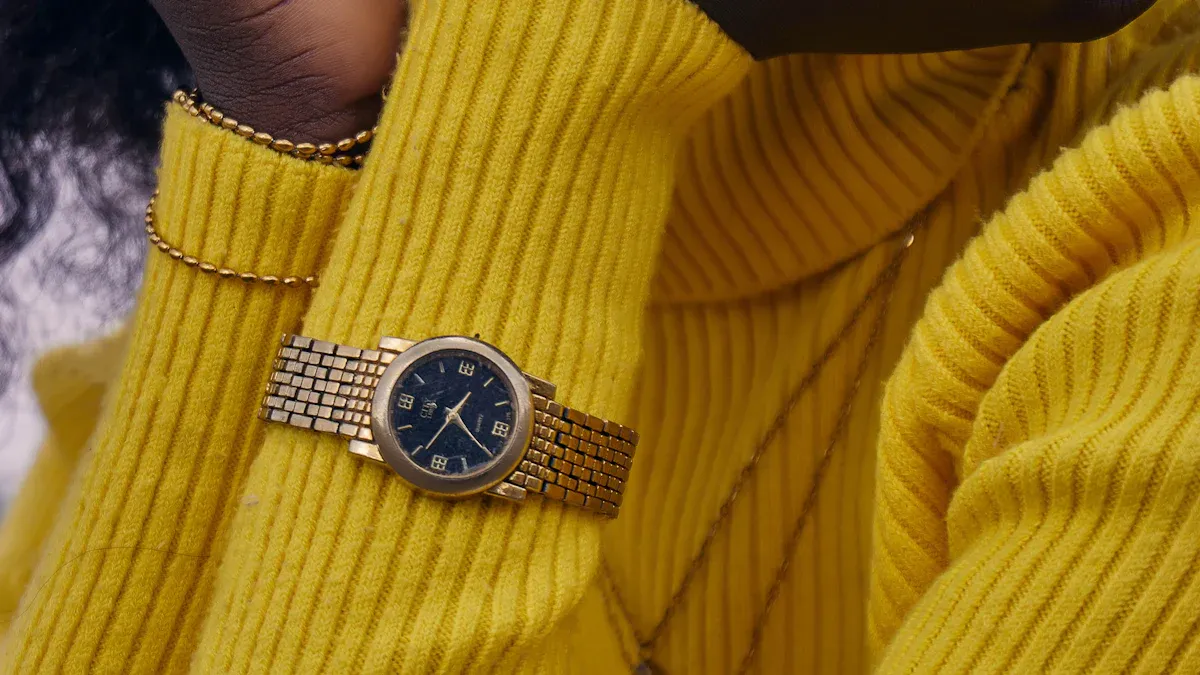
You’ll often see ribbed knit fabric in close-fitting clothing. This stretchy fabric moves with your body, keeping you comfortable all day. Fashion designers love using ribbed knit fabric to create items like fitted turtlenecks, leggings, and dresses. The ribbed texture gives each garment a unique look and helps improve the fit.
- Ribbed knit fabric has a unique texture and elasticity that enhances the fit of clothing.
- The raised lines, or ribbed pattern, create a signature style.
- Garment made from ribbed knit fabric conforms to the body, allowing for freedom of movement, making it ideal for an active lifestyle.
Ribbed knit fabric is suitable for sports, school, or casual loungewear. This fabric conforms to the body and feels soft and comfortable. Ribbed knit fabric suits a variety of body types, so you can always find a style that fits you well.
Tip: Rib knit fabrics make t-shirts, sweaters, and fitted turtleneck tops look stylish and feel comfortable.
Rib Knit Fabrics in Cuffs, Collars, and Hems
You will notice rib knit fabrics in cuffs, collars, and hems on many shirts and jackets. These parts need to stretch when you put on your clothes, but they also need to stay snug and keep their shape. Rib knit fabrics do this job better than other knit types.
- Rib knit fabrics provide a snug, comfortable fit that does not stretch out.
- They stretch easily, so you can pull sleeves or collars over your hands and head.
- The fabric gently hugs your body, keeping a neat fit and helping clothes last longer.
Rib knit fabrics come in many colors and patterns. You can match them to your style or the look you want. The ribbed texture adds visual interest to your clothes. You get a fabric that is elastic, flexible, and durable. Rib knit fabrics help your clothes look new, even after many wears.
| Garment Part | Why Use Rib Knit Fabrics? |
|---|---|
| Cuffs | Stretches for easy wear, stays snug |
| Collars | Holds shape, feels soft |
| Hems | Keeps clothes neat, adds style |
Rib knit fabric adapts to many uses. You can find it in activewear, school uniforms, and everyday outfits. The fabric’s stretch and structure make it a favorite for designers and anyone who wants comfort and style.
Caring for Rib Knit Fabrics
Practical Sewing Tips for Working with Rib Knit Fabrics
When sewing rib knit fabric, proper tools and techniques are essential. This helps prevent the fabric from stretching or deforming. Always pre-wash the fabric before cutting. This step prevents shrinkage later.
- Use a ballpoint pen needle to avoid damaging the fibers.
- Choose zigzag or elastic stitching. These threads move with the fabric, preventing them from unraveling.
- Try using a synchronized presser foot or reducing presser foot pressure. This helps the fabric pass evenly through the sewing machine.
- For more precise cutting, lay the fabric flat and cut, avoiding cutting along fold lines.
- Support the fabric on a workbench to prevent deformation.
- Using a rotary cutter will give you clean, smooth edges.
- To increase stability, especially for rib knit fabrics with a good drape, add clear elastic at the seams.
Tip: Adjust your sewing machine tension to avoid puckering. Test on a scrap piece first.
If you follow these tips, you will find it easier to use sewing patterns for rib knit fabrics. Your finished projects will look neat and last longer.
Essential Maintenance Tips for Prolonging the Life of Rib Knit Fabrics
Proper care will keep your ribbed knitwear looking new and elastic. Always check the care label for specific instructions. Wash in cold or lukewarm water. Select a gentle cycle to protect the fabric’s elasticity and resilience.
- Turn garments inside out before washing to reduce pilling.
- Use a mild, pH-balanced detergent.
- Avoid wringing wet fabrics.
- Lay garments flat to dry. Hanging to dry can cause deformation.
- Tumble drying on a low heat or air drying yields the best results.
- Store garments folded to avoid putting pressure on the fabric.
- Repair small hooks or holes immediately.
Note: Regular use and washing can wear down fibers. Handle your rib knits gently to help them last longer.
By following these steps, you help your rib knit clothes keep their shape, color, and comfort.
Rib knit fabric gives you lots of good things.
- It stretches easily and goes back to its shape, so your clothes feel comfy and last longer.
- The fabric hangs nicely and has a special look.
- It keeps you warm because it traps air inside.
You can sew with rib knit fabric at home or buy clothes made from it. The ribs help cuffs, collars, and tight clothes fit well. Rib knit fabric keeps its shape better than other knits and does not wear out fast. It also stays nice after many washes. The table below shows how different rib knit patterns work for different clothes:
| Rib Knit Stitch Pattern | Suitable Garment Types | Key Functional Properties |
|---|---|---|
| 1×1 Rib Knit | Cuffs, Neckbands, Hems | Stretches very well, keeps its shape |
| 2×2 Rib Knit | Hats, Sweaters, Scarves | Looks classic, keeps you warm |
| Lightweight Rib Knit | Layering garments, Delicate tops | Soft drape, bends easily |
Tip: Choose rib knit fabric for comfort, strength, and style all year.
FAQ
What makes rib knit fabric different from other knit fabrics?
You see vertical ribs in rib knit fabric. These ribs give you more stretch and better recovery than other knits. You can use both sides, so the fabric is reversible. Rib knit fabric also resists curling at the edges.
Can you sew rib knit fabric with a regular sewing machine?
You can sew rib knit fabric with a regular sewing machine. Use a ballpoint needle and a zigzag or stretch stitch. These tools help you avoid skipped stitches and keep seams strong.
How do you keep rib knit fabric from stretching out while sewing?
You should support the fabric on your work surface. Use a walking foot or lower the presser foot pressure. Try adding clear elastic to seams for extra stability. Always test your stitch settings on a scrap piece first.
Is rib knit fabric good for sensitive skin?
You get a soft and gentle feel with rib knit fabric, especially if you choose cotton blends. The fabric does not rub or irritate your skin. Many people with sensitive skin prefer rib knit for comfort.
What clothes use rib knit fabric the most?
You find rib knit fabric in cuffs, collars, and hems. Designers use it for fitted tops, sweaters, leggings, and turtlenecks. The fabric’s stretch and recovery make it perfect for clothes that need to fit snugly.