Scuba fabric is a double-knitted fabric that is thick, stretchy, and durable. Designers love it for its soft, smooth feel. The spandex component gives it elasticity and helps it hold its shape. Many brands use diving fabric in fashion and sportswear because it provides both structure and comfort. Diving fabric can also be customized, a service offered by Suerte, making it popular with those seeking unique fabrics.
Key Takeaways
- Scuba fabric is thick, stretchy, and smooth to the touch, made from a blend of polyester and spandex, making it ideal for fashion and sportswear.
- The double-knit construction helps it hold its shape, making it durable and comfortable, suitable for a variety of garment styles.
- Scuba fabric is easy to care for; simply wash gently and air dry to maintain its bright, smooth texture for a long time.
- Designers can use a variety of colors and patterns on diving fabric to create unique and creative garments.
- Suerte offers quick testing and small-batch ordering options. This helps brands stay on trend and reduce waste.
Scuba Style Fabric Overview
What is diving fabric?
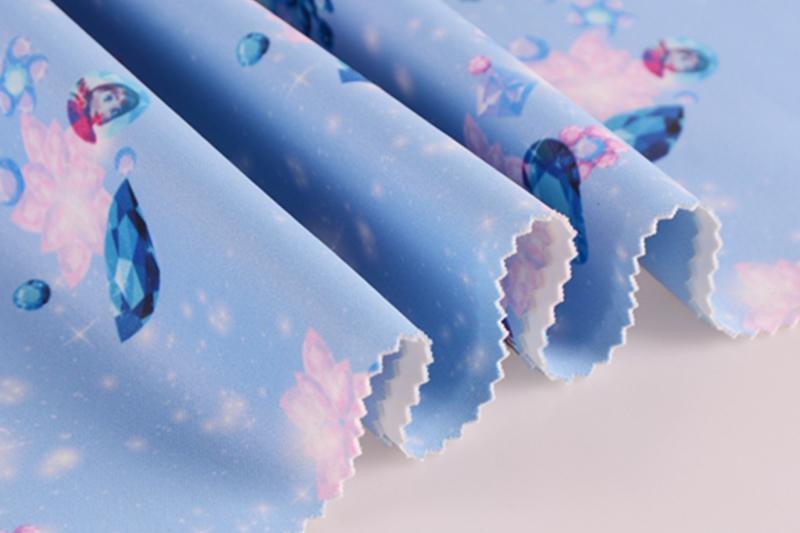
Diving fabric is a new type of textile. It is made from a blend of polyester and spandex fibers. Manufacturers use a double-knitting process to make it thick and smooth. This double-knitting process makes the fabric both strong and elastic. Designers choose diving fabric because it holds its shape well and makes garments look neater. This fabric is soft to the touch and highly elastic, making it suitable for a variety of clothing styles.
The technical components of diving fabric are as follows:
| Fiber Content | Composition | Knit Structure |
|---|---|---|
| Polyester | 85% | Double-knit |
| Spandex | 15% | |
| Additional Materials | Antimicrobial, UV-resistant additives |
Key Features and Advantages
Double-knitted diving fabric offers numerous advantages in fashion apparel and sportswear. The double-knit construction makes the fabric thick and resistant to deformation, sagging, or pilling. The thick fabric ensures a neat and well-fitting garment. The fabric also features four-way stretch, allowing it to quickly regain its shape after wear.
| Benefit | Description |
|---|---|
| Versatility in Fashion | Scuba fabric works for many styles and keeps its shape. |
| Long-Lasting Durability | Double knit scuba fabric stays nice after many washes. |
| Comfortable Fit | The fabric stretches so it feels good and looks modern. |
| Easy Care and Maintenance | Scuba fabric is easy to wash and dry. |
Diving Fabric vs. Neoprene
Diving fabric and neoprene look very similar, but they are not the same. Diving fabric is made from a knitted blend of polyester and spandex. Neoprene, on the other hand, is made from chloroprene through a chemical process. Diving fabric uses a double-knitted process, making it lighter and allowing for greater freedom of movement. Neoprene is heavier and is often used to make diving suits and safety equipment.
| Feature | Scuba Fabric | Neoprene |
|---|---|---|
| Composition | Knitted polyester and spandex fibers | Chemical polymerization of chloroprene |
| Manufacturing Process | Double knit scuba technique | Complex chemical steps and foaming process |
| End Use | Fashion garments, activewear, travel clothing | Wetsuits, medical supports, protective gear |
How Scuba Fabric Is Made
Materials and Structure
Diving suit fabric is a blend of polyester and spandex. Manufacturers sometimes add Lycra or spandex to enhance its elasticity. Polyester makes the fabric strong and durable, while spandex provides good stretch and resilience. These fibers make the fabric smooth and help it retain its shape.
Double-knitting contributes to the fabric’s stretch and resilience. This allows the fabric to maintain its shape after wear. Diving suit crepe fabric has a stretch rate of approximately 25-30% and recovers its original shape more easily than most fabrics.
Production Process
The production of diving suit fabric involves multiple steps. Each step helps ensure the fabric’s excellent quality and performance.
- Manufacturers select strong polyester and spandex.
- They use spinning machines to spin these fibers into yarn.
- The yarn is woven into diving fabric on specialized machines.
- Dyeing and printing processes give the fabric color and pattern.
- Finishing processes such as heat treatment and napping further enhance its appearance and extend its lifespan.
Inspection processes ensure the fabric meets standards. Suerte employs a rapid approach to producing and testing new diving fabrics. Their testing takes only 3-5 days, allowing designers to quickly try out new colors and styles. This helps brands stay on top of trends and understand consumer needs. Rapid testing also means less waste and faster production speeds.
| Challenge | Solution |
|---|---|
| Pilling | Use a lint roller or fabric finisher. |
| Stretch Management | Add stabilizers to make it less stretchy. |
| Improved Drape | Steam gently to help it hang better. |
| Printing Issues | Change inks or machines for better prints. |
Uses and Types of Scuba Fabric

Fashion and Sports Applications
Diving fabric is widely used in a variety of clothing. Designers use it to create daring dresses, skirts, and jackets. The double-knit construction helps garments maintain their shape. Many brands choose diving fabric for sportswear such as leggings, tights, and sports bras. This fabric is highly elastic and does not easily deform after washing. Swimwear manufacturers use diving fabric to make swimsuits and beachwear because it dries quickly and does not absorb water. Clothing and dancewear manufacturers also like this fabric because it is flexible and smooth to the touch.
Bags, shoes, and headbands can also be made from diving fabric. Some people use it to make cushions and pillows. Doctors and nurses wear surgical gowns and tights made from diving fabric. The table below lists the reasons why this fabric is suitable for sportswear:
| Property | Description | Why It Matters for Sportswear |
|---|---|---|
| Stretch & Flexibility | Moves with the body | Great for activewear and leggings |
| Water Resistance | Repels water, dries fast | Perfect for swimwear |
| Durability | Resists pilling and tearing | Lasts through many workouts |
| Shape Retention | Keeps its form | Clothes look new longer |
| Wrinkle Resistance | Stays smooth | No need to iron after washing |
Types and Styles
There are many types of diving fabrics available today. Designers can choose the right fabric based on their needs. Standard diving fabrics are thick and smooth, suitable for dresses and sportswear. Crepe diving fabrics have a slightly textured feel and a slightly muted appearance, making them more suitable for fashion apparel. Diving suede is soft and comfortable, suitable for jackets. Lightweight and breathable diving fabrics are light and breathable, suitable for summer wear or layering. Heavyweight and warm diving fabrics are often used for specialty garments.
Other types include technical diving fabrics designed specifically for sports, and lightweight and flexible diving knit fabrics. Some diving fabrics feature raised or 3D patterns. Additionally, there are environmentally friendly options, such as polychloroprene rubber made from limestone.
Cost, Sustainability, and Care
Price and Value
Diving fabric prices range from low to high. Prices depend on the thickness and quality of the fabric. It also depends on the quantity you purchase. Most sellers sell diving fabrics by the yard or meter.
Suerte lets brands save money by making small orders. They also make fabric quickly. This helps both big and small designers get good scuba fabric for less money.
Environmental Impact
Compared to other fabrics, diving fabrics require less water and energy to produce. Some manufacturers use recycled materials in their diving fabric production, which helps protect the planet. Diving fabrics are durable, so people don’t need to buy new clothes as frequently, thus reducing waste.
Care Instructions
Proper care of diving fabrics helps maintain their appearance. Here are some simple care tips:
- Hand wash with mild soap in cold or lukewarm water.
- If using a washing machine, place it in a mesh bag and select a gentle cycle.
- Do not use bleach or fabric softener.
- Gently squeeze out excess water; never wring.
- Lay flat or hang to dry. Avoid direct sunlight.
- Do not use a tumble dryer. High temperatures will damage the fabric.
- If wrinkles appear, use a steam iron or iron on a low heat with a cloth underneath.
- Lay flat or hang on a soft hanger to maintain its shape.
- Quickly clean stains with mild soap.
- Fold neatly and store in a dry, clean place.
Scuba style fabric is thick, stretchy, and smooth. Designers like it for clothes and sportswear. It keeps its shape and feels nice to wear. If you take care of it, the fabric stays bright and bends well. Suppliers like Suerte let you pick colors, patterns, and earth-friendly materials. Brands get good quality and cool printing from these suppliers.
| Key Point | Description |
|---|---|
| Definition | Synthetic textile, often called neoprene |
| Properties | Waterproof, strong, does not let air through |
| Uses | Fashion, sportswear, and accessories |
| Care | Wash gently, dry in air, iron on low heat |
FAQ
How is diving fabric different from other fabrics?
Diving fabric is thick, elastic, and smooth to the touch, both soft and durable. Designers often use it to create garments that are both stylish and comfortable. The double-knit process makes it more durable and gives it a superior texture.
Can diving fabric be used in sportswear?
Many brands choose diving fabric for sportswear. It’s elastic and doesn’t easily deform after washing. Athletes wear leggings, jackets, and tops made of diving fabric. Diving fabric dries quickly and doesn’t absorb water, making it ideal for athletes.
How to wash and care for diving fabric?
Diving fabric requires gentle washing. Cold water is recommended; avoid using bleach. Lay flat or hang to dry. A steam iron can help remove wrinkles. With proper care, diving fabric will remain bright and smooth.
Is diving fabric suitable for custom designs?
Designers love using diving fabric for custom designs. It’s easy to print and change colors. Suerte helps brands quickly test new looks. Diving fabric is suitable for a variety of creative projects.
What are the main uses of diving fabric?
Diving fabric is commonly used to make dresses, skirts, and jackets. It’s also used to make sportswear, swimwear, bags, and more. It’s also suitable for making performance costumes and dance costumes. The popularity of diving fabric stems from its versatility.
| Application | Why Choose Scuba |
|---|---|
| Fashion Apparel | Structure and comfort |
| Sportswear | Stretch and durability |
| Accessories | Smooth finish |
| Swimwear | Water resistance |