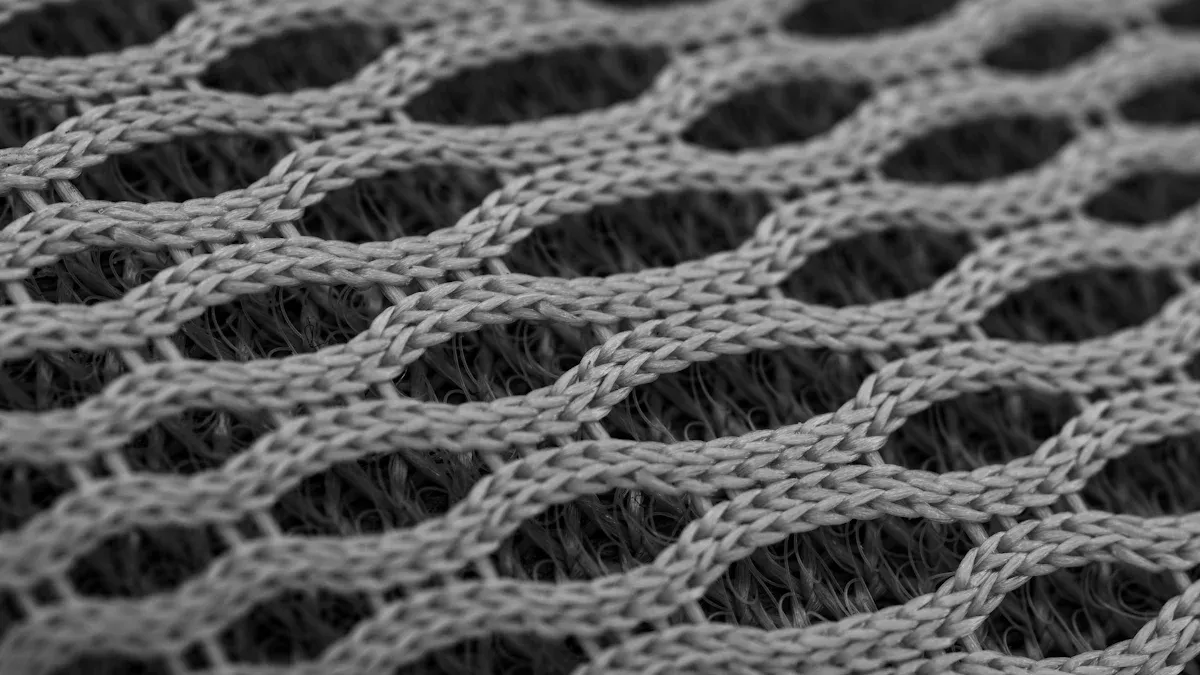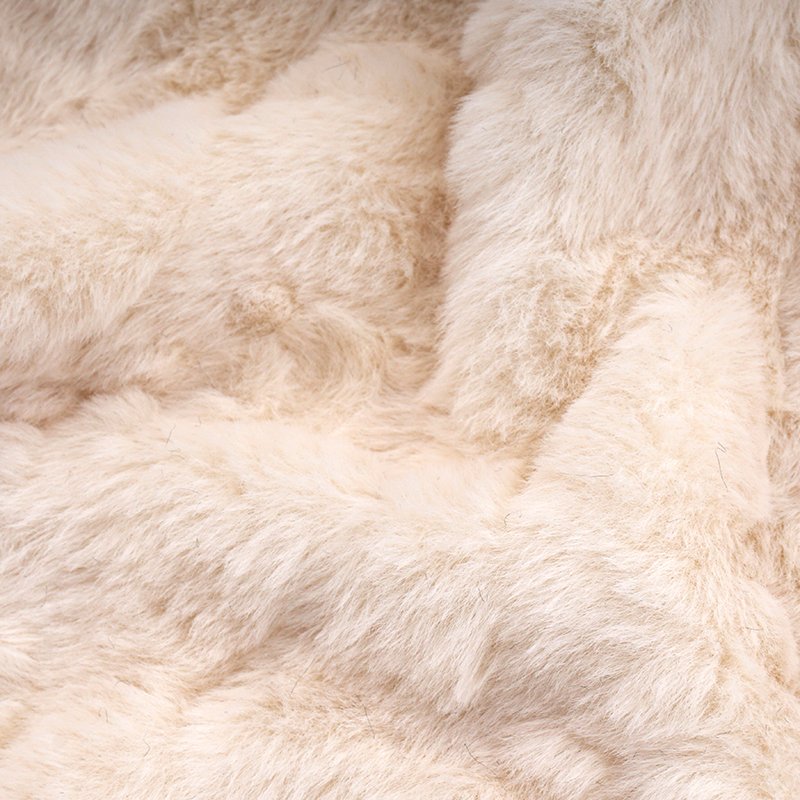
The raised patterns on embossed fabric create a three-dimensional effect. The unique appeal of this material lies in its ability to add texture, making it look both beautiful and stylish across a wide range of items. It is frequently used in interior décor and drapery applications, where its durability helps extend product lifespan while maintaining aesthetic appeal. Designers also frequently select this fabric for crafting fashion accessories, footwear, and home décor items.
Key Takeaways
- The raised patterns inherent in embossed fabric lend it a distinct texture and a refined appearance. This is precisely why it is a popular choice for creating both apparel and home décor items.
- The embossing process utilizes heat and pressure to create these patterns. This technique can be executed either manually or via machinery, allowing for the creation of a diverse array of unique designs.
- Embossed fabrics come in many varieties—such as damask and jacquard—and are utilized for a wide range of purposes, from clothing manufacturing to furniture upholstery. These fabrics are prized for being both aesthetically pleasing and highly durable.
- To preserve the beauty of embossed fabric, always clean it gently. Avoid using high heat at all costs; this practice helps maintain the fabric’s excellent condition, ensuring it remains looking as good as new.
- Suerte Textile offers cutting-edge processes for creating custom embossed fabrics. Brands can select specific patterns, colors, and materials tailored precisely to the unique requirements of their projects.
What is Embossed Fabric
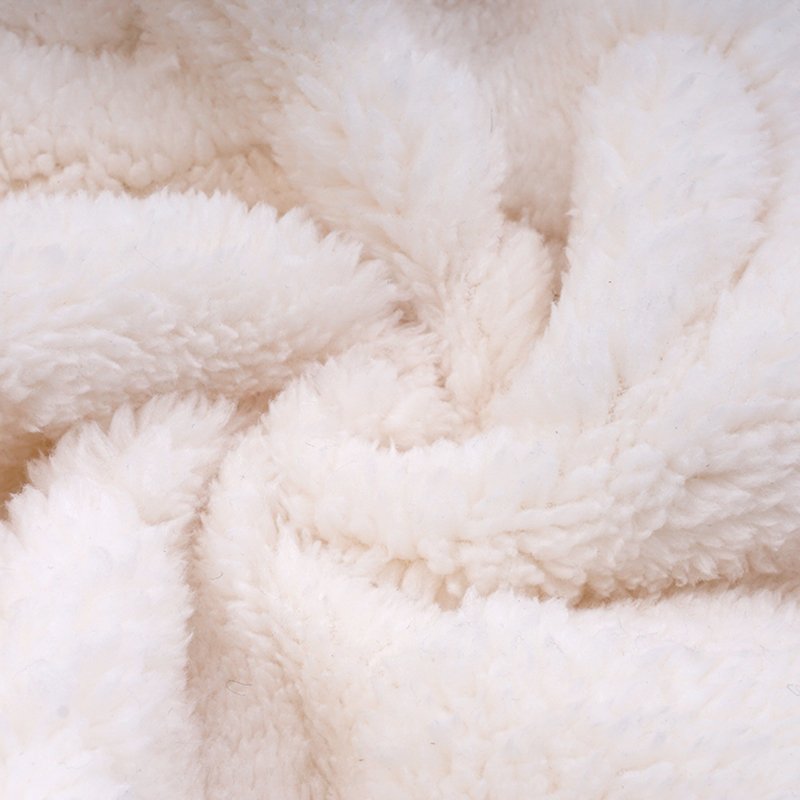
Embossed fabrics are easily recognizable due to the raised textural patterns on their surfaces. These patterns are created by applying heat and pressure to imprint a specific design onto the fabric. This process endows the fabric with a unique visual appearance and tactile quality. Frequently utilized in the realms of fashion apparel and home décor, embossed fabrics not only enhance style and aesthetic appeal but also serve practical functions.
Embossed fabrics come in a wide variety of types, commonly including Jacquard fabrics, brocades, mesh fabrics, and vinyl materials. Each type possesses a distinct appearance and is suited for different applications. Among these, brocades typically feature rich, three-dimensional patterns; Jacquard fabrics display patterns formed through weaving techniques, ranging in style from simple to ornate; meanwhile, mesh and vinyl fabrics can also undergo the embossing process to create raised textures, thereby enhancing both their tactile quality and structural durability.
The Embossing Process
The embossing process utilizes heat and pressure to create raised or recessed patterns on a fabric’s surface. This method differs significantly from embroidery or weaving techniques—the latter two typically require the addition of extra threads or a structural alteration of the fabric itself—whereas embossing acts solely upon the fabric’s surface layer, causing the design patterns to stand out visually with particular prominence.
The basic steps involved in the embossing process are briefly outlined below:
- Gather the necessary materials, including pigment ink, a heat gun, a stamp, embossing powder, and a natural fabric substrate.
- Apply the ink to the stamp, then press the stamp firmly onto the surface of the fabric.
- Sprinkle the embossing powder over the inked area, then gently shake off any excess powder.
- Use the heat gun to apply heat to the fabric, causing the embossing powder to melt and solidify, thereby forming a raised, three-dimensional pattern.
In factory production settings, large rollers engraved with specific patterns are typically employed. As fabric passes through these rollers, the combined application of heat and pressure causes the patterns to be deeply embossed into the material. Through this method, manufacturers can achieve mass production, rapidly producing large quantities of embossed fabrics with high quality.
Texture and Patterns
Embossed fabrics offer an exceptionally wide array of options regarding both texture and pattern design. Through the use of raised or recessed textures, these fabrics present distinctive visual effects and tactile experiences. Among the most popular and classic designs are crocodile skin textures, floral motifs, and various geometric shapes. These unique patterns serve to enhance the distinctiveness and stylish appeal of clothing, furniture, and various accessories, helping them stand out amidst a crowded marketplace.
The table below illustrates the visual characteristics and primary applications of different types of embossed fabrics:
| Fabric Type | Appearance | Applications |
|---|---|---|
| Brocade | Raised, 3D patterns; rich and textured surface | Fancy clothes, high-end furniture |
| Jacquard | Woven patterns, smooth surface; simple or fancy designs | Everyday clothes, home décor |
| Mesh | Open, net-like structure with raised designs | Sportswear, bags, crafts |
| Vinyl | Smooth, shiny surface with embossed patterns | Bags, shoes, furniture |
Making Embossed Fabric
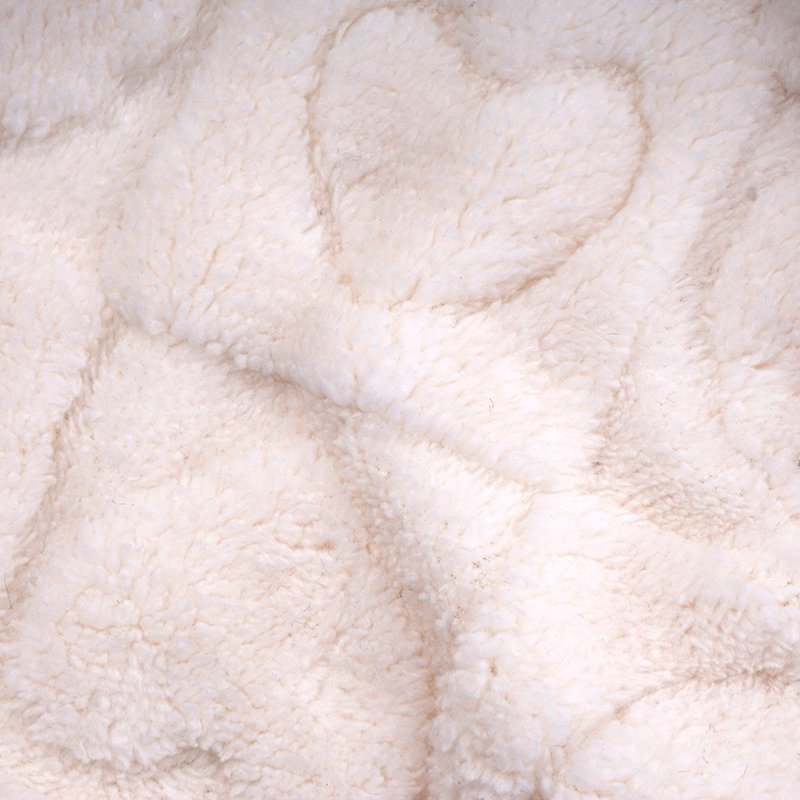
Manufacturing Processes Employed
Factories primarily utilize several distinct methods to produce embossed fabrics. Each method possesses unique advantages and is suited to specific applications. The most commonly used techniques include: thermal embossing, foil embossing, mechanical embossing, composite embossing, and laser embossing. These processes leverage heat, pressure, or specialized tools to imprint patterns onto the fabric surface. The table below details the operating principles of each process and outlines their respective advantages and disadvantages:
| Technique | Advantages | Limitations |
|---|---|---|
| Heat Embossing | Good for big batches, works on soft fabrics | Only for heat-reactive fibers, patterns can fade |
| Foil Embossing | Shiny look, works on many fabrics | Costs more, foil might crack or peel |
| Mechanical Embossing | Very strong, patterns last long | Uses more energy, less detail |
| Laminated Embossing | Very tough, great for sports fabrics | Heavier, needs more steps |
| Laser Embossing | Very detailed, better for the environment | Costs a lot to start, slower to make |
Materials and Types
The choice of material directly influences the appearance and tactile quality of embossed fabrics. Manufacturers typically utilize cotton, polyester, silk, or blended fabrics. For certain projects, vinyl may also be employed to enhance durability. The table below lists common materials and their optimal applications:
| Material | Advantages | Suitable Applications |
|---|---|---|
| Cotton | Soft, lets air in, easy to clean | Everyday clothes, bedding |
| Polyester | Strong, keeps shape, dries fast | Sportswear, bags, uniforms |
| Silk | Smooth, shiny, feels nice | Dresses, scarves, luxury items |
| Vinyl | Waterproof, tough, easy to wipe | Bags, shoes, upholstery |
Characteristics and Advantages of Embossed Fabrics
Distinctive Qualities
Embossed fabrics are instantly recognizable by the raised, three-dimensional patterns featured on their surfaces. These unique designs not only lend the fabric a luxurious and elegant aesthetic but also provide a distinctive tactile experience. The table below details the unique attributes that distinguish these fabrics from standard textiles:
| Unique Quality | Explanation |
|---|---|
| Visual Appeal | Raised patterns make the fabric look deep and bold. |
| Tactile Qualities | The texture feels nice and different to touch. |
| Durability | The patterns help the fabric last longer and stay strong. |
| Practical Use | Patterns can hide small stains and keep it looking clean. |
Designers adore this fabric because its patterns are exceptionally striking. The raised, three-dimensional textures lend the products a richer visual appeal. People also enjoy touching this embossed fabric, as it offers a unique tactile sensation that feels pleasantly cool to the touch. It is precisely this distinctive texture that has led to its widespread application in both apparel manufacturing and home furnishings.
Note: Embossed fabric imparts an air of elegance and luxury to clothing, accessories, and home décor. Its unique appearance and tactile quality help your products stand out and capture attention in any setting.
Advantages
For both residential and commercial users, embossed fabrics offer numerous distinct advantages:
- Aesthetic Appeal: Exquisite pattern designs lend the fabric a unique and captivating appearance.
- Durability and Longevity: Even under frequent and heavy use, the fabric retains its pristine beauty.
- Versatility: Suitable for a wide range of applications, from clothing manufacturing to home décor and commercial displays.
- Ease of Care: The vast majority of embossed fabric types are easy to clean and maintain.
- Eco-Friendly Choice: Certain fabric options utilize eco-conscious materials, making them a more environmentally friendly choice.
Custom design capabilities further enhance the value of embossed fabrics. Suerte Textile allows brand clients to freely select the fabric’s color, pattern, and dimensions. This service enables businesses to create exclusive fabrics that perfectly align with their unique brand identity. The raised, three-dimensional patterns not only offer outstanding visual appeal but also provide a delightful tactile experience.
Applications of Embossed Fabrics
Fashion & Apparel
Designers frequently select embossed fabrics to infuse garments and accessories with unique character and distinctive flair. These three-dimensional textures not only enhance the visual depth of the fabric but also impart a unique tactile quality. Today, many brands have begun utilizing organic materials or faux leather as base substrates for the embossing process. The application of novel techniques—such as “3D embossing”—has created unprecedented textural effects. The realms of athleisure and professional workwear have also begun to widely embrace embossed design elements. The clever fusion of traditional cultural motifs with modern fashion aesthetics serves as a testament to the remarkable design versatility and adaptability of embossed fabrics.
Home & Soft Furnishings
Embossed fabrics also enjoy widespread application within the realm of home furnishings and décor. Furniture items such as sofas, armchairs, footstools, and dining chairs frequently feature embossed fabrics to enrich their texture and style. Headboards and bench cushions are also often adorned with embossed patterns, thereby creating a distinctive visual effect. Furthermore, thanks to its exceptional durability and moisture-resistant properties, embossed fabric serves as an ideal choice for outdoor furniture.
| Type of Home Furnishing | Description |
|---|---|
| Sofas | Adds texture and style |
| Armchairs | Gives comfort and looks nice |
| Ottomans | Makes things look interesting |
| Dining Chairs | Creates a unique look |
| Headboards | Makes a stylish centerpiece |
| Bench Seats | Combines comfort and design |
| Outdoor Furniture | Offers durability and style |
Embossed fabrics enhance the durability of upholstered furniture, offer improved grip, and provide superior thermal insulation properties. Not only are they stain-resistant and easy to clean, but they also retain their original shape over time.
Other Application Areas
Many industries select embossed fabrics for the creation of specialized products. Automotive interiors frequently feature embossed seat covers and panels, balancing durability with aesthetic appeal. Offices and auditoriums utilize embossed fabrics to help reduce noise levels. Hotels and cruise ships favor embossed wall coverings and upholstered furnishings for their combination of easy maintenance and elegant appearance. Additionally, sportswear and medical supplies often incorporate embossed fabrics to provide moisture-wicking, breathability, and antimicrobial properties.
Identifying and Caring for Embossed Fabrics
How to Identify
One can identify embossed fabrics by observing their distinctive visual characteristics. The raised textural patterns on the fabric’s surface are highly conspicuous; when illuminated by light, these patterns create contrasts of light and shadow, rendering the texture clearly visible. When lightly touching the fabric’s surface with one’s fingers, the tactile difference between the raised areas and the flat areas is distinctly perceptible.
Experts typically employ the following inspection methods: Repeatedly bend a small swatch of the fabric. Genuine embossed fabric will retain its original shape, and no cracks will appear on its surface. Examine the fabric’s base material. Robust and tightly woven base fabrics—such as cotton or wool—tend to better maintain the structural integrity of the embossed texture. Measure the depth of the embossed pattern. If the depth of the raised areas is uniform and consistent, it indicates that the fabric is of high quality. If the fabric features a surface coating, attempt to gently pick at or peel back a small section at the edge. High-quality embossed fabrics possess a stable texture that does not easily flake or peel off. Rub the fabric against itself. If the friction produces a harsh “squeaking” sound—or a sound resembling plastic rubbing together—it may suggest that the embossing effect was not created using proper, standard manufacturing processes. Request test reports regarding the fabric’s durability and colorfastness. Premium embossed fabrics typically exhibit exceptional durability and are built to last.
Care Tips
Proper care methods ensure that embossed fabrics retain their pristine, like-new appearance and robust texture for an extended period. Regular cleaning and gentle handling help protect the embossed patterns on the fabric’s surface from damage. Use a soft, dry cloth or a feather duster to regularly remove dust from the fabric’s surface. If the fabric becomes lightly soiled, immediately use a clean cloth to blot the area (using a “dabbing” motion); never rub vigorously. For water-soluble stains, use a mild detergent in conjunction with a damp cloth to clean the affected area.
For oil-based stains, sprinkle cornstarch over the area prior to cleaning to absorb the grease. For ink stains, gently dab the area with rubbing alcohol (isopropyl alcohol) until the stain is removed.
Please place the fabric in a well-ventilated area to air dry naturally. Avoid using high-heat drying methods, as this may damage the pattern on the fabric. When storing the fabric, fold it carefully and neatly to prevent creases from forming on the patterned areas.
FAQ
How do embossed fabrics differ from printed fabrics?
Embossed fabrics feature patterns with a three-dimensional quality; you can physically touch and feel these raised textures. In contrast, the patterns on printed fabrics are flat; while the printing process alters only the visual appearance of the fabric, the embossing process transforms its tactile quality.
Can embossed fabrics be washed in a washing machine?
Most embossed fabrics can be safely washed in a washing machine. It is recommended to use the “delicate” cycle to protect the embossed patterns on the fabric. Before washing, be sure to carefully read the fabric’s care label; using cold water and a mild detergent yields the best results.
In which fields are embossed fabrics primarily used?
Embossed fabrics are widely used in various fields, including apparel, home furnishings, bags and luggage, and automotive interiors. Designers particularly favor them for creating dresses, jackets, sofa covers, and various accessories, as they offer not only a stylish and unique appearance but also a distinctive tactile experience.
Does Suerte Textile offer custom embossed fabric services?
Suerte Textile is dedicated to providing custom embossed fabric services for a wide range of projects. They assist brand clients in selecting suitable patterns, colors, and fabric materials. Their professional team is equipped to flexibly handle diverse order requirements—whether for small-batch runs or large-scale production—delivering high-quality service for every order.