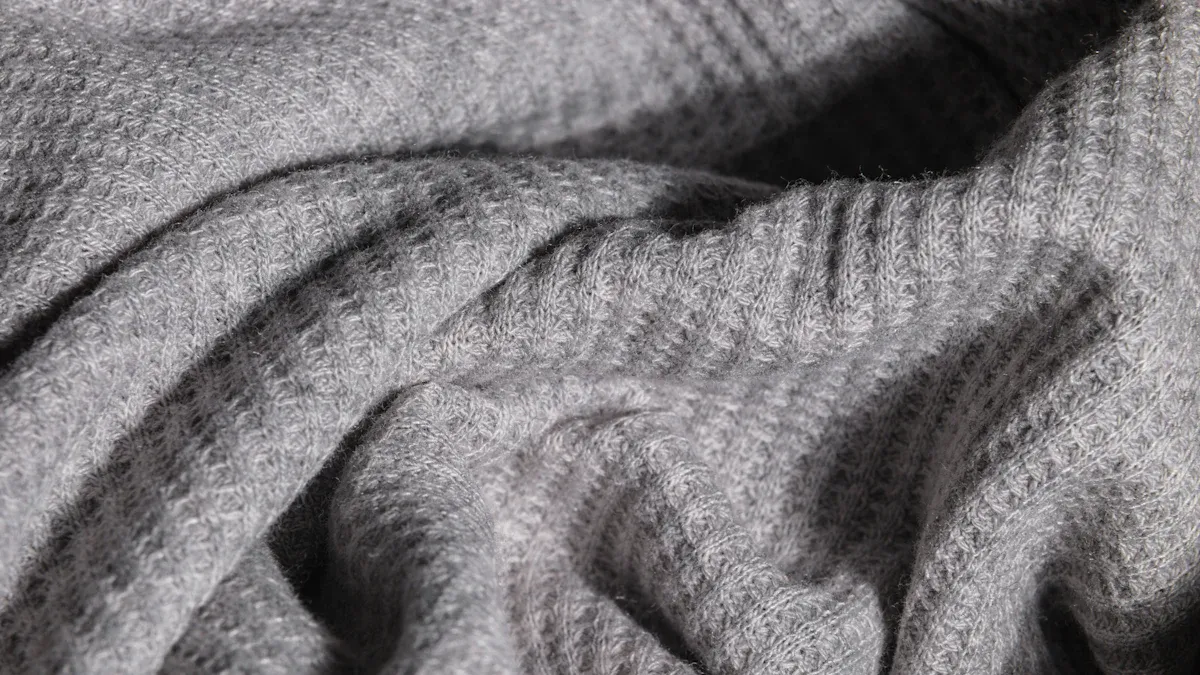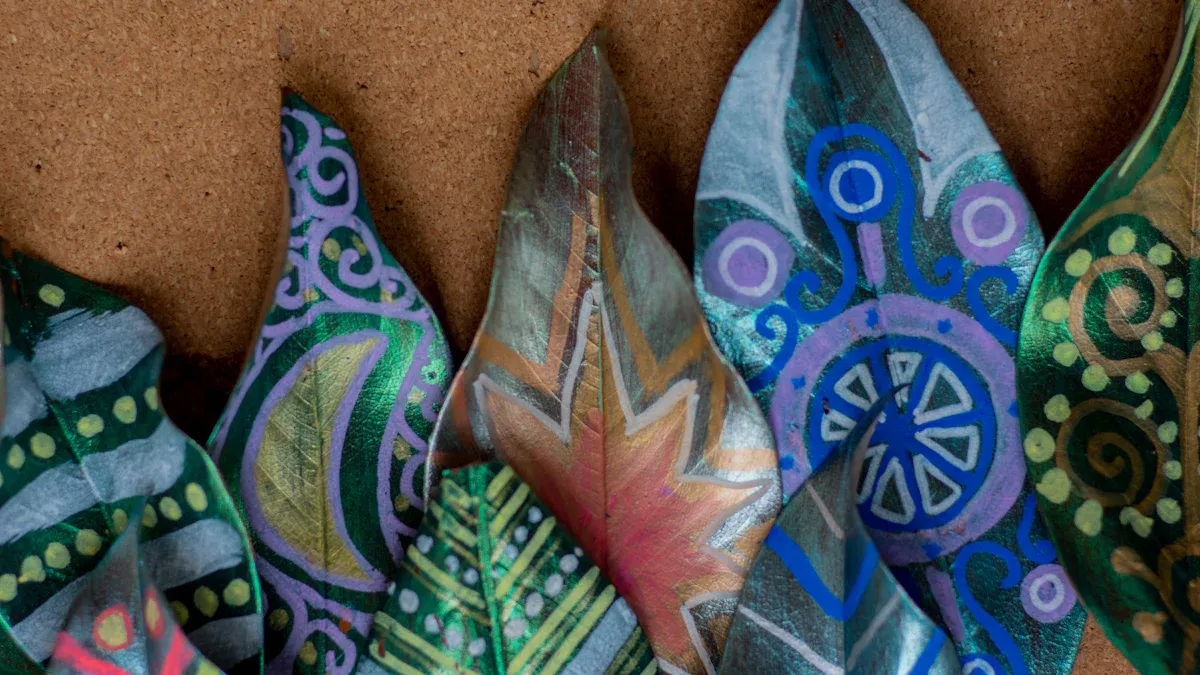
You can easily create a variety of projects using printed canvas. This fabric is known for its durability and versatility, making it easy to work with for both DIY projects and home décor. Printed canvas offers a rich selection of colors and textures, providing endless possibilities for your creative inspiration. Many people choose this fabric because it’s easy to make stylish and practical items. You can quickly make gifts or add a personalized element to any space. Printed canvas is popular for its durability and wide range of applications in crafts.
Key Takeaways
- Printed canvas is durable, easy to work with, and perfect for many DIY and home décor projects.
- You can find canvas fabric in a variety of colors and patterns to create personalized and stylish items such as tote bags, wall hangings, and cushion covers.
- Canvas fabric is suitable for people of all skill levels because it is easy to cut, sew, and handle, and it won’t slip or fray.
- Popular uses for canvas include tote bags, wall hangings, storage boxes, aprons, and banners, each offering creative ways to add functionality and beauty to your space.
- Proper care, such as gentle cleaning and edge treatment, can help extend the life of a canvas artwork and maintain its vibrant colors.
The Versatility of Print Canvas Fabric
Durable and Easy to Work With
Canvas fabric is known for its durability and strength. Its high abrasion resistance makes it suitable for a variety of uses. The tight plain weave and thick yarns make canvas stronger and more durable than lighter fabrics. This means your creations will be more long-lasting and less prone to deformation. Many people choose canvas for bags, upholstery, and even outdoor furniture covers because it is tough, durable, and easy to care for. The table below compares canvas with other fabrics in terms of durability and common uses:
| Fabric Type | Durability Characteristics | Typical Uses and Notes |
|---|---|---|
| Synthetic Canvas | Strong, tear-resistant, water and UV resistant, easy to clean | Tents, awnings, bags, outdoor furniture covers |
| Synthetic Blend Canvas | Durable, water-resistant, combines strength and looks | Bags, upholstery, art surfaces |
| Linen Canvas | Very strong, smooth, absorbs paint well | Art, heirloom projects |
| Cotton Canvas | Durable, but less than synthetic or linen | Upholstery, crafts, budget-friendly projects |
You’ll find canvas incredibly versatile, used for making bags, wallets, and various accessories because it’s both durable and easy to sew. Artists also use canvas as a painting material because it absorbs paint well and doesn’t easily deform.
Wide Range of Prints and Colors
Print canvas fabric offers almost unlimited options for prints and colors. Digital printing technology allows you to Printed canvas fabrics offer an almost limitless selection of patterns and colors. Digital printing technology allows you to choose between bold, vibrant designs or delicate, soft patterns. The white backing of many canvas fabrics helps colors stand out more, resulting in a bright and vivid effect. You can also find canvas fabrics with smooth surfaces or rich textures, giving you even more creative options. This versatility makes canvas ideal for a wide range of DIY and home décor projects. You can use it for wall art, cushion covers, and even curtains.
Tip: When planning your project, order enough fabric from the same batch to maintain color consistency in the print. This helps your finished product look more professional and of higher quality.
Canvas has a wide range of uses, including home décor, bags, wall art, and even embroidery. The abundance of choices allows you to find a style that suits your needs and preferences.
Perfect for Beginners and Experienced Makers
Canvas fabric is suitable for people of all skill levels. If you’re new to sewing or crafting, you’ll find canvas easy to cut, sew, and work with. This fabric doesn’t easily slip or fray, so you can focus on your work without getting frustrated. For experienced creators, canvas can deliver high-quality, professional-grade results. You can choose from cotton, polyester, or blended canvas, each with its unique advantages. Cotton canvas offers a natural texture, while polyester canvas is more durable and has vibrant prints. Blended canvas combines the advantages of both.
Canvas is incredibly versatile, ranging from simple tote bags to exquisite wall art. The quality and durability of canvas mean your creations will not only be beautiful but also last a long time. Whether you’re trying out a new DIY project or want to create something special, canvas offers the variety and choices you need.
Creative Project Ideas with Canvas Fabric Printing

Canvas printing opens up a world of endless creativity, allowing you to experiment with a variety of projects at home. Canvas is popular with DIY enthusiasts and home décor projects because it can be used to make both practical items and decorative pieces. Many craft lovers appreciate canvas for its durability, ease of use, and excellent print quality. Here are some of the most popular canvas printing projects.
Tote Bags
Canvas tote bags are one of the most popular canvas DIY projects. You can create sturdy, durable, and reusable tote bags that will last for years. Handmade canvas tote bags are generally more durable than commercially available cotton bags. They can carry heavy loads and are perfect for school, work, or shopping. The robust construction of canvas tote bags means you can use them every day without worrying about wear and tear.
You can personalize your tote bags by choosing canvas printing. This allows you to add your own designs, logos, or patterns. The process of making a canvas tote bag involves the following steps:
- Choose a high-quality canvas fabric as the base. This ensures your tote bag is durable and the print is clear and sharp.
- Prepare your design using graphics software. Ensure the image size is appropriate for your tote bag and that the resolution is high.
- Choose a printing method. Screen printing is suitable for simple designs, heat transfer is suitable for fine images, and direct garment printing is best suited for complex, colorful patterns.
- Clean and iron the canvas before printing. This helps the ink adhere and keeps the surface smooth.
- First, test the printing on a sample bag to check the color and placement.
- Print your design onto the tote bag using your chosen method.
- Allow the ink to dry and cure. This step is crucial for ensuring the print lasts.
- Inspect the handles and stitching to ensure your tote bag is sturdy, durable, and ready for use.
| Feature | Canvas Tote Bags | Cotton Tote Bags |
|---|---|---|
| Durability | High, lasts 5-10 years | Medium, less than canvas |
| Weight Capacity | 15-20 lbs | 5-10 lbs |
| Best Use | Heavy-duty, daily use | Casual, light shopping |
You can also try other creative projects with canvas tote bags, such as fabric stamping or embroidery. These techniques let you add even more personality to your bags.
Tip: Wash your canvas tote bags inside out on a gentle cycle to keep the prints looking new.
Wall Art
Canvas prints make beautiful wall art for any room. You can turn your favorite photos, drawings, or patterns into art pieces that brighten your space. Many people use canvas fabric for wall art because it holds color well and gives a professional look.
To create wall art with canvas fabric, follow these steps:
- Materials needed: Printed photograph or artwork, canvas, acrylic paint, gel medium or glue, brushes or rollers, and spare canvas fabric for texturing.
- For a more perfect finish, you can paint the edges of the canvas.
- Apply a layer of glue or gel medium to the front of the canvas.
- Place the printed image onto the glued canvas, aligning the edges.
- Press the image down with a brush or roller to remove air bubbles.
- To add texture, press a piece of spare canvas onto the surface and remove it after a few seconds.
- Once the canvas is dry, apply a coat of varnish to protect your wall art and give it a shine.
You can also explore other creative projects for wall art, such as fabric collage, quilted wall hangings, or embroidery hoop art. These projects let you mix different techniques and materials for unique results.
Note: Canvas prints for wall art can last for years if you keep them out of direct sunlight and dust them regularly.
Cushion Covers
Cushion covers are another great diy project you can make with canvas fabric. You can use pre-cut printed panels Making cushion covers from canvas is another great DIY project. You can quickly sew them using pre-cut printed fabric, or choose waterproof canvas for outdoor cushion covers. Canvas is soft, brightly colored, and durable, making it perfect for both indoor and outdoor use.
There are several ways to make cushion covers:
- Use pre-printed square pieces of canvas as cushion pieces. This is quick and easy to sew.
- Try woodblock printing, which involves carving the design onto a wooden block, dyeing it, and then pressing it onto the fabric.
- Use sublimation printing to print a full-color, personalized canvas design onto your cushions.
Making cushion covers from canvas is both beautiful and durable. Proper care is essential. Spot cleaning will keep the colors vibrant and the fabric soft. Avoid machine washing, as it can damage the print and the fabric.
Tip: Outdoor cushions should be made from waterproof canvas to prevent stains and moisture.
You can also try other creative canvas projects, such as fabric printing, woven tapestries, or hand-woven brocades. These DIY projects allow you to express your personal style and add a unique touch to your home.
Storage Bins
You can use sturdy canvas storage boxes to organize your home. These boxes are perfect for storing toys, books, or craft supplies. The canvas material gives the boxes strength, allowing them to maintain their shape even when full. You can make storage boxes in different sizes to fit various shelf or closet spaces.
To make sturdy storage boxes, you should use double-sided fusible interlining, such as Peltex 72F. This interlining adds stiffness to the canvas. First, cut both the fabric and interlining to the desired size. Iron the interlining to the canvas with a hot iron. Avoid using steam to prevent sticking. Draw lines on the fabric about 10 inches from the edge. These lines will help you sew and fold the fabric into a box shape.
Sew along the shorter vertical lines to create a foldable edge. Trim the edges and cut flaps and seams as needed. Treat all cut edges with anti-fraying spray to prevent the fabric from fraying. Sew along the edges and marked lines to make the storage box even stronger. Fold the corner pieces and thread them through the seams to complete the storage basket.
You can personalize the canvas storage box. Use iron-on fabric adhesive to attach labels or decals. Be sure to place a scrap of cloth underneath to protect the surface when ironing. Do not use plastic storage boxes during this process, as the high temperature may melt the plastic. After attaching the decals, outline the shape with 3D fabric paint. For best results, let it dry overnight.
Tip: Canvas storage bins last longer if you reinforce the seams and treat the edges. This keeps the bins looking neat and helps them hold heavy items.
Aprons
Aprons made from canvas fabric protect your clothes during messy tasks. You can use them for cooking, painting, or gardening. Canvas is thick and blocks spills and stains. It also feels comfortable and soft after a few washes.
You can make aprons in many styles. Some people like full aprons that cover the chest and lap. Others prefer half aprons that tie at the waist. You can add pockets for tools or utensils. Choose canvas fabric with fun prints or bright colors to make your apron unique.
To sew an apron, measure the length and width you want. Cut the canvas fabric to size. Fold and sew the edges to stop fraying. Attach straps at the neck and waist. You can use matching canvas or a different fabric for the straps. Add pockets by sewing extra pieces of fabric onto the front.
Canvas aprons work well for both kids and adults. You can adjust the size and strap length to fit anyone. These aprons make great gifts for friends who love to cook or craft.
Note: Wash canvas aprons in cold water and hang them to dry. This keeps the fabric strong and the colors bright.
Banners and Pennants
Canvas banners and pennants add color and style to any event or room. You can use them for birthday parties, baby showers, or holiday celebrations. Many people hang banners in nurseries or playrooms to create a joyful atmosphere.
You can cut canvas into triangles, rectangles, or any other shape and then string them together with ribbon or string to make a banner. You can also add names or messages using fabric paint, embroidery, or ironed lettering. Personalized pennants with names or vintage-style flags make thoughtful gifts and unique home decorations.
- Handmade pennants are perfect for party decorations, gardens, and family rooms.
- Customized name pennants add a personalized element to nursery walls or entrances.
- Embroidered banners can be used to celebrate special occasions or display inspiring words.
Canvas fabric is resistant to deformation and fading, so your banners will remain beautiful for a long time. You can reuse them for different events or keep them as souvenirs.
Tip: Store your canvas banners flat or rolled up to prevent creases. This helps them stay neat and ready for your next celebration.
Quick Start Steps for Canvas Fabric Projects
Tote Bags – Simple Steps and Tips
You can make a tote bag out of canvas in just a few steps. First, choose a canvas fabric suitable for your project. Cotton canvas is good for inkjet printing, while polyester canvas offers vibrant colors and is more durable. Cut the canvas to your desired size, leaving room for sewing and handles. Iron the fabric to remove wrinkles. Prepare your design using a high-resolution image. Ensure your image is the right size for the tote bag and leave enough bleed to cover the edges.
Print your design using heat transfer or direct inkjet printing. Using pigment inks will give you a long-lasting effect. Carefully place the canvas into the printer, being careful to avoid paper jams. Let the printed design air dry in a clean place. Seal the design with a sealant spray or brush to prevent moisture and fading. Sew the sides and attach sturdy handles. Carefully check the seams to ensure your tote bag can bear weight.
Tip: Always measure your display space and image size before printing. This will prevent you from cutting off important parts of your design when wrapping the canvas around the edges of the tote bag.
Wall Art – Framing and Hanging Basics
With just a few simple steps, you can create wall art from canvas. First, choose a piece of good quality canvas and cut it to fit your frame. Iron the canvas to make it smooth. Set the image to 300 DPI and adjust the brightness for best results. Print your design and let it dry completely. Finally, apply a layer of sealant to protect the colors.
Stretch the canvas to a wooden frame. Secure the edges with a nail gun. Make sure the binding doesn’t obscure important parts of the image. Mirroring the binding helps preserve the design completely. Hang your artwork using sturdy hooks or wire. Measure your wall dimensions before you begin to avoid ordering a canvas that is too large or too small.
Cushion Covers – Measuring and Sewing
You can make cushion covers with canvas fabric by measuring your cushion first. Add extra inches for seam allowance. Cut the canvas fabric to size and iron it flat. Prepare your printed design and make sure it covers the entire cushion, including the edges. Sew three sides of the cover, then insert the cushion. Finish by sewing the last side or adding a zipper for easy removal.
Note: Use high-quality images and printers for cushion covers. This keeps your prints looking sharp and helps your canvas fabric last longer.
Storage Bins – Sturdy Construction Tips
You can make strong storage bins with print canvas fabric. Start by choosing a heavyweight canvas. This fabric holds its shape and supports heavy items. Cut your fabric pieces with sharp scissors for clean edges. Use a double layer of canvas for the sides and bottom. This adds strength and helps the bin stand upright.
Add a stiff interfacing or stabilizer between the fabric layers. This step gives your bin extra support. Sew the sides together with a straight stitch. Reinforce the corners by sewing them twice. Attach handles with a box stitch for extra durability.
Tip: Use a zigzag stitch on raw edges to prevent fraying.
You can personalize your bins with labels or fabric paint. Store your bins in dry areas to keep them looking new.
Aprons – Easy Patterns for All Ages
You can sew aprons for kids and adults using simple patterns. Measure the person who will wear the apron. Cut a rectangle of canvas fabric for the body. Add a curved cut at the top for the neck. Fold and sew the edges to stop fraying.
Attach straps at the neck and waist. You can use canvas strips or ribbon. Sew pockets on the front for tools or utensils. Choose bright prints or fun patterns to make your apron unique.
Note: Adjustable straps make the apron fit many sizes.
Wash your apron in cold water to keep the colors bright. Hang it to dry for best results.
Banners – Cutting and Finishing Edges
You can create banners and pennants with canvas fabric for parties or home decor. Cut your canvas into triangles, rectangles, or custom shapes. Use a ruler and fabric marker for straight lines. Pinked scissors give the edges a zigzag look and help prevent fraying.
Fold the top edge over a piece of twine or ribbon. Sew or glue the fold to hold the banner in place. Space each piece evenly for a neat look. Decorate your banners with fabric paint, stencils, or iron-on letters.
Tip: Store banners rolled up to avoid creases and keep them ready for your next event.
Tips for Working with Cotton Canvas Fabric

Choosing the Right Type (Look for Suerte)
Choosing the right cotton canvas fabric is the first step in your project. First, consider the required weight. For lightweight bags or handicrafts, 8 ounces of cotton canvas will suffice. For everyday bags or cushion covers, 10 ounces is better. Heavyer projects like storage boxes will require 12 ounces or more. High-quality cotton canvas has a smooth surface and strong, durable yarns. Suerte offers tightly woven cotton canvas fabrics with low shrinkage. Their advanced manufacturing processes ensure consistent color and reliable results. You can also choose organic cotton canvas for an eco-friendly project. Suerte supports digital printing, embroidery, and dyeing, allowing you to customize your cotton canvas fabric to your own creative vision.
Tip: Choose organic cotton canvas if you want a sustainable and soft material for your home or gifts.
Cutting and Sewing Basics
You will get the best results with cotton canvas fabric if you use the right tools. Sharp scissors or a rotary cutter make clean cuts. Use a heavy-duty sewing machine and strong needles to handle thick cotton canvas. Always pre-wash your cotton canvas fabric to prevent shrinkage. Iron it flat before you cut. Secure layers with pins or pattern weights. When you sew, use heavy-duty polyester or nylon thread. Reinforce seams with double stitching. Add interfacing or fabric tape inside seams for extra support. Flat-felled or French seams work well at stress points and give a neat finish. Premium-quality cotton canvas makes sewing easier and helps your projects last longer.
- Use pattern weights to keep organic cotton canvas from shifting.
- Backstitch at the start and end of seams to stop fraying.
Care and Maintenance
Cotton canvas fabric stays beautiful with the right care. Spot clean with mild detergent for small stains. For bigger messes, wash your cotton canvas inside out on a gentle cycle. Air dry away from direct sunlight to keep colors bright. Store your bags or covers by stuffing them to keep their shape. Use dust covers for extra protection. Organic cotton canvas needs gentle care to stay soft. You can spray your cotton canvas with waterproof spray to help it resist water. Address stains quickly and repair tears with strong thread. Rotate storage and check for weak spots often. Suerte’s premium-quality cotton canvas holds up well, so your projects look great for a long time.
Note: Protect organic cotton canvas from too much sun or snow to keep it looking new.
You can explore endless options with cotton canvas for your next diy project. This fabric helps you add charm and creativity to your home or gifts. Cotton canvas stands out for its durability and vibrant prints. You get long-lasting results when you care for your projects.
- Cotton canvas is colorfast and retains its vibrant colors.
- It is soft to the touch and durable.
- It is easy to clean and safe to store.
Choose high-quality cotton canvas to make your creations last and enjoy every step of your crafting journey.
FAQ
What tools do you need to work with print canvas fabric?
You need sharp scissors, a rotary cutter, strong needles, and a heavy-duty sewing machine. Use fabric pins or pattern weights to hold the fabric. An iron helps keep your canvas smooth before cutting and sewing.
Can you wash print canvas fabric projects?
Yes, you can wash most canvas projects. Use cold water and a gentle cycle. Air dry your items to keep colors bright. Spot clean small stains with mild soap. Always check care instructions for your specific fabric.
How do you stop canvas fabric from fraying?
You can use pinking shears, zigzag stitches, or fabric glue on the edges. Treating the edges helps your project last longer. For extra strength, fold and sew the edges before finishing your item.
What printing methods work best for canvas fabric?
You can use digital printing, screen printing, or heat transfer. Digital printing gives you bright, detailed images. Screen printing works well for simple designs. Heat transfer is good for adding photos or logos.
Is canvas fabric safe for kids’ crafts?
Yes, canvas fabric is safe for kids’ crafts. It does not tear easily and holds up to paint, glue, and markers. Always supervise young children when using sharp tools or hot irons.