Cotton jersey fabric offers exceptional everyday comfort. This versatile jersey fabric has a unique knit structure. This structure gives the cotton fabric its natural stretch. The jersey is also incredibly soft and breathable. This combination of comfort and performance makes the cotton fabric a top choice for apparel. Designers use this jersey fabric for everything from casual t-shirts to elegant dresses. The inherent qualities of cotton jersey ensure comfort in all types of apparel. This cotton fabric provides a foundation for modern, comfortable clothing. The jersey’s properties make it a staple fabric. The soft cotton jersey is a go-to stretchy fabric.
Note: The unique knit of jersey gives it a special combination of stretch, softness, and breathability, making it a favorite for comfortable clothing. This fabric is a key material in the apparel industry.
Key Takeaways
- Cotton jersey fabric is soft, stretchy, and breathable. Its special knit makes it comfortable for everyday clothes.
- Different types of cotton jersey exist. These include 100% cotton, cotton with spandex for more stretch, and cotton with polyester for durability.
- Cotton jersey is great for many clothes. People use it for t-shirts, activewear, dresses, and baby clothes because it is versatile.
- Choose the right jersey weight for your needs. Lighter jersey is for summer shirts, and heavier jersey is for sweatshirts.
- Wash cotton jersey in cold water. Air dry it to keep its shape and softness. This helps your clothes last longer.
What is Cotton Jersey Fabric?
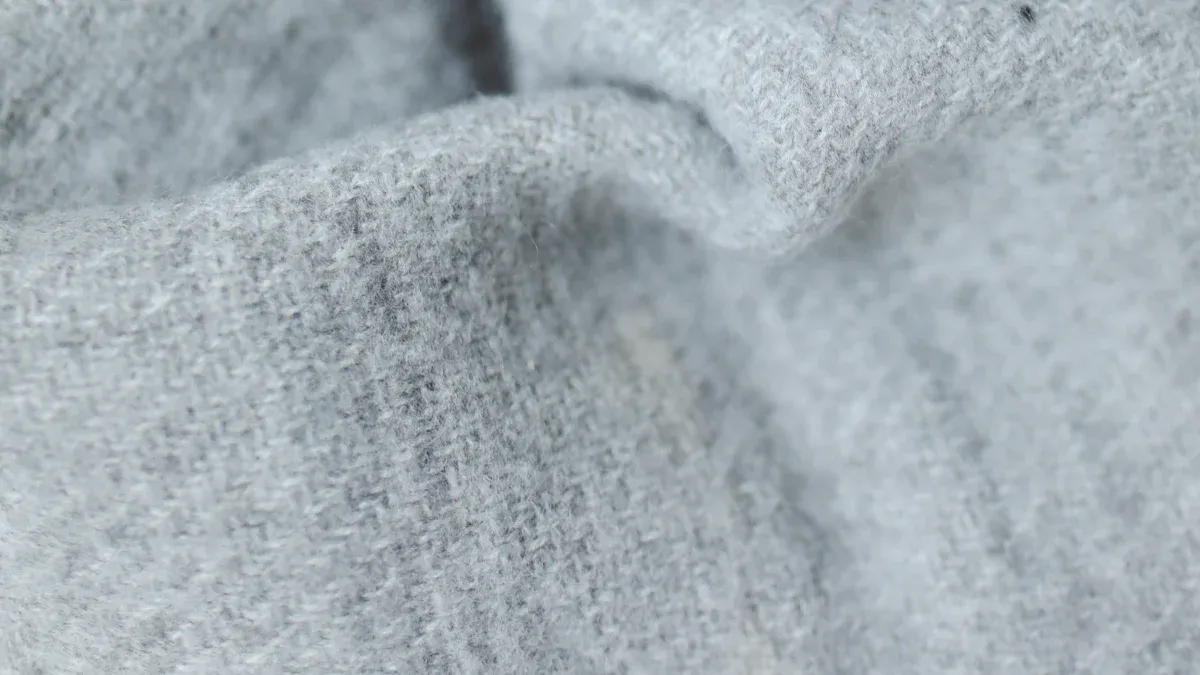
Cotton jersey fabric is a staple in the apparel industry, known for its exceptional comfort and versatility. The history of this textile traces back to the Middle Ages on the island of Jersey, where it was first created.
- The island of Jersey was a major exporter of knitted goods.
- Manufacturers originally crafted the jersey fabric from wool.
- Over time, the material evolved to include cotton and synthetic blends.
This evolution led to the soft, stretchy cotton fabric we value today. The unique characteristics of jersey fabrics make them a preferred choice for everyday wear.
The Single-Knit Difference
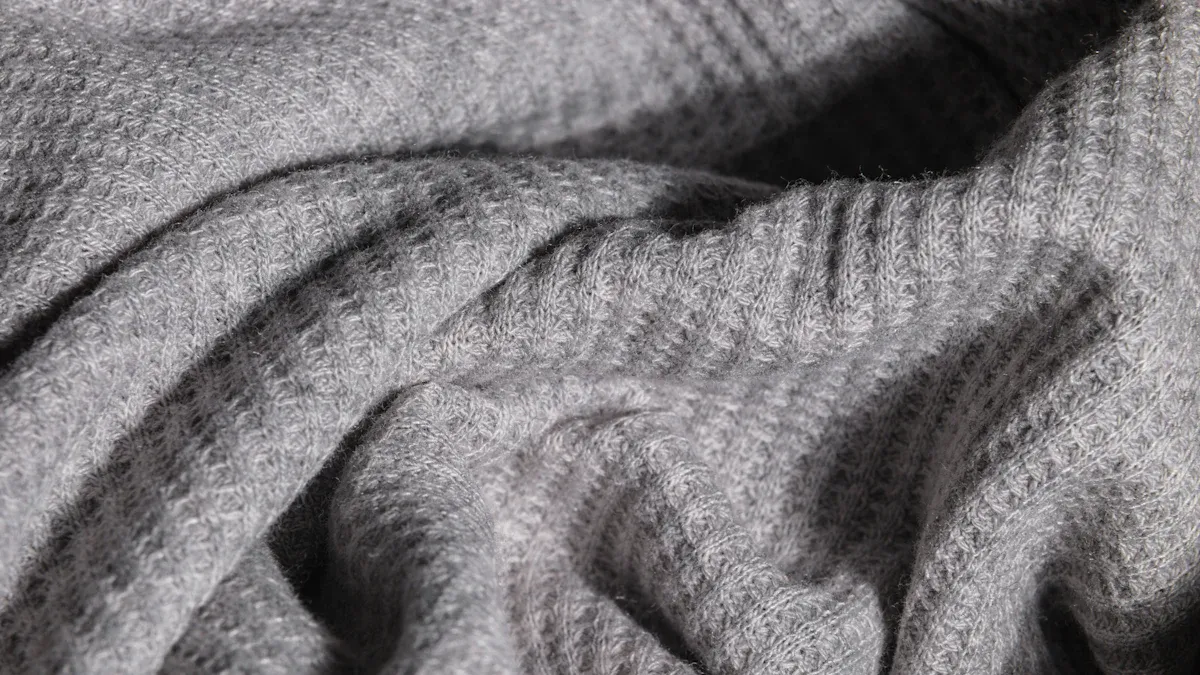
The distinct feel of jersey comes from its manufacturing process. It is a single jersey cotton fabric, meaning it is made with one set of needles. This process creates a fabric with a clear “right” and “wrong” side. The face side has fine, vertical lines, while the back has horizontal ribs. This single-knit construction gives the jersey its natural breathing and stretch qualities. The looping of a single thread over itself provides inherent elasticity, a key feature of this cotton fabric. This quality defines the fabric’s structure and performance.
Core Properties: Soft, Breathable, and Stretchy
The core properties of jersey make it highly desirable. The quality of the cotton fabric depends on technical factors like yarn count. A higher yarn count produces a finer, thinner yarn, resulting in a lightweight and soft fabric. A lower yarn count creates a thicker, coarser cotton fabric.
| Yarn Count (Ne) | Handfeel | Fabric Weight (approx.) |
|---|---|---|
| 16s – 20s | Coarse, thick | Heavy (≥ 220gsm) |
| 24s – 30s | Balanced softness | Medium (~180–200gsm) |
| 32s – 40s | Fine, lightweight | Light (~140–160gsm) |
The open knit structure of the jersey is crucial for its breathability and comfort. This design allows air to circulate, helping moisture evaporate quickly. This quality keeps the cotton fabric feeling light and breathable.
Finally, the fabric is famously stretchy. This stretch percentage measures how much the fabric physically expands. A higher percentage indicates a more stretchy jersey. This quality ensures the final garment moves with the wearer, providing ultimate comfort and a superior fit. The combination of these properties confirms the high quality of this cotton fabric.
Exploring the Types of Jersey Fabric
The world of jersey extends far beyond a single material. Different fibers can be blended with cotton to enhance specific properties, creating a diverse range of options for apparel design. Understanding the primary types of jersey fabrics helps designers and consumers select the perfect material for their needs. Each blend offers a unique balance of comfort, performance, and durability.
100% Cotton Jersey
The classic 100% cotton jersey is celebrated for its pure, natural feel. This fabric is made entirely from cotton fibers, making it a top choice for those who prioritize softness and breathability. The quality of this cotton fabric often depends on the source of the cotton, with organic cotton options gaining popularity due to their focus on sustainability. An organic approach to farming cotton avoids synthetic pesticides, which benefits the environment. This commitment to organic practices results in a high-quality fabric.
However, like any natural material, it has distinct characteristics.
- Benefits: The fabric feels exceptionally gentle against the skin. It offers good natural stretch, allows air to circulate freely, and is versatile enough for many clothing types.
- Drawbacks: This cotton fabric can sometimes develop small pills on the surface after repeated wear. Its color may also fade slightly with prolonged exposure to direct sunlight.
This versatility makes 100% cotton jersey a staple for a wide array of everyday apparel. Its softness is particularly ideal for items worn close to the skin.
Common applications include:
- T-shirts and sweatshirts
- Loungewear and bathrobes
- Underwear and undergarments
- Dresses and skirts
- Baby clothes (especially soft interlock jersey)
The push for sustainability has made organic cotton jersey a leading choice for eco-conscious brands. This organic fabric delivers the same comfort with a reduced environmental footprint.
Cotton Spandex Blends
Designers create cotton spandex blends by adding a small percentage of spandex (also known as Lycra or elastane) to the cotton fabric. This addition dramatically improves the jersey’s stretch and recovery. Even a small amount of spandex, typically between 2% and 5%, transforms the material’s performance. The spandex fibers allow the jersey to stretch significantly further than 100% cotton and, more importantly, snap back to its original shape. This quality is known as stretch recovery.
A fitness brand’s comparison between 100% cotton yoga pants and a cotton spandex version highlighted this difference. The cotton spandex pants provided superior stretch and compression, retaining their supportive fit throughout a workout. In contrast, the pure cotton pants began to sag with extended movement.
| Feature | 100% Cotton | Cotton Spandex |
|---|---|---|
| Stretchability | Limited | High (stretches over 400%) |
| Shape Retention | Moderate | Excellent |
| Stretch Recovery | Low | Excellent |
| Pilling | Prone to pilling | Low resistance |
This enhanced elasticity makes the jersey fabric ideal for activewear and form-fitting garments. The added spandex ensures leggings, yoga pants, and athletic tops move with the body without losing their shape over time. While this blend excels in stretch, it retains much of cotton’s signature softness and breathability.
The chart above shows that while cotton spandex has moderate breathability, its moisture-wicking ability is lower than fully synthetic blends. This makes it a great choice for low-impact activities and everyday comfort where extreme sweat-wicking is not the primary goal.
Cotton Poly Blends (CVC Jersey)
Cotton Polyester Blends, often called CVC (Chief Value Cotton) jersey, combine the best of both natural and synthetic fibers. In a CVC fabric, cotton makes up more than 50% of the blend, preserving the material’s softness while gaining the benefits of polyester. This blend is engineered for durability and easy care.
The polyester component significantly enhances the fabric’s strength, wrinkle resistance, and colorfastness. This makes CVC jersey an excellent choice for uniforms, daily-wear t-shirts, and items that require frequent washing. The fabric is less prone to shrinking or losing its shape compared to 100% cotton. Leading textile manufacturers use advanced color technology to ensure this cotton jersey fabric maintains vibrant, fade-resistant colors wash after wash.
CVC fabric masterfully combines the natural comfort of cotton with the resilience and wrinkle resistance of polyester. This synergy creates a durable, low-maintenance material perfect for modern apparel.
Common CVC blend ratios include:
- 65/35 (Cotton/Polyester): This is the most popular blend, offering a great balance of softness, breathability, and durability.
- 60/40 (Cotton/Polyester): This ratio also provides excellent performance and is valued for its affordability.
This jersey fabric offers a practical solution for creating long-lasting, easy-to-care-for garments without sacrificing the comfortable feel of cotton.
Specialty Jersey: Slub and Tri-Blends
Beyond the standard blends, specialty jersey fabrics offer unique textures and performance characteristics. Slub and tri-blend jersey are two popular examples that provide distinct aesthetic and tactile qualities for fashion-forward apparel. These materials elevate basic garments with added character and superior comfort.
Slub Jersey: Perfectly Imperfect Texture
Slub jersey is a type of cotton fabric known for its unique, textured appearance. Manufacturers create this effect by using yarn that has intentional thick and thin spots. These slight knots and variations in thickness produce a fabric with a vintage, lived-in feel. The resulting cotton fabric has subtle horizontal lines and a distinctive handfeel that sets it apart from smooth jersey.
The beauty of slub jersey lies in its irregularity. This texture adds visual interest and depth to simple garments like t-shirts and tanks, giving them a relaxed, high-quality look.
Many brands now offer slub jersey made from organic cotton. This choice enhances the fabric’s appeal for eco-conscious consumers. The organic process ensures a high-quality cotton fabric free from synthetic pesticides. The commitment to organic materials and sustainability makes this jersey a responsible choice. The quality of this organic cotton is excellent. This organic fabric provides a soft and breathable experience. The organic quality is a key selling point.
Tri-Blend Jersey: The Ultimate in Softness and Drape
Tri-blend jersey represents the pinnacle of comfort and modern performance. This premium fabric combines three different fibers:
- Cotton: Provides natural softness and breathability. Many tri-blends use organic cotton.
- Polyester: Adds durability, wrinkle resistance, and quick-drying properties.
- Rayon: Delivers a luxurious, silky feel and an elegant drape.
This combination creates a jersey fabric that is exceptionally soft, lightweight, and moisture-wicking. The rayon component, in particular, gives the fabric a slight sheen and a fluid drape that flatters the body. The quality of this organic fabric is unmatched.
Tri-blend’s rise to prominence is evident in its prevalence in athleisure wear. It blends seamlessly with the modern fusion of comfort and style. The fashion-forward crowd embraces the luxurious drape and versatility that this jersey offers, making it a staple in contemporary wardrobes. The focus on sustainability is also present here, with many options featuring organic cotton. The quality of this organic cotton jersey is superb. This organic fabric is a top choice.
This versatile jersey is perfect for a wide range of apparel.
- It is ideal for t-shirts, tank tops, hoodies, and sweatshirts.
- People can wear it for lounging, working, exercising, or socializing.
- The fabric is lightweight, breathable, and durable.
- Its softness comes from the rayon, which also adds a desirable luster.
The unique properties of this organic cotton fabric make it a go-to for brands aiming to provide superior comfort and a premium feel. The quality of this organic material ensures customer satisfaction.
The versatility of cotton jersey makes it a cornerstone of the modern wardrobe. Its unique blend of comfort, stretch, and breathability allows for a vast range of applications. Designers use this adaptable cotton fabric for everything from basic essentials to fashion-forward pieces. The many applications of cotton fabric demonstrate its value across different apparel categories.
How to Choose and Care for Your Jersey
Proper selection and maintenance ensure your cotton jersey fabric garments retain their quality and durability. Understanding fabric weight and following best care practices will extend the life of your favorite jersey pieces.
Selecting the Right Weight and Blend
Choosing the right jersey begins with its weight, often measured in Grams per Square Meter (GSM). A higher GSM indicates a thicker, more substantial cotton fabric. The ideal weight depends on the garment’s intended use. This choice directly impacts the final product’s drape, opacity, and durability. The quality of an organic cotton jersey is often superior.
| Garment Type | Recommended GSM |
|---|---|
| Summer T-shirt | 120–160 GSM |
| Year-round T-shirt | 160–190 GSM |
| Sweatshirt | 300–400 GSM |
| Hoodie | 320–450 GSM |
| Summer Dress | 120–200 GSM |
Blends also affect the jersey fabric’s performance. An organic cotton blend enhances softness and breathability. Adding synthetics can improve durability. Selecting an organic cotton jersey supports sustainability and ensures a high-quality, organic feel. The quality of this organic cotton is excellent. This organic choice reflects a commitment to quality.
Washing and Drying Best Practices
Proper care preserves the shape, softness, and quality of your jersey. Following simple washing and drying guidelines maximizes the durability of the cotton fabric. These sustainable practices also contribute to environmental sustainability.
Pro Tip: Always opt for air drying when possible. Laying your jersey garments flat or hanging them prevents the heat damage and shrinkage common with machine dryers. This simple step maintains the quality of the cotton.
For best results, follow these steps to care for your organic cotton jersey:
- Wash the cotton fabric in cold water on a gentle cycle.
- Use half the recommended amount of detergent to prevent residue buildup.
- Shake the jersey garments lightly before hanging them to dry. This action loosens the cotton fibers and reduces stiffness.
- If using a dryer, choose the lowest heat setting and remove the jersey while it is still slightly damp.
Proper care ensures your organic apparel maintains its premium quality. The organic material deserves this attention to detail for lasting durability. This organic quality is worth preserving.
FAQ
How does jersey differ from regular woven cotton?
Jersey fabric has a knit structure, giving it natural stretch and a soft feel. Woven cotton has a grid-like weave, making it more rigid. This knit construction is key to jersey’s signature comfort and flexibility, which improves the garment’s overall quality and durability.
What makes a jersey fabric high quality?
Several factors determine a jersey’s quality. A higher yarn count creates a softer, finer fabric. The consistency of the knit affects its durability. Premium materials, like organic cotton, also enhance the final quality, ensuring both comfort and long-term durability for the garment.
Why do some jersey fabrics pill?
Pilling occurs when short fibers on the fabric surface tangle together. This often happens with lower-quality materials or from friction during wear and washing. Proper care and choosing fabrics with higher durability can minimize pilling, preserving the garment’s quality and appearance over time.
Is jersey fabric good for all seasons?
Yes, its versatility is a major benefit. Lightweight jersey is breathable, providing comfort in warm weather. Heavier weights offer insulation for cooler months. The fabric’s adaptability ensures excellent quality and durability, making it a reliable choice for year-round apparel.