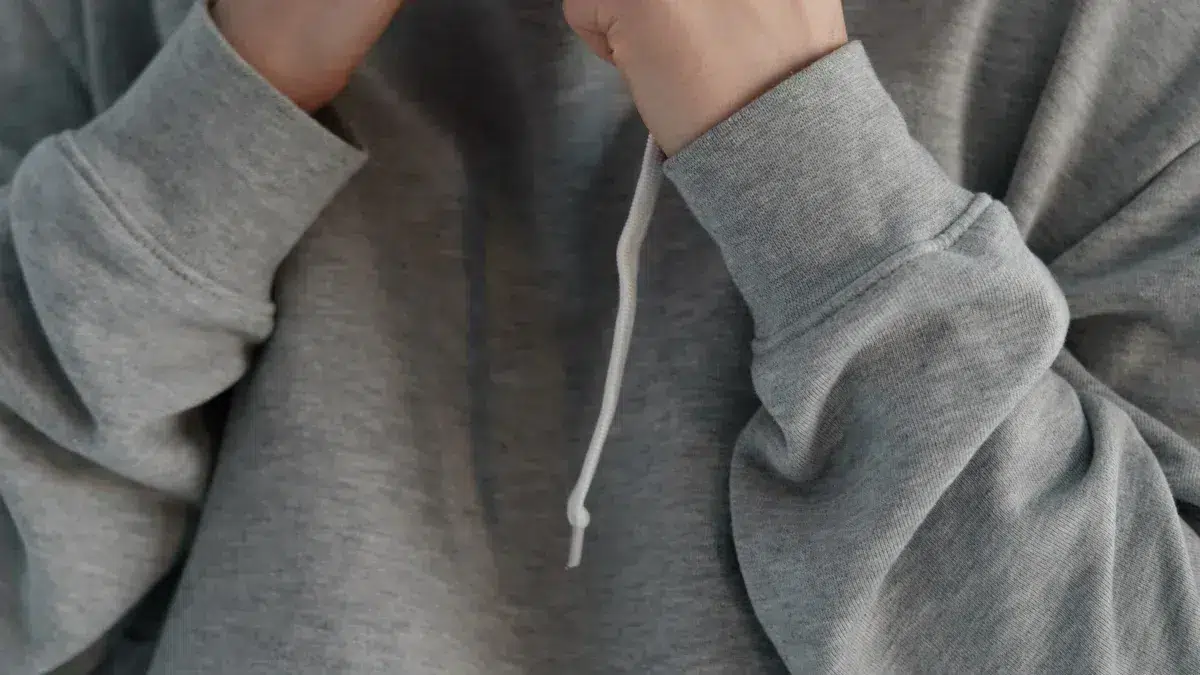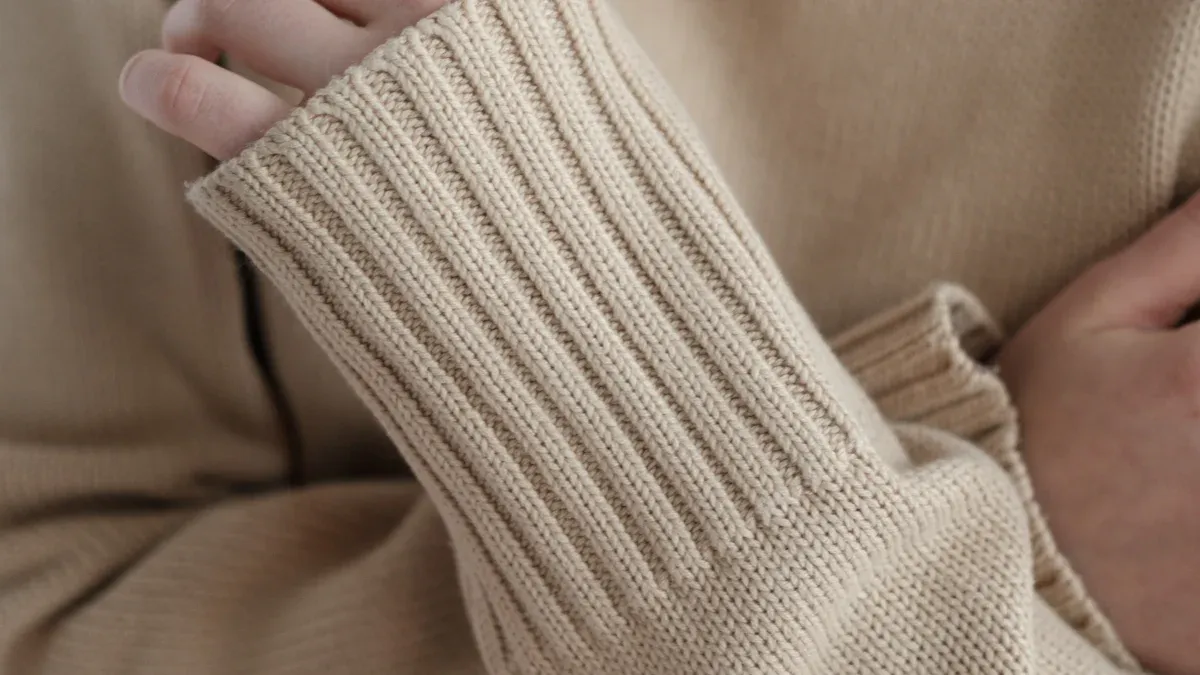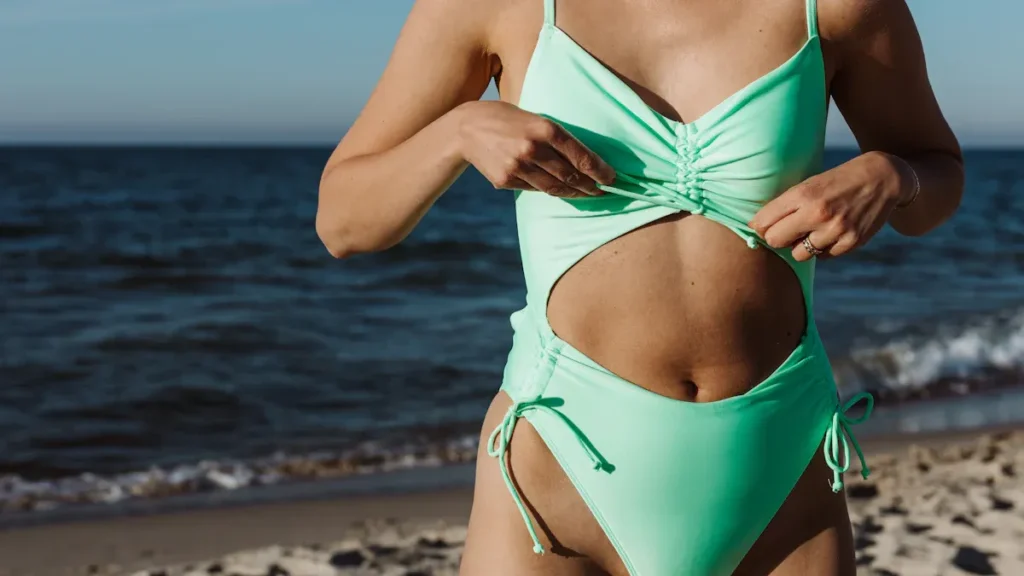
Scuba fabric quality is renowned for its superior quality. Many choose it for its smooth feel and modern aesthetic. This fabric is unique for its elasticity, thickness, and shape retention. People appreciate its durability, wrinkle resistance, and ease of care. Furthermore, its effective water resistance and quick-drying properties make it ideal for everyday wear and travel.
Key Takeaways
- Scuba fabric is tough and elastic, holding its shape well, making it ideal for both everyday clothing and sportswear.
- This fabric does not absorb water and dries quickly, helping to keep garments looking neat.
- Cold water washing can extend its lifespan. Do not use a tumble dryer to maintain the new look of the diving fabric.
- Scuba fabric is versatile and can be used to make everyday clothing, sportswear, and performance costumes.
- When choosing scubafabric, check its thickness and elasticity to ensure it meets your needs.
What is scuba fabric?
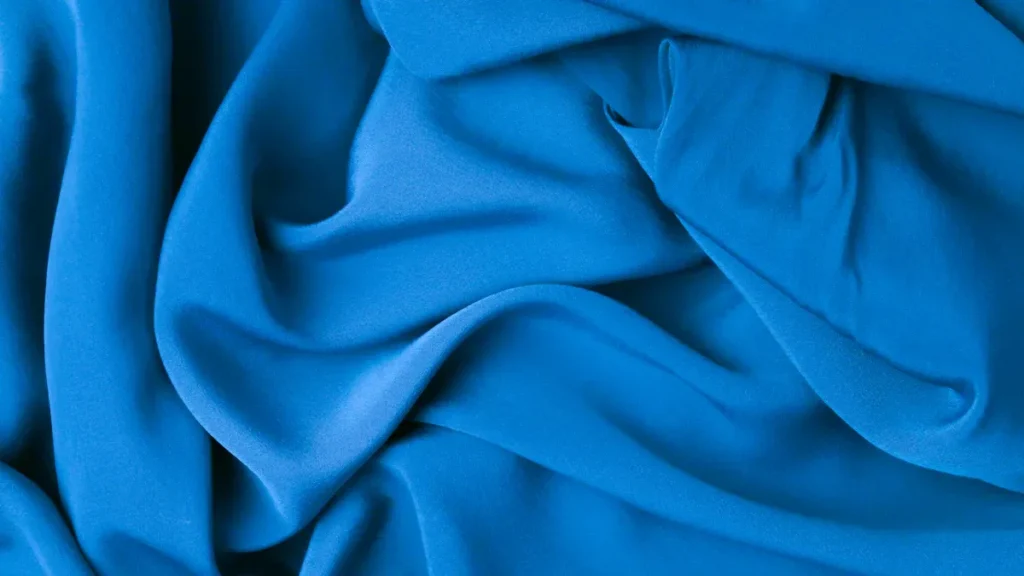
Scuba fabric is a modern material with special properties. Many designers and manufacturers favor it due to its versatility. It is often compared to neoprene. However, diving fabric is lighter and more elastic, making it more suitable for everyday clothing.
Key features
Scuba fabric has the following key physical properties:
- This fabric has excellent elasticity and resilience, allowing the garment to move with the body.
- It has a smooth, soft touch and is comfortable against the skin.
- This fabric is thick and durable, so the garment retains its shape even after repeated wear.
- Scuba fabric has a double-knit construction, giving it a slightly padded feel.
- Its thickness and tightness help the garment maintain its shape, making it popular choice in fashion designs.
- The fabric surface remains smooth and soft, and it does not easily absorb water or wrinkle.
Note: Scuba fabric is different from neoprene. Neoprene is a synthetic rubber used in wetsuits. Diving suit fabric is made of polyester and spandex, making it breathable and lightweight.
Manufacturing Process of Wetsuit Fabric
Manufacturers use specific processes to produce wetsuit fabrics.
- Knitting—Specialized machines simultaneously weave two layers of fabric.
- Fusing—The two layers of fabric are bonded together, sometimes leaving a thin gap in between to form an air layer.
- Finishing—The fabric is dyed, brushed, or coated to improve its feel, absorbency, breathability, and wrinkle resistance.
Wetsuit fabrics are typically made of polyester and spandex (also known as elastic fibers or Lycra). Most blended fabrics contain approximately 95% polyester and 5% spandex. This blended fabric has good elasticity and resilience, while also being strong, durable, and resistant to deformation. Other imitation fabrics may not use this blend, thus highlighting the superior performance of wetsuit fabrics.
Quality inspection is crucial during the manufacturing process of wetsuit fabrics.
| Quality Control Measure | Description |
|---|---|
| Raw Material Inspection | Checks fibers, yarns, and fabrics for strength and consistency. |
| Fabric Testing | Tests for shrinkage, colorfastness, and tensile strength. |
| Stitching and Seam Inspection | Looks for loose threads or weak seams. |
| Dyeing and Printing Quality | Confirms uniform color and print alignment. |
| Final Product Audit | Uses random sampling to detect defects. |
Scuba fabric is made using new processes and rigorous quality testing, making it a durable and high-quality material.
Quality Factors of Scuba Fabric
Durability and Lifespan
Many people choose scuba fabric because they are abrasion-resistant and can withstand daily use without damage. This fabric is waterproof, UV-resistant, and resistant to seawater and chlorine, making it ideal for clothing and sportswear. With proper care, diving fabrics can remain like new for years, without fading or pilling, even after multiple washes. The table below compares the performance of diving fabrics with other fabrics:
| Attribute | Description |
|---|---|
| Resistance to Elements | Water-resistant, UV-protected, and resistant to saltwater and chlorine. |
| Longevity | Can last for several years with proper care, enduring hundreds of uses. |
| Wear Indicators | Minor pilling, fading, or seam weakening may occur over time in high-friction areas. |
The composition of diving fabric is crucial. Most diving fabrics are made from a blend of polyester and spandex, making them strong, durable, and elastic. Fabric thickness is also important. 200 to 300 grams per square meter is ideal, offering both softness and resistance to deformation. Thinner fabrics may not be durable enough, while thicker fabrics can feel stiff and restrict movement.
Tip: Always check the thickness and composition of your diving fabric before engaging in strenuous work.
Comfort and Feel
The comfort of diving fabric also reflects its quality. This fabric is smooth, soft, and comfortable against the skin. Many people appreciate it because it doesn’t cause itching or discomfort. The double-knit construction provides cushioning, making it comfortable even for extended wear.
The following factors contribute to the softness and breathability of diving fabric:
- Special fabric manufacturing processes, such as laser perforation, facilitate airflow.
- New fibers, such as hollow fibers and microfibers, help keep the fabric soft and dry.
These properties make diving fabric an ideal choice for those seeking well-fitting and comfortable clothing. Even with vigorous activity, this fabric remains cool and dry. This means it’s suitable for both everyday wear and sports.
Structure and stretch
The structure of diving fabric gives it excellent elasticity and shape retention. The double-knit process provides multi-directional stretch. The synergistic effect of polyester and spandex gives the fabric both elasticity and strength. This means the fabric is comfortable against the skin.
Diving fabric has a lateral stretch of 30-50%. This means it can stretch with body movement and return to its original shape. This elasticity helps the fabric maintain its good appearance after multiple wears and washes. Therefore, diving fabric is often used in compression garments and sportswear.
The manufacturing process of diving fabric keeps it strong and elastic. It will not sag or deform over time. It suits a variety of body types and is suitable for a wide range of activities. People like diving fabric because it is elastic, resistant to deformation, and fits well.
Note: Diving fabric is ideal for items that require both elasticity and strength. Its robust structure makes it a preferred choice for designers and manufacturers.
Applications of Diving Fabric

Everyday Wear
Scuba fabric as become a wardrobe staple for many. Designers choose it for dresses, hoodies, and leggings because it resists deformation. Many love its smooth feel and waterproof properties. Its excellent elasticity makes it ideal for leggings and fitted tops. Over the past decade, the application of diving fabric has expanded from sportswear to everyday wear. Its waterproof surface helps keep garments dry in light rain or splashes. It’s commonly used in yoga pants, loose tops, and bodysuits. The double-knit construction gives garments a clean, tailored look that suits all body types. Diving fabric offers a wide range of colors and patterns, making it suitable for both casual and formal occasions.
Common everyday uses include:
- Scuba fabric in dresses and skirts
- Hoodies and jackets
- Tights and leggings
- Fitted tops and bodysuits
Special Uses
Scuba fabric is also used for special purposes. The fashion industry uses it to make evening gowns and party dresses. Designers love its texture and shaping effect. This fabric is perfect for modern styles and drapes beautifully. Sports brands use diving fabrics to make sportswear, such as swimwear and sun-protective clothing. Its waterproof properties make it ideal for water sports. Fashion designers use diving fabrics in theater and film to create bold looks and prints. This fabric has good elasticity, thus accommodating a variety of creative needs.
Care and Maintenance
Washing and Drying
Proper care of diving fabric helps extend its lifespan and maintain its good appearance and feel. Here are some simple washing and drying steps for diving fabric:
- Wash in lukewarm water, between 30 and 40 degrees Celsius.
- Use a gentle wash cycle or hand wash in cold water.
- Choose a mild, skin-safe detergent.
- If using a washing machine, place the diving fabric in a mesh bag.
- Gently squeeze out excess water; do not wring.
- Lay the fabric flat or hang to dry, avoiding direct sunlight.
- Never put diving fabric in a dryer, as high temperatures will damage the fabric.
- If ironing is necessary, use a low-temperature steam iron.
These steps help maintain the shape, color, and elasticity of diving fabric. Failure to follow these tips may result in loss of elasticity or damage to the fabric. The table below shows the potential consequences of handling diving fabric incorrectly:
| Handling Mistake | Consequence |
|---|---|
| Using tanks as seats/workbenches | Damages valves ($50 repair) |
| Storing horizontally | Increases moisture contact area by 300% |
| Over-tightening valves | 28% of valve leaks come from stripped threads |
| Ignoring boot wear | Worn boots cause 40% of base dents |
| Improper regulator removal | Twisting damages 1 in 5 valve threads |
Stain and wrinkle resistance
Scuba fabric boasts excellent stain and wrinkle resistance. Its double-knit construction and fiber blend help prevent liquid penetration and keep the fabric smooth and even. Therefore, diving fabric is a wise choice for those who prioritize a clean and presentable appearance. The table below compares the performance of diving fabric with other synthetic fabrics:
| Property | Scuba Fabric | Other Synthetic Fabrics |
|---|---|---|
| Stain Resistance | High | Varies |
| Wrinkle Resistance | High | Varies |
| Durability | High | Varies |
| Color Retention | High | Varies |
Diving fabric is versatile and can meet the needs of various occasions while maintaining excellent elasticity and a bright appearance. Even after multiple washes, this fabric retains its excellent elasticity, making it ideal for sportswear and compression garments.
Advantages and Disadvantages of Diving Fabric
Advantages
Diving fabric offers numerous advantages in clothing and design. Its durability and stylish appearance are appreciated. The table below lists some of its main advantages:
| Advantage | Description |
|---|---|
| Versatility | Good for fashion, outdoor clothes, and many cool items. |
| Durability | Double-knit style helps it last long and keep its shape after lots of use. |
| Comfort | Stretches to fit your body, giving a modern look and soft feel. |
| Aesthetic Appeal | Holds color well, so it comes in bright colors and cool patterns. |
Designers use scuba fabric to make dresses, hoodies, and sportswear. It’s also suitable for sportswear, bags, homewear, party costumes, and theatrical costumes. This fabric is flexible, allowing for a variety of styles. Its smooth surface and vibrant colors give garments a fresh look.
Tip: If you want comfortable and stylish clothing, scuba fabric is a great choice.
Disadvantages
Scuba fabric also has some disadvantages. People should consider the following before using it:
- This fabric is relatively thick, so it may feel stuffy in warm weather.
- Tight-fitting clothing may restrict movement for some people.
- Some scuba fabrics are not very breathable, so they may cause sweating.
People should consider the weather and the type of clothing they want before choosing scuba fabric. For clothing requiring more breathability or in hot environments, other fabrics may be more suitable.
Choosing scuba fabric for your needs
When to choose scuba fabric
People choose scuba fabric because they want clothing that is both stylish and comfortable. Designers use it to make dresses, loose tops, and jackets, among other garments. Sportswear brands use it to make yoga pants and leggings because of its elasticity and soft feel. Swimwear manufacturers love its waterproof and quick-drying properties. Fashion designers use it to create bold silhouettes and cool styles.
When choosing fabric for a project, consider the following:
- Purpose and Intended Use: Think about what you want to make, such as sportswear, fashion apparel, or costumes.
- Weight and Thickness: Choose the appropriate fabric thickness based on the weather and style. Thicker fabrics hold their shape better.
- Elasticity and Recovery: Check if the fabric has good elasticity and the ability to return to its original shape.
- Surface Texture and Finish: Choose a smooth or rough fabric depending on the effect you want.
- Color and Print Options: Choose colors and patterns that match your design.
Suerte offers customization options for designers and brands and allows for small-batch orders, helping them easily handle a variety of needs. You can order from 300 meters, which is lower than the minimum order quantity for most other channels. This helps small businesses try out new ideas without spending too much. Suerte can also produce samples quickly within 3-5 days and provides a full-service experience from design to fabric production.
Tip: For best results, ensure the fabric properties match your project requirements.
Alternatives to consider
Some projects require other fabrics. The table below lists some commonly used fabrics and their applications:
| Fabric Type | Properties and Uses |
|---|---|
| 210D Nylon | Strong and light; good for backpacks and bike bags. |
| XPAC VX21 / ECOPAK EPX200 | Waterproof and eco-friendly; used for outdoor gear. |
| Challenge ULTRA 200/400 | Very strong and light; best for projects needing high strength. |
| 500D-1000D Cordura Nylon | Tough and abrasion-resistant; used for heavy-duty bags and luggage. |
| Silicone-Coated Polyester | Waterproof and durable; ideal for tents and tarps. |
| PU-Coated Nylon/Polyester | Strong and seam-tapeable; common in dry bags and tents. |
People should refer to these options to find the fabric that best suits their needs.
Diving fabrics are known for their durability, comfort, and practicality. People appreciate their resistance to deformation and stains. If you want to choose high-quality diving fabric, you should:
- Choose a fabric that meets your needs and feels comfortable.
- Try a sample to feel its elasticity and softness.
- Take good care of your garment to keep it looking new.
- Request a laboratory test report and check the fabric’s thickness.
- Carefully inspect the fabric to ensure there are no problems.
Suerte makes high-quality diving fabrics easy to access. Their fabrics are brightly colored, easy to care for, and a smart choice for garment making.
FAQ
What is the difference between diving fabric and neoprene?
Diving fabric is made of polyester and spandex. Neoprene is made of synthetic rubber. Diving fabric is lighter and more elastic than neoprene. Neoprene is heavier and provides better warmth. Designers prefer to use diving fabrics for clothing. Sports brands also use neoprene for wetsuits.
Can diving fabric be used in sportswear?
Yes, many sportswear brands use diving fabric in their sportswear. It’s ideal for making leggings, swimwear, and sun-protective clothing. Diving fabric is stretchy and quick-drying. It’s also waterproof and retains its shape during exercise.
How should diving fabric be stored?
Lay the diving fabric flat or roll it up. Store it in a cool, dry place. Avoid direct sunlight and high temperatures. This helps the fabric retain its color and elasticity.
Is diving fabric suitable for sensitive skin?
Diving fabric is soft and smooth to the touch. Most people with sensitive skin can wear it. Please make sure you are not allergic to polyester or spandex before wearing it.