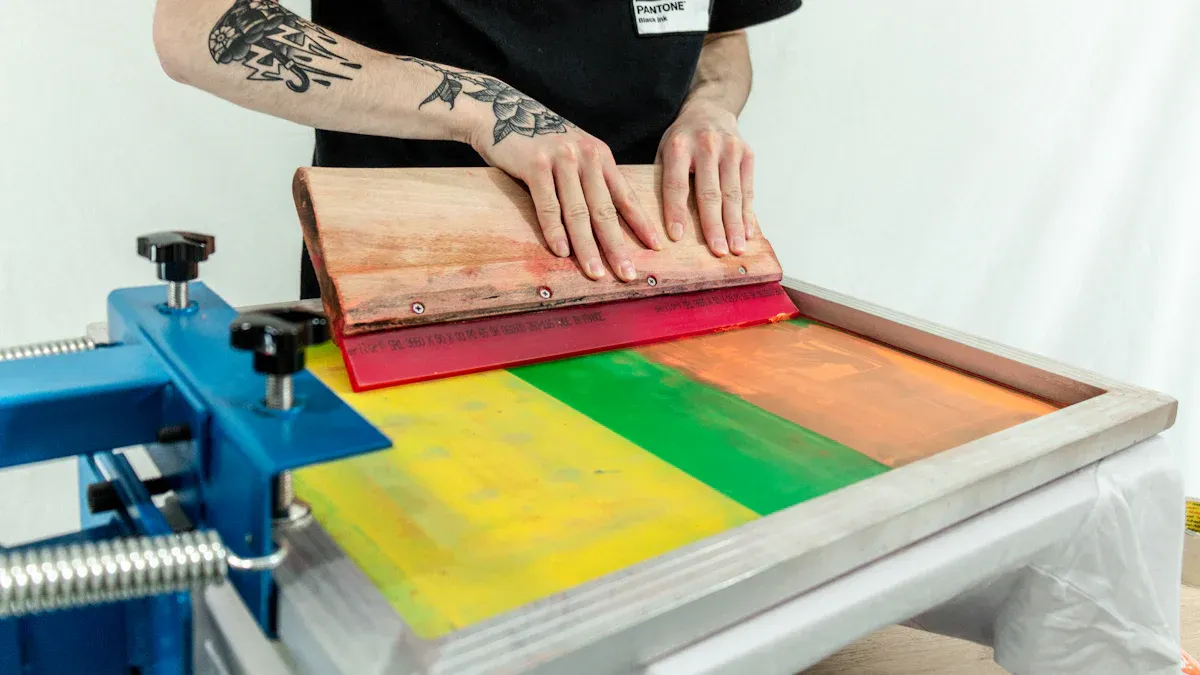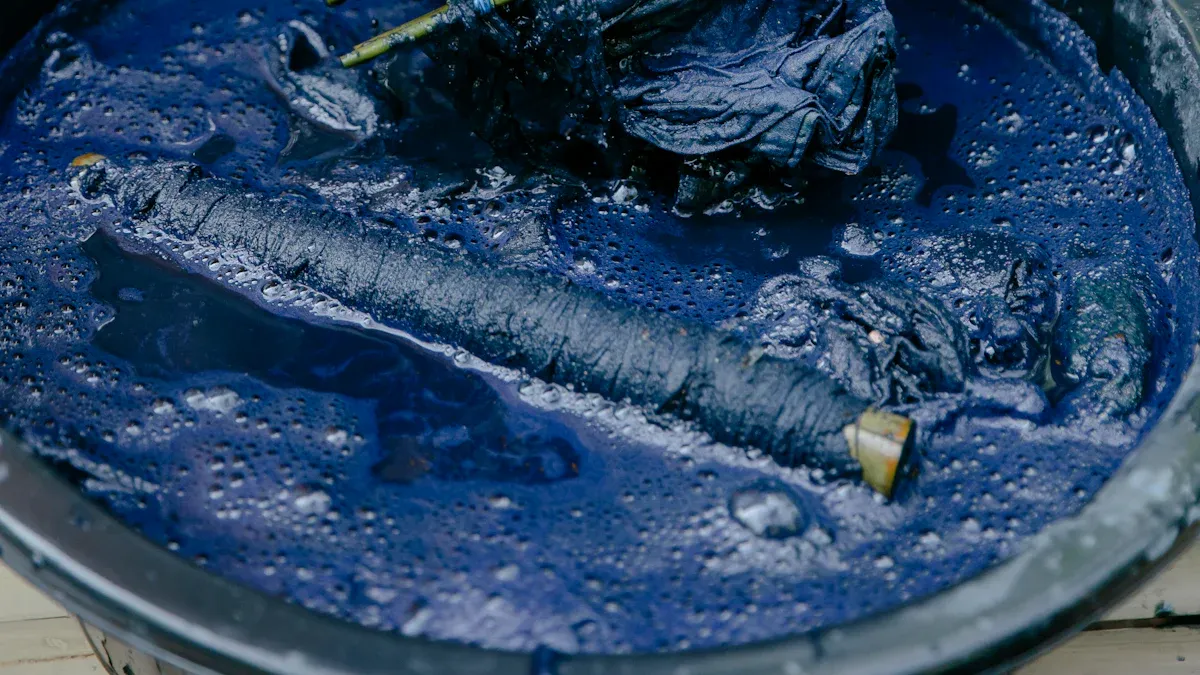
Imagine choosing fabrics that positively contribute to a cleaner planet. Eco-printed fabrics make this vision a reality. This groundbreaking technology emphasizes sustainability and revolutionizes textile printing and dyeing processes. Eco-printed fabrics use renewable materials and avoid harmful chemicals, creating a safer environment for you and the planet. Unlike traditional methods, it significantly reduces waste at every stage. Choosing products made with eco-printed fabrics means embracing sustainability and protecting natural resources for future generations.
Key Takeaways
- Eco-printed fabrics use natural dyes and renewable materials, making them a better choice for reducing waste and pollution.
- The process avoids harmful chemicals, making it safer for the environment and workers.
- Eco-printing significantly reduces water and energy consumption, helping to protect the planet.
- Choosing eco-printed products allows you to have unique and more durable designs. It adds style to your clothing while reflecting an environmental commitment.
- Choosing eco-friendly fabrics helps protect the planet and supports green living.
What is Eco Printing Fabric?
The Process of Eco-Printing
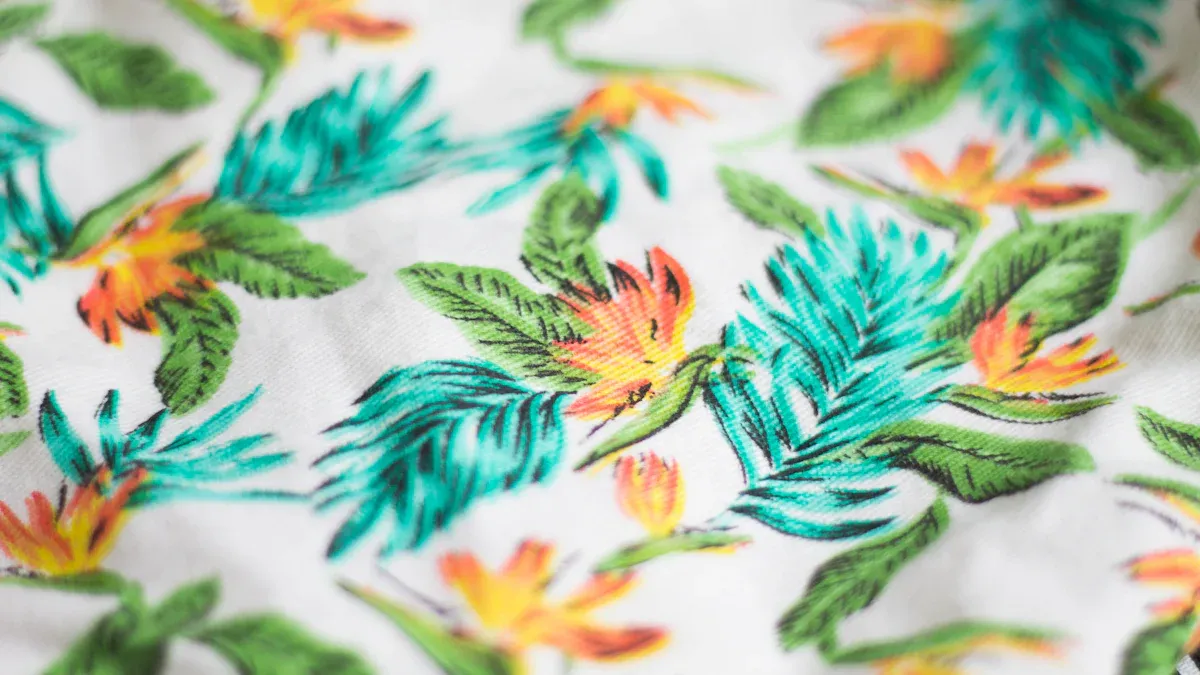
Eco-printing is a revolutionary sustainable textile printing method. It utilizes natural pigments extracted from plants, flowers, and leaves to create beautiful patterns directly on fabric. Unlike traditional methods, eco-printing avoids the use of synthetic dyes and harmful chemicals. This process relies on techniques such as plant-based printing, where plant materials are imprinted onto the fabric, and then their natural colors and patterns are transferred through steam treatment. This method not only produces stunning visual effects but also reduces waste and pollution. If you’ve always wondered how to achieve eco-friendly printing on fabrics, eco-printing offers a simple and effective solution that aligns with sustainable design principles.
Natural Materials in Eco-Friendly Textile Printing
Eco-friendly textile printing technology centers on the use of renewable and biodegradable materials. Natural fabrics such as cotton, wool, and bamboo are ideal bases for eco-friendly printing designs. These fabrics effectively absorb natural pigments, ensuring vibrant and long-lasting print colors. Research shows that natural dyeing methods offer numerous advantages, such as higher color saturation and antibacterial properties. For example:
- Benli and Bahtiyari demonstrated that an enzyme-ultrasound combination enhances the dyeing effect of natural dyes on cotton.
- Raja and Thilagavathi discovered that wool treated with alkaline protease exhibits greater color depth.
- Zhang and Cai pointed out that wool treated with protease and dyed with sappanwood showed better color intensity.
These innovations in the field of environmentally friendly textile printing and dyeing demonstrate that natural materials not only enhance
Sustainable Properties of Eco Printing Fabric
Eco printing fabric stands out for its remarkable sustainability. Compared to traditional methods, it consumes less water, minimizes energy use, and eliminates chemical pollution. The following table illustrates the differences:
| Aspect | Traditional Fabrics | Eco Printing Fabrics |
|---|---|---|
| Water Consumption | High, thousands of liters per kg | Significantly reduced, often waterless methods |
| Chemical Pollution | Releases hazardous chemicals into water | Uses natural dyes, minimizing toxicity |
| Energy Consumption | High carbon emissions from fossil fuels | Utilizes renewable energy sources |
| Waste Generation | Enormous amounts of waste | Focus on recycling and upcycling |
| Microfiber Pollution | Contributes to microplastic pollution | Minimal, especially with natural fibers |
Choosing environmentally friendly printing and dyeing techniques supports sustainable textile printing and dyeing, which prioritizes resource conservation and waste reduction. Environmentally friendly printed and dyed fabrics embody sustainable design principles and are a wise choice for environmentally conscious consumers.
Environmental Benefits of Eco Printing
Waste Reduction in Sustainable Textile Printing
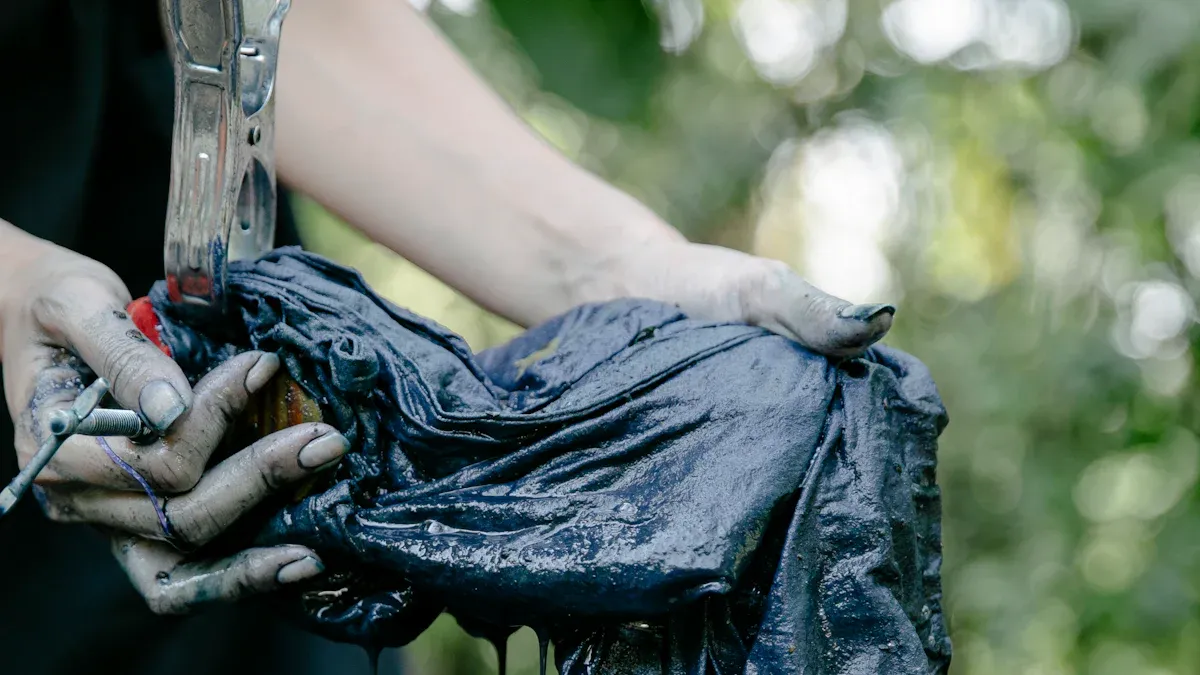
Eco-printing transforms the way fabrics are produced by drastically reducing waste. Unlike conventional methods that rely on subtractive processes, eco-print uses additive techniques to minimize material loss. This approach ensures that every resource is utilized efficiently, leaving little to no waste behind. For example, botanical printing directly transfers natural pigments onto fabric, eliminating the need for excess dyes or chemicals.
To understand the difference, consider the following comparison:
| Method | Waste Reduction Capability |
|---|---|
| Eco Printing | Significantly reduces waste through additive processes, minimizing material loss and defects. |
| Conventional | Inherently creates waste due to subtractive processes that alter raw materials. |
By choosing eco-friendly textile printing, you actively contribute to a reduced environmental impact. This choice not only supports sustainability but also ensures cleaner production practices that benefit the planet.
Elimination of Harmful Chemicals in Eco-Print
Eco-printing eliminates the use of harmful chemicals, making it safer for both the environment and workers. Traditional textile printing often relies on synthetic dyes and toxic substances that pollute water sources and harm ecosystems. Eco-printing, on the other hand, uses natural dyes derived from plants, flowers, and leaves. These biodegradable pigments ensure that no hazardous residues enter the environment.
Improved worker safety is another key benefit. Without exposure to toxic chemicals, workers experience healthier working conditions. This shift toward safer practices aligns with the principles of eco-friendly textile printing, offering a cleaner and more ethical production process. When you choose eco-print products, you support industries that prioritize sustainability and human well-being.
Conservation of Resources Through Renewable Materials
Eco-printing fabric emphasizes the use of renewable materials, conserving valuable resources like water and energy. Natural fibers such as bamboo, cotton, and wool serve as the foundation for eco-friendly textile printing. These materials absorb natural dyes efficiently, reducing the need for excessive water usage during production.
Additionally, eco-printing techniques often utilize renewable energy sources, further lowering the carbon footprint. By opting for eco-print fabrics, you help conserve resources while supporting sustainable practices. Botanical printing, for instance, showcases how renewable materials can create stunning designs without compromising the environment. This innovative approach ensures that every step of the process contributes to a reduced environmental impact.
Comparing Eco Printing to Traditional Methods
Waste Generation in Conventional Textile Printing
Traditional textile printing and dyeing methods generate staggering amounts of waste. These processes typically employ subtractive printing techniques, discarding excess dyes, chemicals, and water after use. This waste not only pollutes the environment but also exacerbates the growing problem of textile waste in landfills. According to a report by the U.S. Environmental Protection Agency (EPA), while specific data on textile printing and dyeing waste is currently limited, the broader issue of textile waste is extremely serious. This underscores the urgent need to develop sustainable alternatives.
On the other hand, eco-friendly printing and dyeing utilizes additive manufacturing technology, minimizing waste. Instead of discarding excess material, it focuses on transferring natural pigments directly to the fabric. This method ensures that every resource is used efficiently, generating virtually no waste. Choosing environmentally friendly textile printing and dyeing can actively reduce the environmental burden caused by traditional methods.
Environmental Impact of Traditional Printing Methods
The harmful effects of traditional textile printing extend far beyond waste generation. These methods rely heavily on synthetic dyes and toxic chemicals, which often end up in water sources. This contamination harms aquatic ecosystems and poses risks to human health. Additionally, conventional printing consumes vast amounts of water and energy, leading to high carbon emissions and resource depletion.
In contrast, eco-printing eliminates these harmful effects. It uses natural dyes derived from renewable sources like plants and flowers, ensuring that no toxic residues enter the environment. Furthermore, eco-friendly textile printing techniques often require less water and energy, significantly reducing their carbon footprint. By embracing eco-print fabrics, you support a cleaner, healthier planet while rejecting the damaging practices of traditional methods.
Advantages of Eco Printing Fabric Over Conventional Techniques
Eco-printing offers numerous advantages over conventional textile printing. First, it prioritizes sustainability by using renewable materials and reducing waste. This makes it an ideal choice for environmentally conscious consumers like you. Second, it eliminates harmful chemicals, ensuring safer production processes for workers and cleaner products for end users. Third, eco-friendly textile printing techniques often produce unique, vibrant designs that stand out in quality and aesthetic appeal.
Unlike traditional methods, which rely on mass production and synthetic materials, eco-printing celebrates individuality. Each piece is crafted with care, reflecting the natural beauty of its raw materials. This not only enhances the visual appeal of the fabric but also ensures its durability and longevity. When you choose eco-print products, you enjoy the advantages of eco-friendly textile printing while making a positive impact on the environment.
🌱 Tip: Opt for eco-print fabrics to combine style, sustainability, and quality in your wardrobe or home decor. Every choice you make contributes to a greener future.
Practical Applications and Consumer Benefits
Examples of Eco-Printed Products (e.g., Suerte)
Eco-friendly printed products are transforming the textile industry with their sustainability and unique appeal. Companies like Suerte Textile are leading the way, offering a wide variety of eco-friendly printed fabrics. Their advanced production infrastructure supports large-scale production while maintaining exceptional quality. Suerte focuses on eco-friendly textiles such as bamboo fiber knitwear, rayon blends, and jacquard fabrics. These materials perfectly absorb natural pigments and create vibrant patterns through techniques like plant-based printing.
The growing consumer demand for eco-friendly printed products reflects a shift in consumer values. Research shows that global searches for sustainable products have increased by 71% over the past five years. Millennials, in particular, highly value sustainability, with 75% considering it in their purchasing decisions. Choosing eco-friendly printed products means partnering with brands that share your commitment to environmental protection.
Durability and Longevity of Eco-Friendly Textile Printing
Eco-friendly textile printing technology rivals traditional processes, ensuring fabric durability. Sustainable fabrics undergo rigorous testing to guarantee their longevity. For example, colorfastness to washing is significantly improved; eco-friendly printed fabrics maintain a colorfastness of 4 to 5 points after multiple washes. The lightfastness is also excellent, maintaining vibrant colors even after prolonged exposure to light.
These technological advancements make eco-friendly printed textiles ideal for everyday use. Whether you’re choosing clothing or home décor, these fabrics are durable and consistently high-quality. Suerte’s eco-friendly printed products combine durability and sustainability, offering you practical and environmentally friendly options.
Aesthetic Appeal and Unique Designs in Eco-Print
Eco-printing celebrates individuality through its artistic approach. Techniques like botanical printing transfer natural pigments directly onto fabric, creating intricate patterns inspired by nature. Each design is unique, reflecting the beauty of the materials used.
Eco-printed fabrics stand out for their vibrant colors and detailed textures. Unlike mass-produced textiles, these products offer a personal touch that enhances their aesthetic appeal. Suerte’s expertise in fabric customization ensures that every piece meets your specific needs, from pattern design to production optimization. By choosing eco-printed textiles, you enjoy stunning visuals while supporting sustainable practices.
🌿 Note: Eco-printed products combine style, durability, and sustainability, making them a smart choice for your wardrobe or home decor.
Eco printing fabric transforms textile production into a sustainable practice that benefits the environment and your lifestyle. It reduces waste, eliminates harmful chemicals, and conserves resources, making it a smarter choice for eco-conscious consumers like you.
By choosing eco-printed products, you actively support a cleaner planet while enjoying fabrics that are durable, visually stunning, and crafted with care.
🌍 Take Action: Make a difference today by opting for eco-friendly textiles. Every purchase helps protect the Earth and promotes sustainable living.
FAQ
What makes eco printing fabric an environmentally conscious alternative?
Eco printing fabric uses natural dyes and renewable materials, reducing waste and pollution. It eliminates harmful chemicals and conserves resources, making it a sustainable choice for you and the planet.
Can eco-printed fabrics match the durability of traditional textiles?
Yes, eco-printed fabrics are highly durable. They undergo rigorous testing to ensure long-lasting quality. You can trust these textiles to maintain their vibrant colors and strength even after repeated use.
Are eco-printed products more expensive than traditional ones?
Eco-printed products may have a slightly higher upfront cost. However, their durability and sustainability make them a cost-effective choice in the long run. You invest in quality while supporting eco-friendly practices.
How do I care for eco-printed fabrics?
Wash eco-printed fabrics in cold water with mild detergent. Avoid harsh chemicals or bleach. Air drying is recommended to preserve their vibrant colors and extend their lifespan.
Where can I find eco-printed products?
You can explore eco-printed products from brands like Suerte Textile. They offer a wide range of high-quality, sustainable fabrics tailored to your needs.