Jacquard fabric is one of the most exquisite fabrics on the market, and many people wonder why it’s so expensive. The high price stems from its complex manufacturing process, high-quality raw materials, and exquisite craftsmanship. Numerous reports indicate that jacquard fabric requires specialized machinery and experienced workers to create its intricate patterns, which is a key reason why jacquard fabric is significantly more expensive than other fabrics. Designers often choose jacquard fabric over polyester or pure cotton because of its superior feel and luxurious appearance.
Key Takeaways
- The high price of jacquard fabric is due to its complex manufacturing process. It requires specialized machinery and experienced workers.
- High-quality raw materials, such as fine cotton and silk, make jacquard fabric soft to the touch and durable.
- The intricate patterns take longer to create. This makes jacquard fabric rarer and more precious.
- Suerte offers quick samples and allows you to purchase in small quantities. This helps designers obtain high-quality jacquard fabric faster.
- Using high-quality fabric to create jacquard fabric extends its lifespan and keeps it beautiful for longer.
Why is jacquard fabric so expensive?
Complex Weaving Process
The special feature of jacquard fabric lies in its complex weaving process. Experts say the main reason for its high price is its manufacturing process. This process requires a special loom that can move each warp thread independently. This allows workers to create intricate patterns and designs that are impossible with ordinary fabrics. Because the patterns are so complex, workers must carefully plan and closely monitor each step. This time-consuming and labor-intensive process also contributes to the higher price of jacquard fabric compared to other fabrics.
The table below lists the main reasons for the high price of jacquard fabric:
| Factor | Description |
|---|---|
| Complex Weaving Process | Uses special looms for detailed patterns and needs skilled workers, so production costs go up. |
| Design Complexity | Making detailed patterns takes lots of planning and effort, which adds to the cost. |
| Artisanal Craftsmanship | Skilled workers bring culture and skill, so the price is higher. |
| Limited Production | Slow production means fewer pieces, so prices are higher. |
Jacquard weaving is a complex process, making it more expensive than fabrics like cotton or polyester. Each jacquard design requires more time and skill, further driving up the price. Despite the high cost, designers still favor jacquard fabrics for their unique look and texture.
Suerte offers designers rapid sampling and customization services, helping them easily obtain high-quality jacquard fabrics without long waits. Designers can see samples in just a few days, allowing for faster decision-making and avoiding mistakes.
Specialized Machinery
The machines used to produce jacquard fabrics are another reason for their high cost. Unlike ordinary looms, these machines use advanced technology to control each yarn, enabling workers to create intricate patterns that highlight the unique charm of jacquard fabrics. These machines are expensive and require highly skilled workers to operate.
The table below lists some characteristics of specialized jacquard machines:
| Feature | Description |
|---|---|
| Computerized Jacquard Mechanism | Makes work faster and cuts down on pattern setup time. |
| Automatic Controls | Replace old mechanical types and make it easier to create complex patterns. |
| High-Tech Shedding Device | Helps make perfect products and works with many types of looms. |
Modern jacquard looms utilize automation and digital technology. These new tools save time and improve fabric quality. Efficient machines help prevent thread breaks, resulting in a more even fabric. This technology also offers more design options, a benefit for both designers and manufacturers.
Specialized machines and complex weaving processes contribute to the high price of jacquard fabrics. These reasons explain why jacquard fabrics are more expensive than other fabrics. Suerte’s rapid sampling and customization services help designers more easily obtain high-quality jacquard fabrics. This allows brands to enjoy the convenience of jacquard fabrics without long wait times or excessive risk.
Materials Make Jacquard Expensive Compared to Other Fabrics

High-Thread-Count Cotton
The unique feature of cotton jacquard fabric is its use of high-count cotton yarn, which makes the fabric both soft and durable. Designers love cotton jacquard fabric because it is breathable and less likely to cause allergies. Only the highest quality cotton yarn is used in the weaving process, allowing for clear and bright patterns. Cotton jacquard fabrics come in a wide variety, including pure cotton, blends, and double-sided prints. Each type has its unique advantages, making it particularly suitable for creating jacquard curtains.
| Type of Jacquard Cotton | Characteristics | Price Range |
|---|---|---|
| Pure Cotton Jacquard | 100% cotton, breathable, soft, hypoallergenic, excellent dye absorption | Not specified |
| Cotton-Blend Jacquard | 60-80% cotton with polyester/spandex, durable, wrinkle-resistant | Not specified |
| Double-Sided Jacquard | Mirrored patterns, versatile for dual-color effects | Not specified |
| Dobby vs. True Jacquard | True jacquard allows for complex designs, higher price point | Not specified |
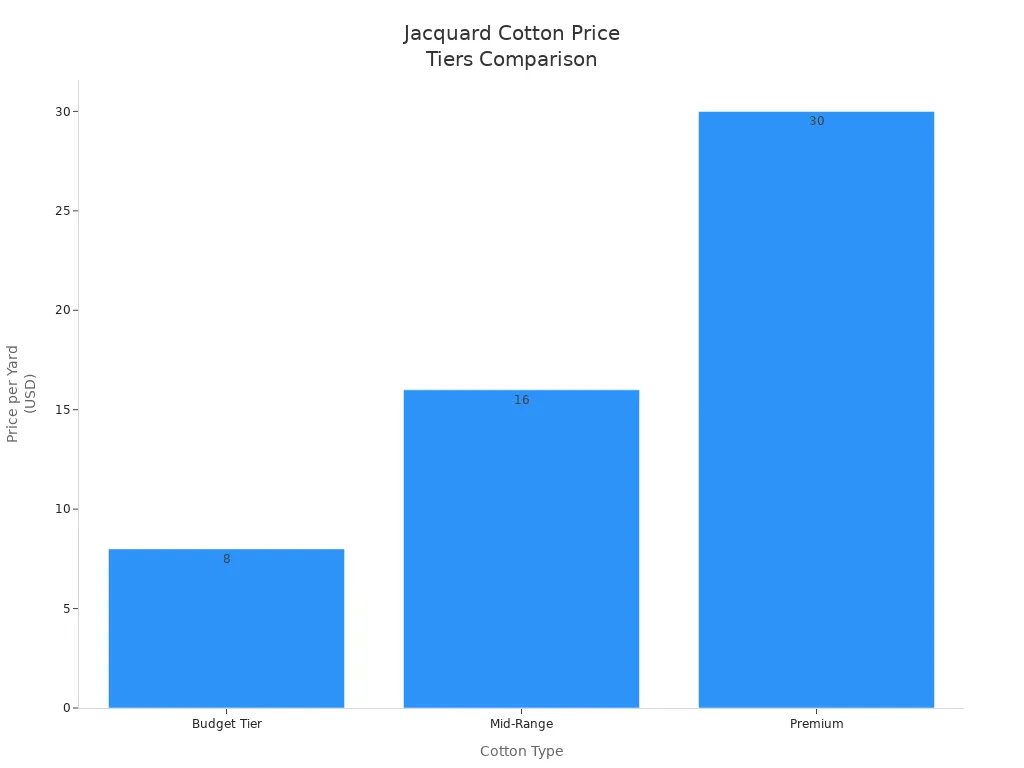
| Budget Tier | Cotton-polyester blends, moderate pattern detail | $8–$15 per yard |
| Mid-Range | 100% cotton options with refined weaves | $16–$30 per yard |
| Premium | Handcrafted or imported jacquards, organic certification, custom designs | $30+ per yard |
Suerte offers a variety of cotton jacquard fabric fibers, including organic cotton, blends, and custom options. This helps designers choose the right material for their jacquard curtains. High-quality fabrics make cotton jacquard durable and give them a noble and elegant feel.
Silk and Other Premium Fibers
Silk jacquard curtain fabrics have a luxurious look and a smooth feel. Silk has a bright sheen and a soft touch. Many designers use silk jacquard curtain fabrics for special garments and sophisticated room décor. The bright sheen and soft touch of silk jacquard curtain fabrics make them ideal for creating luxurious spaces.
Other premium fibers, such as wool and nylon, are also commonly used in jacquard curtain fabrics. Wool makes the fabric warm and substantial, while nylon makes it strong yet lightweight. These fibers allow jacquard curtain fabrics to be suitable for a variety of styles, both fashion and home décor.
| Fiber Type | Characteristics | Applications |
|---|---|---|
| Cotton | Soft, breathable, ideal for home textiles and casual wear. | Upholstery, curtains, dresses |
| Silk | Luxurious feel, natural sheen adds opulence. | High-end fashion, evening dresses, luxury upholstery |
| Wool | Thicker, offers insulation, perfect for colder weather. | Suits, coats, blankets |
| Polyester | Affordable, durable, maintains shape and pattern well. | Home decor, mass-market fashion |
| Nylon | Lightweight, resistant to abrasion, suitable for performance wear. | Sports fabrics, performance wear |
Suerte’s cotton jacquard and silk jacquard curtain fabrics are made from the finest materials. The selection of premium fibers ensures the fabrics are strong, durable, and luxurious. Designers trust Suerte because they consistently use high-quality materials. The right fibers contribute to the longevity and beauty of jacquard curtain fabrics.
Exquisite Patterns with Jacquard Curtain Fabrics
Design Complexity
The unique feature of jacquard fabrics lies in the intricacy of their patterns. These patterns are meticulously crafted by advanced machinery and skilled artisans. Each piece of fabric can display images, shapes, or flowers. This makes jacquard fabrics distinctly different from other fabrics.
The more intricate the pattern, the higher the price of the jacquard fabric. Superior machinery, top-quality materials, and skilled artisans combine to create a higher price. The table below lists the factors that contribute to the higher price of intricately patterned jacquard fabrics:
| Cost Factor | Description |
|---|---|
| Initial Investment | High-quality Jacquard machines require substantial upfront costs due to advanced features. |
| Ongoing Operational Costs | Raw materials, energy, and labor costs rise with more intricate patterns. |
| Labor Costs | Skilled technicians are needed for operation and maintenance, adding to overall expenses. |
| Material Quality | Premium fabrics are more expensive than standard materials. |
| Energy Consumption | High-speed Jacquard machines use more energy for intricate designs and patterns. |
| Pattern Change Speed | Slow pattern changes can limit market responsiveness and affect pricing. |
New machines use computers instead of traditional punch cards. This allows workers to create more intricate, modern patterns. Today, design teams can create a wide variety of styles, making jacquard fabrics especially precious and beautiful.
Pattern Precision and Finishing
Creating perfectly patterned jacquard fabric requires exceptional care. Every step strives to achieve the best visual and tactile effect.
- Designers use computers to create clear and detailed patterns.
- The yarns are arranged in the correct order for weaving.
- Special machines move each yarn to form the pattern.
- The fabric is washed and treated to give it a lustrous sheen and durability.
- Workers check the size, pattern, and color to ensure perfection.
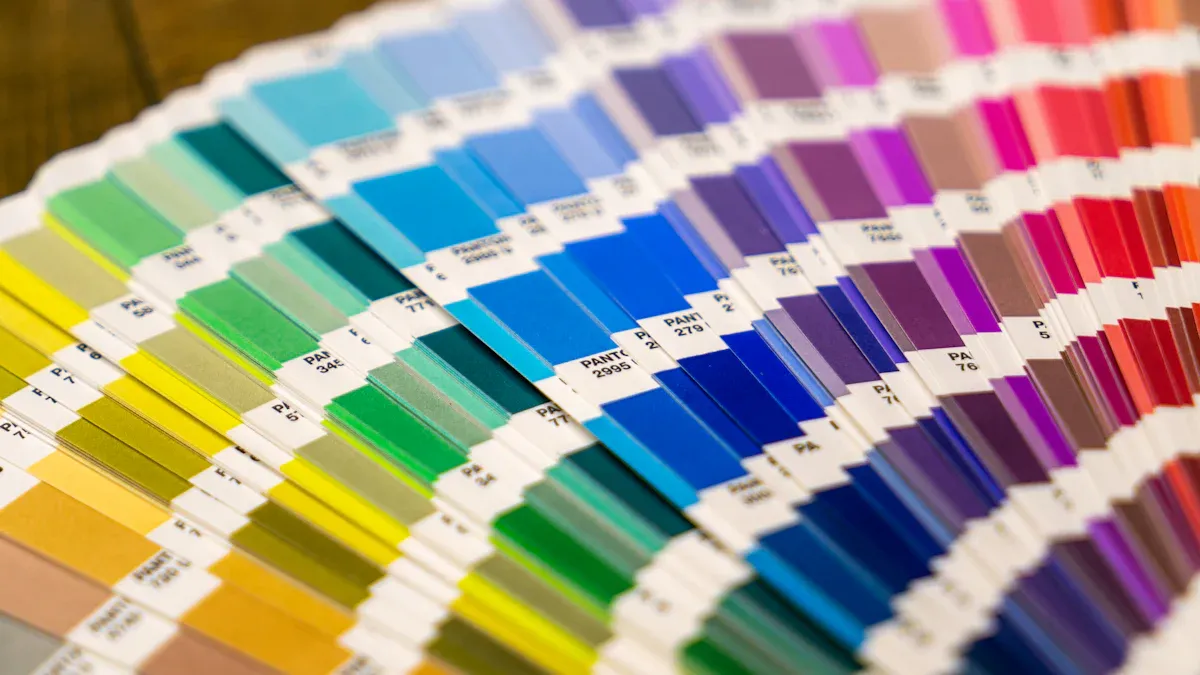
Suerte assists designers by carefully inspecting colors and patterns. Their team closely monitors colors during production and uses tools to maintain color consistency. This ensures that every piece of jacquard fabric perfectly reflects the designer’s vision and maintains the brand’s high quality.
Jacquard curtain fabrics are renowned for their high quality and exquisite craftsmanship. Craftsmen select the finest fibers and dedicate considerable time to meticulously crafting each piece. The tight weave makes jacquard fabric both strong and soft. People love jacquard fabrics for their smooth feel, vibrant colors, and durability.
Jacquard Technique and Tradition
Skilled Labor
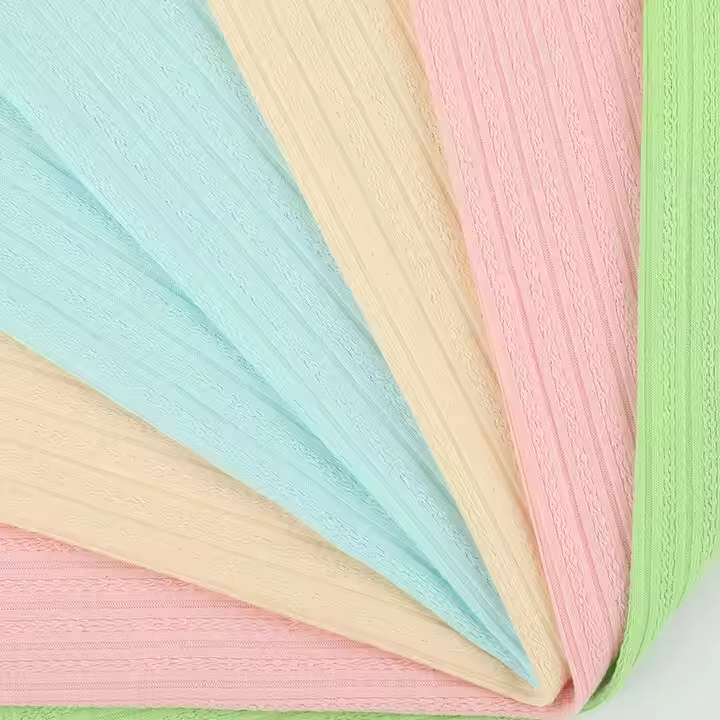
Skilled craftsmen are crucial to the creation of jacquard fabrics. They use their expertise to select yarn colors and weave them together, giving jacquard fabrics a rich texture and soft touch. Weaving is not entirely machine-made; it requires manual operation of the shuttle, moving the yarn up and down. This handcrafted approach ensures that each piece meets high standards. Skilled craftsmen infuse jacquard fabrics with artistry and artistry, making them even more valuable. Many reports indicate that training and experience drive up the cost of jacquard fabrics. The Suerte team, with over 14 years of experience, provides designers with a full-service experience from initial concept to final product.
Heritage Techniques
Tradition is an important part of jacquard fabric making. Many ancient techniques are still used today. Hand embroidery imbues each piece with an artistic flair, making it unique. Jacquard weaving allows artisans to create exquisite and beautiful patterns. The use of natural dyes is not only environmentally friendly but also makes the fabric more appealing in the luxury market. These processes are time-consuming and labor-intensive, making jacquard fabrics rare and expensive.
Suerte combines modern machinery with traditional craftsmanship. Their team ensures that every piece of jacquard fabric showcases exquisite craftsmanship and a long-standing tradition. This dedication makes jacquard fabrics luxurious in both appearance and touch. It is the premier choice for those who seek quality and a unique experience.
Uniqueness and Limited Production
Resource-Intensive Production
The uniqueness of jacquard fabric lies in its more complex production process. Artisans need to spend extra time weaving intricate patterns. This makes the fabric more expensive. Each pattern requires special machine settings. The production process for jacquard fabrics is more time-consuming, slowing down production. Because of this slow process, each batch of jacquard fabric is unique. Jacquard fabrics are produced in limited quantities, making them very rare. Designers often wait longer for jacquard fabrics than for regular fabrics.
The table shows that jacquard fabrics take significantly longer to produce than cotton knit fabrics. This slower production speed drives up the price of jacquard fabrics, making them more rare. Due to limited production, each piece is unique. Each jacquard fabric has its own unique pattern and design, further enhancing its value.
Suerte allows designers to order jacquard fabrics in small batches, eliminating the need for large-scale purchases. This helps smaller brands experiment with new patterns and designs, test ideas, and mitigate risk. Suerte’s model makes rare jacquard fabrics more accessible.
Luxury Market Demand
The luxury market needs jacquard fabrics because of their superior quality. People appreciate fabrics with unique patterns and designs. This makes jacquard fabrics more expensive and prestigious. Jacquard fabrics are often used in luxury goods to signify status and quality.
Jacquard fabrics are even more sought after due to limited production. Luxury buyers favor fabrics with unique patterns and designs. Suerte helps designers obtain these special fabrics in small-batch orders, allowing them to experiment with new design ideas and reduce costs.
The uniqueness of jacquard fabrics lies in their highly complex weaving techniques and premium materials, resulting in intricate patterns requiring skilled artisans. Because few people master jacquard weaving, it is extremely precious. Designers love jacquard fabrics because of their durability and artistic appeal. The table below illustrates the differences between jacquard fabrics and other fabrics:
| Feature | Jacquard Fabric | Other Fabrics |
|---|---|---|
| Durability | High | Varies (often lower) |
| Artistry | Intricate woven patterns | Simpler designs (e.g., faux fur) |
| Texture | Rich and textured | Soft or shiny (e.g., velvet) |
| Structural Integrity | Strong and long-lasting | Often less durable (e.g., lace) |
FAQ
What makes jacquard fabric different from other textiles?
The unique feature of jacquard fabric is that its patterns are formed through a weaving process. This design requires advanced looms and skilled workers. Many people appreciate jacquard fabric because it is durable and has an artistic flair.
Why do designers choose jacquard fabric for high-end projects?
Designers choose jacquard fabric for high-end projects because it uses top-quality materials. This fabric has a rich texture and unique patterns. These characteristics make clothing, furniture, and curtains look more refined.
How can Suerte help with custom jacquard fabrics?
Suerte offers quick samples and allows you to place small orders. Their team assists designers with color and pattern confirmation. This service enables brands to quickly obtain high-quality jacquard fabric.
Is jacquard fabric suitable for everyday wear?
Jacquard fabric is suitable for both special occasions and everyday wear. Its robust weaving process and stylish patterns make it a popular choice for home furnishings, clothing, and accessories.
What types of fibers are used in jacquard fabric?
Manufacturers use cotton, silk, wool, polyester, and nylon in jacquard fabrics. Each fiber gives a fabric a unique feel, luster, or strength.