Sublimation printing fabrics transform your custom garments into vibrant, durable showcases of your designs. This cutting-edge technology enables flawless, full-width printing on polyester fabrics, making it ideal for personalized apparel such as sweatshirts and t-shirts. The durability of sublimation printing fabrics ensures your designs won’t crack, peel, or fade even after multiple washes. Furthermore, advancements in sublimation technology now offer faster processing times and a selection of environmentally friendly inks, catering to the needs of environmentally conscious consumers. With the continued growth in demand for customized products, sublimation printing fabrics offer a cost-effective solution that combines quality and price.
Key Takeaways
- Sublimation printing creates vibrant patterns by printing ink onto polyester fabric. The colors remain bright and vibrant even after multiple washes.
- This method is highly effective at preventing cracking, peeling, and fading. It is ideal for custom-made garments such as sweatshirts and T-shirts.
- Sublimation printing works well on polyester and blended fabrics, offering a variety of options for different styles of clothing.
- Choosing sublimation printing helps protect the environment because it uses less water and chemicals than traditional printing methods.
- Sublimation printing saves costs regardless of order size. It is fast and reduces upfront setup costs.
Understanding Sublimation Printing Fabric
How Sublimation Printing Works
Sublimation printing transforms your designs into vibrant, durable prints through a precise process. First, create or select graphics using RIP software and combine them into a master layout file. This file is then sent to a specialized printer, which sprays sublimation ink onto transfer paper. Once the transfer paper is ready, it is applied to the fabric and then heat-pressed using a heat press or rollers.
The magical process occurs when the ink is rapidly heated. The heat causes the ink to evaporate and penetrate the fabric’s micropores, which open at high temperatures. As the heat dissipates, the micropores close, and the ink is permanently embedded in the fabric fibers. This process ensures the pattern blends seamlessly with the fabric, resulting in a print that resists fading, cracking, or peeling. Sublimation printed fabrics offer unparalleled quality and durability, making them ideal for custom garments.
Why Sublimation Printing Is Unique for Custom Apparel
Sublimation printing stands out for its professional-grade printing results. The ink permanently integrates into the fabric fibers, ensuring the design remains vibrant, smooth, and even after multiple washes. Unlike heat transfer printing, sublimation printing avoids the stiffness of fabrics, resulting in a soft, breathable print that enhances wearing comfort.
Unlike vinyl printing, this method achieves vibrant colors without requiring multiple layers. It also outperforms DTG printing, delivering a brighter and more durable effect. Sublimation-printed fabrics are ideal for custom garments, especially those requiring full-coverage printing and long-term quality retention. Whether you’re designing sweatshirts, t-shirts, or other polyester garments, sublimation printing ensures your work looks high-end and is durable.
Key Benefits of Sublimation Printing for Custom Apparel
Vibrant and Long-Lasting Colors
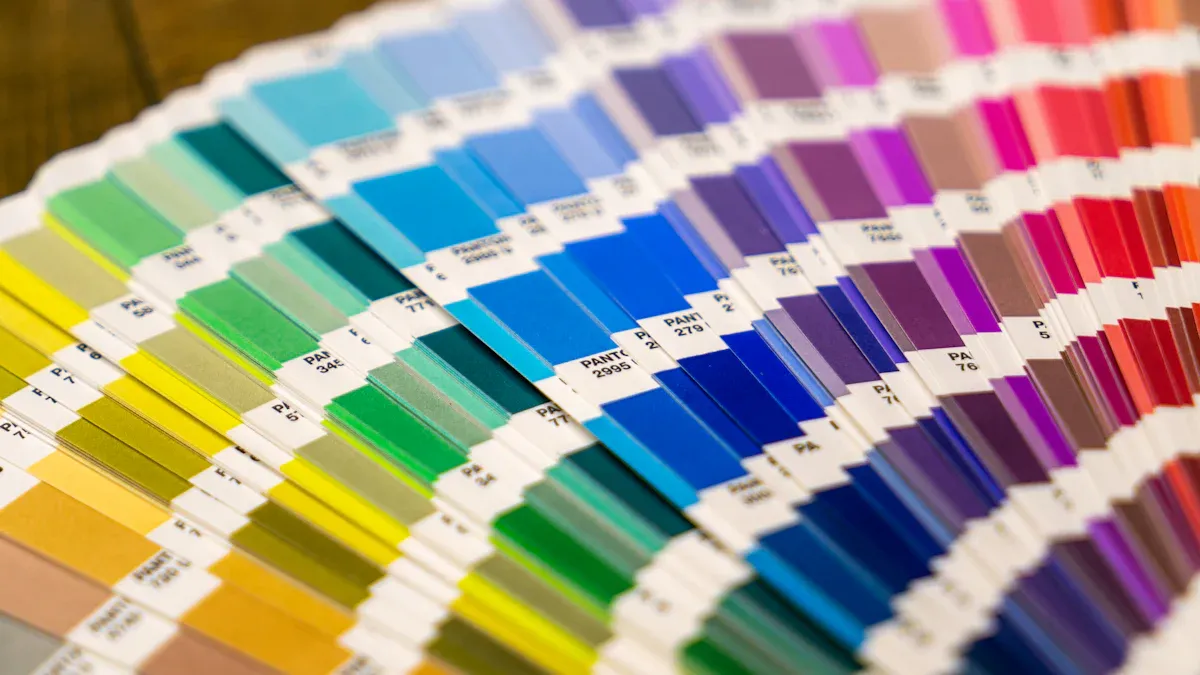
Sublimation printing delivers unmatched vibrancy and color depth, making your designs stand out. The dye-Sublimation printing delivers unparalleled vibrancy and color depth, making your designs stand out. The sublimation process injects ink directly into the fabric fibers, creating a high-resolution image that retains its vibrant colors for a long time. Unlike traditional methods, sublimation printing ensures that colors remain vivid even after multiple washes. Therefore, it is ideal for custom T-shirts and other personalized garments.
Numerous studies have highlighted the superior color performance of sublimation printing. For example:
- Research shows that advancements in ink technology have enhanced the adhesion between the ink and the fabric, thereby improving color gamut and overall print quality.
- Instrumented color quality control in the textile industry has increased color tolerance limits, ensuring consistent and vibrant color results.
- Research also emphasizes the role of fabric structure and dye type in achieving optimal color results, showcasing the precision of sublimation printing.
Choosing sublimation printing ensures your custom garments have vibrant, long-lasting colors that leave a lasting impression.
Durability: Designs That Resist Cracking, Peeling, and Fading
Durability is one of the most important advantages of sublimation printing. Unlike surface printing, sublimation printing embeds the design into the fabric fibers. This ensures your garments won’t crack, peel, or fade even after prolonged wear. Whether you’re customizing jerseys for a sports team or creating personalized T-shirts for an event, sublimation printing guarantees your designs will last.
The sublimation printing process bonds the ink firmly to the synthetic fibers of the fabric. This molecular-level fusion ensures the design is permanently integrated into the fabric. Therefore, even after multiple washes or sun exposure, your garments will maintain their quality and appearance. Sublimation printed fabrics offer a reliable solution for customers seeking durable, high-quality custom apparel.
Versatility: Ideal for Polyester and Blended Fabrics
Sublimation printing is renowned for its versatility, suitable for a wide range of fabric types. While it performs best on polyester and polyester blends, technological advancements have expanded its applications. This flexibility allows you to explore various garment customization options.
Research confirms the adaptability of sublimation printing:
- Market demand continues to grow due to the compatibility of dye sublimation printing with materials such as ceramics, metals, and treated natural fibers.
- Pre-treating fabrics with polyvinyl alcohol can improve the printing performance and color reproduction of cotton and polyester blends.
- Single-pass printers can handle a variety of fabrics, including silk, polyester, and blends, demonstrating the broad applicability of sublimation printing.
For custom garments, polyester remains the preferred fabric because it combines effectively with sublimation inks. This ensures vibrant, durable, and environmentally friendly prints that meet your unique design needs. Whether you’re creating high-resolution patterns for sportswear or casual wear, sublimation printing offers unparalleled flexibility.
Eco-Friendly and Sustainable Printing Process
Sustainability has become a critical factor in the apparel industry, and sublimation stands out as an eco-friendly printing method. Unlike traditional techniques, sublimation minimizes environmental impact by reducing water and chemical usage. This makes it an excellent choice for businesses and individuals seeking greener solutions for custom apparel.
One of the most significant advantages of sublimation printing fabric lies in its efficient use of resources. Traditional methods often require large amounts of water for dyeing and rinsing, leading to substantial wastewater generation. Sublimation, on the other hand, uses heat to transfer designs directly onto the fabric, eliminating the need for water-intensive processes. This not only conserves water but also reduces the strain on wastewater treatment systems.
The table below highlights the eco-friendly benefits of sublimation compared to traditional methods:
| Aspect | Sublimation Printing | Traditional Methods |
|---|---|---|
| Water Usage | Uses less water | High water consumption |
| Chemicals | Fewer harsh chemicals involved | Often involves toxic chemicals |
In addition to conserving water, sublimation avoids the use of harsh chemicals commonly found in traditional printing. Many conventional methods rely on toxic dyes and solvents that can harm the environment and pose health risks to workers. Sublimation uses specialized inks that bond with polyester fibers without releasing harmful substances. This ensures a safer and cleaner production process.
By choosing sublimation, you contribute to a more sustainable future. The process not only reduces resource consumption but also aligns with the growing demand for environmentally responsible practices. Whether you’re creating custom sportswear or promotional apparel, sublimation offers a way to achieve vibrant, durable designs while minimizing your ecological footprint.
Sublimation Printing vs. Traditional Methods
Advantages Over Screen Printing
Sublimation printing offers numerous advantages over screen printing, making it the preferred choice for custom garments. Screen printing requires creating stencils for each color, increasing production time and upfront costs. Sublimation printing eliminates this step, transferring the design directly to the fabric, thus accelerating production and reducing costs.
Durability is another key difference. Screen printing applies ink to the fabric surface, which can crack or peel over time. Sublimation printing, on the other hand, integrates the ink into the fabric fibers, ensuring the design is durable and resistant to wear. Therefore, sublimation printing is ideal for garments requiring frequent washing or high-intensity use.
The table below highlights the differences between these methods:
| Feature | Sublimation Printing | Screen Printing |
|---|---|---|
| Durability | Embedded ink, resistant to fading | Surface-level ink, prone to cracking |
| Production Time | Faster due to direct transfer | Slower due to stencil creation |
| Design Complexity | Handles intricate designs | Better for simple patterns |
| Setup Costs | Lower initial costs | Higher due to stencil requirements |
Sublimation printing fabric ensures vibrant, durable designs with quicker turnaround times, making it a superior choice for custom apparel.
Benefits Compared to Heat Transfer Vinyl (HTV)
Heat Transfer Vinyl (HTV) involves cutting and pressing vinyl onto fabric, which limits design flexibility and creates a textured finish. Sublimation, on the other hand, produces smooth, breathable prints that feel like part of the fabric. This enhances comfort and gives apparel a professional look.
HTV is better suited for small, simple designs, while sublimation excels in creating intricate, full-color graphics. Sublimation also outperforms HTV in durability. Vinyl designs can peel or fade over time, whereas sublimation prints remain vibrant and intact.
The table below compares these methods:
| Metric | HTV Benefits | Sublimation Printing Benefits |
|---|---|---|
| Durability | Prone to peeling and fading | Long-lasting, fade-resistant |
| Comfort | Textured finish | Smooth, breathable prints |
| Design Flexibility | Limited to simple designs | Ideal for intricate graphics |
| Production Time | Slower due to vinyl cutting | Faster with direct transfer |
Sublimation printing delivers superior results for custom apparel, especially when you need high-quality, durable designs.
Why Sublimation Is Perfect for All-Over Printing
Sublimation stands out as the best method for all-over printing. It allows you to create seamless, edge-to-edge designs that cover the entire garment. This capability is ideal for patterns, gradients, and vibrant graphics that require full coverage.
Unlike other methods, sublimation integrates the design into the fabric, ensuring it remains smooth and fade-proof. The process works best on light-colored polyester fabrics, making it perfect for sportswear, promotional apparel, and custom t-shirts.
The table below outlines why sublimation excels in all-over printing:
| Feature | Description |
|---|---|
| Fabrics | Best for light-colored polyester |
| Designs | Seam-to-seam printing with vibrant colors |
| Durability | Long-lasting, fade-proof prints |
| Comfort | Soft, texture-free finish |
| Limitations | Not suitable for cotton or dark fabrics |
Sublimation printing fabric ensures your all-over designs look professional and last longer, making it the go-to choice for custom apparel.
Cost-Effectiveness of Sublimation Printing Fabric
Initial Investment vs. Long-Term Savings
Sublimation printing offers a unique balance between upfront costs and long-term savings. While the initial investment in sublimation equipment may seem higher compared to traditional methods, the benefits quickly Sublimation printing strikes a unique balance between initial investment and long-term benefits. While the initial investment in sublimation equipment may be higher compared to traditional methods, the returns quickly outweigh the costs. The process eliminates the need for expensive stencils or screens, significantly reducing upfront investment. Once installed, the equipment produces high-quality, low-waste prints, making it ideal for businesses of all sizes.
- While the initial setup cost of sublimation printing is higher, the unit cost decreases as production scales up due to faster speeds and less waste.
- Sublimation printing is primarily used in apparel, highlighting its importance in the bespoke clothing market.
Choosing sublimation printing provides a cost-effective solution for creating vibrant, durable designs. In the long run, the savings in materials and labor costs make this a wise choice for bespoke clothing.
Why Sublimation Printing Is Suitable for Small and Large Orders
Sublimation printing stands out for its versatility, accommodating both small and large orders with ease. Whether you need a single custom t-shirt or thousands of jerseys for a sports team, this method ensures consistent quality and quick turnaround times. The process involves just two steps—printing and heat fixing—eliminating the need for pre-treatment or post-print washing. This simplicity enhances efficiency and reduces production time.
| Key Advantage | Description |
|---|---|
| Market Dominance | Dye-sublimation accounts for nearly 50% of digital textile prints, indicating its widespread use. |
| Growth Rate | The market is projected to grow from USD $8.1 billion in 2019 to USD $14.2 billion by 2025. |
| Ease of Production | Simplifies the printing process with just two steps: print and heat fix, eliminating pre-treatment. |
| Speed of Production | Quick turnaround with no delays for coating or post-print washing, enhancing efficiency. |
| Environmental Benefits | The process is environmentally secure, saving energy and water compared to traditional methods. |
This adaptability makes sublimation printing cost-effective for bulk orders while remaining practical for smaller quantities. You can scale your production without compromising on quality, making it an ideal choice for businesses seeking flexibility in their custom apparel solutions.
Suerte’s Cost-Effective Custom Apparel Solutions
Suerte Textile elevates the cost-effectiveness of sublimation printing to new heights. With its comprehensive production infrastructure and advanced fabric processing technology, Suerte ensures high-quality printing results at highly competitive prices. Whether you’re using polyester knit fabrics, rayon blends, or other types of fabrics, Suerte offers tailored solutions to meet your needs.
Our one-stop service covers every aspect of the process, from pattern design to production optimization. This streamlined and efficient approach minimizes costs and accelerates delivery, helping you seize market opportunities. For cost-sensitive clients, Suerte offers low-cost fabric processing solutions that achieve the same visual impact without sacrificing quality.
With Suerte, you’ll gain reliable, customized garment solutions. Our superior sublimation printing technology ensures vibrant, breathable, and long-lasting colors. Whether you’re producing small batches or large orders, Suerte provides cost-effective solutions that meet your goals.
Practical Tips for Sublimation Printing Success
Choosing the Best Fabrics for Sublimation
Choosing the right fabric is crucial for achieving vibrant, durable sublimation prints. Polyester and polyester blends (with at least 65% polyester content) work best. These fabrics allow sublimation inks to adhere effectively, ensuring high-resolution images and long-lasting prints. To enhance color saturation, a pretreatment spray is recommended, which can increase color intensity by up to 30%.
Testing small pieces of fabric before full-scale production is essential. This step helps assess color accuracy and print quality, reducing the risk of errors. In fact, 78% of successful sublimation printing companies attribute their success to rigorous testing and sampling processes. While over 80% of sublimation printing enthusiasts prefer pure polyester fabrics, experimenting with blends can also yield excellent results for specific customized needs.
Essential Equipment and Tools for Sublimation Printing
Investing in the right equipment ensures consistent and professional results. Below is a comparison of popular sublimation printers to help you make an informed decision:
| Printer Model | Key Features | Pros | Cons |
|---|---|---|---|
| Epson EcoTank 2760 | 100-sheet capacity, Wi-Fi connectivity | High page yields, low cost per print | Slow printing speed |
| Epson SureColor F170 | PrecisionCore Technology, 1200 x 600 dpi | High-quality print contrasts and colors | Tedious installation |
| Sawgrass SG500 | CreativeStudio apps, 2-year warranty | Exceptional color accuracy | Not as portable |
| Liene Photo Printer | Portable, Wi-Fi connectivity | Ships with 20 photo papers | Limited for repetitive tasks |
The Sawgrass SG500 and Epson SureColor F170 stand out for their exceptional color accuracy and ability to handle larger print sizes. When choosing a printer, prioritize specifications like DPI (dots per inch), printing-field size, and speed. A higher DPI ensures sharper and more detailed prints, which is critical for sublimation printing.
Tips for Achieving High-Quality Results
To achieve professional-grade sublimation prints, follow these practical tips:
- Prepare Your Fabric: Ensure the fabric is clean and wrinkle-free before printing. This prevents imperfections in the final design.
- Optimize Your Design: Use high-resolution graphics to maintain clarity and detail. Low-quality images can result in blurry or pixelated prints.
- Calibrate Your Equipment: Regularly check and adjust your printer settings for optimal color accuracy. This step ensures consistent results across multiple prints.
- Control Heat and Pressure: Set your heat press to the recommended temperature and pressure levels. Incorrect settings can lead to uneven prints or color distortion.
By adhering to these guidelines, you can produce sublimation prints that stand out for their quality and durability. Whether you’re working on small projects or large-scale orders, these practices will help you achieve a high degree of customization and customer satisfaction.
Sublimation printing offers unparalleled advantages for bespoke garments. It produces vibrant, durable patterns, effectively capturing complex color transitions and photographic details. Unlike traditional methods, it ensures fabric durability, resisting stretching and fading, making it ideal for creating high-quality, long-lasting clothing.
Whether you are a business owner, designer, or individual, sublimation printing is the best choice for bespoke garments. With Suerte’s expertise and one-stop service, you can easily transform your ideas into professional-grade garments that meet your needs.
FAQ
What fabrics work best for sublimation printing?
Polyester and polyester blends (with a polyester content of at least 65%) work best. These fabrics allow sublimation inks to adhere effectively, ensuring vibrant and long-lasting prints. Avoid using cotton or dark-colored fabrics, as they are not conducive to the sublimation process.
Can sublimation printing be used on dark fabrics?
No, sublimation printing works best on light-colored fabrics. The process relies on the fabric’s base color to enhance the vibrancy of the design. For dark fabrics, alternative printing methods like screen printing or heat transfer vinyl may be more suitable.
Is sublimation printing eco-friendly?
Yes, sublimation printing is an environmentally friendly option. It uses less water and fewer chemicals compared to traditional methods. The process eliminates wastewater and reduces the need for harsh dyes, making it a sustainable choice for custom apparel production.
How long do sublimation prints last?
Sublimation printing is extremely durable. The ink penetrates the fabric fibers, ensuring the pattern is resistant to cracking, peeling, and fading. Even after frequent washing or exposure to sunlight, sublimation printing can maintain its quality and vibrancy for many years.
What equipment is essential for sublimation printing?
You need a sublimation printer, heat press, sublimation ink, and transfer paper. High-quality equipment ensures professional results. For beginners, models like the Sawgrass SG500 or Epson SureColor F170 are excellent choices due to their precision and reliability.