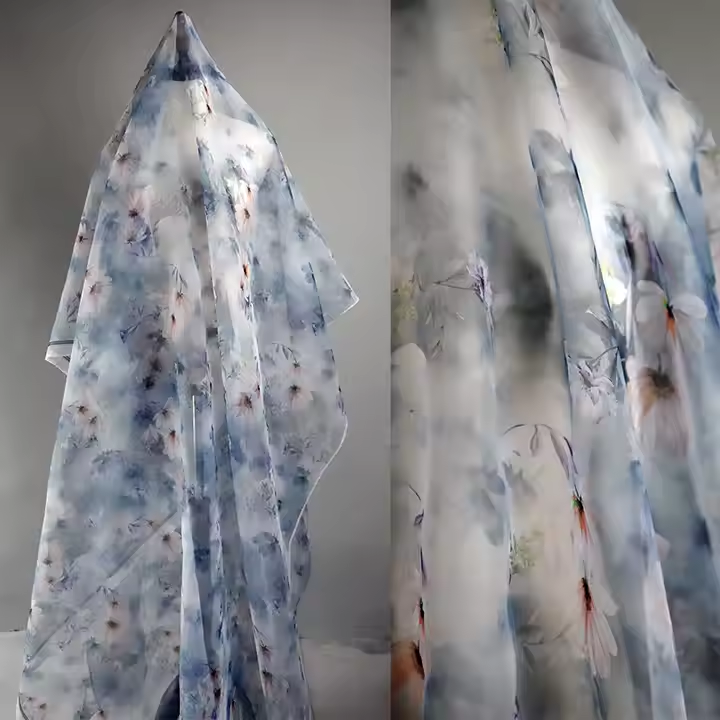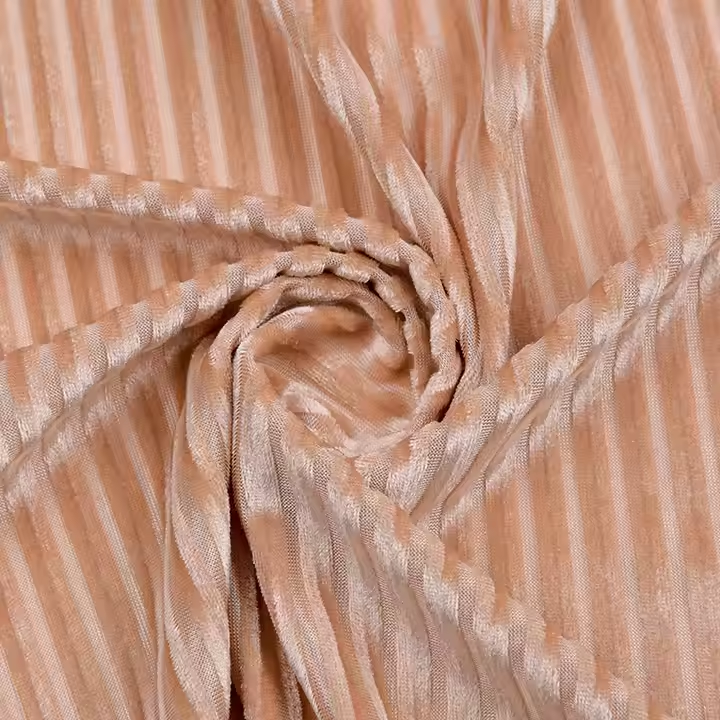
Ribbed fabric is made from natural fibers such as cotton, but can also be made from synthetic fibers such as polyester. The choice of fiber affects the fabric’s feel, elasticity, and breathability. Studies show that ribbed fabric is elastic, breathable, and comfortable to wear. Suerte Textile offers designers and brands a selection of custom ribbed fabrics, helping designers choose the material best suited to their work.
Key Takeaways
- Ribbed fabric is made from natural fibers such as cotton and wool, but can also be made from synthetic fibers such as polyester and spandex. These fibers affect the fabric’s feel, elasticity, and breathability.
- Ribbed knitting uses alternating knit and purl stitches, giving the fabric elasticity and strength, helping it maintain its shape and providing a comfortable wearing experience.
- Ribbed patterns and fabric weights vary, making them suitable for a variety of garment types. Some are suitable for lightweight summer T-shirts, while others are better suited for warm winter sweaters.
- Ribbed fabric is widely used in various garments, such as cuffs, collars, sportswear, and loungewear. It is comfortable, stylish, and durable.
- Ribbed fabric requires proper care. Please turn the garment inside out, wash it in cold water, and then lay it flat to dry. This will help maintain the fabric’s softness, elasticity, and strength for a longer period.
Rib Fabric Materials
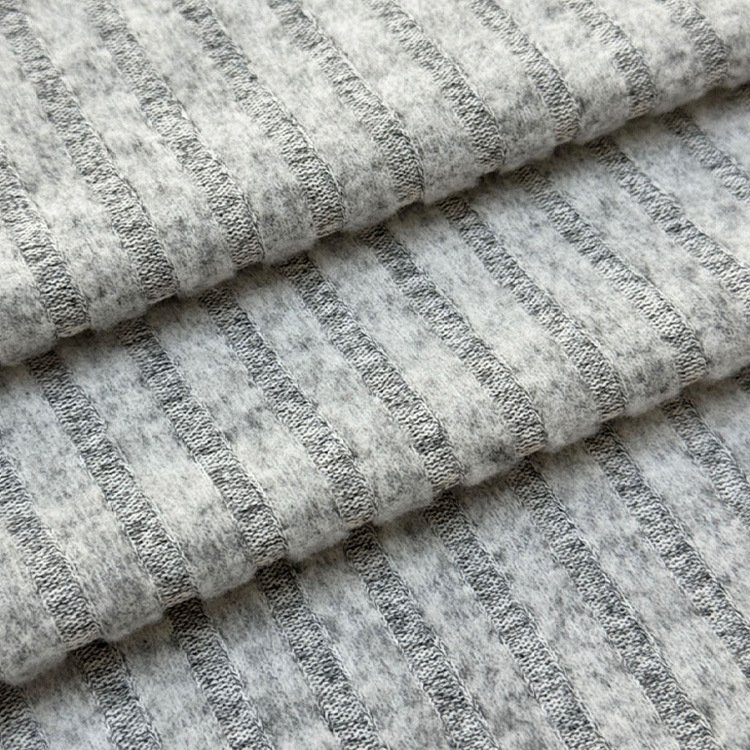
Cotton and Natural Fibers
Cotton is the most commonly used natural fiber in rib knit fabrics. It is soft and gentle on the skin. Cotton rib fabrics are breathable and keep you cool. It is highly absorbent, making it ideal for T-shirts, underwear, and baby clothing. People with sensitive skin often choose cotton fabrics because they are natural, environmentally friendly, and biodegradable.
Some rib fabrics use organic cotton. Organic cotton is grown without harmful chemicals, reducing pesticide use and maintaining healthy soil, thus protecting the planet. Both types of cotton fabrics are comfortable and durable. However, organic cotton is more environmentally friendly.
Wool is another natural fiber used in rib knit fabrics. Wool is warm and quickly wicks away sweat from the skin, making it ideal for clothing worn in cold weather.
Tip: Cotton or wool rib fabrics are suitable for spring, summer, and winter. The weight and thickness of knitwear vary depending on the season.
Synthetic Fibers and Blends
Rib fabrics are often blended with synthetic fibers such as polyester and natural fibers. This blending method enhances the fabric’s strength and helps it maintain its shape. Polyester extends the fabric’s lifespan, prevents wrinkles, and helps retain vibrant colors. Some blended fabrics also incorporate small amounts of spandex or elastane for added elasticity.
| Fiber Type | Advantages | Disadvantages |
|---|---|---|
| Cotton | Soft, breathable, comfortable | May shrink, can lose shape |
| Polyester | Durable, wrinkle-resistant, colorfast | Less breathable |
| Spandex/Elastane | Adds stretch and recovery | Used in small amounts |
| Wool | Warm, moisture-wicking | Can feel itchy |
Blended fibers allow designers to choose the best fabric for different uses. For example, cotton-polyester blends are ideal for sportswear, offering both comfort and durability. Suerte Textile allows brands to customize the blend ratio, color, and pattern of ribbed fabrics. Its low minimum order quantity of 300 kg helps brands experiment with new ideas without having to purchase in bulk.
Spandex and Elastane Fiber Composition
Spandex (also known as elastane) gives ribbed fabric its elasticity. Adding spandex helps the fabric stretch and return to its original shape. The spandex content determines the degree of stretch of the fabric. The higher the spandex content, the better the stretch and resilience. However, excessive spandex can cause the fabric to wear out faster.
Designers choose the amount of spandex used depending on the part of the garment. Cuffs and collars require more elasticity, while the body may require less. Suerte Textile allows brands to choose the spandex content in their ribbed fabrics. Not all suppliers offer this option.
Note: A suitable ribbed fabric fiber blend helps it adapt to different seasons and uses. Cotton and wool provide a warm and comfortable wearing experience. Synthetic fiber blends give the fabric strength and elasticity. Suerte Textile’s customization options help designers create the best knit fabric for any project.
Ribbed knit construction

Rib Knit Fabric Technology
Rib knit fabric is made using a special knitting method. This method uses both knit and purl stitches in each row. The stitches interweave back and forth, creating an uneven texture. These textures give rib knit fabric its unique look and feel. Rib knit fabric has good elasticity and returns to its original shape after stretching. Therefore, it is ideal for areas such as cuffs, necklines, and belts. The interlocking of the stitches gives the fabric its elasticity. When released, the fabric quickly springs back. Designers like to use rib knit fabric to create form-fitting garments because they conform to the body and are comfortable to wear.
Rows of Raised and Sagged Stitches
The raised and recessed stitches in rib knit fabrics originate from the way the stitches are stacked. Each stitch catches another stitch and a hidden loop. This makes the fabric appear double-layered in some places. Some rib knits, such as fisherman’s rib, achieve the double-layer effect by knitting on top of the next layer of stitches. Others, such as brioche, use yarn overlays and slip stitches to achieve the double-layer effect. These methods make rib knit fabrics thick and soft. The raised rows give rib knit fabrics a warm and cozy look. This special knitting method requires more yarn than plain knit fabrics.
Tip: Using rounded, strong yarns helps rib knit fabrics look neat and defined.
Comparison with Other Knit Fabrics
Rib knit fabrics differ from plain knit or double-knit fabrics. The table below lists their differences:
| Knit Type | Elasticity | Durability | Notes |
|---|---|---|---|
| Ribbed knit fabrics | Stretch a lot; best for tight clothes | Lasts well, but can get fuzzy if not cared for | Keep their shape; great for cuffs and waistbands |
| Jersey knit | Not as stretchy unless mixed | Not as strong; can lose shape | Light and may stretch out after a while |
| Interlock knit | Firm, not very stretchy | Very strong; thick fabric | Keeps shape best; heavier than ribbed knit fabrics |
Suerte Textile offers design assistance for rib knit fabrics. Their experts can help resolve pattern and color issues to ensure the final rib knit fabric achieves a perfect look.
Rib Knit Fabric Characteristics
Stretch and Comfort
Ribbed knit fabric is renowned for its excellent elasticity. The alternating knit and purl stitches create vertical ribs that can stretch laterally. This fabric conforms to the body without feeling constricting. Designers often use ribbed knit fabric for areas such as cuffs, collars, and belts. These areas require good elasticity and resilience. Tests show that ribbed knit fabric retains its shape even after repeated stretching. Rib knit fabric doesn’t drape as easily as plain knit fabric, helping to keep garments looking new for longer. This elasticity makes ribbed knit fabric ideal for both sports and everyday wear.
Breathability and Durability
The breathability of ribbed knit fabric depends on its fiber composition. Cotton and other natural fibers are highly breathable, maintaining comfort for extended periods. The ribs form small air pockets that help regulate temperature, increasing warmth and preventing moisture buildup. Ribbed knit fabric remains strong and durable even after multiple washes and stretches. Its double-layered structure and unique stitching allow the garment to return to its original shape after bending. Ribbed knit fabric edges are less prone to curling, abrasion resistance, and tear resistance. These properties make ribbed knit fabric long-lasting.
Tip: Sunlight, humid air, and excessively cold or hot weather can accelerate the wear and tear of fibers and elastic fibers.
Care and Maintenance
Proper care of ribbed knit fabric helps extend its lifespan. Turn the garment inside out before washing to protect the right side of the fabric. Wash gently in cold water to prevent shrinkage and keep the fabric soft. A mild detergent is best for delicate knit fabrics. Lay the garment flat to dry to maintain its shape and prevent deformation. Fold the garment neatly when storing. Never use strong detergents, hot water, or a dryer, as these will damage the fabric fibers and elastic fibers.
| Care Aspect | Recommended Practice | Avoidance |
|---|---|---|
| Washing | Turn clothes inside out, use cold water, gentle cycle, and mild detergent. | Strong detergents, hot water. |
| Drying | Lay flat on a towel to dry, reshape as needed. | Hanging up, tumble drying. |
| Long-term Storage | Fold clothes neatly, fix small damages quickly. | Hanging in a closet. |
Ribbed knit fabrics are elastic, breathable, and durable. This comfortable yet strong fabric is favored by designers and brands.
Types of Ribbed Knit Fabrics
1×1, 2×2, and Other Patterns
Ribbed knit fabrics come in a variety of patterns. The most common are 1×1 rib and 2×2 rib. These patterns use knit and purl stitches in different ways. 1×1 rib uses one knit stitch and one purl stitch. 2×2 rib uses two knit stitches and two purl stitches. Each pattern gives the fabric a unique look and feel.
| Feature | 1×1 Rib | 2×2 Rib |
|---|---|---|
| Structure | Alternates 1 knit, 1 purl | Alternates 2 knit, 2 purl |
| Texture | Finer and tighter | Thicker and chunkier |
| Elasticity | More stretch | Slightly less stretch |
| Look | Clean and flat | More textured |
| Common Usage | T-shirt collars | Sweaters, hoodies, beanies |
1×1 rib is perfect for T-shirt necklines. It’s stretchy and doesn’t easily deform. 2×2 rib is thicker and suitable for hoodies and sweatpants. Designers choose the appropriate rib pattern based on the specific needs of each garment.
Lightweight Ribbed vs Heavyweight Ribbed
Ribbed knit fabrics come in lightweight and heavyweight versions. Lightweight rib is breathable and airy, while heavyweight rib is thick and warm. Each type of rib has its unique purpose.
| Fabric Type | Characteristics | Applications |
|---|---|---|
| Lightweight Rib | Low density, thinner, cooler | T-shirts, tank tops, lightweight garments |
| Heavyweight Rib | Thicker, provides warmth and insulation | Jackets, coats, sweaters |
Color and Texture Variations
Today, ribbed knit fabrics boast a rich array of colors and textures. Brands use environmentally friendly materials, contributing to the protection of the planet. Designers skillfully blend different textures and utilize special dyes. Monochrome ribbed suits are fashionable, smooth in appearance, and comfortable to the touch. Some designers also add quilting elements or shimmering metallic threads. Ribbed knit fabrics are widely used in summer and winter clothing, catering to a variety of styles and purposes.
Tip: Designers constantly experiment with new textures to make ribbed knit fabrics unique, keeping them fresh and interesting in the market.
Uses of Ribbed Fabric
Fashion Applications
Ribbed fabric is widely used in a variety of garments. Designers use it for T-shirts, sweaters, and dresses. It is also commonly used in leggings and sportswear. This fabric is elastic and has a slightly textured feel, making it suitable for creating fitted or loose-fitting garments. Many brands use ribbed fabric for cuffs, collars, and belts. Ribbed fabric is resistant to deformation and comfortable to wear. The table below lists the applications of ribbed fabric in the fashion industry:
| Application Type | Common Garment Types |
|---|---|
| Apparel | T-shirts, sweaters, dresses, leggings, activewear |
| Outerwear | Jackets, coats, pants |
| Accessories | Scarves, hats, socks |
Ribbed fabric is also commonly found in blazers and hoodies. It’s frequently used in jogging pants and ribbed leggings as well. Classic and versatile, ribbed fabric suits a variety of styles, from casual to formal. Suerte Textile offers a wide range of ribbed fabrics, including jacquard, printed, brushed, and dyed. Their services help brands easily create bespoke garments.
Loungewear and Sportswear
People love using ribbed fabric for loungewear and sportswear. It’s comfortable, breathable, and stretchy, making it ideal for yoga pants and sports bras. Sports bras also frequently use ribbed fabric. At home, ribbed fabric is soft to the touch and comfortable against the skin, making it ideal for sleepwear and loungewear. The ribbed texture helps the fabric retain its shape after washing. Cotton ribbed fabric is breathable and cool, preventing skin irritation. Ribbed fabric blended with spandex or nylon helps with freedom of movement and keeps the wearer dry. These properties make ribbed fabric ideal for comfortable sportswear.
Special Purposes and Custom Applications
Ribbed fabric is frequently used in specific areas of clothing and accessories. Designers utilize ribbed necklines, cuffs, and hems to create a better fit. Ribbed panels add texture and elasticity to knitwear and high-end garments. Some brands incorporate stretch fabrics into sportswear to enhance freedom of movement. High-end dresses and blazers use ribbed fabric for a smooth, even finish. Sweaters and thermal underwear utilize ribbed fabric for both warmth and year-round comfort. Suerte Textile is dedicated to helping brands explore new ideas with ribbed fabric and provides rapid sampling and design support.
Ribbed fabric stands out in the fashion world due to its unique manufacturing process and applications. Designers and brands love ribbed fabric for many reasons:
- Vertical ribs help the fabric maintain its elasticity and shape.
- Different rib patterns allow designers to alter the look and feel of the fabric.
- Ribbed knit fabrics are ideal for making innerwear, outerwear, and sportswear.
- This fabric suits a variety of body types and supports environmental protection.
| Benefit | Description |
|---|---|
| Superior Elasticity | The knit lets the fabric stretch and go back for comfort. |
| Breathability | Air moves through the fabric, so people stay cool and dry. |
| Durability | Ribbed knits stay strong even after washing many times. |
| Design Versatility | The fabric works for many styles and different uses. |
| Shape Retention | The fabric does not sag and keeps its shape. |
FAQ
What’s the difference between ribbed fabric and regular knitted fabric?
Ribbed fabric is woven with knit and purl stitches, creating raised lines. Ribbed fabric is more elastic than regular knitted fabric. Regular knitted fabric, such as plain knit, feels smooth and has less elasticity.
Is ribbed fabric suitable for all seasons?
Designers typically use thinner ribbed fabrics for summer clothing, while thicker ribbed fabrics are suitable for winter wear. The type of fiber and thickness of the fabric are key factors in choosing the right season.
How to maintain the shape of ribbed fabric after washing?
The ribbed pattern helps the fabric regain its shape. Added spandex or elastic fibers also enhance its resilience. Proper care, such as laying it flat to dry, can help it retain its shape for longer.
Is ribbed fabric suitable for sensitive skin?
Cotton ribbed fabric is soft and skin-friendly, making it popular with people with sensitive skin. Organic cotton ribbed fabric is environmentally friendly and suitable for people with allergies.
Does Suerte Textile offer custom colors and patterns for ribbed fabric?
Yes! Suerte Textile allows brands to choose specific colors and patterns. Brands can receive samples within a few days. This helps designers create novel and unique products.