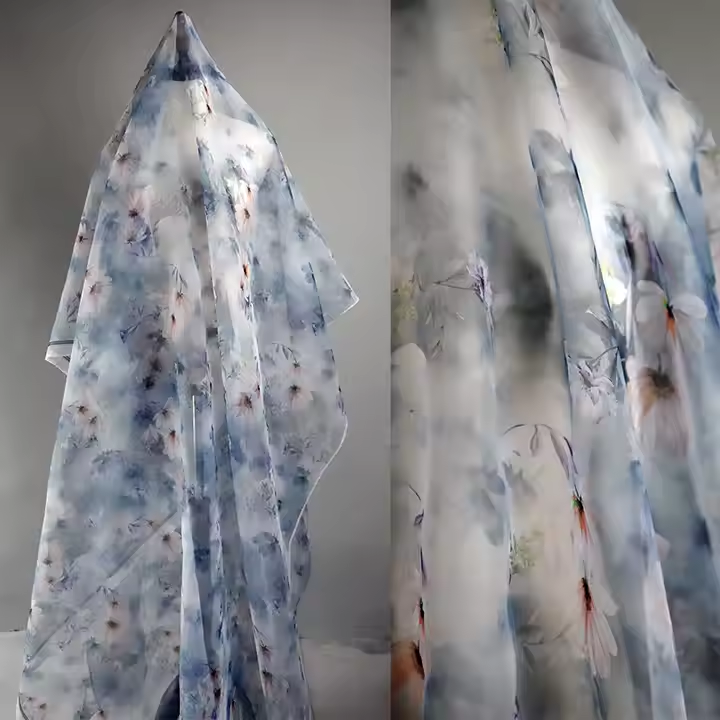
Brushed fabrics are made from pure cotton, polyester, and premium blends. A special brushing process gently lifts the surface fibers, creating an exceptionally soft feel. As you can see, cotton-polyester blends are the most popular choice for brushed fabrics. This unique brushing technique gives the fabric a luxuriously soft touch and comfortable warmth. Understanding the material composition allows you to easily choose the perfect brushed fabric for your clothing and bedding.
Key Takeaways
- Brushed fabrics are soft and warm to the touch, made from cotton, polyester, and blends, making them ideal for clothing and bedding.
- The brushing process makes the fibers fluffy, thus enhancing the fabric’s comfort. Choose brushed fabrics to create comfortable sleepwear and bedding.
- Suerte offers a variety of brushed fabric customization options, including fast sample delivery and low minimum order quantities, helping small businesses easily obtain the products they need.
Brushed Fabric Materials

Common Fibers: Cotton, Polyester, and Blends
Flushed fabrics are made from different fibers. The most common fibers are cotton, polyester, and blends. Each fiber gives the fabric unique properties.
- Cotton fabrics are soft and breathable, suitable for making clothing and bedding.
- Polyester makes fabrics strong and durable, wrinkle-resistant, and quick-drying.
- Blended fabrics, such as cotton-polyester blends, combine the advantages of both fibers.
Laboratory tests show that fiber length and shape affect fabric performance. Cotton fibers are shorter, making them more prone to pilling than polyester. Fine fibers easily entangle to form balls, while coarser fibers are less prone to pilling. Polyester fibers hold balls firmly, but the balls don’t detach like cotton fibers. Blended fabrics may pill prematurely because cotton fibers are more prone to detaching, while polyester fibers hold the balls in place better.
Each fiber has a different environmental impact. Cotton decomposes within 1 to 5 months and is plant-based. Polyester, on the other hand, can remain in landfills for many years, causing greater pollution. It also releases tiny plastic particles during washing, which can harm the environment.
Suerte offers a variety of fibers for custom brushed fabrics. You can find cotton, polyester, bamboo fiber, spandex, and more. People can choose the right fiber based on their needs, such as softness, strength, or environmental friendliness.
| Customization Aspect | Suerte Textile Options | Industry Standards |
|---|---|---|
| Fiber Types | Many types to choose from | Not many choices |
| Color Options | Lots of colors | Only a few colors |
| Pattern Types | Many patterns | Not many patterns |
| Fabric Weight/Thickness | You can pick the weight and thickness | Weight is set |
| Special Finishes | Many finishes | Only basic finishes |
Suerte’s custom fabric production process is unique. Customers can request samples, send documents, or mail fabric samples. The company will ship samples within 3-5 days. Small businesses can order as little as 300 meters, making custom brushed fabrics accessible to more people.
| Advantage | Description |
|---|---|
| Rapid Proofing Cycle | People get samples in 3-5 days, so they can check them fast. |
| Low Minimum Order Quantity | You only need to order 300 meters, so small shops can buy too. |
| Timely Decision-Making | Fast service helps people make choices quickly and sell new things sooner. |
Brushed Cotton: Features and Benefits
Brushed cotton is renowned for its comfort and practicality. The brushing process creates a fluffy surface on the fibers, resulting in a soft and warm fabric. Therefore, brushed cotton is ideal for bedding, pajamas, and shirts.
Many people love brushed cotton because of its smooth feel. Cotton satin is a type of brushed cotton that is very popular in bedding. It drapes well and stays neat after use. This fabric is warmer than other weaves, making it suitable for cold weather. People who want easy-care bedding often choose brushed cotton because it looks clean and tidy.
Brushed cotton also has other benefits:
- It absorbs sweat, keeping skin dry and comfortable.
- It is breathable, helping to keep the body cool or warm.
- It is also gentle on sensitive skin.
However, brushing can reduce the strength of the fabric. If brushed excessively, the fibers become brittle and more prone to pilling. To maintain the good condition of brushed cotton, wash gently.
Making high-quality brushed cotton requires strict quality control. Factories establish rules for fabric type, weight, and size. They inspect the fabric before, during, and after production. Special tests examine the fabric’s strength and appearance. Regulations require brushed cotton to have clear labels. The labels must indicate the fabric’s fiber composition and country of origin.
Brushed Fabric Types & Uses
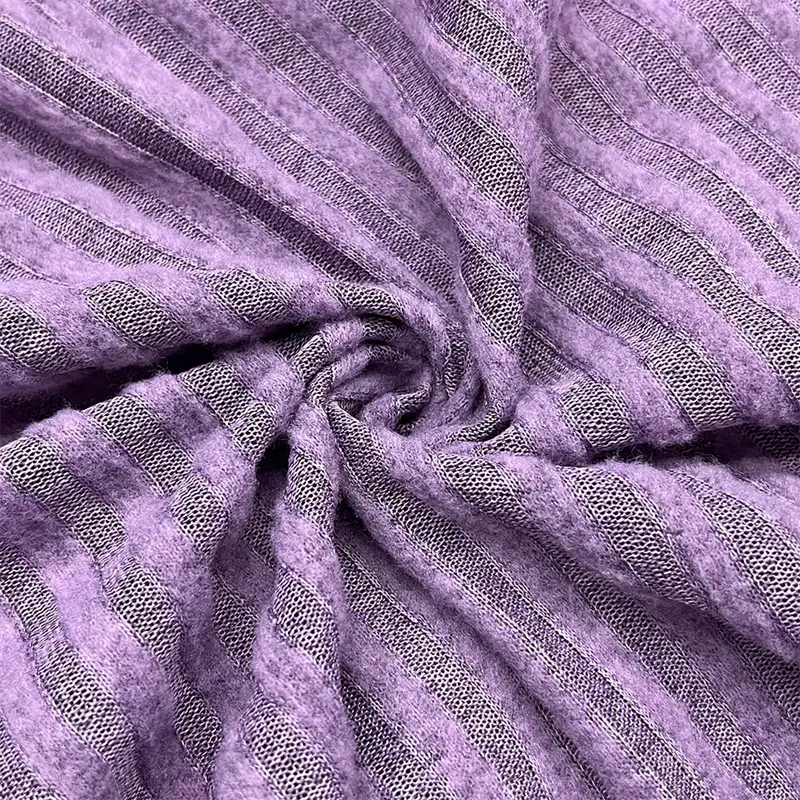
Brushed Cotton Bedding: Comfortable and Warm
Brushed cotton bedding is exceptionally soft and warm. The brushing process lifts the fibers, resulting in a soft, skin-friendly feel. Many people choose brushed cotton bedding because it is both warm and breathable, making it ideal for layering with clothing and bedding in colder weather. Surveys show that brushed cotton bedding provides a warm and comfortable feeling during the fall and winter seasons. While flannel and microfiber bedding are also soft and warm, brushed cotton bedding offers superior warmth and a more comfortable sleep experience. People who sweat easily may need bedding with good moisture absorption. However, most people find brushed cotton bedding comfortable and conducive to restful sleep.
Brushed Polyester and Fleece: Applications
Brushed polyester and fleece are popular brushed fabrics. The brushing process lifts the fibers, resulting in a soft and fluffy feel. Single-sided brushed polyester is fluffy and soft, while double-sided brushed polyester is brushed on both sides for an even softer feel. Some blended fabrics incorporate spandex for added elasticity. Brushed nylon is made from filament yarn and is commonly used in jeans and T-shirts. Brushed fleece is used in hoodies, sweatshirts, sportswear, loungewear, jackets, and winter sportswear. In home furnishings, fleece fabrics are commonly found in blankets, shawls, pillowcases, and furniture covers. The table below compares brushed polyester and fleece fabrics:
| Material | Durability | Insulation Properties |
|---|---|---|
| Fleece | Excellent durability, resists pilling | High warmth-to-weight ratio, traps air for added insulation |
| Brushed Polyester | Durability varies with treatment and use | Softness and insulation by trapping air |
Typical Uses: Clothing, Bedding, Home Textiles
Many items we use in our daily lives utilize brushed fabrics. People wear brushed cotton, polyester, or fleece clothing for warmth. Bedding such as sheets, pillowcases, and duvet covers are often made of brushed cotton, which is soft to the touch and provides good warmth. Home furnishings such as blankets, throws, and furniture covers also use brushed fabrics because they are soft and warm. The brushing process gives each item a unique texture and helps maintain its warmth and comfort. These fabrics make people feel especially comfortable and cozy during the autumn and winter seasons.
Brushed Fabric Comparison
The Difference Between Brushed Fabric and Fleece Fabric
Many people ask what the difference is between brushed fabric and fleece fabric. Both are soft and warm, but they are not exactly the same. Brushed fabric is usually made of cotton or other natural fibers. Fleece fabric is mostly made of polyester fibers, which are synthetic fibers. The soft feel of brushed fabric comes from the loft of its surface fibers. Fleece fabric is designed for warmth and is ideal for sportswear.
| Feature | Brushed Fabric | Fleece |
|---|---|---|
| Material | Typically made from natural fibers like cotton | Made from synthetic fibers like polyester |
| Manufacturing Process | Involves brushing to raise fibers for softness | Engineered with specific processes for performance |
| Insulation | Creates air pockets for warmth | Designed for thermal insulation and moisture wicking |
| Applications | Common in winter clothing and blankets | Primarily used in outdoor and activewear |
Brushed fabrics are commonly used for winter clothing, shirts, and bedding. Fleece fabrics are best suited for jackets and sportswear. Both fabrics are soft to the touch due to their brushing process. Fleece fabrics offer better moisture-wicking properties.
Brushed Cotton vs. Flannel
Both brushed cotton and flannel are soft and comfortable. Brushed cotton is made by brushing ordinary cotton fabric, making it fluffy and soft. It is commonly used to make pajamas, bedding, and sheets. Flannel is woven first and then brushed, making it thicker and warmer. Flannel is commonly used to make shirts, pajamas, and blankets. Flannel fabric is thick and warm, and many people like to use flannel bedding and pajamas on cold nights. Flannel has a classic look and a warm feel, making it a popular choice.
FAQ
What are brushed fabrics made of?
Brushed fabrics are made from cotton, polyester, or blends. Each material gives the fabric a unique feel and strength.
How to care for brushed fabrics?
Gently wash brushed fabrics in cold water. Avoid using strong detergents. Air drying helps keep the fabric soft and prevents pilling.
Can Suerte customize brushed fabrics for special projects?
Suerte offers custom brushed fabric services. Clients can choose the fiber, color, and pattern. Our team will provide samples and design support.