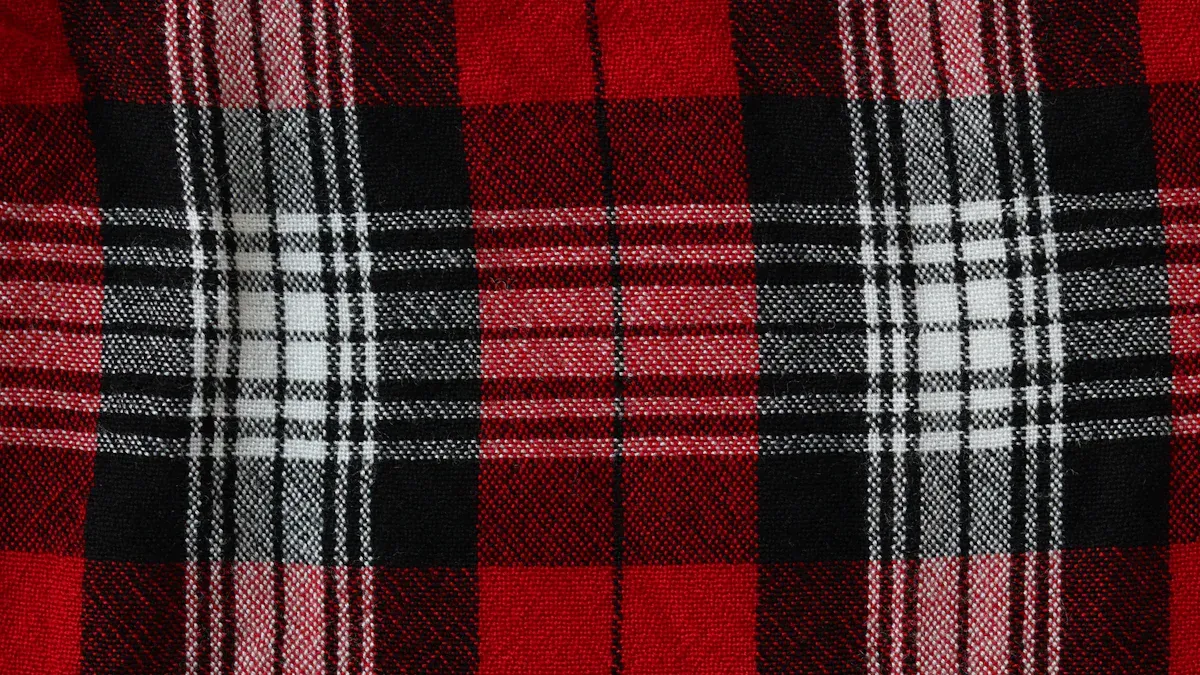
Flannel shirt fabric is a soft, woven material designed to deliver exceptional warmth and comfort. This timeless fabric offers a unique combination of durability and style, giving it a timeless appeal. The global demand for flannel continues to rise, underscoring its value. If you need a fabric that works as hard as you do, flannel is the answer.
Key Takeaways
- Flannel is a soft, warm fabric. It has a fuzzy surface called a ‘nap’ that traps heat.
- Flannel is the fabric, and plaid is a pattern. You can find flannel in many colors and patterns, not just plaid.
- Flannel comes in cotton, wool, or blends. Cotton flannel is soft, wool flannel is warm, and blends are durable.
- Flannel is good for all seasons. You can wear light flannel in summer and heavy flannel in winter.
- Proper care makes flannel last longer. Wash it in cold water and dry it on low heat to keep it soft.
What Is Flannel Fabric and Its Key Traits?
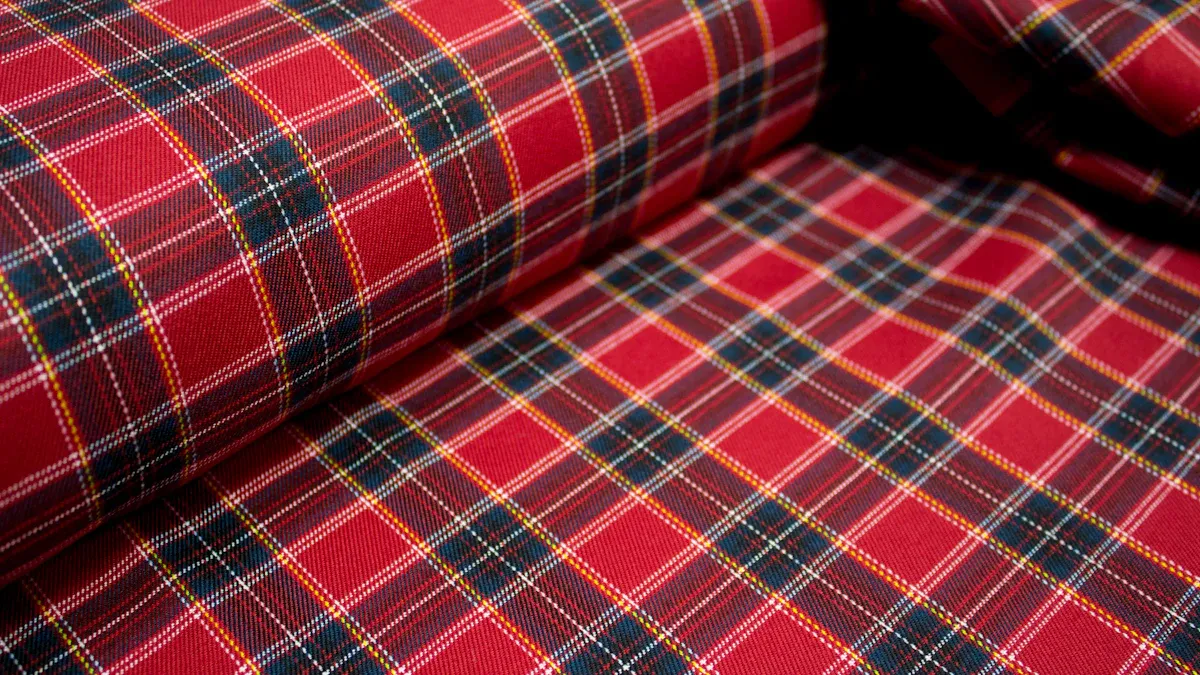
So, what is flannel fabric exactly? Its story begins in 17th-century Wales, where farmers needed a durable and warm material to withstand the damp, chilly climate. This early traditional flannel, made from carded wool, provided exceptional protection. Its popularity grew, and the fabric eventually spread across Europe and America. Today, flannel remains a go-to textile, defined by a few key characteristics of flannel that deliver its famous comfort and resilience. Understanding these traits helps you appreciate what makes this fabric a wardrobe essential.
The Signature Brushed Texture (Napping)
The most recognizable feature of flannel is its soft, fuzzy surface. This texture is not an accident; it is the result of a mechanical process called “napping.” After the fabric is woven, it undergoes a special treatment to achieve its signature feel.
Here is how the napping process works:
- The woven fabric passes over large rollers covered in fine, stiff wires.
- These wires gently brush the fabric’s surface.
- This action pulls up tiny fiber ends from the yarns.
- The loosened fibers create a raised, fuzzy layer known as the “nap.”
This nap creates small air pockets within the fabric. These pockets trap your body heat, providing excellent insulation without adding heavy bulk. A flannel can be napped on one or both sides. A double-napped fabric offers an extra layer of softness and warmth.
The Difference Between Flannel and Plaid
Many people use the terms “flannel” and “plaid” interchangeably. However, they refer to two different things. Understanding the distinction is key to knowing what is flannel fabric.
Quick Tip: Flannel is the material. Plaid is the pattern. You can have a solid-colored flannel shirt or a plaid flannel shirt.
This table breaks down the core differences:
| Feature | Flannel | Plaid |
|---|---|---|
| Definition | A soft, woven material with a napped finish. | A pattern of intersecting horizontal and vertical lines. |
| Key Trait | Its brushed, fuzzy texture. | Its crisscross, multi-colored design. |
| Relationship | Flannel is a type of fabric. | Plaid is a design applied to a fabric. |
While plaid flannel is a classic combination, you can find plaid patterns on many other materials, like cotton poplin or even wool suiting. Likewise, flannel comes in solid colors, stripes, and other patterns too.
Common Materials: Cotton, Wool, and Blends
The material composition directly impacts a flannel shirt fabric’s performance. Different types of flannel are suited for different needs, from everyday wear to harsh winter conditions. The primary materials you will encounter are cotton, wool, and modern blends.
Here is a comparison of the most common types of flannel:
| Material | Key Features | Best For |
|---|---|---|
| Cotton Flannel | Very soft, breathable, and easy to care for. | All-day comfort, pajamas, and bedding. |
| Wool Flannel | Exceptionally warm, durable, and naturally moisture-wicking. | Outerwear, suits, and cold-weather layering. |
| Synthetic Blends | Highly durable, wrinkle-resistant, and often more affordable. | Heavy-duty workwear and uniforms requiring easy maintenance. |
Choosing the right material ensures your flannel meets your expectations for softness, warmth, and durability. Cotton offers gentle comfort, wool provides superior insulation, and blends deliver enhanced resilience for demanding use.
The Cozy Comfort of Flannel Fabric: Core Benefits
The enduring popularity of flannel comes down to a few key advantages that set it apart. The cozy comfort of flannel fabric is not just a feeling; it is the result of its unique construction. Understanding these core benefits helps explain why choose flannel garments for your wardrobe. You get a material that delivers on softness, warmth, and durability, making it a truly valuable investment in comfort.
Unmatched Softness for All-Day Wear
The first thing you notice when you touch flannel is its incredible softness. This isn’t an accident. The napping process creates a fuzzy surface that feels gentle against your skin, making it ideal for all-day comfort. You can wear cozy shirts made of flannel without any of the scratchiness found in other materials.
The science behind this signature softness is fascinating:
- The napping process raises countless tiny fiber ends to the fabric’s surface.
- These dense, fuzzy fibers create a plush texture that feels warmer and softer than smooth fabrics.
- This structure reduces friction and gently stimulates the skin, which your brain registers as a pleasant, soft sensation.
Superior Warmth Without the Bulk
Flannel provides exceptional warmth without weighing you down. The brushed surface creates millions of tiny air pockets within the nap of the fabric. These pockets trap your body heat, acting as a natural insulator against the cold. This allows a relatively lightweight flannel shirt to offer a surprising amount of warmth. You get a cozy layer that keeps you comfortable in cool weather without the bulk of a heavy sweater or jacket.
Pro Tip: A double-napped flannel, brushed on both sides, offers even greater insulation and a softer feel inside and out.
Exceptional Durability and Longevity
Flannel is built to last. Its tight weave and brushed surface make it resistant to wear and tear. This durability means your flannel shirt can handle repeated washing and active use, making it a reliable choice for both work and leisure. Unlike other materials that wear out, flannel often improves with age. Each wash can make the fibers even softer, enhancing the shirt’s character over time. This combination of strength and graceful aging ensures your investment in flannel provides comfort and style for years to come, proving its excellent durability.
Effortless, Year-Round Versatility
You might think of flannel as a fabric just for autumn and winter. However, its true strength lies in its incredible versatility. A quality flannel shirt is a wardrobe staple that you can adapt for any season. This adaptability makes flannel a smart and functional choice for your closet. The cozy comfort of flannel fabric is not limited to cold days. You can enjoy its benefits all year long.
This year-round usefulness is possible because flannel comes in various weights. Lightweight flannel offers breathability for warmer months. Heavyweight flannel provides insulation for the cold. Here is how you can style your flannel shirt through the seasons:
🍂 Autumn: This is the classic season for flannel. You can wear a mid-weight flannel shirt on its own during crisp afternoons. It also works perfectly as a layering piece over a t-shirt when the temperature drops in the evening. The fabric provides just the right amount of warmth.
❄️ Winter: In winter, your flannel becomes an essential insulating layer. Wear a heavyweight flannel shirt under a jacket or vest. It traps body heat effectively, keeping you warm without adding excessive bulk. This makes flannel an ideal choice for both indoor coziness and outdoor activities.
🌱 Spring: A lightweight flannel is your best friend during the unpredictable weather of spring. You can use it as a light jacket or “shacket” over a simple top. It provides a stylish layer of protection against cool morning breezes or evening chills.
☀️ Summer: You can even use flannel in the summer. A very lightweight flannel shirt is perfect for cool nights by a campfire or on the beach. It also offers great protection from the sun or insects without causing you to overheat.
Pro Tip: The key to year-round wear is choosing the right fabric weight. A collection with different weights of flannel ensures you are prepared for any weather. This highlights the true versatility of the fabric.
How to Choose the Right Flannel Shirt
Selecting the perfect flannel shirt involves more than just picking a color you like. You need to consider a few key details to ensure the shirt meets your needs for comfort, warmth, and style. Understanding these factors helps you build a functional and lasting wardrobe.
Consider the Fabric Weight
The weight of a flannel fabric directly impacts its warmth and ideal use. Manufacturers measure fabric weight in ounces per square yard. A higher number means a thicker, warmer material. Choosing the right weight ensures your flannel shirt is comfortable for the season.
This table breaks down the common classifications:
| Classification | Weight (ounces per square yard) | Common Uses |
|---|---|---|
| Lightweight | 4 to 5 | Breezy shirts, layering items |
| Midweight | 6 to 8 | Cozy pajamas, light jackets |
| Heavyweight | Over 9 | Winter gear, maximum warmth and durability |
Understand the Weave and Pattern
The feel and performance of a flannel shirt also depend on its construction. The brushing fabric, or napping, raises the fabric fibers. These lifted fibers trap air, which creates insulation and gives flannel its signature warmth and softness. A tighter weave generally results in a more durable garment that can withstand years of use. While many people associate flannel with plaid, remember that plaid is a pattern. You can find this versatile fabric in solid colors and stripes to suit any style.
Check the Material Composition
The material of your flannel shirt affects its breathability and feel. Your choice between 100% cotton and a blend will define your comfort. A quality flannel is a great addition to any wardrobe.
- 100% Cotton: This natural material is highly breathable. Its fibers allow air to circulate and absorb moisture, which helps keep you cool and dry.
- Cotton-Poly Blends: These blends are less breathable than pure cotton. The synthetic fibers have a denser structure that can trap heat and restrict airflow.
For all-day comfort and excellent breathability, a 100% cotton flannel is an outstanding choice.
Find the Perfect Fit for Your Style
The right fit makes your flannel shirt look great and feel comfortable. A poorly fitting garment can ruin your look, no matter how high-quality the fabric is. You should choose a fit that complements your body type and matches your personal style. This ensures your new flannel becomes a go-to piece in your wardrobe.
Consider these common fits when selecting your next flannel shirt:
Classic Fit: This traditional cut offers more room through the chest and body. It provides maximum comfort and freedom of movement. A classic fit flannel is perfect for layering over other shirts or for a relaxed, timeless look.
Slim Fit: A slim fit flannel is tailored closer to the body. It creates a modern, streamlined silhouette. This style works well when worn on its own. It looks sharp and is ideal for smart-casual occasions.
Relaxed or Oversized Fit: This fit offers the most generous cut. It is a popular choice for a laid-back, contemporary style. You can wear this type of flannel as a “shacket” or light jacket. It adds a casual and trendy layer to your outfit.
Pro Tip: Always check the shoulder seams and sleeve length. The seams should sit right on the edge of your shoulders. The cuffs should end at your wrist bone. This ensures a polished look for any flannel.
Finding the perfect fit is key to building a versatile wardrobe. It allows you to wear your favorite flannel with confidence in any setting.
What Is Flannel Used For Beyond the Shirt?
The versatility of flannel extends far beyond your wardrobe. This fabric has many practical uses that bring warmth and style into your home. If you wonder what is flannel used for besides clothing, you will find its applications in bedding, loungewear, and home decor are just as impressive. Its cozy texture and durability make it a favorite for creating a comfortable living space.
Cozy Pajamas and Loungewear
You can experience ultimate comfort with flannel pajamas and loungewear. The fabric is exceptionally soft against your skin, making it perfect for relaxing evenings. Its brushed cotton material provides warmth without causing you to overheat.
Key features of flannel loungewear include:
Warm Bedding and Sheets
You can transform your bed into a warm retreat with flannel bedding. Flannel sheets are a popular choice for colder climates because their napped texture traps body heat effectively. This creates a cozy sleep environment from the moment you get into bed.
Here are the main benefits of this soft bedding:
- Unmatched Warmth: The fabric’s air pockets provide excellent insulation on cold nights.
- Incredible Softness: The plush texture feels luxurious and gets softer with each wash.
- Lasting Quality: This durable bedding withstands regular use while maintaining its quality.
You can also layer flannel blankets for extra warmth. These blankets are perfect for your bed or sofa.
Rustic Home Décor Accents
Flannel brings a touch of rustic charm to any room. Its classic patterns and rich textures make it an excellent choice for home decor. You can easily incorporate this material to create a warm and inviting atmosphere in your home. Some popular home decor uses include throw blankets, decorative pillow covers, and even curtains. Using flannel for home decor adds both visual interest and a sense of comfort. These blankets and accents complete a welcoming aesthetic.
Creative DIY Projects and Crafts
You can unlock your creativity with flannel fabric scraps. The material’s durability and soft texture make it perfect for a wide range of do-it-yourself projects. You can transform leftover fabric from old shirts or sewing projects into charming and useful items for your home and personal use. This approach gives new life to a beloved fabric.
These creative uses for flannel allow you to add a personal touch to your space. You can craft unique decor that reflects your style. Consider making some of these simple yet beautiful items:
- Cozy home accents like a plaid table runner or a pumpkin throw pillow.
- Seasonal decorations such as a leaf wreath or star ornaments.
- Practical household goods, including reusable hand warmers or insulated coffee sleeves.
DIY Tip: You can easily make no-sew projects. Try wrapping books in flannel for a rustic library look or creating a tote bag pocket for extra storage. These simple crafts require minimal tools and effort.
You can also create wonderful handmade gifts. A set of trimmed towels or a custom dog bandana makes a thoughtful present. For a truly unique gift, you can fashion friendship bracelets or a cozy sunglasses case. The possibilities for crafting with this versatile fabric are nearly endless, allowing you to bring warmth and personality into your home.
How to Care for Your Flannel to Make It Last
Proper care extends the life of your favorite flannel shirt and keeps it looking its best. You can maintain its signature texture and vibrant color with a few simple steps. Following these guidelines ensures your garment remains a comfortable staple for years.
Washing and Drying Best Practices
You should wash your shirt correctly to preserve its quality. Always turn your garment inside out before placing it in the washing machine. This simple action protects the brushed fibers from friction. You should also avoid overloading the machine to give your shirt enough space.
For the best results, follow these washing tips:
- Use Cold or Warm Water: Hot water can cause the fabric to shrink and fade. Cold water is the safest choice for maintaining color and size.
- Choose a Mild Detergent: Harsh chemicals can damage the delicate fibers. A gentle detergent cleans effectively without causing harm.
Drying Tip: Tumble dry your shirt on a low heat setting or hang it to air dry. High heat can weaken the fibers and lead to shrinkage. Remove it from the dryer promptly to prevent wrinkles.
How to Keep It Soft and Prevent Pilling
Pilling occurs when small balls of fiber form on the fabric’s surface. You can easily prevent this. Turning your shirt inside out before washing is the first line of defense. If pills do appear, you can remove them safely. Lay the garment flat and use a fabric comb or an electric fabric shaver. Gently glide the tool over the pilled areas to restore a smooth finish. This regular maintenance helps preserve the fabric’s exceptional softness.
Storing Your Flannel Properly
How you store your shirt matters. Proper storage prevents wrinkles and keeps the collar in shape. You can either fold the shirt or hang it. If you choose to hang it, use a sturdy, slimline hanger that supports the shoulders. Avoid thin wire hangers, as they can stretch the fabric.
For a crisp look, button the top collar button. You can also fasten another button midway down the front. This keeps the shirt securely on the hanger and ready to wear.
Ultimately, flannel shirt fabric is an investment in comfort, warmth, and versatility. Its unique brushed fabric provides reliable insulation and a signature comfort that improves with time. You can add a classic flannel shirt fabric to your wardrobe or bring cozy comfort into your home. This cozy fabric gives your home a timeless appeal.
Experience the benefits of this flannel shirt fabric in your home and discover why flannel remains an essential for any season.
FAQ
Is flannel always made of cotton?
No, flannel is not always cotton. You can find it made from wool for extra warmth or synthetic blends for enhanced durability. Cotton flannel is simply the most popular choice because of its exceptional softness and breathability.
Does flannel shrink when you wash it?
Yes, flannel can shrink if you do not care for it properly. You should wash your flannel in cold water and tumble dry it on a low heat setting. This simple routine helps maintain the garment’s original size and shape.
What is the difference between flannel and brushed cotton?
Flannel is a specific type of brushed cotton. The main difference is its napping process, which creates a much fuzzier texture that traps more air. This unique construction makes flannel significantly warmer and softer than standard brushed cotton.
Can you wear flannel in the summer? ☀️
Yes, you can wear flannel in the summer. You should choose a lightweight flannel shirt. It works perfectly as a light layer during cool evenings or for sun protection without causing you to overheat.