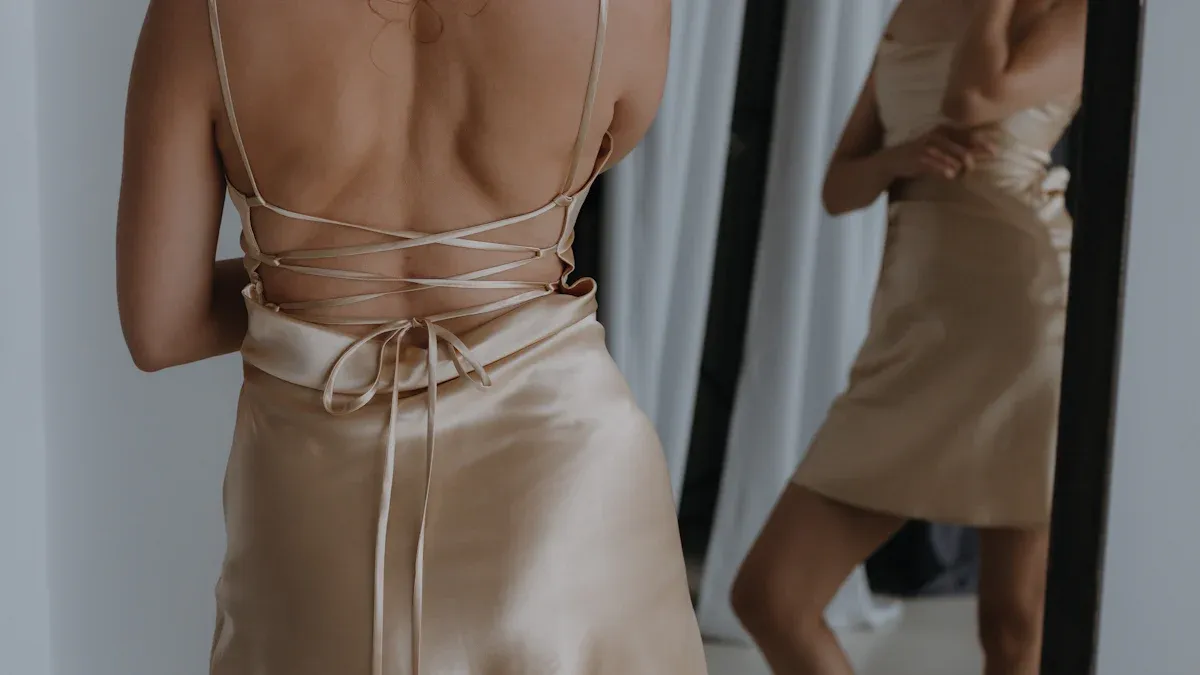
Scuba fabric has many other names, such as neoprene, polychloroprene, neoprene knit fabric, diving crepe, and technical diving fabric.
These names are used because the materials look similar and function alike. Sometimes, buyers confuse diving fabric with neoprene because both are thick and smooth. Technical diving fabric has a slightly different feel.
Key Takeaways
- Diving fabric has many names, such as neoprene, diving knit fabric, and diving crepe. Understanding these names will help you choose the right fabric for your project.
- Diving fabric has good elasticity and shape retention, making it ideal for clothing that requires a close fit, such as dresses and sportswear.
- There are many types of diving fabric, with diving crepe and double-layered diving fabric each having their own characteristics. You can choose the appropriate type based on the fabric’s texture and thickness.
- Diving fabric is easy to care for and quick-drying, making it ideal for both everyday clothing and sportswear.
- Always check the fabric label before purchasing. Diving fabric and neoprene are not the same fabric. Understanding their characteristics will help you avoid mistakes.
Aliases for Diving Fabrics
Common Aliases
When shopping for or designing clothing, people often wonder about the alternative names for diving fabrics. In fabric books, the most common names are diving knit fabric and diving crepe. These names also frequently appear in fabric catalogs and guides. Designers and manufacturers sometimes also refer to it as neoprene fabric. This name indicates that the material is man-made and has applications in the fashion industry.
Here is a list of common alternative names:
- Scuba knit
- Scuba crepe
- Neoprene fabric
- Techno scuba
- Polychloroprene
- Chloroprene rubber
Each name points to a specific type or property. Diving knit fabric and diving crepe fabric describe the feel and look of the fabric. Neoprene fabric means it’s rubber-like and man-made. Technical diving fabric means it’s a newer, more advanced fabric. Polychloroprene and neoprene describe its internal chemical composition.
Origin of These Names
Manufacturers and designers use different names to refer to diving fabrics to showcase their different properties. Many people confuse diving fabrics with neoprene fabrics because they are both thick and smooth. However, they differ in composition and purpose. The table below lists the differences between diving fabrics and neoprene fabrics:
| Aspect | Scuba Fabric | Neoprene |
|---|---|---|
| Material Composition | Polyester and spandex knit | Synthetic rubber (polychloroprene), often laminated with nylon or polyester |
| Structure and Weight | Lightweight, smooth, and breathable knit | Dense, foam-like material with rubber-like properties |
| Performance | Stretchy, wrinkle-resistant, comfortable | Waterproof, insulating, durable in extreme conditions |
People often give diving fabrics alternative names to avoid confusion and make it easier to choose the right fabric. Neoprene fabric is waterproof and warm, making it ideal for sportswear and equipment. Diving fabric, on the other hand, is best suited for clothing that needs to maintain its shape and elasticity. Designers choose appropriate names based on the fabric’s characteristics and intended use.
Types of Diving Fabrics
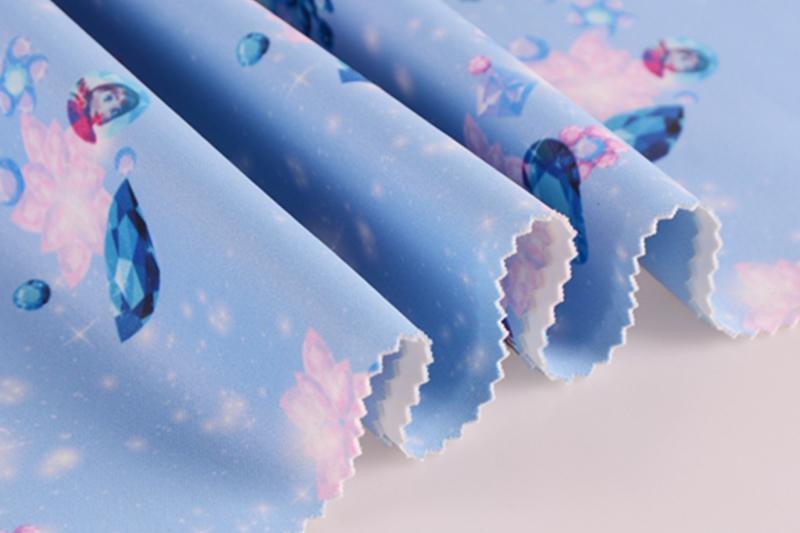
Many people are interested in learning about the different types of wetsuit fabrics. Each fabric has unique properties that make it suitable for a specific purpose. The table below lists the main fabric types, their compositions, and the occasions they are best suited for:
| Type of Scuba Fabric | Composition | Features | Applications |
|---|---|---|---|
| Plain Scuba Fabric | Polyester and spandex blend | Smooth, shiny finish; light and very stretchy | Dresses, tops, leggings, and casual wear |
| Scuba Crepe Fabric | Polyester and spandex with crepe-like texture | Bumpy surface; keeps its shape with a flat look | Formal wear, suits, and skirts |
| Double Scuba Fabric | Double-layered polyester and spandex blend | Thicker, heavier, and lasts longer | Outerwear, dresses, and jackets |
| Printed Scuba Fabric | Polyester and spandex with printed patterns | Bright designs; stays smooth and stretchy | Fashion clothes, party wear, and accessories |
| Bonded Scuba Fabric | Two layers of fabric stuck together | Thicker, warmer, and stronger | Outerwear, wetsuits, and sports gear |
Scuba Knit
Diving knit fabric is the best of all diving fabrics. It’s double-needle knitted, giving the fabric a smooth, slightly lustrous finish. Diving knit fabric is resistant to deformation and wrinkles, and is often used to make fitted garments.
Key characteristics of diving knit fabric include:
- Excellent elasticity due to the presence of spandex
- Moderate fabric thickness, maintaining its shape without being too heavy
- It retains its shape even after a full day of wear
Designers often use diving knit fabric to make dresses, skirts, and coats. This fabric is strong, durable, and elastic, making it ideal for both formal and everyday wear.
Diving Crepe
Diving crepe differs in appearance and feel from regular diving knit fabric. It has an uneven, soft yet strong surface. It is resistant to deformation and does not reflect light. Diving crepe is suitable for making flowing garments such as skirts and evening gowns.
The main differences between diving crepe and other crepe fabrics are:
- Diving crepe is thicker and more elastic.
- It maintains a smooth silhouette while remaining soft to the touch.
- Its double-knit construction helps prevent wrinkling.
- People choose diving crepe fabric because it is both durable and soft. It is ideal for making wetsuits and high-end clothing.
Diving Fabric Comparison
Diving Fabric vs. Neoprene
Many people confuse diving fabric with neoprene. Both look thick and smooth, making them easy to mistake. However, they are not the same. Diving fabric is made of polyester and spandex, and has a soft, elastic feel. Neoprene fabric has a foam core made of synthetic rubber, making it dense and elastic.
Neoprene fabric has a closed-cell structure, which helps with warmth and water resistance. Neoprene fabric is used to make wetsuits and various protective gear. It keeps you warm and dry while swimming or diving. Diving fabric is highly elastic and comfortable to wear. Designers often use it to make bodysuits and sportswear. Each fabric has its own strengths due to its unique properties. Diving fabric is elastic and durable. Neoprene fabric is best suited for occasions requiring warmth and water resistance. Both of these fabrics are popular in the fashion, sports, and industrial sectors. Diving fabric is suitable for making fashionable clothing and sportswear. Neoprene fabric is best suited for equipment used in harsh environments.
Note: Always check the label before purchasing fabric. Diving fabric and neoprene fabric have different uses.
Differences between Diving Fabric and Other Double-Knit Fabrics
Diving fabric is a double-knit fabric, but it has some unique properties. The table below lists the differences between diving fabric and other double-knit fabrics:
| Feature | Scuba Fabric | Other Double Knit Fabrics |
|---|---|---|
| Fiber Content | Polyester and elastane | Varies (may include cotton, etc.) |
| Stretchability | High (4-way stretch) | Varies (often less stretchy) |
| Durability | High (resistant to wear) | Varies (may be less durable) |
| Water Resistance | Good (resistant to moisture) | Varies (often less resistant) |
| Application Suitability | Sportswear, trendy clothing | General clothing, varies widely |
Diving fabric boasts superior performance, resists wrinkles, and maintains a smooth, flat finish, making it ideal for various events and fashion shows. The thick, completely opaque fabric eliminates the need for designers to add extra layers. Even without spandex, diving fabric offers excellent elasticity and quickly returns to its original shape after stretching. Many diving fabrics are flame-retardant, making them suitable for public spaces.
Other double-knitted fabrics use different fibers, and their performance depends on the fiber composition. Some fabrics are less elastic or not waterproof. The advantages of diving fabric lie in its excellent elasticity, durability, and clean appearance.
Uses of Diving Fabric

Typical Applications
Diving fabrics are highly favored by the fashion industry due to their versatility. Designers use them to create clothing and accessories. Here are some common applications of diving fabrics:
- Sportswear, such as leggings, tights, and sports bras
- Fashion items, such as dresses, skirts, blazers, coats, jackets, and other outerwear
- Theatrical and dance costumes
- Swimwear, including swimsuits and beach covers
- Accessories, such as bags, shoes, and headbands
- Furniture upholstery fabrics, such as cushions and pillows
- Medical apparel, such as pressure gowns, surgical gowns, and medical uniforms
Many designers choose diving fabrics for handbags and clutches. This thick fabric helps the bags maintain their shape. Minimalist handbags often feature clean lines and vibrant colors. Some clutches feature raised patterns or cool prints for a modern look.
Suerte provides custom diving fabrics to the fashion industry. Their help enables designers to create bespoke products for a wide range of groups.
Key Characteristics
Diving fabrics possess many properties that make them ideal for a wide range of projects. These characteristics include:
- Thick and easy to sew and cut
- Elastic, allowing the fabric to conform to the body
- Waterproof and quick-drying, suitable for outerwear
- Some styles are breathable and comfortable to wear
- Resistant to deformation, maintaining its shape even after prolonged wear
- Easy to care for, easy to wash and maintain
Diving fabric is versatile and can be modified in many ways, making it ideal for creative designs. Designers can choose from a wide range of colors, textures, and prints. If you intend to sew with diving fabric, use a sharp needle and test sew on an edge first for best results.
Diving fabric has many other names. Some fabrics are neoprene, polyneoplastin, diving knit fabric, diving crepe, and technical diving fabric. Understanding these names helps people choose the right fabric. Each name represents a specific function or purpose. The table below explains how the characteristics of diving fabric affect people’s purchasing choices:
| Characteristic | Impact on Purchasing Decisions |
|---|---|
| Structure | Helps decide what the fabric is good for |
| Stretch | Changes how comfy and snug clothes feel |
| Care requirements | Tells how easy it is to clean and keep |
| Color retention | Makes clothes look nice for a long time |
| Wrinkle-free quality | Keeps clothes neat for daily wear |
| Breathability | Makes clothes comfy for sports and jackets |
FAQ
What are diving fabrics made of?
Diving fabrics typically contain polyester and spandex. These fibers give the fabric its elasticity and strength. Some diving fabrics may contain nylon. This blended fabric is smooth and stretchy.
Is diving fabric waterproof?
Diving fabric has some water resistance, but it’s not completely waterproof. It dries quickly, making it ideal for outerwear. Another fabric—neoprene—is completely waterproof.
Can diving fabric be sewn with a regular sewing machine?
Yes, most sewing machines can sew diving fabric. Use a sharp needle and do a test stitch first. Elastic stitches or zigzag stitches work best.
How does diving fabric feel?
Diving fabric has a smooth, substantial feel. It stretches easily and doesn’t easily deform. Many people say it feels soft and elastic.