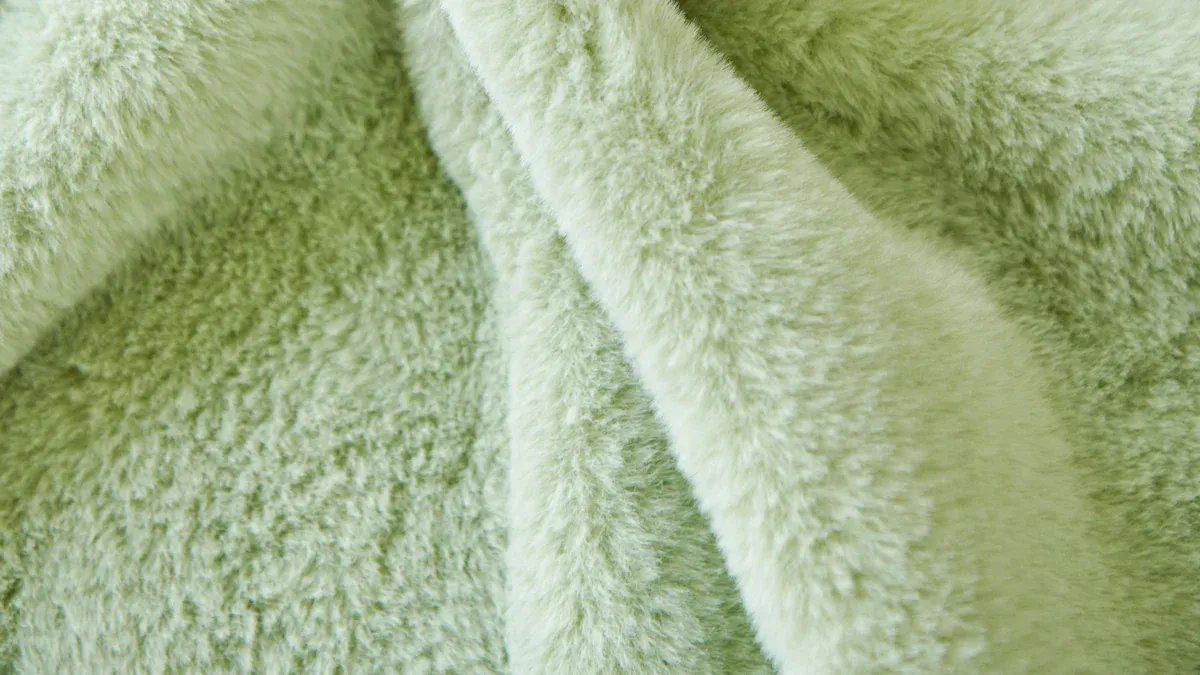
Brushed fabrics include brushed cotton, flannel, velvet flannel, and velvet fleece. The term “brushed fabric” describes textiles with a soft, fluffy feel. This is because a special brushing process fluffs up the fibers on the fabric’s surface. Velvet fleece is another type of brushed fabric, known for its comfort; it’s a lightweight and warm fabric.
Key Takeaways
- Brushed fabrics, such as brushed cotton and flannel, have a soft, fluffy feel. This is because a special brushing process fluffs up the fibers.
- Brushed cotton is commonly used in bedding and clothing. It’s warm, breathable, and gentle on sensitive skin.
- There are many types of brushed fabrics, such as brushed fleece and brushed polyester. They are versatile and can be used to make comfortable loungewear and sportswear.
- The brushing process makes the fabric softer and more durable, maintaining its condition even after multiple washes.
- When choosing between brushed and fleece fabrics, consider your specific needs. Brushed fabrics are soft and breathable, while fleece fabrics are warmer and quick-drying.
Names and processes of brushed fabric
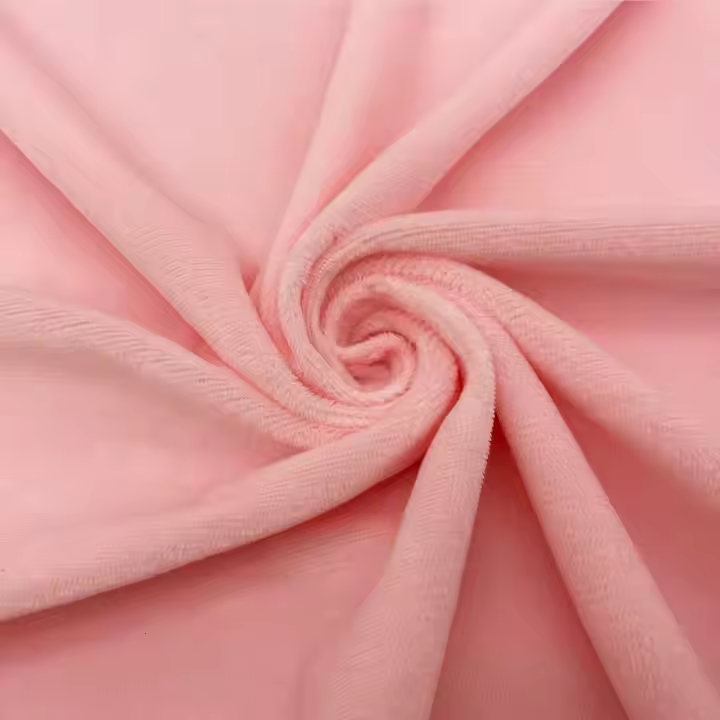
What is brushed fabric?
Brushed fabric refers to textiles that have undergone machine processing. These machines use wire brushes or rollers to lift the fibers, making the fabric surface fluffy and soft. The brushing process gives the fabric a warmer and softer feel than ordinary fabrics. Flannel, flannel fleece, and fleece are also names for brushed fabrics. Each name represents a different style or use. Flannel is thicker and warmer than brushed cotton. Fleece fleece is lightweight and comfortable. These fabrics are often used to make bedding, pajamas, and shirts. Cotton twill is often used to brush cotton fabric, making the fabric strong and smooth.
How brushing works
The brushing process involves several steps. Factories use machines to process brushed cotton bedding and other fabrics to make them soft and comfortable. Here is a general brushing process:
- PPre-treatment: Workers clean and dry the fabric to better prepare it for the brushing process.
- Brushing Preparation: Technicians select and set up the appropriate machines.
- Brushing Application: The fabric passes through the brushing machine. The machine uses wire brushes, sandpaper rollers, or carbon brushes to lift the fibers.
- Post-treatment: Brushed fabrics may require further cleaning, drying, or shaping before final use.
Factories typically use wire brushes to treat brushed cotton and twill fabrics. Sandpaper brushing makes the fabric smoother. Carbon brushing and polishing brushing increase shine and fluffiness. Each method makes brushed cotton bedding soft and warm. Twill fabric is comfortable and durable.
Common Types of Brushed Fabrics
Brushed fabrics come in many varieties, each with its own characteristics. The table below lists some common brushed fabrics and their main properties:
| Type of Brushed Fabric | Distinguishing Characteristics |
|---|---|
| Brushed Cotton | Soft, breathable, good for sensitive skin, used in shirts, pajamas, and bedding. |
| Brushed Polyester | Strong, dries fast, keeps moisture away, used in sportswear and jackets. |
| Brushed Fleece | Thick, warm, light, keeps heat in, used in jackets and blankets. |
| Brushed Linen | Softer and more flexible than regular linen, cool, good for summer clothes. |
| Brushed Tweed | Looks neat, has a soft inside, used in fancy jackets. |
Brushed cotton is soft and breathable, making it a popular choice for many families for its comfortable and gentle feel in bedding. Brushed polyester dries quickly, making it suitable for sportswear. Brushed fleece is warm and lightweight. Brushed linen is cool and soft, ideal for summer. Brushed tweed is stylish and beautiful with a soft lining.
Flannel, flannel fabric, and fleece are all names for brushed cotton fabrics. Flannel is brushed on both sides, making it thicker and warmer than brushed cotton. Fleece is lighter and thinner, suitable for making comfortable clothing. Twill is often used to make brushed cotton bedding, making it strong, durable, and smooth to the touch.
Brushed cotton bedding is popular in bedrooms worldwide. Brushed twill is soft to the touch, durable, and does not easily deform even after multiple washes. Brushed cotton fabric is also commonly used to make shirts, pajamas, and baby clothing. Suerte offers custom brushed cotton bedding and other products for brands to meet diverse needs.
Features and Advantages of Brushed Fabric
Soft and Warm
Brushed fabric is renowned for its softness and warmth. The brushing process fluffs up the fibers of cotton fabric, creating a layer of nap. This fabric has a soft touch and a fluffy, attractive appearance.
Scientists have discovered that brushed cotton flannel is made through a napping process. This process gives it a soft touch and enhanced warmth. The weight of flannel sheets is measured in grams per square meter. Heavier sheets are warmer. Microfiber sheets without a brushing treatment feel smooth and cool, but lack the nap and warmth of brushed fabric.
Brushed cotton bedding is soft and breathable. The brushing process keeps the cotton fabric lightweight and breathable, making it incredibly comfortable in all weather conditions.
Durability and Versatility
Brushed fabric is not only soft and warm, but the brushing process also makes the cotton fabric thicker and more durable, thus extending the lifespan of brushed cotton bedding. This fabric is not easily worn or pilled and remains soft and new even after multiple washes.
Brushed fabric has a wide range of uses in daily life. The table below lists the occasions when brushed fabrics are used:
| Application Category | Examples of End Uses |
|---|---|
| Cold Weather Apparel | Fleece jackets, flannel shirts, thermal underwear |
| Home Comfort and Loungewear | Cozy loungewear sets, pajamas, comfortable robes and slippers |
| Baby and Childcare | Baby blankets, infant sleepers, soft burp cloths |
| Home Textiles and Linens | Flannel sheet sets, cozy throw blankets, upholstery and plush toys |
| High-Absorbency Toweling and Cleaning | Turkish and Egyptian cotton towels |
Brushed fabric vs fleece

Key differences
Both brushed and fleece fabrics are soft and warm to the touch, but they are not the same. Brushed fabric has a short, thick layer of nap, which is smoothed like peach skin in factories. Fleece fabric, on the other hand, has longer, finer fibers, which are pulled out by workers to make it fluffy and thick.
Brushed fabric can be made from cotton, wool, or polyester. Fleece fabric is typically made from polyester.
The two fabrics are manufactured differently. Brushed fabric is based on woven or knitted fabric; workers first wash it to remove dirt and grease, then machines lift the short fibers to soften it. Special chemicals help hold the fibers in place and prevent pilling. Fleece fabric, made from polyester, omits the washing step.
Both fabrics offer warmth and breathability. Wool fleece performs better when wet, providing both warmth and moisture wicking. Polyester fleece dries quickly and absorbs sweat rapidly. Both fabrics are breathable, but fleece wicks away sweat much faster.
When to Choose Which Fabric
People choose brushed or fleece fabrics for various reasons. Brushed fabric is suitable for making warm clothing, sportswear, and pajamas, offering a soft and comfortable feel. Many households use brushed fabric for bedding, blankets, and pillows during winter. Children’s clothing often uses brushed fabric because it is soft yet durable. Hats and gloves are also frequently made with brushed fabric for warmth.
Fleece fabric is ideal for making outerwear, blankets, and outdoor clothing, locking in heat and drying quickly. Polyester fleece is suitable for making sportswear and casual wear. People choose fleece when they need warmth and dryness, especially outdoors.
Fleece fabrics include brushed cotton, flannel, fleece, and velvet. These fabrics are soft to the touch because the brushing process makes the fibers fluffy. This makes them both warm and comfortable. Brushed fabrics are durable and gentle on the skin. Fleece fabrics are thicker and very comfortable to wear. They also dry quickly, making them suitable for outdoor clothing. People often choose brushed fabrics for bedding, pajamas, and shirts when seeking comfort. Brands can customize special comfort products according to customer needs. The table below lists factors to consider when choosing between brushed and fleece fabrics:
| Consideration | Description |
|---|---|
| Functionality vs. Aesthetic | Brushed fleece gives cozy warmth and a soft look. |
| Weight and Thickness | Heavier fabrics feel more cozy and suit colder climates. |
| Fiber Composition | Polyester fleece stays cozy and lasts longer. |
| Sustainability | Recycled fleece offers a cozy option with less environmental impact. |
| Customization | Brands can design cozy fabrics with special colors and prints. |
| Certifications | Certified fabrics ensure cozy comfort and safe production. |
| Care & Maintenance | Fleece stays cozy after washing and needs little care. |
FAQ
What’s the difference between brushed fabric and regular fabric?
Brushed fabric has a unique feel because machines stand the surface fibers up. This process creates a soft, fluffy texture. Many people can feel this difference when touching brushed cotton sheets.
Why do people choose brushed cotton sheets for bedding?
People choose brushed cotton sheets for comfort and warmth. The soft surface helps relax the mind and body, leading to a better night’s sleep. With proper care, these sheets can also last a long time.
Is brushed fabric suitable for sensitive skin?
Many people find breathable brushed fabric ideal for sensitive skin. The soft fibers reduce irritation. This fabric is breathable, helping to keep skin cool and dry.
How does brushed fabric help with sleep?
Brushed fabric keeps the body warm and comfortable. The soft surface helps people fall asleep faster. Many people enjoy the comfort of brushed cotton sheets on cold nights.
What should you consider when buying high-quality brushed fabric?
Buyers should check the fabric’s thickness, softness, and surface evenness. High-quality brushed fabrics feel smooth and firm to the touch, remain soft after washing, and offer a unique tactile experience.