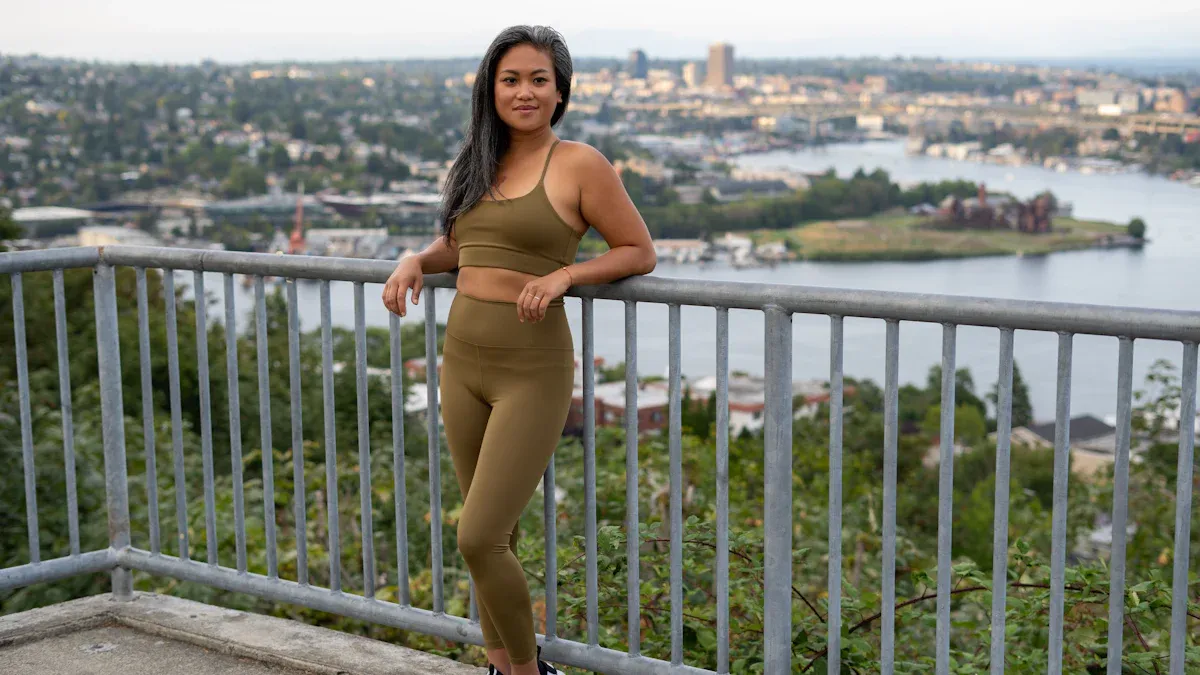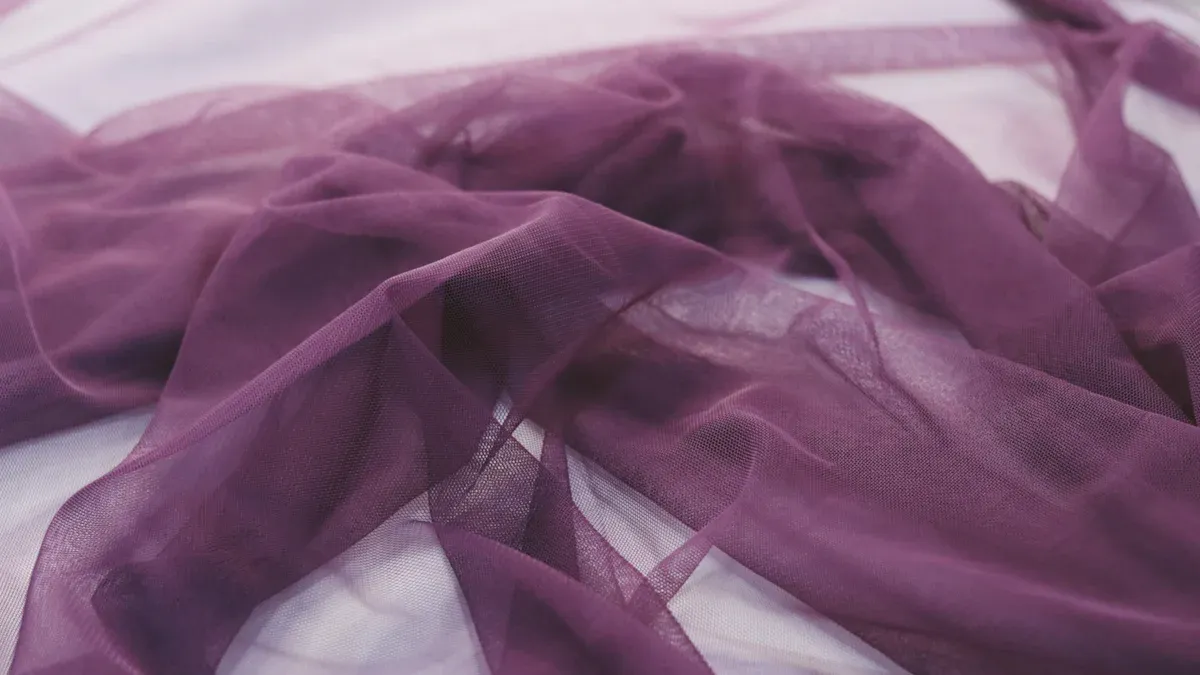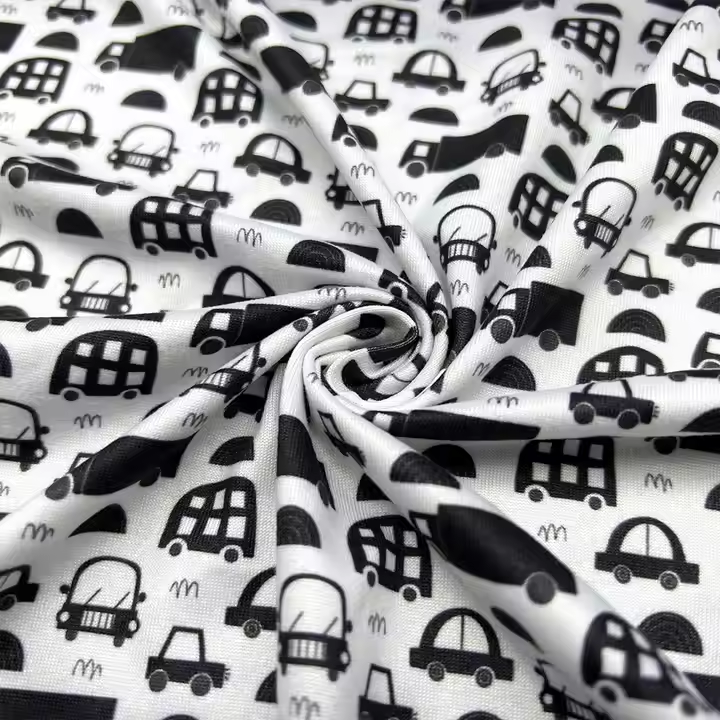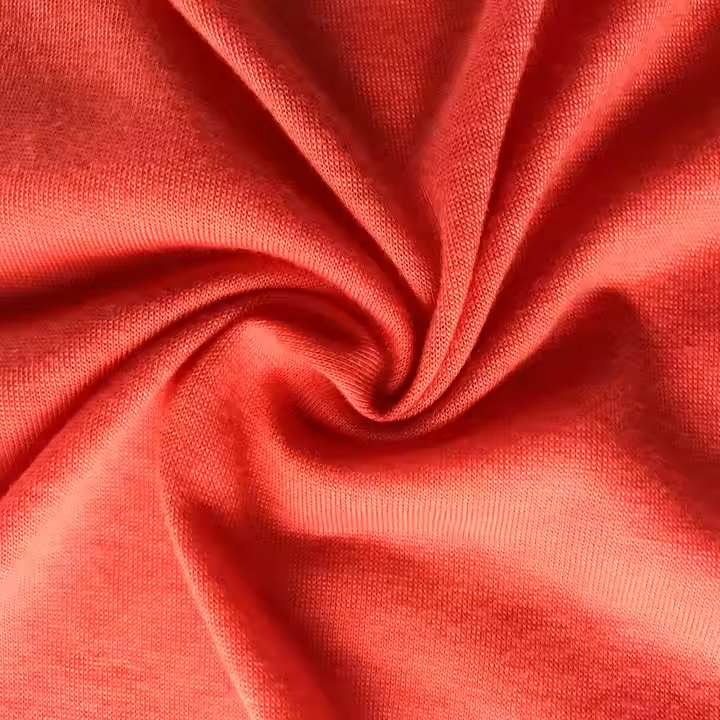
Many people have other names for jersey fabrics. Some common names include:
- Single knit fabric
- T-shirt fabric
- Triple knit fabric
These names vary depending on the fabric’s material. The intended use of the fabric also influences the name. Sometimes, the name also depends on the place of origin. Each name reflects the unique characteristics of the knitted fabric.
Key Takeaways
- Knitted fabrics also have other names, such as single knit fabric, T-shirt fabric, and triple knit fabric. These names reflect its special properties. Single knit fabric is lightweight and breathable, making it ideal for summer clothing such as T-shirts and sportswear. T-shirt fabric is soft to the touch and highly breathable. It is usually made from cotton or cotton blends. Triple knit fabric is a type of knitted fabric. One side is smooth, and the other side is rough. It is used to make sportswear and underwear. Understanding these names and types helps designers and buyers choose the best fabric for their needs.
Jersey Fabric Alternative Names

Single Knit
Single-knit is a common name for plain-knit fabrics. Its name comes from its unique weaving method: it’s made using only one set of knitted fabric in a circular pattern. This method makes the fabric lightweight and elastic. The use of single-knit fabric dates back to ancient times, as early as medieval Jersey. At that time, it was used to make underwear and sweaters. Today, single-knit refers to a soft and elastic fabric, ideal for making a wide variety of garments.
Note: Single-knit fabrics are favored for their coolness and comfort, making them ideal for summer clothing.
| Fabric Type | Key Features | Applications |
|---|---|---|
| Single Jersey Knits | Uses one needle set, stretches well, light and airy | Leggings, t-shirts, activewear |
| Double Jersey Knits | Uses two needle sets, can flip, stretches one way | Suits, jackets, cardigans |
| Stretch Jersey Knits | Not see-through, stretches, has elastane | Sportswear, t-shirts, sweatpants |
| Interlock Jersey Knits | Double fabric, strong, edges stay flat | Sportswear, polo shirts, dresses |
| Jacquard Jersey Knits | Two sides, can have fancy patterns | Clothes with detailed designs |
T-Shirt Fabric
Many people refer to knitted fabric as “T-shirt fabric” because it’s the primary material used to make most T-shirts. The terry loops in this fabric make it soft and stretchy. Most T-shirt fabrics are made from pure cotton or cotton blends. Pure cotton knit fabrics are cool and comfortable, especially suitable for hot weather. It’s soft and slightly stretchy, making it ideal for everyday wear.
| Characteristic | Jersey Knit | Woven Cotton | Fleece | French Terry |
|---|---|---|---|---|
| Texture | Soft, smooth | Crisp, flat | Brushed, plush | Looped, dense |
| Stretch | Moderate, crosswise | Minimal | Some, varies | Moderate |
| Breathability | High | High | Low-Moderate | Moderate |
| Weight | Light-Mid | Light-Mid | Mid-Heavy | Midweight |
T-shirt fabric differs from other knitted fabrics. Its design prioritizes comfort and breathability. Other types of T-shirt fabric may use synthetic fibers for extended lifespan or sweat absorption.
Warp-knitted Fabric
Warp-knitted fabric is a type of knitted fabric. It is made using a special knitting method called warp knitting. Warp-knitted fabric has a smooth front and a rough back. It has a linear and jagged appearance. Manufacturers use materials such as nylon, spandex, cotton, wool, silk, and polyester to make warp-knitted fabric. This fabric is known for its breathability, elasticity, wrinkle resistance, and durability.
- The special knitting method of warp-knitted fabric makes it soft and elastic.
- Its unique manufacturing method gives it elasticity and strength.
- Warp-knitted fabric is produced on a cross-knitting machine. It is soft on one side and rough on the other.
- Warp-knitted fabric is chosen for making sportswear, underwear, and linings. It has good elasticity and shape retention.
Warp-knitted fabric (Tricot) is widely used in North America, Europe, and the Asia-Pacific region. Countries such as the United States, China, Germany, India, and Japan use warp-knitted fabrics in both fashion and technology.
Interlock
Interlock is a thicker, stronger knitted fabric. It is woven from two sets of yarns, resulting in a smooth surface on both sides. Interlock is stronger and less elastic than single-knit. It is knitted on a double-knitting machine, resulting in a tight and robust structure.
- Interlock is thick and warm, making it ideal for cold weather.
- Its edges do not curl, making it easy to sew.
- Interlock is used to make sportswear, baby clothes, formal wear, and outerwear. It is durable and has a smooth feel.
Single-knit is best suited for making lightweight and soft garments. Interlock is better suited for garments that require warmth and resistance to deformation.
Regional Terms
Different regions have different names for knitted fabrics. Some places call it “tricot” or “single-knit.” Others refer to it as “T-shirt fabric” or “double-knitted fabric.” In North America, Europe, and the Asia-Pacific region, these names are used based on the fabric’s manufacturing process, composition, or intended use. For example, “warp-knitted” fabric is now more commonly used in North America. This is because people want new, environmentally friendly fabrics.
Tip: Understanding these names helps designers and buyers choose the right knitted fabric. This applies no matter where they are in the world.
Reasons for Different Knitted Fabric Names
Fiber Content
The name of a knitted fabric depends on its fiber composition. The type and content of fibers affect its name. If a fiber content is less than 5%, it cannot be called using the fiber’s name and must be referred to as “other fibers.” If a fiber content is greater than 5%, the label can show the actual fiber name, such as “96% polyester, 4% cotton.” This allows buyers to understand the fabric’s composition.
| Fiber Content | Naming Convention |
|---|---|
| Less than 5% | Cannot use common name, labeled as ‘other fiber’ |
| More than 5% | Can use specific fiber names, e.g., ‘96% polyester, 4% cotton’ |
Clear labeling makes shopping easier. Correct names build consumer trust in companies. Incorrect labeling can cause trouble for businesses.
Knitted fabrics can be made from a variety of fibers. Each fiber gives the fabric a unique feel and look. Here are some commonly used fibers in knitted fabrics:
| Fiber Type | Characteristics | Alternative Names |
|---|---|---|
| Cotton | Breathable, soft, hypoallergenic | N/A |
| Wool | Warm, moisture-wicking, elastic | N/A |
| Silk | Luxurious, smooth, lightweight | N/A |
| Polyester | Durable, quick-drying, wrinkle-resistant | N/A |
| Rayon | Soft, breathable, drapes well | N/A |
| Spandex | Highly elastic, stretchable | Lycra, Elastane |
Applications in Clothing
The way knitted fabrics are used in clothing changes their names. Designers choose different types of knitted fabrics depending on the garment. Single-layer cotton knitted fabrics are lightweight and soft, suitable for making T-shirts, polo shirts, and loungewear. These garments need to be comfortable and easy to wear. Their names usually correspond to their uses; for example, “T-shirt fabric” is used for making tops, and “stretch knitted fabric” is used for making sportswear.
Here are some applications of knitted fabrics:
| Jersey Fabric Type | Best Uses |
|---|---|
| Single Jersey Fabric | T-shirts, lightweight dresses, casual wear, layering tops, undergarments |
| Double Jersey Fabric | Jackets, skirts, trousers, structured dresses, midweight outerwear |
| Interlock Jersey Fabric | Baby clothes, premium T-shirts, sportswear, uniforms, sleepwear |
| Cotton Jersey Fabric | Everyday T-shirts, loungewear, pajamas, hoodies, casual wear |
| Stretch Jersey (Lycra/Spandex) | Leggings, yoga wear, sports bras, active wear, swimwear, fitted dresses |
| Polyester Jersey Fabric | Sports jerseys, activewear, performance clothing, uniforms, team kits |
Regional Differences
The names people use for knitted fabrics vary depending on their place of residence. The name for knitted fabrics originated in Jersey. Over time, people in other places created their own names. Some places name them based on the fabric’s manufacturing process or material, while others name them based on the fabric’s use in clothing.
Understanding these differences helps designers and buyers communicate their needs better, regardless of their location.
Applications of Knitted Fabrics in the Fashion and Retail Industry

Industry Examples
Fashion brands and textile companies use a wide variety of names for their fabrics. Designers might choose “single knit” for lightweight tops and dresses. Stores might call basic shirts “T-shirt fabric” to help consumers understand their purpose. Sportswear brands might use “triple knit” for shorts and athletic gear. Manufacturers might choose “double knit” for baby clothes and high-end polo shirts because of its smooth texture and durability. Each name helps people find the right fabric.
Some brands use localized names to connect with buyers. In Europe, stores might call soft cotton knit fabrics “knitted fabric.” In North America, companies might call everyday clothing “T-shirt fabric.” Asian markets might use “triple knit” for sportswear and linings. These names streamline the shopping process and help buyers choose the right fabric.
Custom Fabric Solutions
Suerte offers custom fabric selection services for designers and brands. Their team collaborates with clients to create custom fabrics for projects. Suerte offers a wide selection of colors, patterns, and blends. Designers can choose the most suitable fabrics based on their needs, whether for casual wear, sportswear, or high fashion.
Suerte employs advanced fabric production processes and maintains strict quality control to ensure the superior quality of every fabric. The company can provide samples quickly, eliminating long waiting times for clients. Suerte’s small-batch order model also facilitates collaboration between brands of all sizes.
| Service Feature | Benefit for Designers and Brands |
|---|---|
| Custom knitted fabrics | Special materials for unique designs |
| Wide color and pattern range | More choices for fashion collections |
| High-quality production | Fabrics you can trust |
| Strict quality control | Same results and happy customers |
| Rapid proofing cycle | Fast samples for quick choices |
| Low minimum order | Good for small and big projects |
Suerte’s customized services help brands stand out in the market. Their support makes the creation of new ideas easy and convenient.
Knit Fabric Name Comparison
Quick Reference Table
The table below helps you compare different fabric names. It shows the fibers used, fabric manufacturing process, and applications. This helps designers and buyers more easily choose the best fabric.
| Fabric Type | Fiber Content | Structure | Characteristics | Typical Uses |
|---|---|---|---|---|
| Single Jersey | Cotton, rayon, polyester, wool | Lightweight, V-pattern on one side | Soft, breathable, casual | T-shirts, dresses, tops |
| Double Jersey (Interlock) | Cotton, blends | Thicker, V-pattern on both sides | Durable, soft, reversible | Pants, skirts, tanks, baby clothes |
| Rib Knit | Cotton, rayon, polyester, acrylic | Ribbed surface, vertical lines | Very stretchy, edges do not curl | Turtlenecks, cuffs, necklines |
| Jacquard Jersey | Cotton, blends | Intricate patterns, industrial knit | Unique designs, stylish | Fashion garments, statement pieces |
| Stretch Jersey | Cotton, spandex, blends | Lightweight, added stretch | Flexible, ideal for movement | Activewear, leggings, fitted dresses |
| French Terry | Cotton, blends | Loops on one side, smooth on the other | Soft, absorbent, drapey | Sweatshirts, loungewear, joggers |
| Fleece Knit | Cotton, blends | Thick, deep pile | Warm, soft, cozy | Hoodies, jackets, winter wear |
| Clocqué Jersey | Cotton, blends | Raised texture, special knit | Textured, decorative | Stylish tops, dresses |
| Slub Jersey | Cotton, blends | Irregular yarn, textured look | Unique appearance, casual | T-shirts, casual wear |
Many people use different names for knitted fabrics. Some fabric names include single-knit, T-shirt fabric, warp-knit, and double-knit. Understanding these names helps buyers and designers choose the right fabric and makes it easier for them to find and change fabrics for projects.
- Understanding fabric types helps people choose the right stretch, weight, and look.
- Suerte provides simple fabric tips to help clients choose the fabrics they need.
- Industry charts clearly illustrate the meaning of various terms, helping people avoid confusion.
If you understand the names of knitted fabrics, you will be much more successful in your work in the fashion industry.
| Term | Description |
|---|---|
| Jersey | Single knit with up-and-down loops on the front, used in lots of clothes. |
| Jersey Knit | Smooth on one side, bumpy on the other, often used for T-shirts. |
FAQ
What are knitted fabrics made of?
Knitted fabrics are typically made from cotton, polyester, wool, rayon, or blends. Each fiber gives the fabric a different feel and look. Cotton knitted fabrics are soft and breathable. Polyester knitted fabrics are more durable and quick-drying.
Why are knitted fabrics called “T-shirt fabrics”?
Many people call knitted fabrics “T-shirt fabrics” because most T-shirts use this material. This fabric is stretchy, soft to the touch, and perfect for everyday wear.
What is the difference between double-knitted and single-knitted fabrics?
Double-knitted fabrics use two sets of yarns, making them thicker and stronger. Single-knitted fabrics use one set of yarns, making them lighter and more elastic. Double-knitted fabrics are ideal for making baby clothes and polo shirts.
What are the most common applications of warp-knitted fabrics?
Warp-knitted fabrics are commonly used in sportswear, underwear, and linings. This fabric is stretchy and doesn’t easily deform. Designers choose knitted fabrics for sportswear and smooth linings.
Does Suerte offer custom knitted fabric services?
Suerte offers custom knitted fabric solutions. Their team assists designers in selecting colors, patterns, and blends. Suerte provides rapid samples and supports projects of all sizes.