Lycra mesh fabric has changed the way people think about clothing. This fabric blends lycra and mesh to create clothing that moves with the body. High flexibility lets athletes and dancers stretch, bend, and twist with ease. Mesh panels allow air to flow, improving breathability and comfort even during intense activity. The market for mesh, including lycra mesh fabric, has grown quickly as more people seek comfort and flexibility in their clothes.
Lycra mesh fabric stands out for its ability to deliver flexibility and breathability. This fabric brings comfort to both sportswear and fashion, making it a favorite for designers and wearers alike. Mesh technology, combined with lycra, supports movement and keeps the wearer cool, setting new standards for comfort and flexibility.
Key Takeaways
- Lycra mesh fabric combines stretch and breathability, allowing clothes to move easily and keep the wearer cool during activity.
- The fabric’s 4-way stretch supports full body movement, making it ideal for sports, dance, and activewear.
- Mesh design improves airflow and moisture-wicking, helping to keep skin dry and comfortable even in intense workouts.
- Lycra mesh fabric is durable, resists wear and tear, and maintains its shape and softness after many washes.
- This fabric is versatile, used in activewear, fashion, lingerie, and accessories, offering style and comfort for many occasions.
What Makes Lycra Mesh Fabric Different
Lycra mesh fabric stands out because of its unique blend of materials and construction. Manufacturers use a combination of synthetic fibers to create this mesh stretch fabric. The main components include polyester and lycra. Each fiber brings its own strengths to the mesh. Polyester lycra fabric offers durability and color retention. Lycra adds exceptional stretch and recovery. This blend creates a mesh stretch fabric that is both strong and flexible.
The production process of mesh fabric involves multiple steps. Factories produce polyester fibers through a chemical reaction, and then use specialized machines to weave these fibers into a mesh structure, forming a fabric with tiny pores. This open design makes the mesh fabric lightweight and breathable. Some types of mesh fabric, such as high-strength mesh, use coarser fibers or different weaving methods. These improvements enhance the support and durability of the mesh fabric.
Note: The porous mesh structure allows air to flow freely. This helps keep the fabric cool and comfortable during activity.
Here is a breakdown of the primary components and their roles in lycra mesh fabric:
- Mesh uses synthetic fibers such as polyester and nylon.
- Polyester fibers are made through chemical processes and then formed into strands.
- Specialized machines knit or weave the fibers to create a mesh with small holes.
- Power mesh uses thicker strands or unique weaving for extra support.
- The mesh structure increases ventilation and comfort, making the fabric lightweight and breathable.
The combination of polyester and lycra in mesh stretch fabric results in a material that is elastic, durable, and comfortable. The mesh design also enhances airflow, making it ideal for activewear and performance clothing.
Flexibility and Stretch: Enhancing Activewear Performance
4-Way Stretch and Full Range of Motion
Lycra mesh stretch fabric brings a whole new level of flexibility to sportswear. The four-way stretch design allows the fabric to stretch in all directions. This means the fabric can stretch the body both laterally and vertically. Because the mesh stretch adapts to every movement, athletes and dancers can experience complete freedom of movement. The fabric conforms to the body’s curves as people swing, jump, or bend. This flexibility helps maintain comfort and athletic performance during intense activity.
High-performance mesh sportswear with four-way stretch enhances movement flexibility. The fabric moves with the athlete’s movements, making movements like swinging and catching a ball easier. The mesh stretch supports every movement, preventing the athlete from feeling restricted. Dancers also benefit from this flexibility. The close-fitting design of the four-way stretch nylon-spandex fabric ensures the garment stays in place during dynamic dance movements. This ensures dancers can jump, spin, and stretch freely without worrying about the garment shifting or bunching up.
Functional fabrics in sportswear and dancewear often feature four-way mechanical stretch. This characteristic is crucial for freedom of movement and comfort. Mesh stretch fabric allows for freedom of movement, thus enhancing athletic performance and endurance. Lycra mesh stretch fabric offers exceptional elasticity, meaning the garment returns to its original shape after each wear. This durability makes the fabric ideal for repeated wear of sportswear.
Note: Mesh stretch fabric with lycra offers flexibility and support, making it a top choice for those who need freedom of movement.
Benefits for Sports, Dance, and Movement
Lycra mesh stretch fabric provides many benefits for sports, dance, and other movement-based activities. The flexibility of this fabric allows athletes to perform at their best. Mesh stretch fabric supports muscles and joints by applying gentle compression. This compression improves blood flow and reduces muscle movement, which helps prevent injuries.
- Compression technology in lycra-based activewear gives vital muscle and joint support. Gentle pressure improves circulation and reduces muscle vibration.
- Mesh stretch fabric stabilizes joints like ankles, knees, and wrists during high-impact exercises. This lowers the risk of injury.
- The stretch in lycra mesh fabric helps flush out lactic acid, reducing soreness and speeding up recovery.
- Moisture-wicking properties keep the fabric dry, preventing blisters and instability.
- Breathable mesh fabric allows precise movement and helps maintain proper form, reducing exercise-related injuries.
Lycra mesh stretch fabric is lightweight and breathable. Air circulates easily, keeping athletes cool and dry. The stretch provided by lycra supports a full range of motion without restriction. Compression fabric blended with lycra reduces muscle vibration and supports muscles and joints. This combination improves circulation and helps prevent injuries by stabilizing muscles and reducing fatigue during intense activity.
- Mesh stretch fabric offers breathability and moisture-wicking, keeping the wearer cool and dry. This reduces risks like slipping or chafing during high-intensity workouts.
- Lycra’s stretchability allows full range of motion, supporting proper movement mechanics.
- Compression features in lycra mesh stretch fabric stabilize muscles and joints, reduce muscle vibration, and improve blood flow.
- Compression helps minimize muscle fatigue and soreness, lowering injury risk during high-impact activities such as running or HIIT.
- Functional design elements like mesh inserts enhance ventilation and comfort, further supporting injury prevention.
Athletes and dancers rely on mesh stretch fabric for its flexibility, support, and comfort. The fabric’s ability to stretch and recover ensures that garments stay in place and maintain their shape. This reliability makes lycra mesh stretch fabric a favorite for performance and activewear. The combination of flexibility, stretch, and support helps users achieve their best results in any activity.
Breathability and Moisture Management in Mesh Fabrics
Airflow and Quick-Drying Capabilities
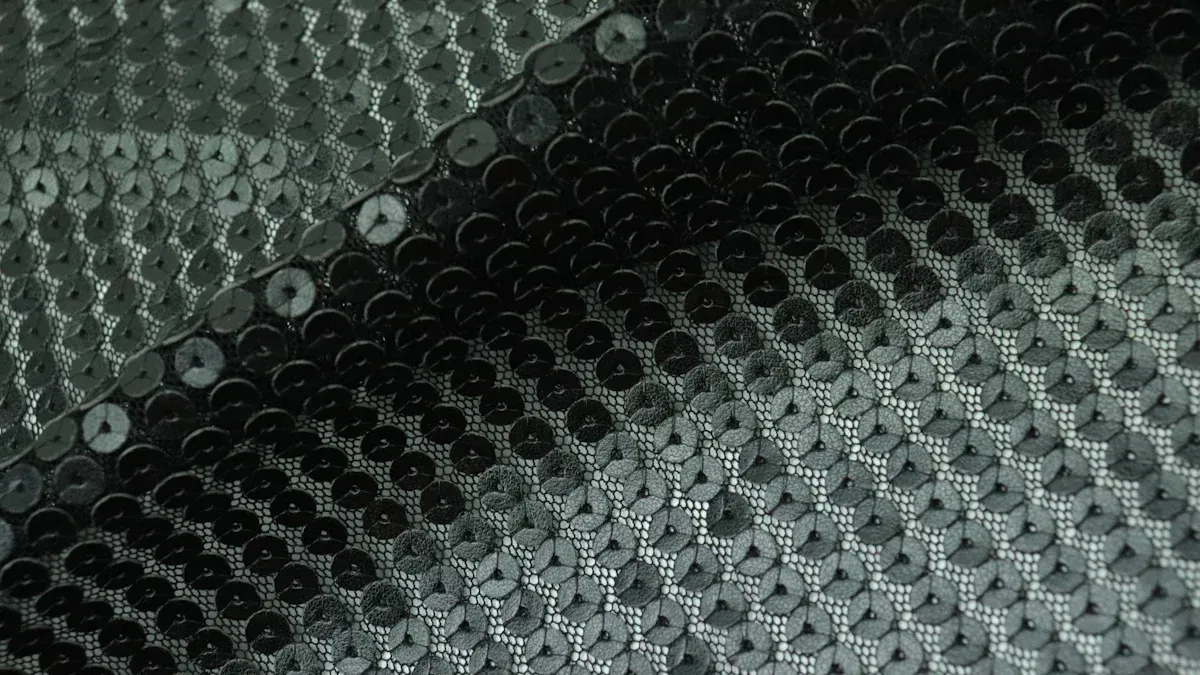
Mesh stretch fabric stands out for its breathability and moisture management. The unique mesh structure features small holes that let air move freely through the fabric. This airflow helps keep the body cool and dry, even during intense activity. Mesh panels in clothing allow sweat to evaporate quickly, which improves comfort and reduces the risk of overheating.
The drying speed of mesh stretch fabric depends on its fiber blend. The table below compares drying times and moisture-wicking speeds for different fabrics:
| Fabric Type | Drying Time (minutes) | Moisture-Wicking Speed (g/m²·s) | Key Characteristics |
|---|---|---|---|
| Polyester + Spandex | 15–20 | 0.65–0.90 | Hydrophobic, fast drying, often treated with moisture-wicking finishes like Coolmax® or Dri-FIT® |
| Nylon + Lycra | 20–30 | 0.40–0.60 | Denser and more elastic, traps sweat near the body, slower drying |
| Polyester + Cotton | 25–35 | 0.30–0.50 | Slowest drying, less moisture-wicking capability |
Mesh stretch fabric made with polyester and spandex dries the fastest. Nylon and lycra mesh stretch fabric dries a bit slower but still offers good moisture-wicking. The mesh design ensures that sweat does not stay trapped, which helps maintain comfort.
Comfort During Intense Activity
Mesh stretch fabric provides excellent comfort during exercise or hot weather. The breathability of mesh allows air to circulate, which helps regulate body temperature. Mesh stretch fabric wicks moisture away from the skin and moves it to the surface, where it can evaporate. This process keeps the wearer dry and comfortable.
Mesh stretch fabric offers several benefits for comfort and moisture management:
- The net-like mesh structure increases airflow and cooling.
- Moisture-wicking properties pull sweat away from the skin.
- Quick-drying mesh keeps the body dry during activity.
- Lightweight mesh stretch fabric feels soft and does not weigh down the wearer.
- The stretch in mesh fabric allows freedom of movement and maintains comfort.
Mesh stretch fabric supports breathability and moisture management in every situation. The combination of airflow, moisture-wicking, and quick drying makes mesh stretch fabric a top choice for activewear. Mesh stretch fabric ensures comfort, even during the most intense workouts.
Durability and Comfort: Long-Lasting Performance
Resistance to Wear and Tear
Lycra mesh fabric stands out for its durability in activewear. Manufacturers use polyester lycra fabric blends to create materials that resist wear and tear. Standardized tests such as Martindale, Wyzenbeek, and Taber Abraser help measure how well lycra mesh fabric withstands abrasion. These tests simulate real-life friction and stress, showing that lycra mesh fabric maintains its performance even after repeated use. Polyester lycra fabric offers strong resistance to pilling, color fading, and surface roughness. This durability ensures that garments keep their shape and support over time.
When compared to other fabrics, lycra mesh fabric shows a longer lifespan. Nylon mesh and polyester mesh both provide durability, but lycra blends offer better stretch and shape retention. Power mesh, a type of nylon mesh, gives high compression and durability, but Lycra mesh fabric resists damage more effectively. Polyester lycra fabric does not shrink or stretch out of shape, which helps extend the life of activewear. Lycra mesh fabric also stands up to frequent washing and intense activity, making it a reliable choice for sports and fitness.
- Lycra can stretch up to seven times its original length without damage.
- Polyester lycra fabric maintains elasticity and shape retention after many washes.
- Lycra blends are common in compression wear and sportswear for their durability and support.
Softness and Skin-Friendliness
Comfort plays a key role in the popularity of lycra mesh fabric. The fabric feels lightweight and comfortable, making it ideal for long-term wear. Consumers appreciate the nearly weightless feel of polyester lycra fabric on the skin. The open weave structure allows air to circulate, which helps regulate temperature and moisture. This breathability keeps the wearer cool and dry, even during extended activity.
Polyester lycra fabric provides a soft touch and gentle stretch. The elasticity ensures a snug fit without restricting movement. Lycra mesh fabric adapts to the body’s shape, supporting freedom of motion and comfort. The moisture-wicking properties of lycra mesh fabric pull sweat away from the skin, reducing irritation. The fabric’s lightweight nature prevents heat buildup, which adds to overall comfort.
- Lycra mesh fabric offers excellent stretch and flexibility for all-day comfort.
- Polyester lycra fabric maintains softness and shape retention after repeated use.
- The lightweight design and moisture management features make lycra mesh fabric suitable for sensitive skin.
Lycra mesh fabric combines durability, stretch, and comfort, making it a top choice for activewear and everyday clothing.
Versatility of Lycra Mesh Fabric in Fashion
Layering, Sheer Effects, and Trend-Forward Designs
Lycra mesh fabric has transformed modern fashion by offering unmatched versatility. Designers use mesh stretch fabric to create garments that support layering and sheer effects. This approach allows people to experiment with different styles for various occasions. Mesh dresses, for example, have become staples because they can be worn alone or layered over other pieces. The flexibility of mesh stretch fabric supports figure-hugging designs and lets wearers pair them with bodysuits, pants, or tops. This creates textured, modest, or bold outfits.
Fashion trends now highlight the use of mesh in both casual and formal settings. The sheer dress trend, powered by mesh stretch fabric, gives wearers the chance to play with transparency. People often layer mesh dresses with fitted bodysuits, turtlenecks, or long sleeves underneath. Adding a blazer or faux fur coat on top can change the look for different seasons. Designers like Tom Ford and David Koma have featured mesh stretch fabric in runway shows, using it for lightweight shifts and sheer sequin slips. Mesh adapts easily to accessory changes, making it a practical choice for year-round style.
Tip: Mesh stretch fabric offers endless options for layering, helping people create unique looks that match their personal style.
Adapting Mesh for Everyday and High-Fashion Looks
Mesh stretch fabric fits seamlessly into both everyday and high-fashion collections. In daily wear, designers use mesh for leggings, joggers, and athleisure pieces. These garments combine comfort, flexibility, and style, making them perfect for work, school, or leisure. Mesh stretch fabric also appears in office wear, where it adds a modern twist to classic pieces.
High-fashion designers use mesh stretch fabric to add texture, transparency, and visual interest. They often pair mesh with silk or sequins to create sophisticated garments. Mesh stretch fabric appears in fitted bodices, sleeves, and full dresses, giving each piece a modern edge. The lightweight and breathable nature of mesh supports comfort while maintaining a striking style. This blend of function and fashion shows the true versatility of mesh stretch fabric in today’s clothing world.
Mesh stretch fabric stands out as a key material for functional and stylish clothing. Its flexibility, lightweight feel, and adaptability make it a favorite for designers and wearers who value both comfort and style.
Choosing the Right Lycra Mesh Fabric for Versatility
Factors to Consider for Performance and Style
Selecting the right mesh stretch fabric involves looking at several important factors. Each project or garment has unique needs, so understanding these helps ensure the best results.
- Purpose of use: Mesh for sportswear needs high breathability and quick-drying properties. Outdoor gear may require more durability and water resistance.
- Desired characteristics: Look for the right balance of stretch, durability, breathability, and moisture management. Some mesh fabrics offer more stretch, while others focus on strength.
- Budget: Consider both the price per yard and long-term maintenance costs. Some mesh stretch fabric types cost more due to advanced features.
- Environmental conditions: Think about UV resistance, climate suitability, and protection from rain or wind.
- Fabric weight and breathability: Lighter mesh works well for hot climates and active use. Heavier mesh provides more structure and support.
The table below shows how different factors affect the choice of mesh stretch fabric:
| Factor | Lycra Characteristics | Implication for Selection |
|---|---|---|
| Stretch | High elasticity and shape retention | Ideal for fitted, flexible garments requiring movement |
| Durability | Sensitive to heat and chemicals | Needs careful care, especially for swimwear |
| Moisture Management | Moderate, often blended for breathability | Good for activewear with moisture-wicking blends |
| Fit and Shape Retention | Excellent, maintains form over time | Perfect for compression wear, dance, yoga, and swimwear |
| Comfort | Smooth, second-skin feel when blended | Supports long wear and freedom of movement |
| Cost | Higher than polyester | Important for project planning |
Matching Mesh Fabric to Your Needs
Different mesh stretch fabric types work best for specific uses. The right choice depends on the activity, environment, and style goals.
- Mesh fabrics use blends like polyester/spandex or nylon/spandex for excellent stretch and recovery. These blends suit activewear, dance apparel, and lingerie.
- Lighter mesh (20D-40D) offers flexibility and light compression, making it ideal for dancewear leotards. Heavier mesh (70D-100D) provides more compression and support, perfect for shapewear or performance garments.
- Lower denier mesh is delicate and sheer, while medium denier balances comfort and durability. Higher denier mesh is best for outdoor or high-stress clothing.
- Mesh stretch fabric with moisture-wicking and UV resistance works well for sportswear and outdoor gear.
- The strength-to-weight ratio of mesh can be adjusted for extra durability when needed.
Tip: Always match the mesh stretch fabric’s properties—like stretch, breathability, and weight—to the garment’s purpose. This ensures comfort, performance, and style.
Sewing and Caring for Lycra Mesh Fabric
Tips for Sewing Success
Sewing mesh requires careful preparation and the right tools to maintain stretch and durability. Many sewists start by prewashing and ironing the mesh fabric. This step helps increase flexibility and reduces shrinkage. Using a ballpoint or stretch needle prevents damage to the mesh fibers and reduces skipped stitches. Polyester thread works best because it stretches with the mesh and adds strength, while cotton thread can break and does not support durability.
Cutting mesh in a single layer with a rotary cutter helps keep the fabric from shifting. Rulers and fabric markers provide accuracy. Stabilizing the mesh with fusible knit interfacing or spray starch prevents stretching and warping during sewing. Clips or evenly spaced pins secure the edges without leaving holes. A walking foot feeds the mesh evenly, reducing puckering and distortion.
For seams, stretch stitches like zigzag or triple straight stitch allow the mesh to move without breaking. The triple straight stitch is especially strong and supports the durability of activewear. Sergers create flexible, clean seams that last. When hemming, twin needles give a professional finish and maintain stretch. Practicing on mesh scraps helps adjust machine settings and builds confidence.
Tip: Place tissue paper under slippery mesh if the machine struggles to grip the fabric.
Care and Maintenance for Longevity
Proper care extends the life and durability of mesh garments. Washing mesh inside out in cold water on a gentle cycle preserves elasticity and fit. Mild detergents protect the fibers, while bleach and fabric softeners can weaken the mesh and reduce durability. Placing mesh items in laundry bags shields them from friction during washing.
Air drying mesh flat, away from direct sunlight, prevents heat damage and keeps the fabric’s shape. If a dryer is necessary, use low to medium heat to avoid losing stretch. High heat ironing can harm mesh, so use a low setting with a pressing cloth if ironing is needed. Storing mesh garments flat in a cool, dry place prevents stretching and deformation. Hanging mesh can cause it to lose shape over time.
Mesh garments should be washed after each use, especially if exposed to sweat or chlorine. This routine maintains hygiene and supports the durability of the fabric. Following these care steps helps mesh clothing stay flexible, comfortable, and long-lasting.
Lycra mesh fabric has changed clothing by setting new standards for flexibility, breathability, and comfort. Mesh stands out for its breathability, which keeps wearers cool and dry. Mesh offers strong elasticity, so garments stretch with the body and keep their shape. Mesh resists pilling and abrasion, which means long-lasting comfort. Mesh supports muscle compression and breathability in sportswear. Mesh also appears in fashion, from activewear to eveningwear, showing its versatility. Mesh gives designers options for layering and sheer effects. Mesh uses eco-friendly methods, adding modern value. Mesh provides breathability, comfort, and freedom of movement for every occasion.
FAQ
What makes lycra mesh fabric ideal for activewear and sportswear?
Lycra mesh fabric offers excellent stretchability and breathability. Athletes enjoy flexibility and moisture-wicking properties. The fabric supports movement and keeps the body cool. Its lightweight and comfortable feel helps improve performance in both activewear and sportswear.
How does mesh stretch fabric enhance comfort and durability?
Mesh stretch fabric provides a soft touch and strong support. The structure allows airflow, which increases breathability and moisture management. Polyester lycra fabric adds durability and shape retention. This combination ensures comfort and long-lasting performance.
Can lycra mesh fabric be used in both fashion and functional clothing?
Designers use lycra mesh fabric for functional and stylish clothing. The versatility of mesh allows for layering, sheer effects, and unique style choices. Mesh adapts to both high-fashion and everyday outfits, making it popular in many collections.
Why is moisture-wicking important in activewear?
Moisture-wicking fabric pulls sweat away from the skin. This keeps the wearer dry and comfortable. Breathability and moisture management help prevent irritation. These features support better performance and comfort during intense activity.
What are the benefits of polyester lycra fabric in everyday outfits?
Polyester lycra fabric offers lightweight comfort, flexibility, and durability. The fabric maintains shape retention and stretch. People enjoy its support and style in activewear and everyday outfits. The benefits of polyester lycra fabric make it a top choice for many uses.