
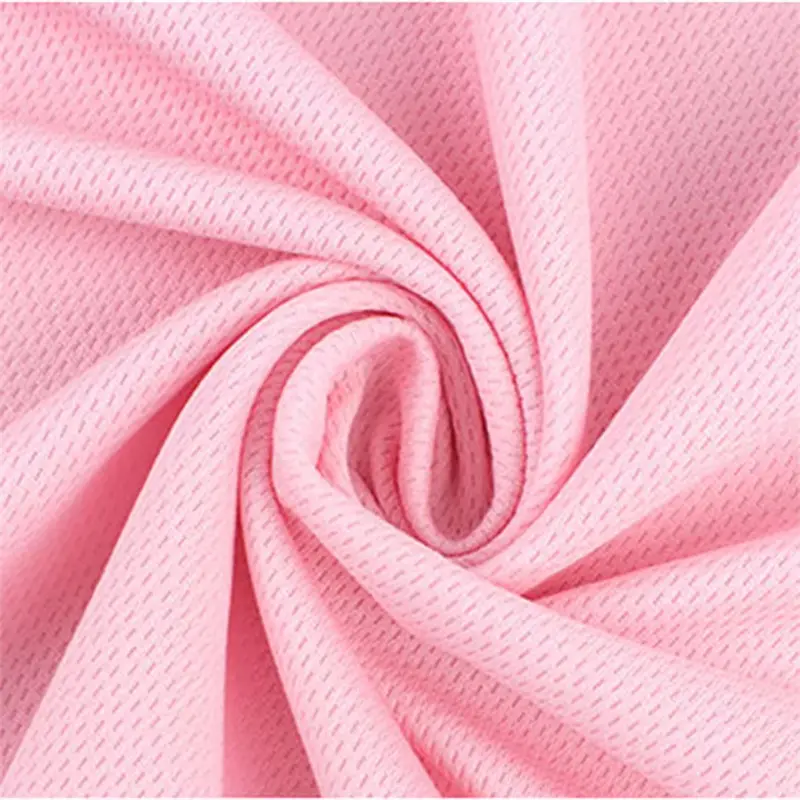
Mesh fabric, commonly referred to simply as “mesh”, is highly recognizable due to its distinctive net-like appearance. Lightweight and highly breathable, this versatile material allows excellent air circulation for enhanced comfort in various applications. Most manufacturers produce mesh fabric using three primary materials: polyester, nylon, and cotton, each offering unique performance benefits. With its superior breathability and lightweight performance, mesh fabric supports diverse industrial and commercial applications. Suerte Textile provides professional custom mesh fabric solutions, offering a full selection of colors, sizes, and production specifications to meet the bespoke requirements of businesses seeking high-quality, personalized mesh products.
Key Takeaways
- Mesh fabrics are lightweight and breathable, making them ideal for both sportswear and casual wear. Mesh fabrics are typically made from polyester, nylon, or cotton. Each material has its own advantages, such as durability or comfort. There are many types of mesh fabrics; for example, polyester mesh is often used in sports, while tulle mesh is frequently used in the fashion industry. This means that mesh fabrics have a wide range of applications. Understanding the characteristics of mesh fabrics will help you choose the right style, whether for clothing, home furnishings, or workwear. Suerte Textile offers customizable mesh fabrics to meet your various needs and help businesses obtain the mesh fabric needed for their projects.
Mesh Fabric Called: Name and Definition
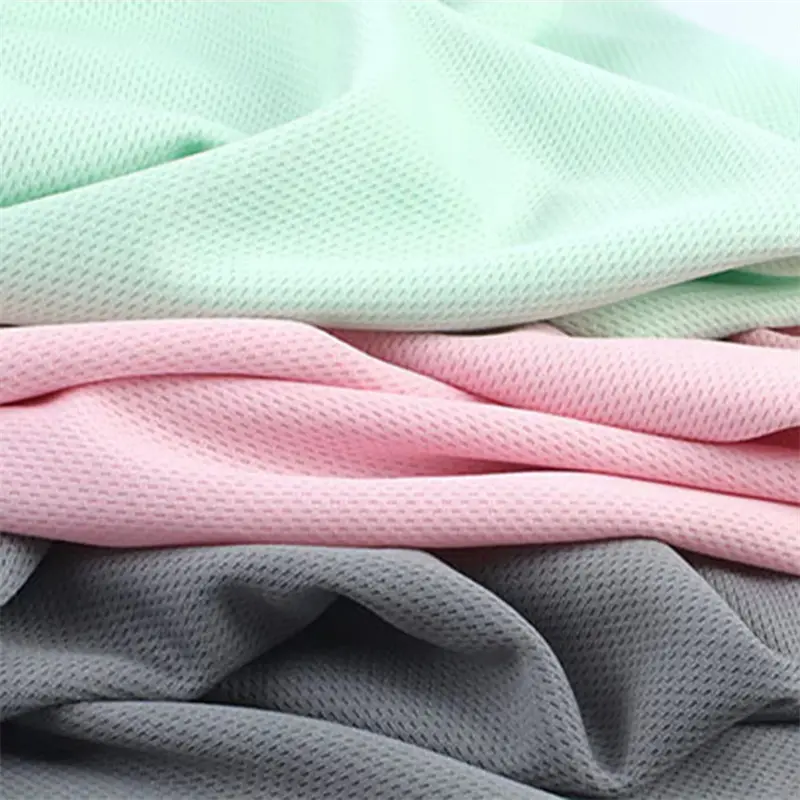
What is a mesh fabric?
Textile professionals refer to mesh fabric as “mesh cloth.” Mesh cloth has a mesh-like pattern, composed of evenly distributed small holes. It is typically made of nylon, polyester, or polypropylene. Technically, the characteristic of mesh cloth is its surface covered with small holes, facilitating the passage of air and liquids. Therefore, mesh cloth fabric is widely used in a variety of products.
Mesh cloth has some distinctive features that make it easy to identify. The table below lists the important characteristics that help in identifying mesh cloth:
| Characteristic | Description |
|---|---|
| Breathability | Lets air move through, helps keep you cool in clothes. |
| Transparency | You can see through it a little, good for things needing light. |
| Lightweight | Mesh is not heavy, which is good when weight matters. |
| Durability | Mesh stays strong even though it has holes, and it does not break easily. |
| Flexibility | Mesh can stretch well, so it works for things that need to bend. |
Mesh fabric is favored for its lightweight, strength, and breathability. These properties make it ideal for sportswear, bags, and home furnishings.
Other Names for Mesh Fabric
Mesh fabric has several other names in the textile industry. Different names are used depending on the type or purpose of the mesh fabric. Each name represents a specific style or use of the mesh fabric. For example, tulle is often used in dresses and embellishments. Strong mesh and high-strength mesh fabric are often used in sportswear and shapewear. Understanding these names helps people choose the right mesh fabric.
Materials and Manufacturing Processes of Mesh Fabric
Common Materials
Mesh fabric can be made from natural or synthetic fibers. Different fiber types give mesh fabric different properties. The table below lists some fibers used in mesh fabric:
| Fiber Type | Examples |
|---|---|
| Natural | Sisal, Jute, Cotton |
| Synthetic | Carbon Fiber, Alumina-Coated Steel |
Most mesh fabrics are made from synthetic fibers such as polyester and nylon. These fibers make mesh fabrics strong, durable, and elastic. If a softer feel is desired, cotton fabrics are used. People often ask what mesh fabrics are made of. The answer depends on the intended use of the mesh fabric. Polyester and nylon mesh fabrics are commonly used in sportswear. Cotton mesh fabrics are ideal for home furnishings.
Suerte Textile sells mesh fabrics in a variety of colors, sizes, and finishes. They accept custom orders for mesh fabrics with a minimum order quantity of only 300 kg. Their fast sample-making service helps customers obtain samples quickly.
How Mesh Fabric is Made
How do people make mesh fabric? First, they start with raw fibers. These fibers are spun into yarn. Then, machines weave or knit the yarn to make the mesh pattern. The table below explains each step:
| Step | Description |
|---|---|
| Raw Material | Getting synthetic fibers (polyester, nylon) or natural fibers (cotton) from farms or factories. |
| Spinning | Twisting fibers into long pieces of yarn. |
| Weaving | Crossing yarns to make the mesh pattern and build the fabric. |
| Knitting | Making loops with yarn to create a stretchy mesh, often for flexible fabrics. |
| Finishing | Treating the fabric to change how it feels, looks, or lasts, like dyeing or adding coatings. |
How does Suerte Textile make mesh fabric? Their team can make mesh in many colors, sizes, and patterns. They offer samples with different colors, sizes, and ways of making mesh. Customers can touch and see the mesh before buying a lot. This helps businesses pick the best mesh for what they need.
Mesh Fabric Types

Main Types
There are many types of mesh fabrics on the market. Polyester mesh fabric is the most common, accounting for almost half of all mesh fabric production. Nylon mesh fabric is the second most used, often for applications requiring high strength. Cotton blends and specialty fibers make up the remaining mesh fabric types.
Each type of mesh fabric has its unique characteristics. The table below lists the main types and their differences:
| Type of Mesh Fabric | Defining Features |
|---|---|
| Polyester Mesh | It is strong, light, and lets air pass. It does not get wet easily. It comes in many colors and patterns. People use it for sportswear. |
| Nylon Mesh | It is strong and stretchy. It is light and dries fast. It does not wear out quickly. People use it for swimwear and outdoor gear. |
| Power Mesh | It stretches and gives support. It is made from nylon and spandex. People use it for sportswear and shapewear. |
| Tulle | It is light and soft. It feels airy. People use it for dresses and decorations. It makes events look fancy. |
Differences in Mesh Fabric Types
There are many types of mesh fabrics, each with its own characteristics. Their durability, elasticity, breathability, and uses vary. Polyester mesh fabric is durable and has excellent breathability. Nylon mesh fabric is very strong and has good elasticity. Elastic mesh fabric is highly elastic and provides good support. Chiffon mesh fabric is soft and comfortable, but less durable.
| Mesh Fabric Type | Durability | Elasticity | Breathability | Applications |
|---|---|---|---|---|
| Polyester Mesh | Lasts a long time | Stretches a bit | Lets lots of air in | Used for sportswear and uniforms |
| Nylon Mesh | Very strong | Stretches well | Lets lots of air in | Used for sportswear and soft clothes |
| Strong Mesh | Lasts pretty well | Stretches a lot | Lets lots of air in | Used for clothes that need support |
| Chiffon Mesh | Does not last long | Does not stretch much | Lets some air in | Used for fashion and decorations |
There are many types of mesh fabrics with a wide range of uses. Polypropylene mesh fabric is suitable for packaging and construction. Wire mesh is used in construction and fencing. Warp-knitted mesh fabric is often used for clothing linings. Weft-knitted mesh fabric is often used for bags and shoes. Large-mesh mesh fabric is often used for travel and sporting goods. Single-mesh mesh fabric is often used for tents and everyday items.
Different types of mesh fabrics help people choose the most suitable fabric according to their needs.
Mesh Fabric Properties & Uses
Key Properties
Mesh is special because of how it is made and works. People like mesh because air can move through it easily. The holes in mesh let air pass, so clothes stay cool. Mesh also helps sweat move away from your skin. This keeps you dry and cool when you are active. Mesh is light, so it does not make clothes heavy. Mesh is strong and can be washed many times. It does not lose its shape. Mesh is tough, so it is good for hard activities. It does not break or wear out fast.
- Mesh lets air move well, which is great for sports and being outside.
- Mesh dries fast because it moves sweat away from the skin.
- Mesh is strong and works well in rough places.
- Light mesh makes moving around easy and comfy.
- Mesh helps air move in shoes, bags, and things for the home.
The table below shows how well different fabrics move sweat:
| Fabric Type | Moisture-Wicking Ability |
|---|---|
| High-tech Synthetic | Moves sweat very well and dries quickly |
| Cotton Mesh | Soaks up sweat but dries slowly |
| Breathable Mesh | Lets air in and controls sweat |
Common Uses
People use mesh for many things because it is useful and lets air in. In sports clothes, mesh helps keep you cool in shirts, shorts, and vests. Mesh parts in leggings and tops help air move during exercise. Mesh is also used in fashion for dresses, tops, and fancy clothes. Designers use mesh to make clothes look nice and feel cool. Mesh is found in home things like pillows and curtains. These things need air to move through them.
- Sports clothes use mesh to keep people cool and comfy.
- Mesh in shoes and bags helps air move and keeps things dry.
- Home items use mesh for style and to let air in.
The table below shows where mesh is used:
| Sector | Common Uses |
|---|---|
| Sportswear | Sports clothes, running shoes, vests, workout gear |
| Fashion | Dresses, tops, fancy clothes, everyday wear |
| Home Textiles | Pillows, curtains, organizers |
Suerte Textile has many kinds of mesh fabric. They help people find the right mesh for any project. They can make mesh in many colors, sizes, and styles. This makes it easy to get mesh clothes that let air in.
Tip: Mesh is great for sports, fashion, and home things because it lets air move. Suerte Textile can help you pick the best mesh for what you need.
Mesh vs. Similar Fabrics
Mesh vs. Netting
Mesh and netting look alike, but they are not the same. Mesh is made by weaving or knitting yarn in a grid. Netting is made by looping or tying threads to make holes. The holes in netting can be different sizes. Mesh feels smooth and bends easily. Netting feels rough and does not stretch much. Mesh lasts longer and can stretch more. Netting is lighter and stays stiff. People use mesh for sports clothes, bags, and machines. Netting is good for fishing nets, tutus, and party decorations.
| Feature | Mesh Fabric | Netting Fabric |
|---|---|---|
| Construction | Woven or knitted with a uniform grid pattern | Looped or knotted threads forming irregular holes |
| Texture | Smooth and flexible | Coarser and less elastic |
| Durability | More durable and stretchy | Lighter and more rigid |
| Typical Uses | Sportswear, bags, industrial applications | Fishing nets, tutus, event decorations |
Mesh vs. Lace
Mesh and lace both have holes, but they are used for different things. Mesh has a simple pattern with small holes. Lace has fancy designs and often shows flowers or shapes. Mesh is strong and lets air move through it. Lace is soft and used to make things look pretty. People pick mesh for sports and work clothes. Lace is chosen for dresses and special outfits.
Mesh vs. Tulle
Mesh and tulle both look like nets, but they are not the same.
- Mesh has open holes. It is light and lets air pass. It helps sweat dry fast. People wear mesh for sports and exercise.
- Tulle feels stiff and does not let air in as much. People use tulle for decorations and fancy clothes.
Mesh is better than tulle for many things:
- Sports clothes use mesh to keep people cool and dry.
- Lingerie uses mesh because it is soft and comfy.
- Factories use mesh because it bends and is strong.
Mesh is known for being strong, comfy, and useful. Tulle is best for making things look nice.
Mesh fabric is lightweight, breathable, and easily noticeable. Its small openings help keep people and objects cool. Most mesh fabrics are made of polyester or nylon. These materials make mesh fabrics strong, durable, and elastic. You can find mesh fabrics in sportswear, fashion apparel, and home furnishings. Mesh fabrics help keep people and objects cool and comfortable.
Suerte Textile offers professional advice, fast sample making, and reliable quality. This makes them ideal for custom mesh fabrics.
FAQ
What are the uses of mesh fabric?
Mesh fabric is commonly found in sportswear, bags, footwear, and home furnishings. Designers love mesh fabric because it is breathable and lightweight. It is also widely used in the fashion and industrial sectors.
What is the difference between mesh fabric and netting?
Mesh fabric has a uniform mesh texture. Netting is woven from knotted or wrapped threads. Mesh fabric has a smooth feel and is more elastic. Netting has a stiffer texture and is suitable for fishing or decorative applications.
Can mesh fabric be customized?
Suerte Textile offers custom mesh fabric services. Customers can choose colors, sizes, and patterns. The company provides fast sample and small-batch order services for businesses.
Is mesh fabric durable?
Mesh fabric maintains its strength even with frequent use. Polyester and nylon mesh fabrics are not easily torn or stretched. While cotton mesh fabric is softer, it may wear out faster.
What materials is mesh fabric made of?
Mesh fabric is made from polyester, nylon, cotton, and some special fibers. Synthetic fibers make mesh fabric stronger and softer. Cotton mesh fabric is soft and comfortable, suitable for both loungewear and casual wear.


