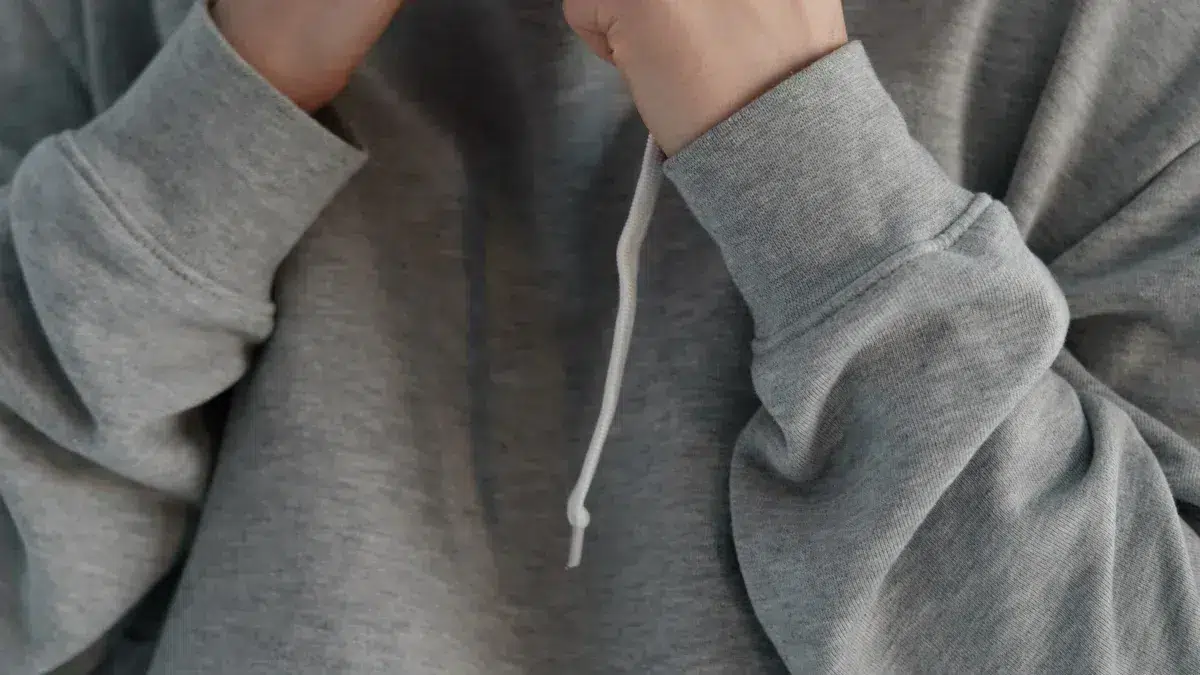
Bamboo print fabric is increasingly used in sustainable fashion because it combines comfort with the potential for lower environmental impact when responsibly produced. Bamboo grows quickly and can require less irrigation and fewer pesticides than many conventional crops, depending on the farming conditions. Some bamboo-based textiles, particularly mechanically processed bamboo fibers, can biodegrade under suitable environmental conditions.
Key Takeaways
- Bamboo print fabric is good for the environment. Bamboo grows fast. It needs little water. It does not need pesticides.
- Bamboo-based fabrics are often described as soft and breathable due to their fiber structure. It works well for sensitive skin. It is good for daily use.
- Check for certifications like FSC and OEKO-TEX® when you buy bamboo clothes. These labels show the fabric is safe and made responsibly.
- Some studies suggest bamboo fibers may inhibit bacterial growth under certain conditions, although this effect can vary depending on the processing method. It keeps clothes smelling fresh. It helps stop bad odors.
- Picking bamboo print fabric helps support sustainable fashion. It is a flexible material. People use it for many types of clothes and home items.
What Is Bamboo Print Fabric?
Definition and Features
Bamboo print fabric refers to textiles made from bamboo-derived fibers that feature printed patterns or designs. It has cool patterns printed on it with special machines. It combines the functional properties of bamboo-based fibers with decorative textile printing techniques. That is why people like it for sustainable fashion. The table below shows how bamboo print fabric is not the same as other bamboo textiles:
| Feature | Description |
|---|---|
| Composition | Made from bamboo fibers with printed patterns. |
| Distinguishing Features | Soft, lets air through, good for the planet, and fights germs. |
| Types | Includes bamboo viscose (made with chemicals) and bamboo linen (made with machines). |
Bamboo print fabric feels smooth and hangs nicely. Designers use it for T-shirts, dresses, and things for the home. It is soft and lets your skin breathe. This makes it great for people with sensitive skin.
How Bamboo Fabric Is Made
Making bamboo fabric starts with cutting bamboo. Bamboo grows fast and can be used again and again. Manufacturers convert bamboo into textile fibers through two main approaches: chemical processing (commonly producing bamboo viscose or rayon) and mechanical processing (which produces bamboo linen–type fibers). Here are the steps:
- Cut bamboo stalks.
- Make fiber from the bamboo pulp.
- Use chemicals or machines to make fabric.
- Cut and sew the fabric into shapes.
- Print patterns using digital, screen, or reactive printing.
- Wash and dye the fabric.
Bamboo print fabric comes in different weights and feels. Lighter fabric is good for baby clothes. Heavier fabric is better for leggings or hoodies.
Eco-Friendly Production
Bamboo cultivation can have environmental advantages because the plant grows rapidly and may require less irrigation than many conventional fiber crops. How the fabric is made is important, too. Choosing bamboo fabrics produced through responsible sourcing and closed-loop manufacturing can help reduce environmental impact. People should check for labels that say the fabric was made with care for the planet.
Some textile manufacturers, such as Suerte, provide customized bamboo print fabrics for fashion brands and product developers. They know about market trends, green sourcing, and new printing. These services may include sampling, printing development, and production support for apparel and textile brands. They make sure every project is high quality and flexible.
Functional Benefits of Bamboo Fabric for Consumers
Luxurious Softness
Bamboo fabric feels very soft to touch. The fibers are smooth and gentle. Many consumers perceive bamboo-based fabrics as softer than conventional cotton, although the feel can vary depending on the yarn structure and finishing process. Many people notice this when wearing bamboo t-shirts. The softness is good for sensitive skin. Bamboo t-shirts are comfy all day. They are popular for daily wear. Bamboo fabric is hypoallergenic. It helps stop skin irritation. People with allergies can wear bamboo t-shirts without worry.
Temperature Regulation & Breathability
Bamboo fabric helps keep your body cool. Its fibers let air move easily. This keeps skin cool and comfortable. Bamboo t-shirts are light and breathable. They are great for sports and hot days. Some laboratory tests show that certain bamboo viscose fabrics can absorb moisture efficiently, which may help improve comfort in warm conditions. This helps keep skin at a good temperature. Bamboo t-shirts also keep you warm in cold weather. They work well for all seasons. Bamboo fabric is breathable. It gives comfort and style.
- Bamboo fabric cools the skin.
- It lowers friction for more comfort.
- Bamboo t-shirts are great for sports and daily wear.
Moisture-Wicking & Anti-Odor
Bamboo fabric wicks away moisture fast. Bamboo t-shirts soak up sweat quickly. They pull sweat away from the skin. This keeps you dry during exercise or daily tasks. Bamboo t-shirts are smart for sports and activewear. Raw bamboo plants contain antimicrobial compounds, but the level of antibacterial performance in finished bamboo textiles may vary because most fibers are chemically processed during manufacturing. These properties help stop odor. They block bacteria from growing. Some bamboo fabrics may help reduce odor buildup during wear, depending on the fabric structure and finishing treatment. This makes them last and perform well.
| Fabric Type | Moisture Absorption | Mechanism of Wicking |
|---|---|---|
| Bamboo Fabric | 3-4 times more than cotton | Pulls sweat from skin, dries fast |
| Synthetic Fabrics | Repels moisture | Does not pull sweat away |
Natural UV Protection
Bamboo t-shirts protect against UV rays. Certain bamboo fabrics may provide moderate ultraviolet protection, but the actual UV protection level depends on factors such as fabric density, color, and finishing. Most bamboo t-shirts have a high UPF rating. This protects skin from sun damage. In some cases the UV protection comes mainly from the fabric structure rather than additional chemical treatments. People who spend time outside benefit from this feature. UV protection helps bamboo t-shirts last longer. It supports healthy fashion choices.
Tip: Pick bamboo t-shirts for outdoor fun. They give comfort and sun safety.
Bamboo clothing is good for comfort, performance, and the planet. Moisture wicking, antibacterial properties, and softness make bamboo t-shirts a top choice for modern fashion and sports.
Bamboo Fabric Benefits for Sustainable Fashion
Environmental Impact
Bamboo fabric is good for the planet. It does not need much water or chemicals. Bamboo grows very quickly. It can get big in just a few months. Farmers do not use pesticides or fertilizers on bamboo. Bamboo only needs rain to grow. Cotton production is often associated with high water consumption, although the exact amount varies depending on farming practices and regional climate. The table below shows how much water each crop uses:
| Crop | Water Usage (liters) |
|---|---|
| Bamboo | Requires only rainwater |
| Cotton | 2,700 liters for a t-shirt |
| Conventional Cotton | 10,000–20,000 liters per kg of fiber |
| Organic Cotton | Reduces water use by up to 91% |
Some studies suggest bamboo plantations can absorb significant amounts of carbon dioxide due to their rapid growth rate. This helps lower greenhouse gases. Many factories use closed-loop systems to make bamboo fabric. These systems reuse water and chemicals. This helps the textile industry waste less. Bamboo grows fast and does not need much care. This makes it a great choice for the earth.
Bamboo fabric breaks down easily. Mechanically processed bamboo fibers may biodegrade relatively quickly under composting conditions, although the timeframe can vary depending on environmental factors. Bamboo viscose takes longer but is still faster than most synthetic fabrics. This means bamboo fabric goes back to the earth safely. It helps keep the planet clean.
Wearer Comfort and Performance
Bamboo fabric feels soft on your skin. Many people like to wear bamboo clothes every day. The fabric lets air move through it. This keeps you cool. It also pulls sweat away from your skin. This is good for sports or hot days.
Bamboo fabric fights bacteria naturally. This helps stop bad smells and keeps clothes fresh. The table below shows how bamboo fabric lowers bacteria:
| Sample | Microbial population count (CFU/g) | Reduction in bacterial count (%) |
|---|---|---|
| Control | (1.85 ± 0.02) x 10⁵ | 99.95 ± 0.03 |
| 2-days treatment | (1.85 ± 0.02) x 10⁵ | 18.92 ± 0.02 |
| 10-days treatment | (1.85 ± 0.02) x 10⁵ | 16.22 ± 0.02 |
Bamboo fabric is hypoallergenic. People with sensitive skin can wear it safely. Bamboo fabric is soft, lets skin breathe, and fights bacteria. These things make it a top pick for green fashion. It is comfy and good for the planet.
Versatility in Eco-Friendly Fashion

Bamboo print fabric is used in many types of clothes. Designers use it for sportswear, casual clothes, and fancy outfits, often combining it with stretch materials such as rib knit fabric for modern apparel collections. It is light and lets air in. This makes it good for hot weather and active people. Bamboo fabric is also used for bedding, towels, and curtains. It is a comfy and green choice for many things.
Bamboo fabric pulls sweat away and fights bacteria. This makes it great for sports clothes. Its hypoallergenic nature is good for underwear and baby clothes. Bamboo fabric keeps you warm or cool as needed. It also protects from the sun.
Bamboo Print Fabric vs Other Fabrics
Comparison with Cotton and Polyester
Bamboo print fabric is different from cotton and polyester. Each fabric affects the earth in its own way. They also give different benefits to people who wear them. The table below shows how bamboo, cotton, and hemp are not the same. It lists their good points and problems:
| Fabric Type | Environmental Benefits | Challenges |
|---|---|---|
| Bamboo | Rapid growth, minimal land use, low water requirement | Chemical processing, durability, biodegradability concerns |
| Cotton | N/A | High water usage, pesticide use |
| Hemp | Low water usage, durability, pesticide resistance | Less known compared to bamboo and cotton |
Bamboo grows much faster than cotton. It needs less land and water. Cotton uses a lot of water and often needs pesticides. Polyester is not in the table. It is made from petroleum. Polyester does not break down fast. It adds to plastic trash. Bamboo fabric feels softer than cotton and polyester. It also lets air move through. This keeps people cool.
Unique Advantages in Sustainable Fashion
Bamboo print fabric gives many good things to green fashion brands. These reasons make it a top pick for eco-friendly designers:
- Exceptional Sustainability: Bamboo grows up in three to five years. It is a resource that comes back quickly.
- Natural Resistance to Pests: Bamboo grows well without fake pesticides or much water. This helps organic farming.
- Carbon Sequestration: Bamboo takes in more carbon dioxide than trees. This helps lower harm to the planet.
- Softness and Comfort: The fabric feels very soft. It is good for sensitive skin and close-fitting clothes.
- Breathability: Bamboo lets air move through. This keeps people cool and comfy.
- Natural Antibacterial Properties: Bamboo has a special thing that stops smelly bacteria.
- Durability: Good bamboo fibers stay strong and soft after many washes.
Choosing Bamboo Print Fabric for Eco-Friendly Fashion
What to Look For
When you pick bamboo clothing, start by learning where it comes from. Make sure the bamboo is from forests that are cared for well. The fabric should feel soft and hang nicely. It should keep its color after you wash it. Designers like bamboo clothing because it is comfy and lets air in. It also fights germs naturally. These things make bamboo clothing good for the earth and for daily use.
Designers like suppliers who let them order small amounts. Suerte lets designers buy only what they need. This means less waste and helps small brands save money. Designers can get samples of bamboo clothes fast. They can check colors and patterns before buying a lot. The table below shows how these services help designers:
| Benefit | Description |
|---|---|
| Flexibility | Low minimum orders reduce waste and inventory costs. |
| Cost-efficiency | Small orders help designers control budgets. |
| Testing Designs | Rapid proofing allows quick evaluation of new ideas. |
| Accessibility | High-quality bamboo clothing is available to small brands and startups. |

Suerte provides custom embroidered and printed fabrics and helps designers from the first idea to the last step. This makes it easy for brands to make special bamboo clothes for green fashion.
Certifications and Responsible Sourcing
Certifications show that bamboo clothing is safe and good for the planet. Shoppers and designers should look for these labels:
| Certification | Description |
|---|---|
| FSC | Ensures bamboo comes from responsibly managed forests. |
| OEKO-TEX® | Guarantees no harmful chemicals in the finished bamboo clothing. |
| GOTS | Applies to blends with organic cotton, ensuring organic practices. |
| Closed-loop production | Uses recycled chemicals and water for a more eco-friendly process. |
Responsible sourcing means you can track where the bamboo came from. It is grown in a way that does not hurt nature. Green clothing brands pick suppliers who do things the right way. When you buy certified bamboo clothing, you help the earth and support green fashion.
Tip: Always look for trusted labels when you buy bamboo clothing for eco-friendly fashion.
Bamboo print fabric has gained attention in sustainable fashion discussions because it can combine comfort with potentially lower environmental impact when responsibly sourced and processed. The table below shows its top benefits:
| Benefit | Description |
|---|---|
| Eco-friendliness | Closed-loop production recycles solvents and reduces waste. |
| Lower carbon output | Bamboo fabric emits less CO₂ than cotton each year. |
| Biodegradability | Bamboo fabric breaks down naturally within about one year. |
People like bamboo fabric because it is soft and lets air in. It also helps protect skin from the sun. Some people wonder if it lasts long or handles sweat well. Still, bamboo is a smart pick for the planet. Suerte’s custom options let brands make cool, green clothes that fit what shoppers want today.
FAQ
Is bamboo print fabric truly eco-friendly?
Bamboo grows very fast and does not need much water. Many factories use closed-loop systems to stop waste. Labels like FSC and OEKO-TEX® mean the fabric is made in a green way. Shoppers should look for these labels before buying.
How does bamboo fabric feel compared to cotton?
Bamboo fabric feels softer and smoother than cotton. The fibers are gentle on your skin. Many people say they have less skin problems with bamboo clothes.
Can bamboo print fabric be washed easily?
You can wash bamboo print fabric in cold water. Use a gentle cycle in the washing machine. The fabric stays soft and keeps its color after many washes.
Does bamboo fabric help with allergies?
Bamboo fabric is hypoallergenic. It fights bacteria and dust mites. People with sensitive skin often pick bamboo clothes because they are comfy.