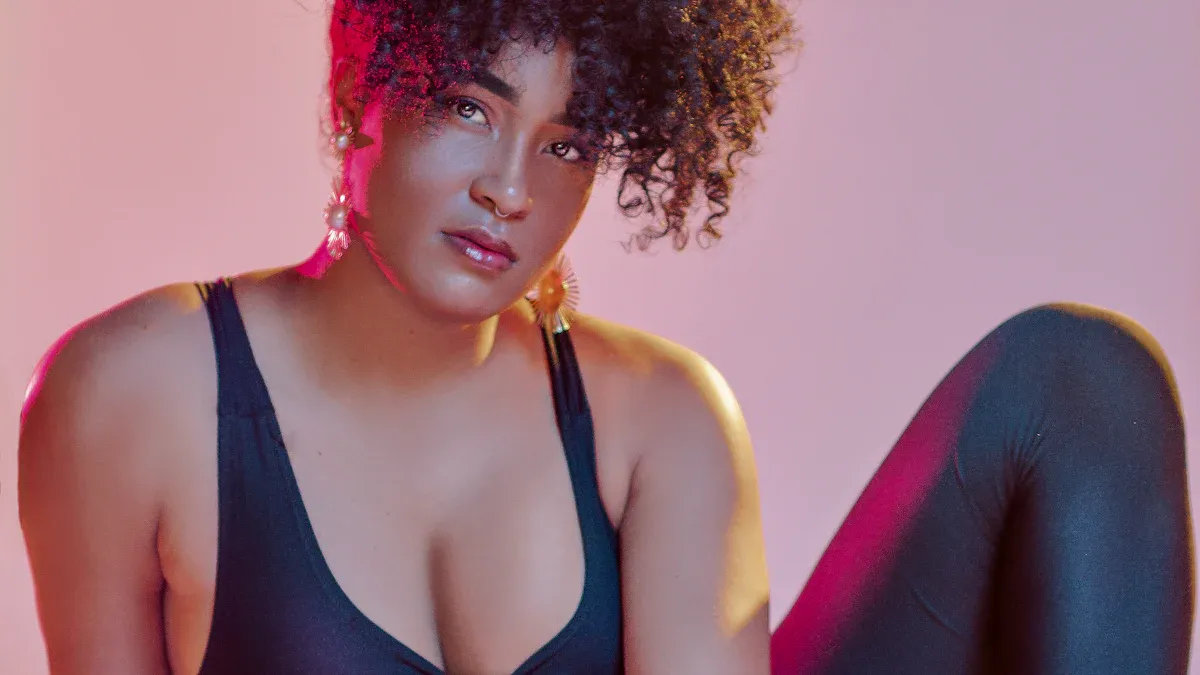
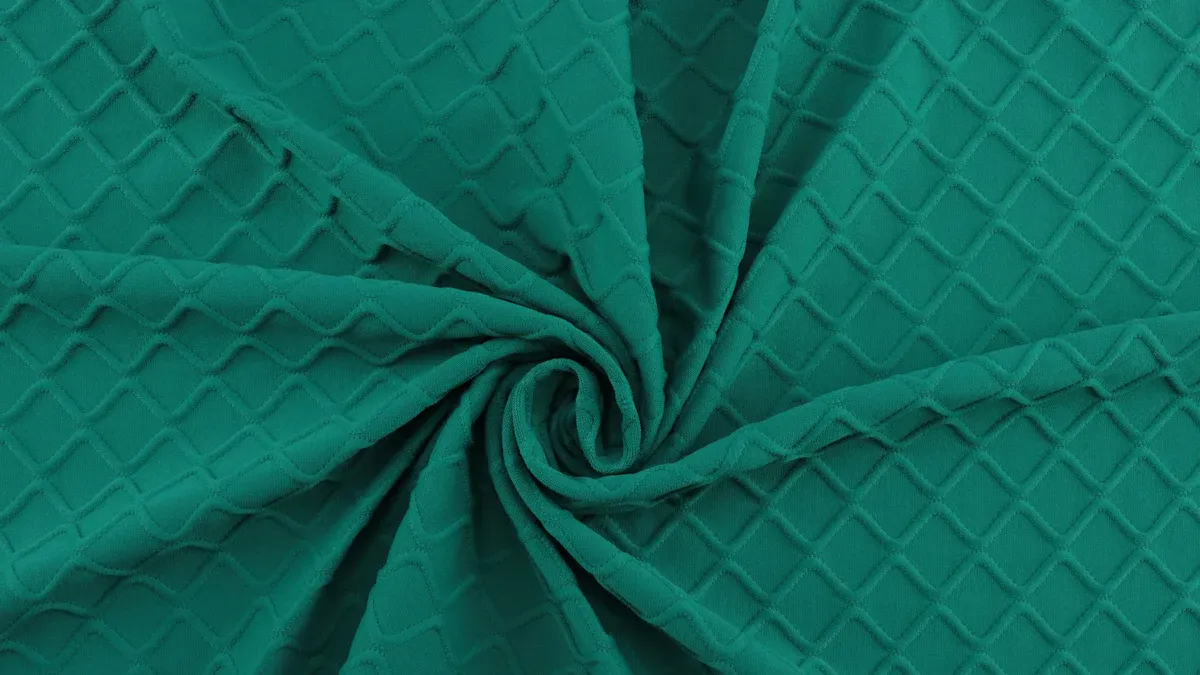
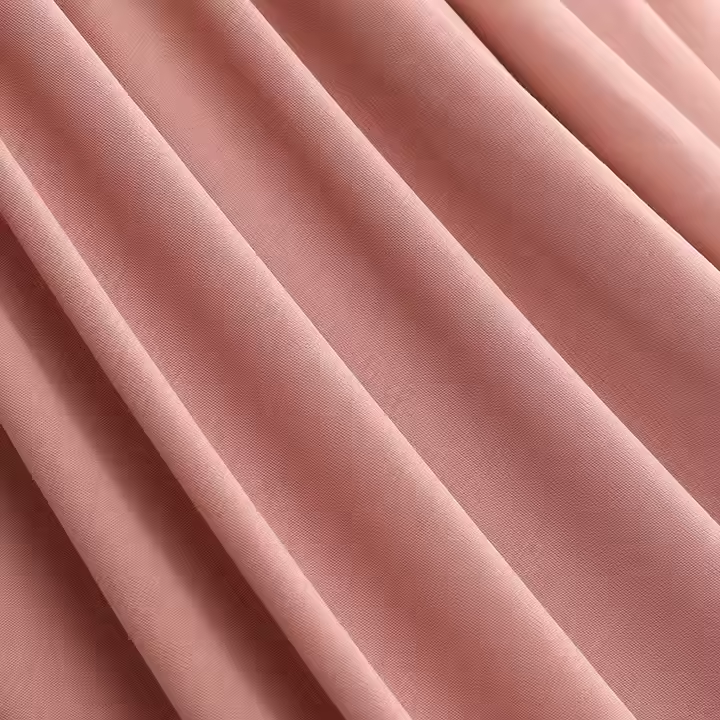
Knitted fabrics are primarily categorized into four types: Jersey, Rib, Interlock, and Purl. Each type possesses unique characteristics that make it suitable for crafting specific garments and textile products. Suerte offers designers and apparel brands a wealth of customization options, allowing clients to select from an extensive array of colors and patterns. Furthermore, Suerte accommodates small-batch orders.
Key Takeaways
- Jersey: This fabric features a soft handfeel and excellent elasticity. Highly breathable, it is ideally suited for manufacturing T-shirts and various types of comfortable casual wear.
- Rib: Characterized by a surface texture featuring raised vertical ridges, Rib fabric boasts exceptional elasticity and shape retention. It is frequently utilized in the production of form-fitting garments, as well as for finishing details such as cuffs and necklines.
- Interlock: This fabric possesses a substantial weight and features a smooth, flat surface on both its front and back sides. Highly durable, it is an excellent choice for creating sturdy, long-lasting apparel—such as Polo shirts and infant wear.
- Purl: Created using a combination of knit and purl stitches, this fabric results in a dense, thick textile that is fully reversible.
Types of Knit Fabric
Suerte is a trusted supplier of custom-made knitted fabrics. They support brands with small-batch orders and provide rapid sample delivery, making the fabric sampling and selection process simple and convenient.
Jersey Knit (Single Knit)

Jersey knit fabric is widely popular. Manufacturers can produce this lightweight fabric using just a single set of knitting needles. Its front surface feels smooth to the touch, while the back surface features a slightly textured, bumpy feel. Jersey knit possesses lateral stretch, making it ideal for everyday apparel that offers a comfortable and relaxed wearing experience. Many designers frequently select it for creating T-shirts, underwear, and various types of tops. The edges of this fabric tend to curl—a distinct characteristic that serves as a clear indicator of its single-knit structure. Jersey knit fabrics can be produced using a variety of raw materials, including cotton, wool, bamboo fiber, or hemp fiber.
- Smooth texture on the front surface
- Lightweight with excellent breathability
- Features lateral (width-wise) stretch
- Commonly used for T-shirts, dresses, and various tops
Rib Knit
Rib knit is another common type of knitted fabric. Its surface features vertically aligned raised ridges, creating a textured effect—both visually and tactilely—that appears and feels uneven. This fabric is produced using a technique that alternates between “knit stitches” and “purl stitches,” endowing it with exceptional elasticity and shape retention. Rib knit fabrics typically have a heavier weight than jersey knits and offer an excellent close-fitting drape. The most common variations include 1×1 rib and 2×2 rib; of the two, the 1×1 rib offers superior elasticity.
| Property | Description |
|---|---|
| Elasticity | Stretches and goes back to shape fast |
| Shape Retention | Keeps its shape after washing |
| Versatility | Used for daily clothes, sportswear, and baby clothes |
| Visual Appeal | Raised lines make the fabric look cool |
Interlock Knit
Interlock knit is a double-layer knitted fabric. Manufacturers weave both layers simultaneously, resulting in a fabric that is both substantial and durable. Both sides of interlock knit fabric feature a remarkably smooth texture, and its edges resist curling. This characteristic makes it easy to sew and helps finished garments achieve a beautiful drape. Interlock knit is ideally suited for creating apparel with a crisp, neat appearance.
- Identical texture on both sides
- Thicker and warmer than single-knit fabrics
- Resistant to deformation, while possessing inherent elasticity
- Commonly used for T-shirts, sportswear, and infant/toddler clothing
Purl Knit
Purl knit fabric boasts exceptional elasticity and recovery properties. Its unique knitting structure endows the fabric with a soft, comfortable texture. Designers frequently select purl knit for children’s and infant wear, as it perfectly accommodates the demands of children’s active lifestyles and growth. Featuring two-way stretch capabilities, this fabric is an ideal choice for creating comfortable, easy-to-wear garments.
Tip: The Suerte platform is dedicated to assisting designers in precisely selecting the right knitted fabrics to meet their specific needs—covering a wide range of types including single knit, interlock knit, and rib knit.
Characteristics and Applications of Jersey Knit Fabrics
Key Features of Plain Knit Fabrics
Plain knit fabrics are renowned for their exceptional softness and comfort. Their superb skin-friendly texture makes them a highly favored choice, frequently selected as the ideal material for everyday wear. Thanks to a structural composition in which fibers interlace to form loops, this fabric possesses outstanding elasticity; this stretchiness not only grants the wearer immense freedom of movement but also ensures an unrestrictive, relaxed wearing experience. Furthermore, plain knit fabrics offer excellent breathability, helping to keep the body cool and ensuring comfort even in warm environments. The fabric is highly wrinkle-resistant and features a natural, fluid drape; garments crafted from plain knit fabric present a neat, crisp appearance that exudes a stylish aesthetic.
Suerte’s custom fashion fabric collection offers a wide range of personalized customization options for plain knit fabrics. Designers can freely select their desired fiber blend ratios, print patterns, and finishing processes to meet their specific requirements. The table below outlines some of the key customization options available:
| Customization Option | Description |
|---|---|
| Blend Ratios | Different mixes of cotton, spandex, and other fibers for each need |
| Prints | Unique digital prints for one-of-a-kind designs |
| Finishing Processes | Special finishes to improve quality and performance |
Jersey knit fabric is characterized primarily by the following features: an exceptionally soft touch that ensures all-day comfort; excellent elasticity and stretchability, offering you complete freedom of movement; robust durability that withstands repeated washing; and superior breathability, helping you stay cool and dry. Furthermore, it is easy to care for, making it an ideal choice for busy modern lifestyles.
The unique knitted structure of Jersey fabric facilitates the rapid wicking of perspiration away from the body’s surface, ensuring you remain dry and comfortable during exercise or active pursuits. This fabric also possesses excellent drape, resulting in dresses and tops that look particularly flattering when worn.
Typical Applications
Jersey knit fabric is widely utilized in the production of a diverse range of apparel.
Common applications include:
- T-shirts and tank tops
- Casual dresses and skirts
- Activewear and yoga attire
- Sleepwear and loungewear
- Children’s clothing
Jersey knit fabric holds a prominent and significant position within the global textile market. It remains a beloved choice among consumers due to its unique combination of comfort, flexibility, and ease of care.
What is rib-knit fabric?
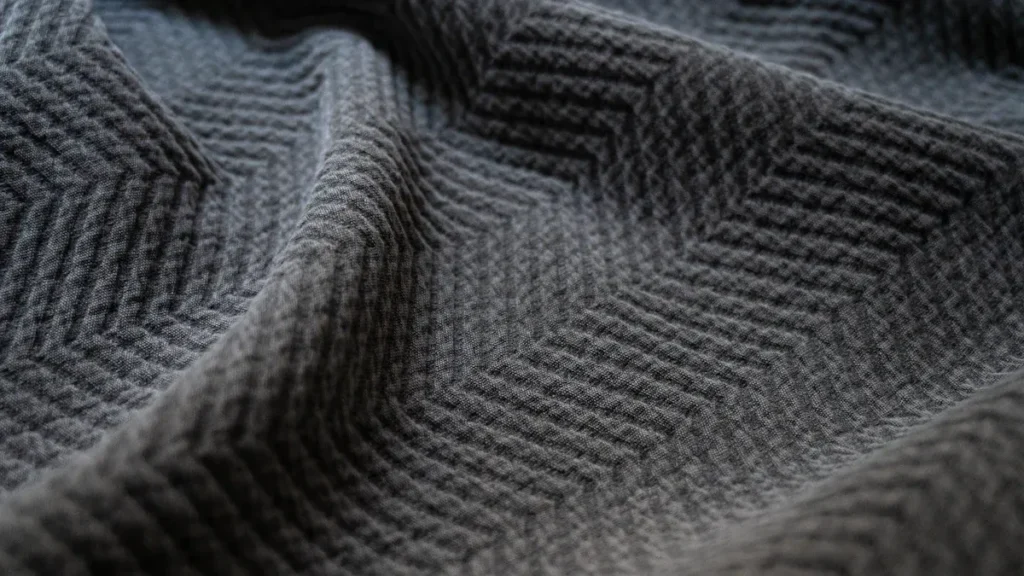
Characteristics of Rib-Knit Fabric
Rib-knit fabric owes its unique nature to a specialized knitting process. Manufacturers create this fabric by alternating between knit stitches (front) and purl stitches (back), thereby forming raised vertical ridges—known as “ribs”—on the fabric’s surface. These ribs not only lend the fabric a distinctive textured feel but also enable it to provide a snug, form-fitting drape. Rib-knit fabric possesses exceptional horizontal elasticity and excellent recovery properties, allowing it to quickly spring back to its original shape. This characteristic makes it ideally suited for crafting garments that require a close fit to the body while offering the flexibility to stretch freely in sync with body movements.
The following details the various reasons why rib-knit fabric enjoys such widespread popularity:
| Specification | Description |
|---|---|
| Gauge (Needle Count) | More needles make the fabric finer. Fewer needles make it thicker. |
| Rib Tightness | Loose ribs stretch more and let air through. Tight ribs are firm and do not stretch much. |
| Fabric Width | Most rib knit fabric is 58–60 inches wide. You can also get other sizes if you need them. |
Rib-knit fabric possesses exceptional elasticity. Garments made from this material offer a close yet comfortable fit; they resist deformation caused by stretching, and their edges are highly resistant to curling. This fabric features two-way stretch—specifically, it exhibits significant elasticity in the horizontal direction—enabling it to snap back quickly and recover its original shape after being stretched. Furthermore, the inherent textured structure of rib-knit fabric gives it a soft handfeel, resulting in an exceptionally comfortable wearing experience.
Typical Applications
Rib-knit fabric is highly versatile; designers frequently utilize it to create a wide variety of apparel and home goods. Thanks to its outstanding elasticity and comfort, it serves as an ideal choice for the following products:
- T-shirts, pullovers, and cardigans
- Fitted tops and dresses
- Ribbed cuffs, neckbands, and waistbands (hems) for jackets and sweatshirts
- Infant and toddler clothing, where high elasticity and recovery are paramount
- Blankets and pillowcases that are soft to the touch, warm, and comfortable
Many brands choose rib-knit fabric for their apparel and home goods precisely because they value its comprehensive advantages—a perfect blend of durability, comfort, and aesthetic appeal.
Characteristics and Applications of Interlock Knit
Features of Interlock Knit
The defining characteristic of interlock knit fabric lies in its unique “double-faced” structure. During the manufacturing process, a dual-needle knitting system is employed to produce a fabric with an identical texture on both the front and back sides. This fabric features a smooth surface, a substantial weight, and edges that are highly resistant to curling. This latter attribute significantly simplifies the sewing process for designers, ensuring that garment hems and seams remain flat and crisp. Furthermore, interlock knit fabric possesses two-way stretch and excellent recovery properties, allowing it to quickly return to its original shape after being stretched. This combination of features makes it an ideal choice—both comfortable and practical—for manufacturing a wide range of apparel.
The table below lists the main features of interlock knit fabric:
| Characteristic | Description |
|---|---|
| Smoothness | Feels soft and smooth on both sides |
| Stability | Edges stay flat, making sewing easier |
| Moderate Stretch | Stretches well and keeps its shape |
| Thickness | Thicker than single knits, offers good coverage |
| Softness | Feels gentle and comfortable against the skin |
| Durability | Lasts longer and resists wear |
| Versatility | Works for many types of clothing |
Interlock knit fabric is thicker and structurally more stable than single-face knit (Jersey). It offers superior opacity and possesses a firmer, crisper handfeel. Due to its soft texture and inherent elasticity, it is an ideal choice for manufacturing children’s clothing.
Typical Applications
Common uses for interlock knit fabric include:
- Sportswear and activewear
- T-shirts and casual tops
- Dresses and skirts
- Baby clothing and bodysuits
- Underwear and loungewear
- Children’s clothing
What does a Purl Knit look like?
Characteristics of Purl Knit
Purl knit fabric possesses a distinctive textural characteristic: its loops are arranged in a horizontal orientation, thereby forming a series of clearly visible transverse ridges on both the front and back surfaces of the fabric. Unlike stockinette stitch, the front and back sides of purl knit fabric appear similar, rendering it reversible. This structural composition gives purl knit a softer, thicker, and more resilient feel, exhibiting excellent stretchability in both the lengthwise and crosswise directions. Furthermore, its surface features a slightly undulating quality or subtle texture, which not only adds visual interest but also enhances overall wearing comfort.
Typical Applications
The purl stitch technique is frequently employed in the creation of garments that demand a high degree of softness and elasticity. Renowned for its excellent thermal insulation and soft, skin-friendly texture, this knitting method is widely utilized in sweaters, scarves, infant and children’s wear, as well as various winter accessories. Furthermore, thanks to the inherent stretch and durability of the resulting fabric, the purl stitch is also ideally suited for crafting the cuffs, necklines, and decorative trims of knitted garments. Moreover, this technique is commonly used to produce cozy home textiles—such as blankets—where comfort and flexibility are of paramount importance.
FAQ
What is the difference between knitted fabrics and woven fabrics?
Knitted fabrics are formed by interlocking loops of yarn, resulting in excellent elasticity and a soft feel. Woven fabrics, on the other hand, are created by interlacing warp and weft threads; they have a relatively crisp texture and offer less stretch. Knitted fabrics are ideal for making T-shirts, leggings, and sportswear.
Are knitted fabrics suitable for winter clothing?
Yes, knitted fabrics are highly effective at keeping the wearer warm in cold weather. These fabrics are capable of trapping heat and offer a soft, comfortable touch with an excellent feel against the skin. Many winter garments are crafted from these materials to ensure a balance of both comfort and warmth.
How should knitted fabrics be cared for?
Most knitted fabrics require gentle washing in cold water. When drying, garments should be laid flat to help maintain their original shape. Please avoid high-temperature drying, as excessive heat can cause the fabric to shrink or become damaged. For optimal care, always refer to the specific washing instructions provided on the garment’s care label.
Are knitted fabrics suitable for children’s clothing?
Knitted fabrics possess exceptional elasticity, allowing the wearer to move freely, making them an ideal choice for children’s clothing. Their soft, skin-friendly texture ensures an extremely comfortable wearing experience for children. Many clothing brands prioritize knitted fabrics when manufacturing baby rompers, pajamas, and everyday casual wear for children.
Can designers customize knit fabrics with Suerte?
Yes, through the Suerte platform, you can freely select the colors, patterns, and finishing processes for your knitted fabrics. We offer rapid sampling services and maintain low minimum order quantity requirements.