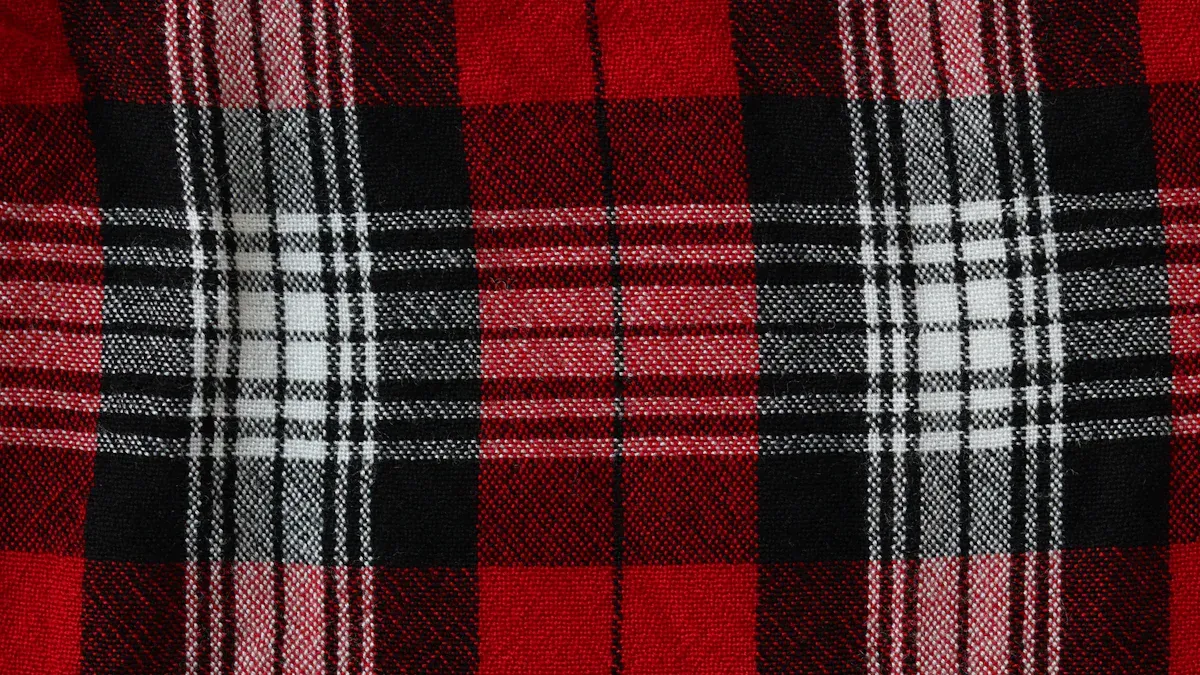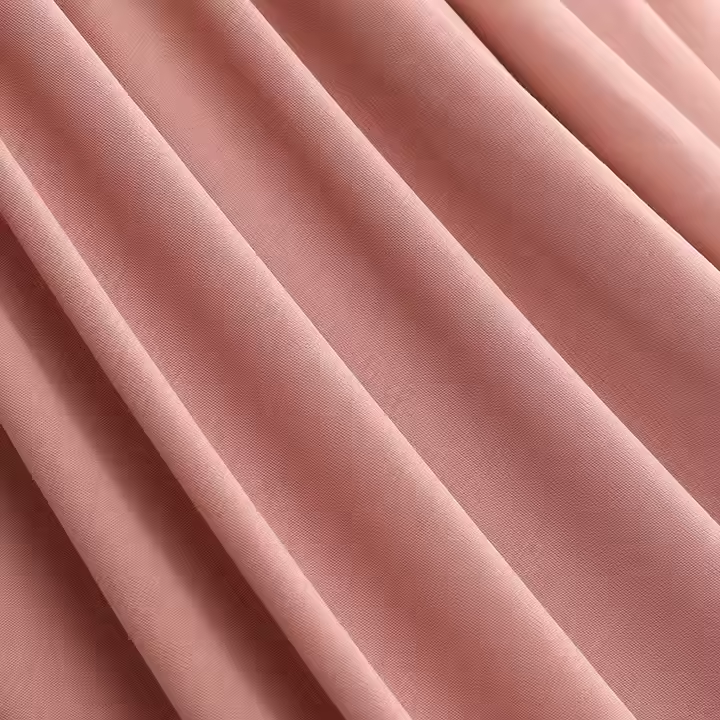
Rayon fabric has a soft, smooth feel and is comfortable against the skin. Many people love the drape and sheen of rayon. High-quality rayon can give garments a rich texture, but it requires careful handling. Suerte offers custom rayon fabrics. Those who prioritize both comfort and style often choose rayon. When selecting rayon fabric for clothing, quality is paramount.
Key Takeaways
- Rayon has a soft, breathable feel, just like silk. People love using it to make comfortable clothing.
- Rayon requires careful washing. Hand wash in cold water and air dry naturally. This will prevent shrinkage or damage.
- Suerte offers a variety of high-quality rayon garments in diverse styles, offering comfortable wear and environmental friendliness.
Rayon Quality Overview
The Unique Features of Rayon
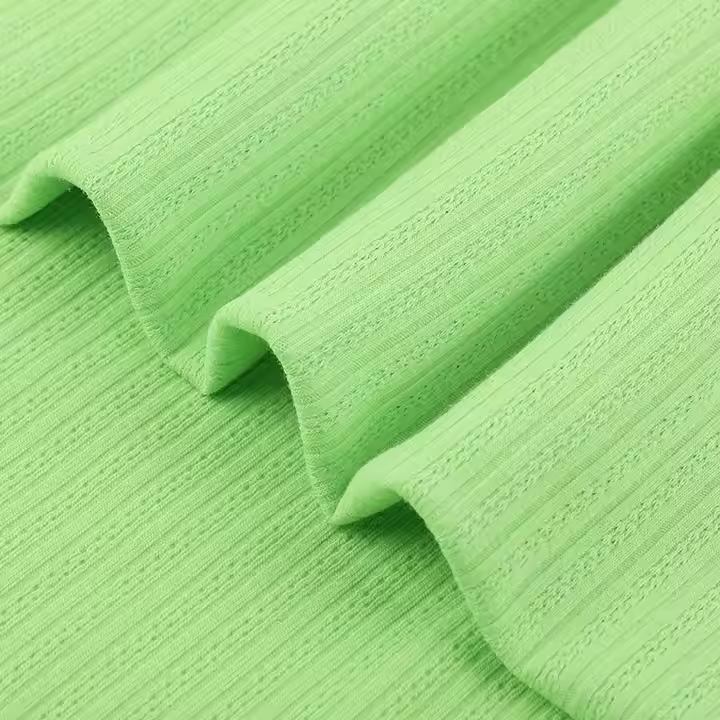
Rayon differs from other semi-synthetic fabrics. It is made from cellulose fibers in wood pulp. Chemicals are used in the production process to make rayon soft and breathable. Rayon has a silky smooth feel, making it a favorite among many fashion designers. Its unique chemical structure gives it excellent drape and a flattering fit. The soft touch comes from natural polymers in cellulose. Rayon is highly absorbent, keeping you cool even in hot weather. Rayon has a wide range of uses, suitable for everything from casual to formal wear. Because manufacturers can change the spinning process or add dyes, there are many types of rayon. These modifications can enhance the strength or elasticity of rayon to meet specific applications.
Advantages of Rayon Fabrics
Textile experts have discussed the advantages of rayon. The following table lists its main advantages:
| Strengths of Rayon |
|---|
| Softness |
| Breathability |
| Versatility |
| Ability to mimic natural fibers |
| Affordability |
Rayon is soft, skin-friendly, and breathable, making it comfortable and breathable to wear. It also wicks away sweat, making it especially suitable for humid environments. Rayon is easy to dye and retains vibrant colors, resulting in bright and beautiful garments. Rayon has a wide range of uses, including loungewear, sportswear, and fashion apparel. Designers love rayon because it resembles silk but is more affordable. Rayon is cheaper than many natural fibers. Suerte sells high-quality rayon that meets strict standards.
Disadvantages of Rayon
Rayon requires careful handling to maintain its beauty. It is not as strong as cotton or wool. High temperatures or water can cause rayon to shrink. When wet, rayon becomes brittle and easily tears. Rayon wrinkles easily and therefore requires frequent ironing. For this reason, rayon garments require gentle washing and low-temperature washing. Even with these issues, high-quality rayon can be durable with proper care. The manufacturing process of rayon affects its performance. The manufacturing process of viscose fiber affects the strength and absorbency of rayon.
Caring for Rayon
Washing and Drying Tips
Rayet requires gentle care to remain soft and comfortable. Many people choose to hand wash rayon with mild soap in cold water. This helps protect the fibers and makes the fabric look brand new. After washing, rinse the rayon thoroughly and then hang it to dry. You can use a clothes hanger or place it above the bathtub. Do not use clips, as they will stretch the fabric. Never put rayon in a dryer. If you must tumble dry, use a tumble dryer without heat, but air drying is better. These steps help keep ordinary rayon and viscose rayon soft and comfortable.
Preventing Shrinkage and Damage
Rayet can shrink if not handled properly. To prevent shrinkage, soak the rayon in warm water before use. Use mild soap and warm water, and wash the rayon on a gentle cycle. Lay the fabric flat to dry to prevent shrinkage. When ironing rayon, use the lowest temperature and place an ironing cloth underneath. Be sure to check the special instructions on the care label. If not handled properly, rayon may shrink, fade, deform, or develop stubborn wrinkles. Gentle washing helps maintain the strength of rayon and keeps it soft and comfortable.
Proper Storage of Rayon
Proper storage of rayon helps maintain its good condition. Fold rayon garments instead of hanging them to avoid stretching and deformation. Store rayon in a cool, dry, and well-ventilated place. If the environment is too humid, rayon will feel heavy and is prone to mildew. Excessive heat can make rayon brittle and cause fading. Using breathable storage methods will protect ordinary rayon and viscose rayon.
Comparison of Rayon with Other Fabrics

The Difference Between Cotton and Rayon
Cotton and rayon are not the same. Cotton fabric is soft and comfortable. Rayon mimics the softness of natural fibers, with a smooth and delicate feel. Cotton fabric is strong and durable when dry, suitable for everyday wear. Rayon softens easily when wet and has a shorter lifespan in humid environments. Cotton fabric can be machine washed, while rayon requires special care. Hand washing in cold water or dry cleaning is recommended. The table below lists the differences between cotton and rayon in terms of feel, strength, and care.
| Feature | Cotton | Rayon |
|---|---|---|
| Feel | Soft and comfortable against the skin; breathable. | Mimics the softness of natural fibers; luxurious texture. |
| Durability | Durable, especially when dry; withstands regular wear and tear. | Weaker when wet; less durable in humid conditions. |
| Care | Easy to care for; machine-washable with specific care instructions. | Requires special care; often needs dry cleaning or cold hand washing. |
Cotton and rayon have different environmental impacts. Rayon production is more water-efficient, while cotton cultivation requires a large amount of water. Rayon is also more prone to decay than cotton.
Rayon vs. Polyester
Rayon and polyester have different feel and require different care. Rayon is silky soft to the touch, drapes well, and fits well when worn. Polyester is strong and durable, but its texture may be slightly stiff. Rayon requires frequent hand washing and ironing, while polyester is easy to wash and wrinkle-resistant. Rayon has a shorter lifespan and is easily torn, while polyester is less prone to tearing. The table below compares rayon and polyester.
| Aspect | Rayon | Polyester |
|---|---|---|
| Texture | Silky, soft, and smooth; drapes beautifully | Strong and durable; can feel stiff |
| Care Requirements | Requires hand washing and frequent ironing; prone to shrinking | Easy to care for; machine washable and rarely wrinkles |
| Durability | Limited lifespan; prone to tearing | Highly durable; resists pulls and scrapes |
Rayon and polyester also affect nature in different ways. Polyester makes microplastic pollution and does not break down. Rayon making can cause forest loss and harm nature.
| Fabric Type | Carbon Emissions (CO2e) | Environmental Concerns |
|---|---|---|
| Polyester | 14.2 kg per kg | Microplastic pollution, non-biodegradable |
| Rayon | Linked to deforestation | Forest loss, ecosystem risks |
Rayon vs. Linen
Rayon and linen are good for hot weather. Rayon feels soft and lets air in. Linen feels comfy but can be rough. Rayon soaks up more moisture than cotton. Linen pulls moisture but not as much as rayon. Rayon lets air in and soaks up sweat well. It hangs nicely and looks good. Linen stays strong but rayon gets weak when wet.
| Property | Rayon | Linen |
|---|---|---|
| Comfort | Soft and breathable, ideal for warm weather | Generally comfortable but can be coarse |
| Moisture-wicking | Absorbs moisture up to 50% more than cotton | Good moisture-wicking but less than rayon |
When to Choose Rayon
Best Uses of Rayon
Rayon is ideal for those seeking comfortable clothing. It is soft and drapes beautifully. Designers love rayon for its smooth feel. Rayon performs exceptionally well in hot and humid environments, being highly breathable and helping sweat evaporate quickly. It is also frequently chosen for creating brightly colored and stylish garments.
Some of the main uses of rayon include:
- Summer dresses that are light and cool
- Blouses and shirts with a soft, smooth feel
- Skirts that move easily and look nice
- Scarves and kurtis with bright colors and a gentle touch
Rayon closely resembles silk in appearance and can be adapted to various styles. It can be used for both casual and formal wear. Suerte produces high-quality rayon to meet your diverse needs. You can choose rayon for loungewear, sportswear, or special occasion garments. Suerte also helps brands and designers create unique looks using custom fabrics.
When to Consider Other Fabrics
Sometimes, people need fabrics that are more durable or easier to care for. The table below lists the differences between rayon and polyester:
| Aspect | Rayon | Polyester |
|---|---|---|
| Durability | Does not last long; can tear or pill | Very strong; resists damage |
| Care Requirements | Needs hand washing and ironing | Easy care; machine washable |
| Wrinkling | Wrinkles fast | Rarely wrinkles |
People who want durable or easy-to-wash clothes might choose polyester. But those who want soft, stylish, and comfortable clothes will usually choose rayon.
Rayon has a smooth and delicate feel, but it requires extra care when used. Handling rayon gently will preserve its excellent quality. People should choose high-quality rayon to make clothing that is both beautiful and comfortable. Suerte produces rayon with a wide range of applications.
FAQ
Is 100% rayon suitable for sensitive skin?
Rayon has a soft, smooth feel. Many people with sensitive skin find rayon comfortable to wear. Always test for allergies before wearing any new fabric.
Can rayon fabric be ironed?
Yes, rayon can be ironed. Use the lowest temperature setting. Place a cloth between the iron and the fabric to prevent damage.
Will rayon shrink after washing?
Rayon may shrink if washed in hot water or tumble dried at high temperatures. Hand washing in cold water and air drying helps maintain the size of the rayon.