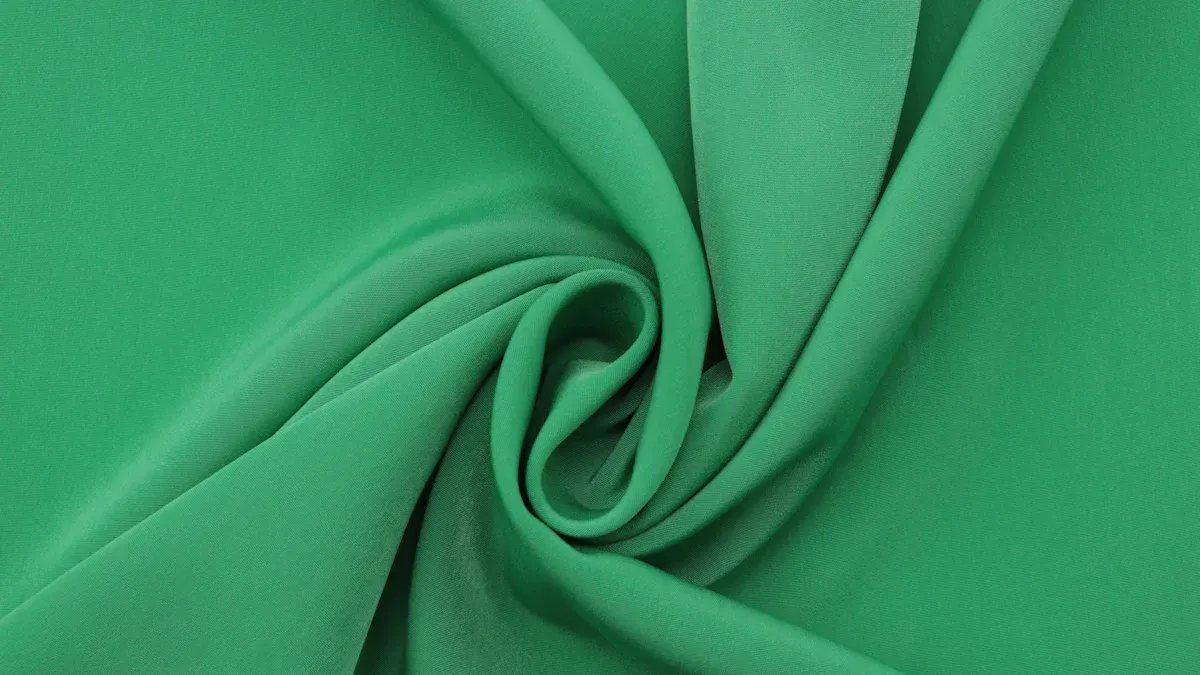
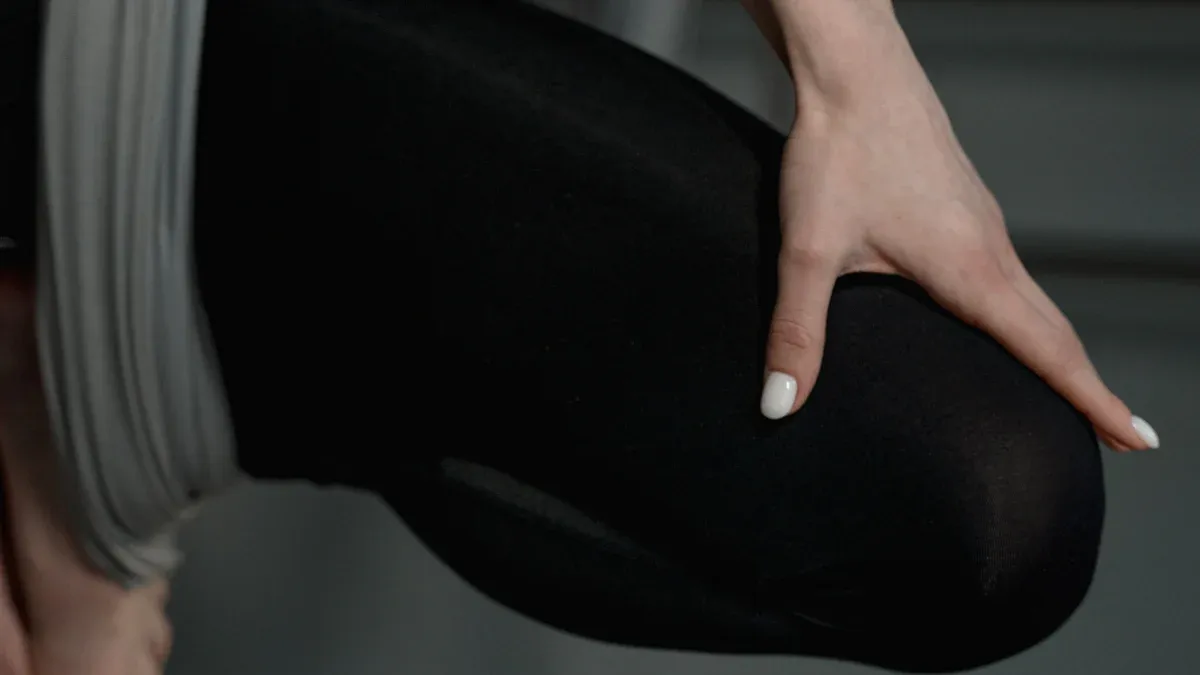
Polyester jersey fabric masterfully blends high-performance athletic features with the soft style essential for modern life. This versatile jersey fabric delivers unparalleled comfort. It brings moisture-wicking, stretch, and durability from the sportswear world. The polyester jersey also provides the soft drape demanded by contemporary fashion. The success of this jersey fabric polyester is clear in the growing athleisure market.
Key Takeaways
- Polyester jersey fabric is very comfortable. It moves sweat away from your skin. This keeps you dry and cool.
- This fabric stretches well. It also keeps its shape. This makes it good for sports and daily wear.
- Polyester jersey is light and lets air through. It does not wrinkle easily. It is also simple to care for.
- This fabric holds bright colors and prints well. It also drapes nicely on all body types. This makes it good for fashion.
- You can wear polyester jersey for many things. It works for sports, casual wear, and even office clothes.
Why Jersey Fabric is a Sportswear Powerhouse
The rise of polyester jersey fabric in high-performance sportswear is no accident. This material’s unique properties make it an ideal choice for athletes who demand comfort, flexibility, and durability from their gear. Its technical advantages directly translate to improved performance, helping athletes stay focused, move freely, and maintain optimal body temperature during intense physical activity. The fabric is engineered to meet the rigorous demands of modern sportswear.
Ultimate Moisture-Wicking for Peak Performance
An athlete’s ability to stay dry is crucial for maintaining focus and comfort. Polyester jersey excels in moisture management. The synthetic fibers in this jersey fabric efficiently pull sweat away from the skin, moving it to the fabric’s surface where it can evaporate quickly. This process, known as wicking, is fundamental to high-performance activewear.
Studies show that polyester t-shirts help skin temperature return to pre-exercise levels faster than cotton alternatives after a workout. While cotton absorbs moisture well, it also retains it, leading to a heavy, damp fabric that clings to the skin.
In contrast, polyester jersey is designed to manage sweat without becoming saturated. A comparative analysis highlights this key difference:
| Fabric Type | Sweat Retention |
|---|---|
| Cotton Single Jersey | Highest |
| Polyester-Cotton Blend | Second Highest |
| Polyester | Lowest |
This superior moisture-wicking capability keeps athletes drier and more comfortable. Research confirms that fabric parameters like airflow and moisture management significantly impact drying performance. A well-engineered jersey fabric can enhance comfort and help stabilize an athlete’s body temperature, allowing them to perform at their peak for longer.
Built for Movement: Superior Stretch and Recovery
Athletic movements are dynamic and demand a fabric that can move with the body without restriction. Polyester jersey delivers exceptional flexibility, thanks to its inherent elasticity and knit construction. The core of athletic fabric performance lies in its stretch and recovery, which allows uniforms to support a full range of motion.
When blended with elastane (spandex), the material’s capabilities are amplified. This stretch jersey combination offers remarkable four-way stretch, accommodating complex, multi-directional movements seen in sports like gymnastics and yoga. The fabric doesn’t just stretch; it also snaps back. Polyester boasts an impressive elastic recovery rate of 90-95%, ensuring garments retain their shape and fit even after repeated, intense use. This shape retention is vital for activewear like leggings and compression tops that must fit snugly to provide support.
For instance, a blend with 15% elastane can achieve 120-150% stretch with a 95-98% recovery rate, making it perfect for high-flexibility garments. This ensures the fabric provides consistent performance without sagging or losing its supportive qualities.
The Advantage of Lightweight Breathability
Comfort in sportswear is also a function of weight and breathability. A heavy, stuffy fabric can hinder performance and cause overheating. Polyester jersey is celebrated for its lightweight feel and excellent airflow. The knit structure of jersey fabric, created by interlocking loops of yarn, naturally forms tiny gaps that allow air to circulate freely. This design prevents heat and sweat from becoming trapped against the skin.
This open construction gives jersey a distinct advantage over many woven fabrics, which typically have a tighter structure that restricts airflow. The enhanced breathability of jersey helps athletes stay cooler and drier.
Did You Know? 💡
The weight of a fabric, measured in grams per square meter (GSM), is a key indicator of its intended use. For lightweight performance wear like running shirts, polyester jersey fabrics often fall within the 100–150 GSM range. This ensures the garment feels almost weightless, promoting maximum comfort and minimal distraction during exercise.
The combination of a lightweight feel and superior breathability makes this fabric an unbeatable choice for athletes pushing their limits.
Unmatched Durability for Intense Use
Athletes require gear that withstands the rigors of training and competition. Polyester jersey fabric offers exceptional durability, making it a cornerstone of modern sportswear. The strength of this fabric comes from the synthetic polyester fibers themselves. These fibers resist abrasion, tearing, and pilling far better than many natural fibers. This inherent toughness ensures that garments maintain their structural integrity even after intense, repetitive use. The jersey fabric is built to last.
The resilience of this jersey extends beyond physical wear and tear. It performs exceptionally well against environmental and maintenance-related stress. The fabric shows remarkable resistance to common issues that degrade athletic apparel over time. This long-lasting quality makes the jersey a reliable investment.
- Color and Print Longevity: Designs applied through sublimation become part of the polyester fabric itself. This process prevents graphics from fading, peeling, or cracking for years, keeping the jersey looking vibrant.
- Wash-Cycle Endurance: High-quality polyester jersey resists shrinking and retains its shape through countless wash cycles. The fabric also maintains its color and fade resistance, ensuring a consistent appearance.
- UV Protection: Many performance jersey fabrics include UV inhibitors. A premium jersey with a UPF 50+ rating can maintain its protective qualities even after 40 or more washes when cared for properly.
- Shape Retention: The fabric’s excellent elastic recovery means it holds its shape under demanding conditions. This durability is crucial for sportswear that needs to provide consistent support.
Pro Tip: To maximize the lifespan of your polyester jersey, wash it in cold water with a gentle detergent and let it air dry. This simple care routine helps preserve the fabric’s technical features and vibrant colors.
The combination of strong fibers and a stable knit structure gives this jersey its impressive durability. This robust nature ensures that the fabric can handle the demands of any athletic activity. The sportswear remains functional and visually appealing, workout after workout. This makes the jersey fabric a superior choice for performance apparel.
The Technical Edge of Jersey Fabric Polyester
The performance of jersey fabric polyester is rooted in material science and smart construction. The fabric’s core components and knit structure work together. They create a material that excels in both athletic and everyday settings. Understanding these technical details reveals why this fabric is so versatile.
The Science of Polyester Fibers
Polyester fibers are synthetic wonders. They consist of long-chain polymers formed from acids and alcohols. These tightly connected chains give the material its impressive strength and durability. A key feature of polyester is its hydrophobic nature. This means the fabric naturally repels liquids instead of absorbing them. This property helps the fabric resist stains and manage moisture effectively. This science is fundamental to the performance of any polyester jersey.
Knitting for Comfort: The Jersey Stitch
The unique feel of jersey fabric comes from its specific knit structure. The single jersey stitch creates a fabric with two distinct sides. This is one of the core characteristics of jersey fabric. The construction gives the jersey its signature softness and stretch.
The technical face, or front, of the jersey fabric shows columns of vertical loops. The technical back displays rows of horizontal crowns. This structure gives the fabric its unique texture and feel.
This knitting method results in a fabric with a smooth side and a more textured side.
- The front of the jersey fabric has flat vertical lines.
- The back of the fabric shows dominant horizontal ribs.
This design creates a lightweight fabric with natural breathability and comfort.
Blending for Perfection: Adding Elastane and Other Fibers
While polyester jersey is great on its own, blending it with other fibers unlocks new levels of performance. Adding elastane (also known as spandex) is a common practice. This blend dramatically improves the fabric’s stretch and recovery. It allows the jersey to move with the body and snap back into shape. Different types of jersey fabric exist for various needs. For example, blending with cotton can enhance softness, while rayon adds a silky drape. These blends create different types of jersey fabric, each optimized for specific uses, from high-intensity sports to casual wear.
Advanced Finishing: Printing and Dyeing
The final appearance of a jersey fabric depends heavily on advanced finishing processes. Dyeing and printing transform the raw fabric into a vibrant, expressive material. These techniques give the jersey its unique colors and patterns, making it a perfect canvas for both athletic and fashion-forward designs. The choice of finishing method directly impacts the fabric’s look, feel, and long-term durability.
Dyeing provides the base color for the jersey fabric. However, printing adds the dynamic graphics and intricate patterns that define modern apparel. Two primary methods dominate the industry for polyester: sublimation and screen printing.
Sublimation Printing: This high-tech process uses heat to turn solid ink into a gas. The gas then bonds with the polyester fibers at a molecular level. The design becomes a permanent part of the fabric itself. This technique is ideal for the smooth surface of a jersey, ensuring the final product remains lightweight and breathable.
Screen Printing: This traditional method applies thick layers of ink onto the fabric’s surface through a mesh screen. It works well for bold, simple graphics like team logos. The ink sits on top of the jersey, creating a textured feel that can sometimes affect the fabric’s natural stretch and breathability.
The best printing choice depends on the design’s complexity and the desired outcome for the jersey fabric.
| Feature | Sublimation Printing | Screen Printing |
|---|---|---|
| Feel | No added texture; preserves fabric breathability | Ink sits on the surface; can feel thicker |
| Detail Level | Excellent for photo-realistic images and gradients | Best for solid colors and bold shapes |
| Durability | Ink is permanent; resists cracking and fading | Ink may crack or peel over time with wear |
| Base Color | Works best on white or light-colored jersey | Can be used on fabric of any color |
Ultimately, these finishing options give designers incredible freedom. They can create everything from simple, single-color tops to complex, all-over prints on a single jersey fabric polyester base, ensuring the final garment is both high-performing and visually stunning.
Building a Versatile Wardrobe with Quality Jersey
An excellent wardrobe starts with versatile, high-quality pieces. Building a collection around quality jersey fabric ensures comfort, style, and longevity. This adaptable material forms the foundation for essential garments that transition effortlessly from relaxed loungewear to polished daily wear. The key is to select core items like t-shirts, joggers, and dresses made from a high-quality jersey fabric that offers both a soft feel and durable performance. These staples provide a reliable base for countless outfits.
The Essential T-Shirt and Tank Top
Every functional wardrobe needs classic tank tops and t-shirts. A soft jersey fabric makes these basics exceptionally comfortable for everyday wear. The smooth texture and breathability of the jersey make it an ideal choice for layering or wearing on its own. These garments are the workhorses of a closet. They pair easily with jeans, skirts, or shorts. Different types of jersey fabric offer various weights and drapes, allowing for a range of styles from fitted to relaxed. Investing in well-made jersey sweatshirts and sweatpants also expands a comfortable and stylish loungewear collection. The right jersey ensures these simple pieces look and feel great.
Go-To Leggings and Joggers
Leggings and joggers have become essential staples for both fitness and casual style. The best options are crafted from advanced jersey fabric blends that provide stretch, support, and comfort. When choosing the perfect pair, consumers should look for specific features that enhance performance and wearability. A quality jersey ensures the fabric holds its shape and manages moisture effectively.
- Fabric Composition: Look for recycled performance jersey blends with spandex for four-way stretch and shape retention.
- Design Details: A rib-knit waistband offers a secure, hugged fit, while a concealed pocket adds functionality.
- Fit and Comfort: A fitted style is ideal for performance, providing support without restriction. The fabric should feel soft against the skin.
- Durability: The jersey must withstand frequent wear and washing while maintaining its look and feel.
Customer feedback often highlights the importance of a waist that “stays in place” and a soft feel suitable for both “morning walks” and “relaxing around the house.” Durability is also key, with the best leggings “wearing very good” and looking great “after lots of wear and washings.”
These features make jersey leggings and joggers perfect for an active lifestyle. They also serve as foundational pieces for stylish loungewear. The right pair of sweatpants and sweatshirts made from a premium jersey can elevate a casual look.
The Effortless Everyday Dress
A jersey dress is a cornerstone of effortless style. The fabric’s natural drape flatters various body types, creating a graceful silhouette without clinging. This makes the jersey dress a go-to option for almost any occasion. Its inherent comfort and wrinkle resistance make it perfect for travel or long days that blend work and social events. The versatility of this single garment is unmatched. It can be dressed up with heels and jewelry or dressed down with sneakers and a denim jacket. The soft jersey provides all-day comfort, while the simple design acts as a blank canvas for personal style. Different types of jersey fabric allow for various dress styles, from flowy A-line cuts to more structured fits, making it a true wardrobe essential. This piece proves that style and comfort can coexist perfectly.
Spotlight on Quality: Suerte Textile Products
Finding a reliable source for high-quality jersey fabric is essential for creating durable and stylish apparel. Suerte Textile stands out as a premier manufacturer in the industry. The company utilizes a comprehensive production infrastructure with advanced machinery. This setup allows Suerte Textile to produce large volumes of fabric while maintaining exceptional quality control. Their expertise covers a wide range of materials, including polyester knit, scuba knit fabric, and various rayon blends.
Suerte Textile offers a complete one-stop service for fabric customization. This service supports clients from the initial design concept to the final production. The company provides several key advantages:
- Design Support: They solve complex issues like pattern matching and color consistency.
- Cost Control: They offer low-cost solutions for processing fabric without sacrificing visual appeal.
- Quick Sampling: They provide physical samples in just 3-5 days, helping clients make fast decisions.
This commitment to service ensures a smooth process for creating the perfect jersey. The company’s proficiency in advanced techniques like digital printing and dyeing transforms a simple jersey fabric into a vibrant, finished product.
Suerte Textile’s efficient processes and material expertise also align with the growing movement toward sustainability. By creating durable, high-quality custom jersey fabric, the company supports the principles of sustainable fashion.
Their ability to produce a superior jersey makes them a key partner for brands. These brands want to deliver comfortable, long-lasting garments. Suerte Textile provides the foundation for excellent apparel, from performance wear to everyday fashion. Their focus on quality helps drive the future of sustainable fashion.
FAQ
What makes polyester jersey different from cotton jersey?
Polyester jersey excels at moisture management. It pulls sweat away from the skin to keep you dry. Cotton jersey absorbs moisture, which makes it feel heavy. Polyester also offers better wrinkle resistance and shape retention, making it a more durable choice for activewear and daily use.
Is polyester jersey fabric good for hot weather?
Yes, this fabric is an excellent choice for warm conditions. Its lightweight knit structure allows air to circulate freely, providing great breathability. The material’s moisture-wicking ability also helps cool the body by moving sweat to the surface where it can evaporate quickly.
How should I care for my jersey garments?
Proper care extends the life of your jersey clothing. You should wash garments in cold water with a standard detergent. It is best to air dry them or use a low-heat setting in the dryer. This simple routine helps maintain the fabric’s shape, color, and performance features.
Why is elastane often blended with polyester jersey?
Designers add elastane, or spandex, to enhance the fabric’s performance. This blend creates a material with superior four-way stretch and recovery. The garment moves with the body without restriction and reliably snaps back into shape, providing a comfortable and supportive fit during any activity.