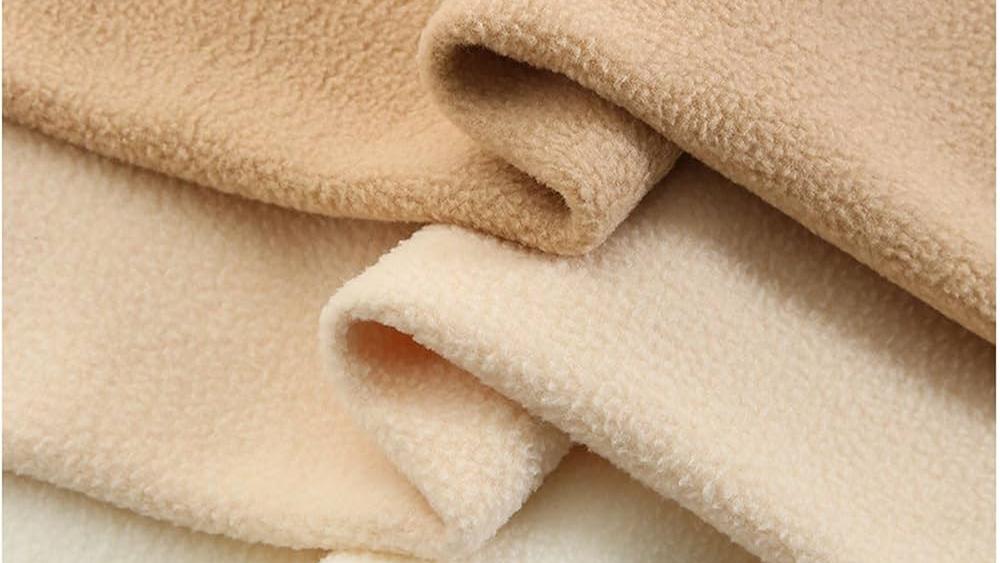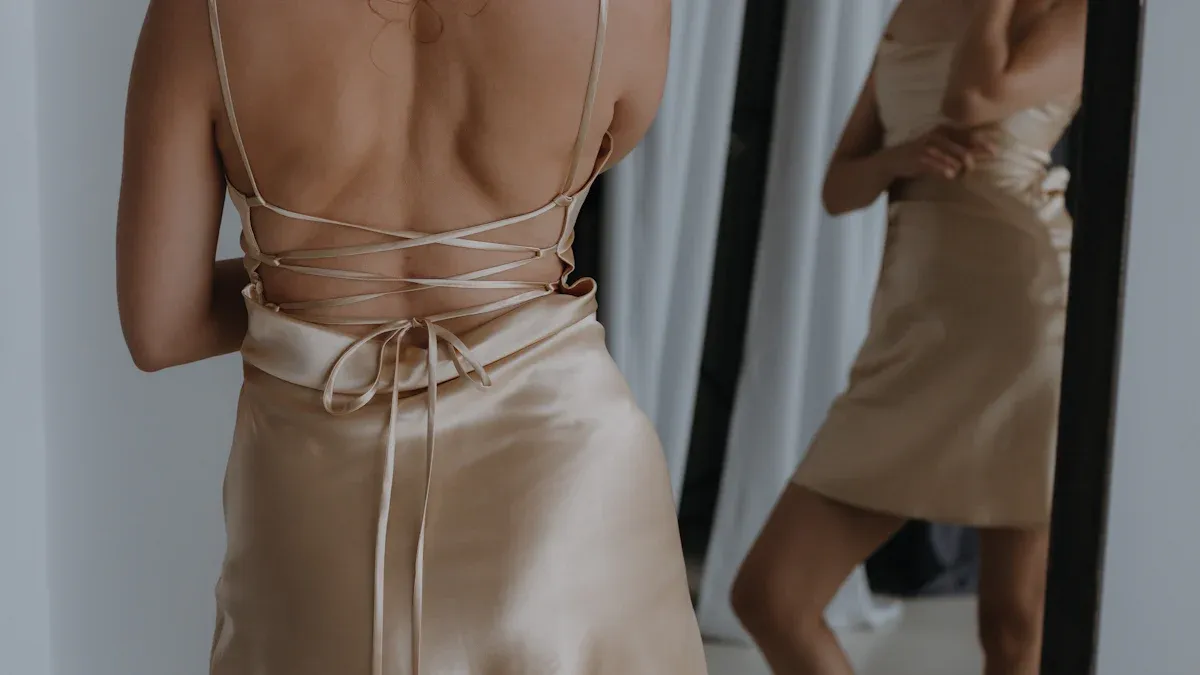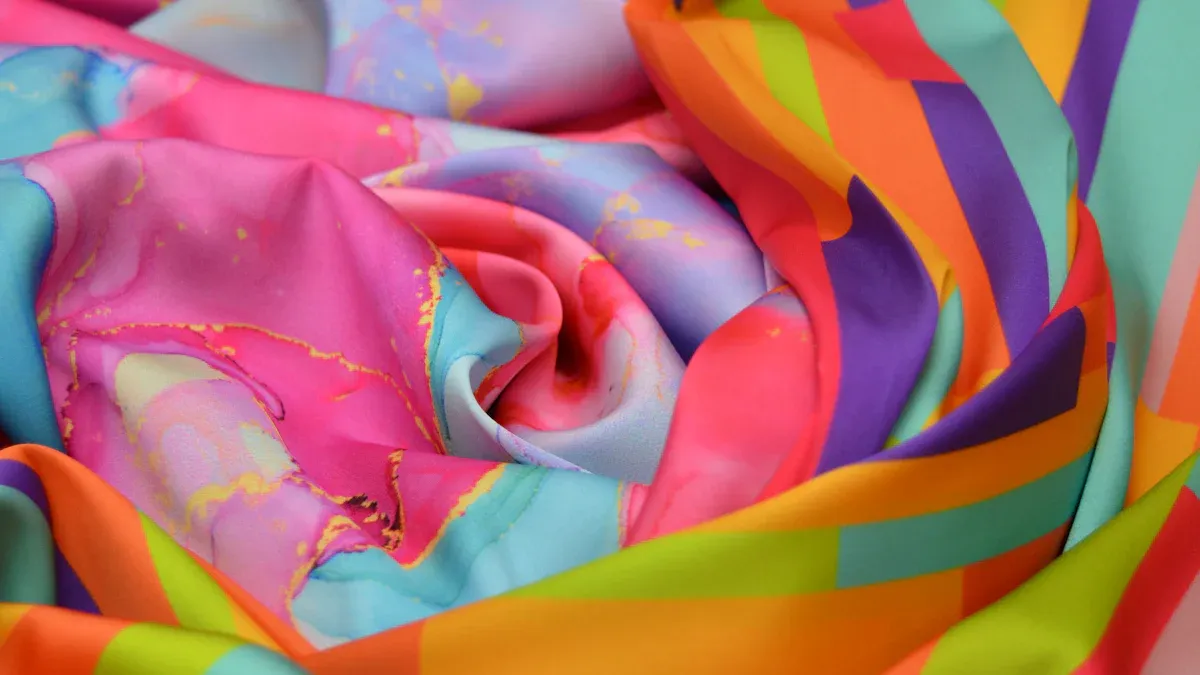
You can learn why printed knit fabric is a top choice for sewing. This soft knit fabric is comfortable, stylish, and versatile, making it a favorite. Its excellent texture makes it ideal for many sewing projects. Soft knit fabric is a superb choice. This knit fabric has an excellent knitting effect. Knit fabric is a great fabric. This knit fabric is simply perfect. You will definitely love this knit fabric. Knit fabric is a great fabric choice. This knit fabric is perfect for your next knitting project. Knit fabric is a great choice. Knit fabric is a great fabric. This knit fabric is a great choice.
Key Takeaways
- Always wash jersey knitted fabric beforehand. This prevents shrinkage in the finished product.
- Use special sewing needles, such as round-tipped needles or elastic needles. They prevent holes and skipped stitches in knit fabric.
- Select a zigzag or elastic stitch on your sewing machine. This allows the thread to stretch with the fabric.
- Use a roller cutter and pressure paper to cut knit fabric. This keeps the fabric flat and prevents stretching and deformation.
- Knit garments should be stored folded. Hanging them can easily cause deformation.
Understanding Printed Jersey Knit Fabric
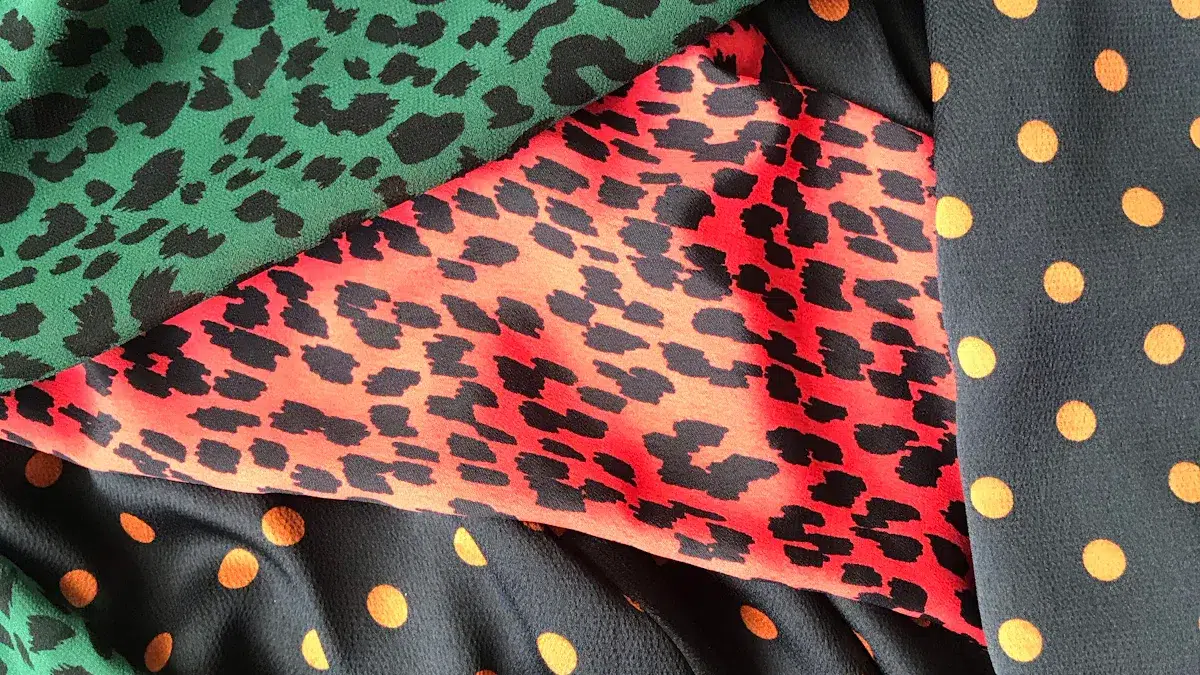
Before you begin sewing, you should understand the fabric you’re using. Printed knit fabrics have unique characteristics. Understanding these details will help you choose the perfect knit fabric for your project. Let’s explore the characteristics and benefits of this versatile fabric together.
What Defines Jersey Fabric Construction?
Knit fabric is a type of knitted material. It is made using a single-loop knitting method. This knitting method creates fine vertical ribs on the front and horizontal loops on the back. This single-loop structure is one of the main characteristics of knit fabrics. It also causes the edges of the fabric to curl inwards. You will notice this when cutting knit fabric.
There are many types of knit fabrics. Their characteristics depend on several key factors:
- Fiber Content: You will often find 100% cotton jersey, which is soft and breathable. Blends with polyester or spandex add durability and stretch.
- Weight: Fabric weight is measured in grams per square meter (gsm). A lightweight jersey is great for summer clothes. A heavyweight jersey works well for winter items.
- Finishes: Some types of jersey fabric have special finishes. A brushed finish makes the jersey feel softer. A combed finish on cotton jersey creates a smoother surface.
Digital vs. Screen Printing Effects
The beautiful designs on a printed jersey knit fabric come from different printing methods. Digital printing works like a computer printer. It applies dye directly onto the jersey. This method is perfect for detailed patterns with many colors. The print feels very soft because the ink becomes part of the fabric.
Screen printing is another common method. It uses a stencil to apply ink one color at a time. This technique is great for bold, simple graphics. Sometimes, you can feel a slight texture from the ink on the surface of the jersey fabric. Both methods create beautiful results on jersey knit fabric.
How to Choose the Right Weight and Stretch
Choosing the right jersey involves checking its weight and stretch. These two factors will greatly affect your final garment.
Tip: Always check the pattern’s recommendation for fabric weight and stretch percentage. This ensures your finished project fits and drapes as intended.
You can find different types of knitted fabrics based on weight. The table below lists general guidelines for cotton knitted fabrics.
| Fabric Weight | GSM Range |
|---|---|
| Lightweight | 100–150 GSM |
| Medium-weight | 150–200 GSM |
| Heavyweight | 200+ GSM |
Stretch is also very important. Some patterns need 2-way stretch, while others require 4-way stretch. You can measure this yourself.
- First, take a 10 cm (or 4 inch) length of knitted fabric.
- Place one end of the fabric on the zero mark of a ruler.
- Stretch the fabric comfortably along the grain.
- Record the length after stretching; this gives you the fabric’s stretch rate.
- For four-way stretch fabrics, repeat the above steps along the grain.
Essential Tools and Notions for Sewing Jersey Knits
Sew with printed knitted fabrics, but you’ll need the right tools to achieve professional results. Using the correct tools can prevent common problems such as skipped stitches, wavy seams, and inaccurate cuts. Equipping your sewing space with some key tools will make sewing your knitted fabrics much easier.
Ballpoint vs. Stretch Needles
Choosing the right sewing machine needle is crucial for any jersey project. A standard sharp needle can pierce and break the delicate fibers of a knit fabric. This action creates small holes or causes stitches to skip. You should always use a needle designed specifically for knit fabric.
A ballpoint needle has a rounded tip. This tip pushes the fibers of the jersey fabric aside instead of cutting them. It is the most common choice for sewing with jersey. A stretch needle is a great alternative. It has an even more rounded tip and a special design that helps prevent skipped stitches on very elastic fabric. You will find it works best on jersey with a high spandex content.
| Needle Type | Best For | Key Feature |
|---|---|---|
| Ballpoint | Most jersey and interlock knits | Rounded tip pushes fibers apart. |
| Stretch | High-stretch jersey (e.g., athletic wear) | Deeper scarf and rounded tip prevent skipped stitches. |
Note: If you notice skipped stitches while using a ballpoint needle on your jersey, switch to a stretch needle. This simple change often solves the problem.
Best Thread Choices for Flexibility
Seams in knitted garments need to stretch along with the fabric. If the sewing thread lacks elasticity, the seam may unravel when the fabric stretches. Here are some sewing thread options:
For most projects, a good quality general-purpose polyester thread is perfectly suitable. Polyester thread has sufficient elasticity to typically meet the seam requirements of knitted T-shirts or dresses.
For users of overlock sewing machines, wool-nylon thread is an excellent choice, especially for seams requiring maximum flexibility and comfort.
- Wool-nylon thread is soft and fluffy, perfectly covering fabric edges.
- You should use it on the looper of your overlock sewing machine and use regular sewing thread with the sewing needle.
- It provides a soft touch, making it ideal for children’s clothing and sportswear.
- The excellent elasticity of this sewing thread can prevent seams from unraveling in tight-fitting garments made of four-way stretch knitted fabrics.
Rotary Cutters and Pattern Weights
Cutting knitted fabrics can be tricky. This type of fabric is smooth, and the edges tend to curl when cut. When cutting with scissors, the fabric easily shifts, resulting in inaccurate patterns. A rolling cutter and paper holder are the best options.
A rolling cutter resembles a pizza cutter but is used for cutting fabric. It requires a self-healing cutting mat. Using a rolling cutter, you can lay the knitted fabric flat on a table for cutting. Its advantages are obvious:
- Faster cutting speed and less hand fatigue.
- The fabric remains flat, preventing stretching and deformation.
- It is ideal for precisely cutting long straight lines or smooth curves.
- You can even cut multiple layers of fabric at once, ensuring all patterns are perfectly aligned.
Instead of using pins to hold the pattern in place (pins can snag or damage delicate knitted fabric), use a paper holder. These small, heavy objects firmly hold the pattern to the fabric. You can buy ready-made paper holders or make your own. Some simple DIY solutions include:
- Large metal washers from a hardware store
- Smooth pebbles
- A can full of soup
- A small cloth bag full of rice or beans
Serger and Sewing Machine Setups
You can create beautiful, professional seams on knitted fabrics using either an overlock sewing machine or a regular sewing machine. The key is choosing the right settings for this elastic fabric. Proper machine settings prevent seam stretching and unraveling. Let’s look at how to set up each machine for successful knitted fabric sewing.
An overlock sewing machine (also called a serger) is ideal for sewing knitted fabrics. It produces durable and elastic seams comparable to those found on commercially available garments. For any knitted fabric, the most important setting on an overlock sewing machine is differential feed. This function controls two sets of feed dogs that guide the fabric’s path. Adjusting the differential feed prevents the knitted fabric from stretching during sewing, thus avoiding wavy seams. You should increase the differential feed ratio. The ideal setting range is between 1.0 and 2.0, with 1.5 being a good starting point; you can test it on scraps of knitted fabric first. This simple adjustment can significantly improve the quality of knitted garments.
An overlock sewing machine is not required for knitted fabrics. With a few adjustments, a regular sewing machine can easily handle this stretchy fabric. You must use a stitch that stretches with the fabric. Straight stitches are prone to breaking when stretching knitted fabric.
- Stitch Type: A zigzag stitch is recommended. Many sewing machines also come with special elastic stitches, but a basic zigzag stitch works for any knitted fabric.
- Stitch Setup: You can use a very narrow zigzag stitch. This creates a seam that looks almost straight, yet still has the necessary elasticity. A recommended starting setting is 0.5 mm wide and 2.5 mm long.
- Test First: Always test the stitch on a scrap of knitted fabric first. Gently stretch the test seam. The stitch should stretch with the fabric without breaking. This ensures your final garment will be durable.
Professional Tip: Whether you use an overlock sewing machine or a regular sewing machine, let the machine do the sewing automatically. You only need to gently guide the knitted fabric; never pull or push. Pulling the fabric will deform it, causing the thread to become wavy or twisted. Allow the feed dog to move the knitted fabric at a stable speed.
Step-by-Step Sewing Techniques for Perfect Results
You have your tools ready and your beautiful printed jersey knit fabric in hand. Now, you can move on to the most exciting part: sewing. Following a few key techniques will help you create garments that look professional and last for years. These steps ensure your finished project is a success from the very first cut to the final hem.
Pre-Washing to Manage Shrinkage
Before cutting out patterns, always pre-wash the fabric. This is one of the most important steps when working with any knitted fabric. Pre-washing removes any residual chemicals from the manufacturing process. More importantly, it pre-shrinks the fabric. Skipping this step can result in a garment that fits perfectly but becomes too small after the first wash.
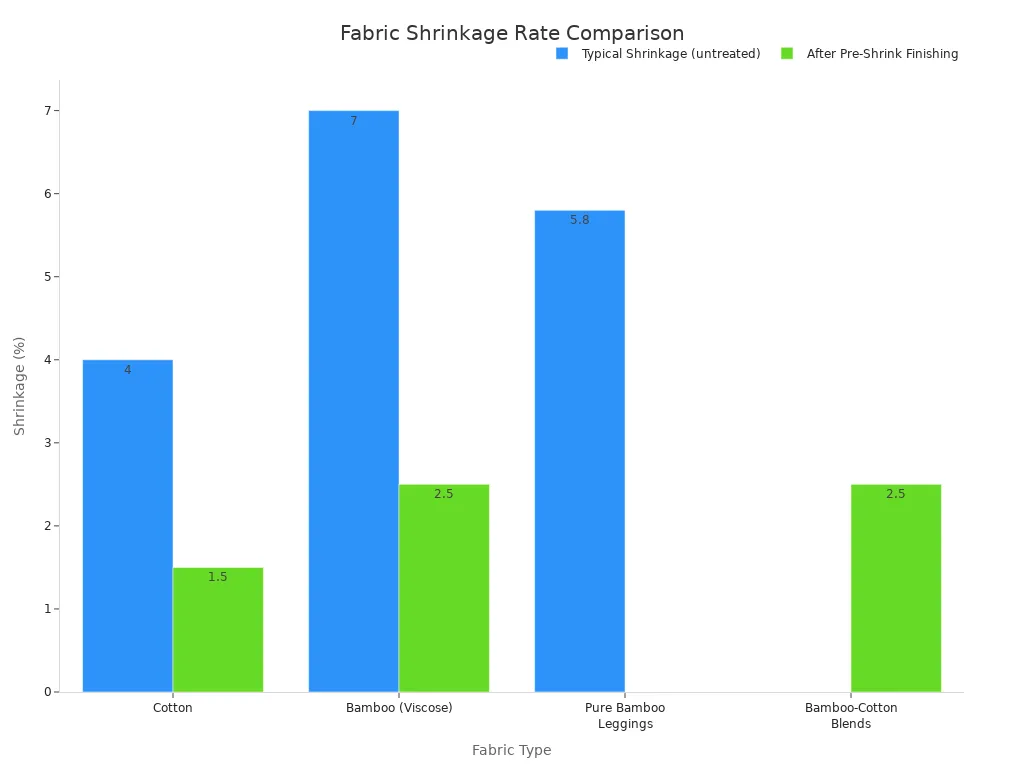
Different fibers have different shrinkage rates. Cotton knitted fabrics and bamboo fiber knitted fabrics have drastically different shrinkage properties. Understanding these differences will help you better plan your project. This is especially important if you are mixing different types of fabrics.
| Fabric Type | Typical Shrinkage (untreated) | After Pre-Shrink Finishing |
|---|---|---|
| Cotton | 3–5 % | 1–2 % |
| Bamboo (Viscose) | 6–8 % | 2–3 % |
| Pure Bamboo Leggings (after 10 washes) | Up to 5.8% | N/A |
| Bamboo-Cotton Blends | N/A | Below 2.5% |
To pre-wash your jersey, simply wash and dry it the same way you plan to care for the final garment. Use the same water temperature and dryer settings. This ensures any shrinkage happens before you cut, not after you have spent hours sewing.
Mastering One-Way Print Layouts
Many printed jersey designs are “one-way” or directional. This means the pattern has a clear top and bottom. Think of floral prints with stems, animals standing up, or repeating words. You must pay close attention to the print direction when you lay out your pattern pieces. If you do not, you might end up with a t-shirt that has upside-down cats on the back.
First, you need to identify the direction of your print. Unroll a good length of your jersey knit fabric and look at the design. Once you determine the “up” direction, you must place all your pattern pieces facing that same way.
Tip: Directional prints often require more fabric. Always buy a little extra jersey to make sure you can fit all your pattern pieces in the correct orientation.
Sometimes, it can be hard to tell the right side from the wrong side of a solid-color jersey. You can use these tricks to figure it out:
- Check the Structure: The right side of a jersey knit usually has fine vertical ribs that look like tiny V-shapes. The wrong side shows more horizontal loops or bumps.
- Use the Roll Test: Cut a small piece of the jersey fabric across the width. Gently stretch it. The fabric will naturally curl toward the right side. The finished edges, or selvedges, often roll toward the wrong side of the fabric.
Seam Finishes and Hemming with a Twin Needle
A beautiful hem gives your jersey garments a polished, store-bought look. A twin needle is the perfect tool for this job. It creates two parallel lines of stitching on the top and a zigzag stitch on the back. This finish is both professional and stretchy, so your hems will move with the fabric and not pop.
Achieving the perfect twin needle hem on a knit fabric is easy when you follow a few steps. 🧵
- Choose the Right Needle: You must use a ballpoint or stretch twin needle. This prevents the needle from making holes in your delicate jersey. Make sure the needle width fits your machine’s presser foot opening.
- Thread Your Machine: You will need two spools of thread. Thread your machine with both threads at the same time, following your machine’s manual. You will separate the threads right at the end, putting one into each needle.
- Test Your Stitches: Always test on a scrap of your jersey fabric first. You want the stitches to lie flat. The bobbin thread should form a neat zigzag without pulling the top threads to the underside. Gently stretch the test hem to ensure the stitches do not break.
- Adjust Tension: If you see a ridge or “tunnel” forming between the two lines of stitching, your top thread tension might be too high. Try lowering the top tension slightly.
- Stabilize the Hem: Lightweight jersey can sometimes tunnel even with correct tension. You can prevent this by using a stabilizer. Place a strip of thin, fusible knit interfacing on the wrong side of the hem allowance. You can also use a wash-away stabilizer under the fabric as you sew.
Troubleshooting Your Hem: If your bobbin thread keeps snapping, it means the seam does not have enough stretch. You can try using woolly nylon thread in your bobbin. Wind it onto the bobbin by hand to keep its natural elasticity. This special thread provides excellent stretch and creates a very soft finish against the skin.
Using Clear Elastic to Stabilize Shoulders
Shoulder seams on a jersey garment carry the weight of the sleeves and bodice. The natural stretch of a jersey knit can cause these seams to droop or stretch out over time. You can easily prevent this by adding clear elastic. This simple technique adds strength and stability without any bulk, keeping your jersey tops and dresses looking great for years.
Clear elastic is a thin, transparent tape that does not have a lot of recovery stretch. Its job is to provide structure, not to gather the fabric. You will add it to the shoulder seam of your jersey garment as you sew. This process is straightforward with either a serger or a regular sewing machine.
Follow these steps to get a perfect, stable shoulder seam on your next jersey project.
Measure and Cut Your Elastic
You want the elastic to be the exact same length as your shoulder seam. Do not stretch the elastic as you measure. Place your back pattern piece on the table and lay the clear elastic along the shoulder seam allowance to measure and cut it. This 1:1 ratio ensures the seam lies flat.Prepare the Elastic for Sewing
Clear elastic can be slippery and difficult to control while you sew. You can use a simple trick to hold it in place.Tips to Stop Slipping:
- Use a few zigzag stitches to tack the elastic to the start of the seam allowance on your back bodice piece.Apply a small amount of a washable glue stick to the seam allowance to temporarily hold the elastic.Leave a long “tail” of elastic at the beginning. This gives you something to hold onto as you guide the fabric through the machine.
Sew the Seam
Place the elastic onto the seam allowance of the back shoulder piece. Place the front shoulder piece on top, right sides together, sandwiching the elastic. Sew the seam using a stretch stitch on your sewing machine or a 4-thread overlock on your serger. Guide the fabric and elastic together, but do not stretch the elastic. You want to maintain the original length of the jersey fabric.Admire Your Work
Press the seam allowance toward the back of the garment. You now have a discreetly stabilized shoulder seam. This strong seam will support the weight of your knit garment and prevent any unwanted stretching. Your finished jersey piece will have a professional and durable structure.
Project Inspiration for Your Jersey Knit Fabric
You can use printed knit fabric for many wonderful creative projects. This versatile fabric is perfect for making stylish and comfortable clothing. Exploring the common uses of knit fabric will provide excellent inspiration for your next piece.
Everyday Comfort: T-Shirts, Tunics, and Dresses
Knit fabrics are soft and breathable, making them ideal for everyday wear. You can sew classic T-shirts, flowy waistcoats, or simple dresses. These garments are comfortable and perfect for everyday wear. The elasticity of knit fabric makes them fit snugly and comfortably. You can find many free patterns online to start making your own vests and T-shirts.
Popular Free Patterns to Try:
- Hemlock Tee by Grainline Studio
- Plantain T-shirt by Deer and Doe
- Mandy Boat Top by Tessuti Fabrics
- Luna Tank by Helen’s Closet
Athleisure and Sportswear: Leggings and Hoodies
Knitted fabrics are ideal for athletic wear and casual wear. Their natural elasticity makes them perfect for compression sportswear such as leggings. With the addition of spandex, knitted fabrics become even more elastic, making them ideal for form-fitting sportswear. The durability of knitted fabrics ensures your sportswear maintains its shape even with frequent wear. Thick, double-knitted fabrics are perfect for making comfortable sweatpants and sweatshirts. You can use this premium fabric to create complete athletic wear sets, from sweatpants to hoodies. These sportswear pieces combine functionality and style.
Soft and Durable Clothes for Children
You can make wonderful children’s clothing with jersey. The soft texture of the fabric feels gentle against sensitive skin. This makes jersey a go-to choice for everything from pajamas to play clothes. When you choose a jersey knit fabric for kids, safety is very important.
You should choose fabrics certified to OEKO-TEX Standard 100. This label guarantees that the fabric is free of any harmful chemicals. For infants and toddlers, the requirements are even stricter.
- Product Grade 1 is the highest level of certification.
- It is suitable for textiles for children under three years old.
- This ensures that the knitted fabric is safe enough for even the most sensitive skin.
Choosing a certified jersey gives you peace of mind. You know you are creating safe and comfortable clothing for little ones.
Scrap-Busting Accessories like Headbands
After you finish a large project, you will often have leftover pieces of your beautiful printed jersey. You should not throw these scraps away. The unique properties of jersey fabric make these small pieces perfect for quick and satisfying projects. You can turn your remnants into stylish and useful accessories for yourself or your family. This is a great way to practice your skills and reduce waste.
The stretchy, soft nature of jersey is ideal for items worn close to the skin. Since the cut edges of this knit fabric do not fray, you can even make simple no-sew accessories. Your leftover jersey is perfect for creating a variety of small items.
A Great Tip for Scraps: The natural curl of jersey fabric can be used as a design feature. A simple strip of jersey will roll into a cord, perfect for making ties or drawstrings without any sewing.
You can use your scraps for many creative projects. These small items are fun to make and require very little fabric. Consider trying one of these popular ideas for your jersey remnants:
- Headbands: You can create simple bow headbands or stylish twisted headbands. These are beginner-friendly and use very small pieces of jersey.
- Infinity Scarves: A child-sized infinity scarf is a wonderful project for a longer strip of fabric.
- Baby Items: You can sew adorable baby leggings or a small doll top from your leftover jersey.
- Hair Accessories: A simple hair towel wrap is another useful item you can make.
Saving your scraps gives you a supply of fabric for future gifts and accessories. Every piece of your favorite printed jersey has potential.
Care and Maintenance for Your Printed Garments
You have created a beautiful garment from soft jersey fabric. Now, you need to care for it properly. Following the right care steps will keep your printed jersey looking vibrant and new for a long time. Proper washing and storage protect the fabric and the print.
Washing and Drying to Preserve Print Vibrancy
You can easily preserve the bright colors on your printed jersey fabric. The key is to wash it gently. This protects the delicate fibers of the jersey and the printed design. You should always wash your jersey garments in cool water.
Washing Guide for Your Jersey:
- Water Temperature: You should wash your jersey sportswear and clothing at a maximum of 30°C (86°F).
- Detergent Choice: Use a mild or color-safe detergent. Liquid detergents work well in cool water.
- What to Avoid: Do not use fabric softener, heavy-duty detergents, or any product with bleach. These can fade the print on the fabric.
After washing, you should air-dry your jersey whenever possible. Lay the fabric flat or hang it away from direct sunlight. If you must use a dryer, choose a low-heat setting. High heat can damage the soft jersey fabric and cause the print to crack over time.
Why You Should Fold, Not Hang, Your Knits
How you store your jersey knit garments is very important. You should always fold your jersey items instead of hanging them in a closet. A jersey knit is a heavier fabric. The weight of the fabric can cause problems when it hangs.
Hanging a jersey can lead to unwanted changes in your garment.
- The weight of the jersey knit fabric can pull on the shoulder area, causing stretching.
- Hanging can create tears or pulls in the delicate knit structure of the fabric.
- Over time, this can change the fit of your clothing, making it misshapen.
To keep your jersey in perfect condition, you should fold it neatly. Store your folded jersey items in a drawer or on a shelf. This method supports the entire piece of fabric. It prevents the jersey from stretching out of shape and keeps your handmade clothes looking their best.
You now have the knowledge to confidently sew with printed jersey knit fabric. This truly user-friendly and soft jersey knit fabric awaits your creative touch. You can master sewing with this versatile jersey knit fabric.
Embrace your creativity! Choose a beautiful and soft jersey knit for your next project. A quality supplier like Suerte offers many options for soft jersey knit fabric. Start sewing with success today! 🧵
FAQ
Why does my jersey fabric curl when I cut it?
Jersey fabric has a single-knit construction. This structure causes the cut edges to naturally roll toward the right side of the fabric. You can manage this by using pattern weights and a rotary cutter instead of lifting the fabric to cut with scissors.
Can I sew jersey knit without a serger?
Yes, you can definitely sew jersey with a regular sewing machine. You just need to use the right stitch. A narrow zig-zag stitch or a special stretch stitch will give your seams the flexibility they need. Always test your stitch on a scrap first.
What is the best needle for sewing jersey?
You should use a ballpoint or stretch needle. These needles have a rounded tip that pushes the fabric fibers apart instead of piercing them. This simple change prevents holes, snags, and skipped stitches, giving you a much smoother sewing experience.
Do I really need to pre-wash my jersey fabric?
You must always pre-wash your jersey. This step pre-shrinks the fabric so your finished garment does not become too small after the first wash. Wash and dry the fabric exactly how you plan to care for the final piece of clothing.
Where can I find different types of jersey fabric?
You can find a wide variety of jersey fabrics from specialized suppliers. Companies like Suerte offer many options, including polyester, bamboo, and rayon blends. This allows you to choose the perfect base fabric for your custom digital printing projects.