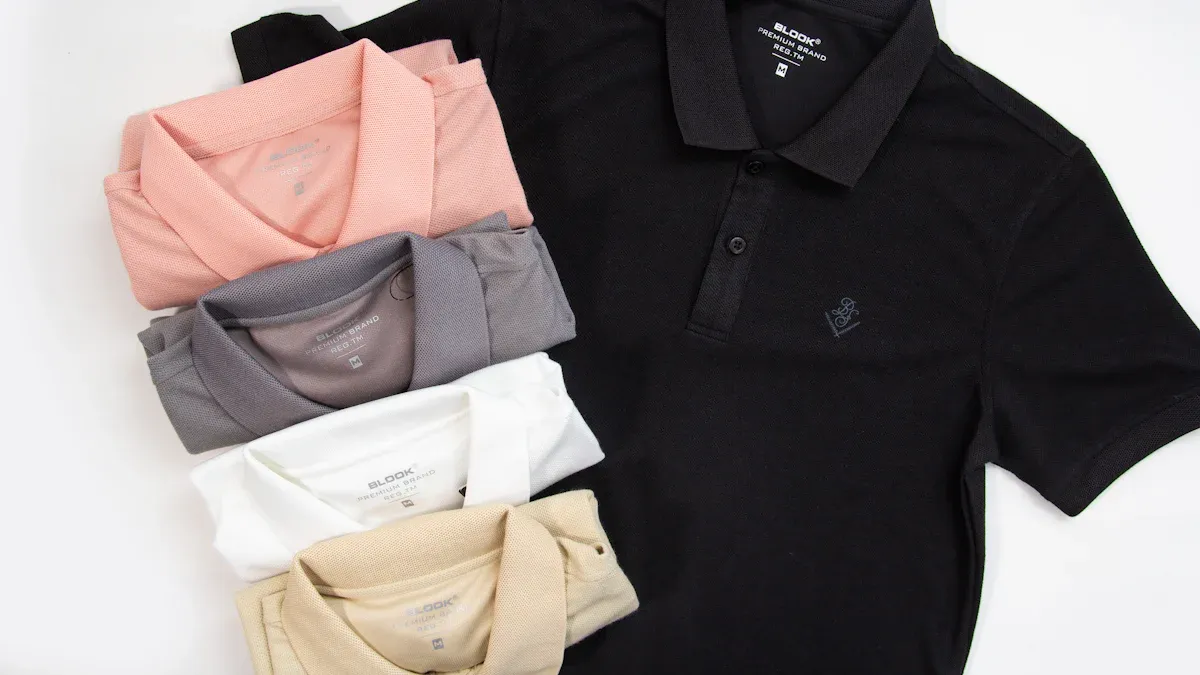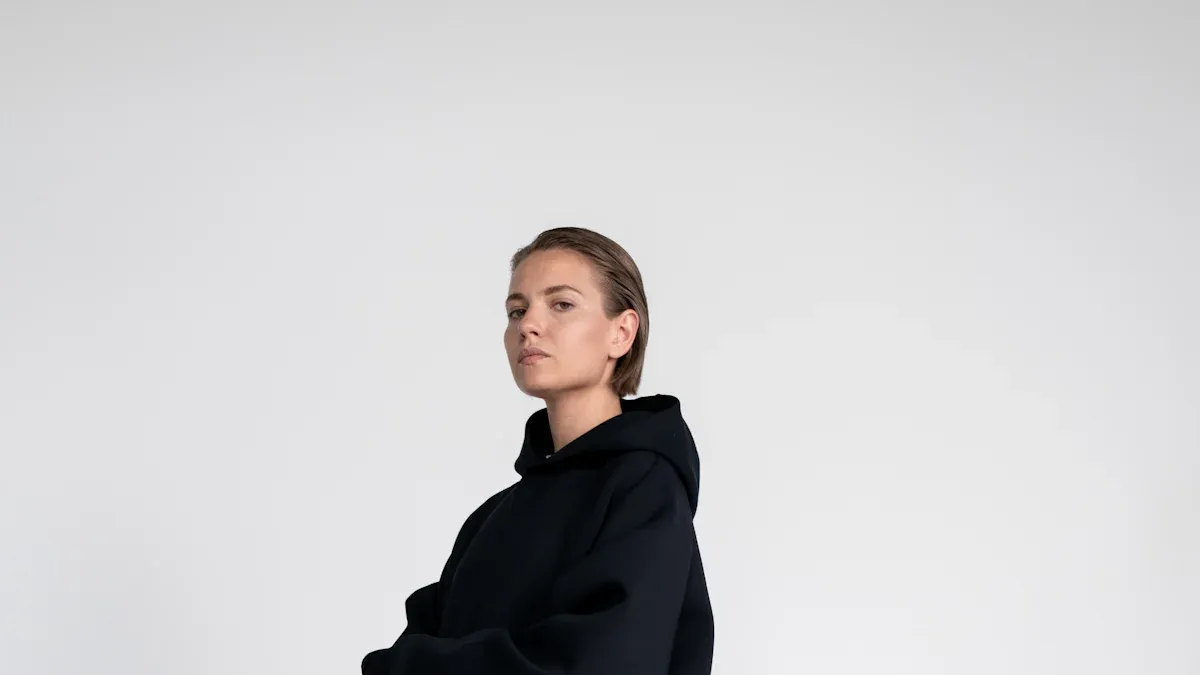
Knit sweatshirt fabric is arguably one of the most versatile fabrics. It perfectly blends comfort, durability, and style, performing exceptionally well. Its versatility makes it a base fabric for a wide range of garments, from comfortable loungewear to high-performance sportswear. Designers also frequently use it to create fashionable and edgy pieces. Knit sweatshirt fabric perfectly combines comfort and versatility, making it a top choice for everything from classic sweatshirts to stylish and comfortable casual wear.
Key Takeaways
- Knit sweatshirt fabric is incredibly practical because it’s comfortable, durable, and stylish.
- This fabric comes in various types, such as flannel for cool weather and fleece for warmth.
- Designers use knit fabric to create a variety of garments, from comfortable loungewear to sophisticated blazers and dresses.
- Knit fabric is ideal for travel because it doesn’t wrinkle easily and is easy to care for.
- To extend the life of your sportswear, wash in cold water and dry.
The Core of Its Adaptability: What is Sweatshirt Jersey Fabric?
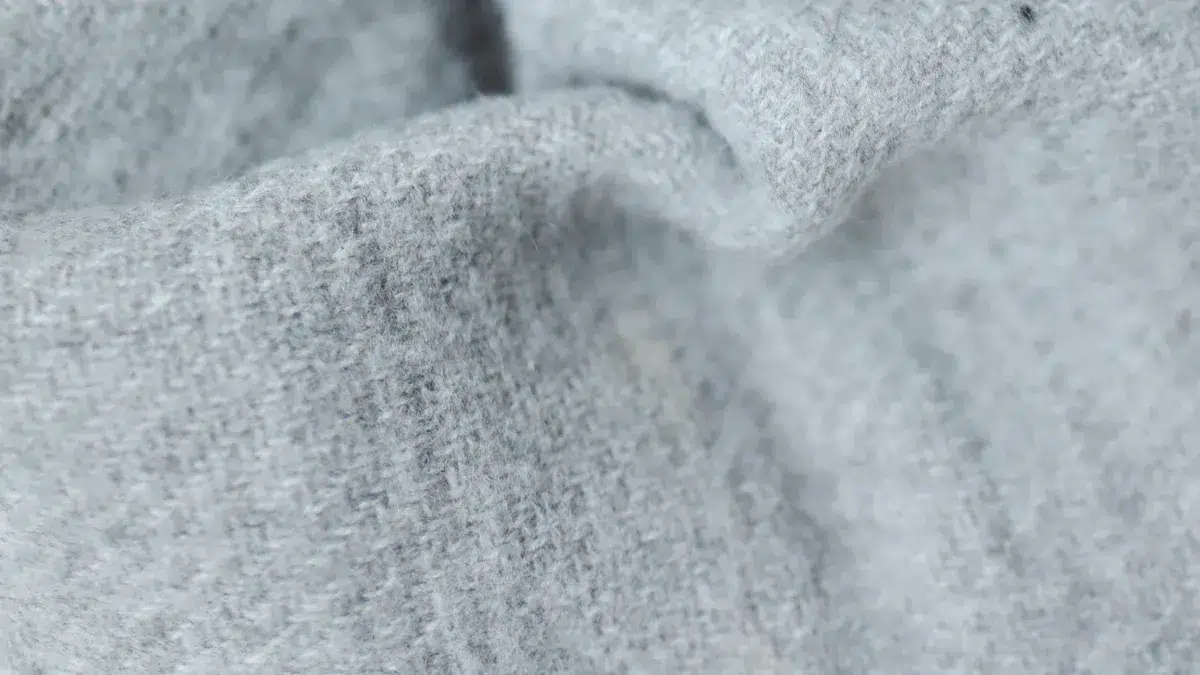
The exceptional adaptability of sweatshirt knit fabrics stems from three key elements: knit construction, fiber composition, and weight. These factors collectively determine the fabric’s feel, function, and appearance. Understanding these elements reveals why knit fabrics are a cornerstone of modern clothing.
The Knit Construction: Fleece vs. French Terry
Most sweatshirt fabrics are knit, but differences in their internal textures create two distinct types: French terry and fleece. French terry has a soft, looped lining, while fleece has a brushed finish for a more voluminous feel. The choice between these two fabrics affects the sweatshirt’s warmth and breathability.
| Property | French Terry | Fleece |
|---|---|---|
| Warmth & Insulation | Offers less insulation, suitable for mild temperatures. | Excels in providing warmth, perfect for colder weather. |
| Breathability | Stands out for breathability, allowing air circulation. | Restricts some airflow to provide better insulation. |
| Best Climate | Mild conditions, spring, and summer engagements. | Colder weather, fall, and winter use. |
The Role of Fiber Blends
The fibers used to make knitted fabrics are crucial to their performance. 100% cotton knitted fabrics are soft, comfortable, and have a classic feel. Pure cotton is favored for its natural comfort. However, manufacturers often blend fibers to enhance certain properties. Adding polyester to pure cotton knitted fabrics improves their durability and wrinkle resistance. Spandex gives knitted fabrics elasticity and shape retention. Blended fabrics can also improve sustainability, as some blends use recycled cotton or recycled polyester. The diversity of fiber compositions makes pure cotton knitted fabrics a wide range of choices, each with its own unique characteristics.
Understanding Fabric Weight and Its Impact
Fabric weight, often measured in grams per square meter (GSM), directly influences a garment’s structure and The weight of a fabric, usually measured in grams per square meter (GSM), directly affects the structure and drape of a garment. Lightweight knitted fabrics are ideal for making T-shirts, while heavier sweatshirt knitted fabrics provide the necessary structural support for durable sweatshirts.
The weight of a fabric has a significant impact on the fit and overall appearance of a garment. Heavier fabrics (300-500 g/m²), such as those used to make sweatshirts, provide better structural support and better shape retention. Lighter fabrics, on the other hand, allow for a more fluid and flowing silhouette.
This variation has enabled designers to use knitwear in a wide range of garments, from light inner layers to heavy outerwear, demonstrating its immense versatility.
The Ultimate Union of Comfort and Versatility
Sweatshirt fabric combines comfort and versatility, its unique properties making it a fundamental fabric for various clothing categories. Whether in a relaxed home environment or a busy travel setting, this fabric adapts perfectly. This versatility makes it an indispensable item in the modern wardrobe. Sweatshirt fabric can be used to make loungewear, casual wear, and practical travel wear.
For Loungewear: The Gold Standard of Cozy
The inherent softness of jersey makes it the premier choice for loungewear. Garments made from this material offer exceptional comfort for relaxing at home. The fabric’s gentle touch against the skin provides a soothing experience. An oversized sweatshirt or a pair of jersey joggers creates the perfect ensemble for ultimate relaxation. The breathability of the jersey also ensures comfort without overheating. This balance of warmth and softness makes it the gold standard for cozy, comfortable living.
For Everyday Casual: The Go-To Sweatshirt
Sweatshirts are the cornerstone of casual wear, mainly thanks to their knitted fabric. Its transformation from sportswear to a fashion item highlights its amazing versatility. Hoodies began gaining popularity among college students in the mid-20th century, offering comfort and freedom of movement for a casual lifestyle. By the 1970s, skateboarders and hip-hop artists also began wearing hoodies, making them a key element of streetwear. Hoodies gradually became a symbol of relaxed style and cultural identity.
Iconic moments in popular culture further solidified the hoodie’s place in the fashion world:
- Sylvester Stallone’s grey crewneck sweatshirt in the film Rocky became a symbol of resilience.
- Eminem’s hoodie became synonymous with his approachable, unconventional artist image.
Today, the hoodie is a key item in athleisure. It perfectly blends athletic functionality with everyday style. This casual garment offers endless styling possibilities, proving its enduring appeal. The rise of athleisure also underscores the hoodie’s crucial role in defining modern casual fashion.
For Travel: Wrinkle-Resistance and Ease
Travel requires clothing that is both comfortable and easy to care for. The right knitted blend excels in this regard. While 100% cotton is soft and comfortable, it wrinkles easily. Cotton-polyester blends, on the other hand, create a fabric with excellent wrinkle resistance. Polyester fibers are elastic, helping garments stay smooth during long journeys. This blend inherits the durability of polyester, making it ideal for all types of travel.
The proportion of fibers in a knitted fabric determines its final performance. An 80% cotton, 20% polyester blend combines the softness of cotton with the durability of polyester. The 20% polyester content significantly improves the fabric’s wrinkle resistance, reducing the need for ironing. This makes it perfect for travel. This blend offers travelers the perfect combination of comfort and versatility.
| Fabric Type | Wrinkle Resistance |
|---|---|
| 100% Cotton | Wrinkles easily |
| Polyester Blend | Wrinkle resistant |
This wrinkle-resistant fabric ensures travelers are neat and comfortable the moment they step out of their suitcases. The versatile polyester-blend knit fabric is a smart addition to any travel wardrobe.
Beyond Casual: The Surprising Versatility in Fashion
Sweatshirt fabric is far more than just casual comfort. Today, designers are fully utilizing its unique properties to create sophisticated and textured fashion pieces. The fabric’s adaptability frees it from the constraints of sportswear. This evolution showcases the true versatility of sweatshirt fabric in the modern wardrobe, from casual wear to high fashion.
Structured Garments: Blazers and Trousers
Thick sweatshirt knit fabric is ideal for creating structured silhouettes. Unlike traditional woven fabrics, this thick knit maintains structural crispness while offering comfort and elasticity. Designers use it to create blazers that maintain a clean silhouette while ensuring freedom of movement. This redefines the dress code for office and business casual.
Knit blazers are a modern alternative to the structured traditional jacket. This fabric has an excellent drape, creating a sophisticated and elegant look without sacrificing comfort. Similarly, trousers made from tightly knit fabric maintain their shape perfectly, offering a slim fit comparable to classic twill or wool trousers. This innovative use of knit fabric cleverly blends formal and casual styles.
Modern Apparel: Dresses and Skirts
The application of jersey in dresses and skirts highlights its incredible range. The fabric’s weight and blend determine the final garment’s look and feel, from body-hugging silhouettes to flowing, elegant shapes. A heavyweight cotton jersey can create a structured A-line skirt or a minimalist sweatshirt dress. Lighter jersey blends produce dresses with beautiful drape and movement.
This material empowers designers to explore many styles:
- The Sweatshirt Dress: A popular item that combines the comfort of a favorite sweatshirt with a chic, elongated silhouette.
- The T-Shirt Dress: Made from lightweight jersey, this piece is a staple for effortless, everyday style.
- The Maxi Skirt: A fluid jersey fabric creates a graceful, flowing skirt perfect for various occasions.
- The Pencil Skirt: A jersey blend with spandex offers a form-fitting yet comfortable option for a sleek, professional look.
Layering Pieces for All Seasons
Layering is a fundamental principle of great style, and sweatshirt jersey is a key player. A classic crewneck sweatshirt or zip-up hoodie serves as an essential mid-layer. It provides warmth without the bulk of traditional sweaters. The breathability of the jersey fabric makes it suitable for transitioning between different temperatures throughout the day. This makes sweatshirt styling a practical skill for any climate.
Pro Tip: For effective layering, start with a lighter jersey base and add a medium-weight sweatshirt. This approach provides warmth and flexibility, allowing you to adapt your outfit easily. Exploring different sweatshirt outfit ideas can elevate simple casual wear into a thoughtful ensemble.
The fabric’s soft texture also makes it an ideal next-to-skin layer. A thin jersey long-sleeve shirt can be worn under a blazer or jacket, adding comfort and a touch of color. This functional versatility confirms the fabric’s status as a year-round essential for any wardrobe.
Performance Matters: Sweatshirt Jersey in Activewear
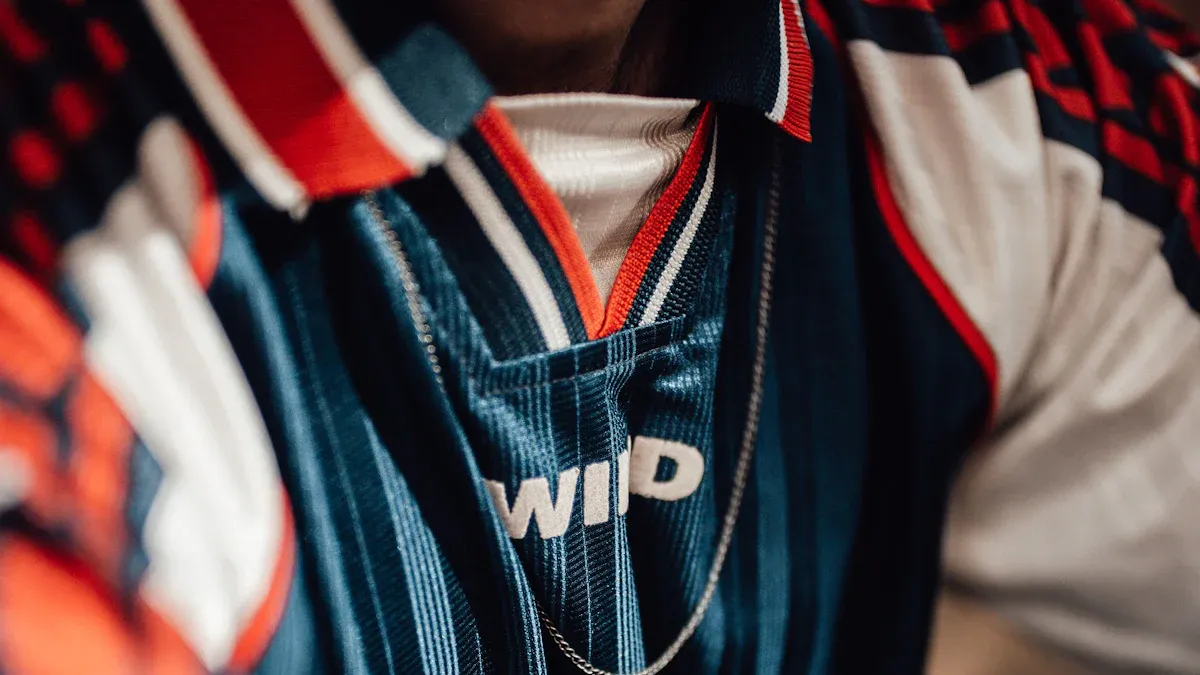
The performance of an athletic garment is critical. Sweatshirt jersey fabric is a top material for modern sportswear because it balances function with comfort. Its construction makes it ideal for a wide range of physical activities. The right jersey blend enhances performance, providing support where it matters most. This makes the fabric a cornerstone of the athleisure movement.
Maximizing Movement and Flexibility
Flexibility is crucial for effective workouts. Knitted fabrics made with a spandex blend offer exceptional elasticity and shape retention, allowing for unrestricted movement. This fabric moves with your body, making it ideal for activities like yoga, weightlifting, and running. Its inherent flexibility translates to lasting comfort and durability, ensuring the garment remains in place for a long time. Unlike stiff woven fabrics, knitted fabrics inherently possess this natural elasticity.
The Importance of Breathability
An athlete’s body needs to regulate its temperature during exercise. The breathability of a fabric plays a huge role in this process. A breathable jersey allows air to circulate, which helps prevent overheating. French terry jersey, with its looped interior, offers excellent breathable qualities.
The right fabric’s breathability ensures that comfort is maintained even during intense physical exertion. This feature is non-negotiable for high-performance sportswear.
Proper airflow is key to sustained performance. This focus on breathability makes jersey a smart choice for layering pieces used during warm-ups and cool-downs.
Moisture-Wicking for Active Lifestyles
Managing sweat is another crucial aspect of activewear. Certain jersey blends excel at moisture-wicking. Fabrics containing polyester pull perspiration away from the skin and move it to the fabric’s surface, where it can evaporate quickly. This process keeps the wearer dry and comfortable. A high-performance sweatshirt or jersey top with these properties offers great durability. This technology is central to modern athleisure wear, where a garment must perform during activity and look good afterward. This makes jersey ideal for layering, adapting from the gym to the street.
Sweatshirt Jersey Fabric vs. Other Textiles
Understanding how sweatshirt jersey fabric compares to other textiles highlights its unique position in the apparel world. Each material offers distinct advantages for specific applications. The versatility of jersey becomes clear when placed alongside standard knits, technical materials, and woven fabrics.
Comparison with Standard T-Shirt Jersey
The main difference between hoodies and T-shirts lies in the weight and construction of the fabric. Regular T-shirts use lightweight, single-knit fabrics with a light, draping texture. Hoodies, on the other hand, require thicker cotton knit fabrics. These thicker knit fabrics often have a terry (flannel) or brushed (fleece) lining for added warmth and texture. While both are cotton knit fabrics, hoodie fabrics offer superior construction and warmth. Lightweight cotton knit fabrics are ideal for layering.
Comparison with Technical Performance Fabrics
Technical fabrics are engineered for specific athletic functions, such as advanced moisture-wicking. While a cotton sweatshirt offers good breathability, synthetic performance materials often excel at pulling sweat away from the skin. A breathable jersey is great for moderate activity. However, high-intensity workouts may demand a fabric designed purely for performance. The natural breathable qualities of cotton make jersey comfortable, but technical fabrics prioritize function over feel. This focus on breathability and moisture management sets them apart.
Comparison with Woven Fabrics like Twill
Woven fabrics like twill have a significantly different structure from knitted fabrics. Twill uses an azimuth weave, making it exceptionally durable and crisp. Therefore, it’s a common fabric for jeans, khakis, and jackets. While knitted sweatshirts offer both elasticity and softness, twill provides a crisp texture and a clean look.
Knitted sweatshirts are comfortable and flexible, making them an ideal choice. Twill garments, on the other hand, are better suited for creating sophisticated, sharp, and durable looks.
| Property | Sweatshirt Jersey (Knit) | Twill (Woven) |
|---|---|---|
| Structure | Soft, flexible | Structured, crisp |
| Stretch | Natural stretch | Limited stretch (unless spandex is added) |
| Best For | Comfort, casual wear, layers | Durable trousers, jackets, uniforms |
This comparison shows how each fabric serves a different purpose in a complete wardrobe.
How to Choose and Care for Your Fabric
Selecting and maintaining sweatshirt jersey fabric ensures garments retain their quality for years. Proper knowledge of what to look for and how to care for the material is essential. This preserves the comfort and appearance of any jersey item.
Identifying High-Quality Jersey
High-quality jersey feels substantial and smooth. A dense knit indicates better durability and resistance to pilling. The fabric should have a consistent color and texture. When stretched, a quality jersey springs back to its original shape, a sign of good fiber content and construction. The initial softness of the jersey should not be the only factor; its resilience is a key marker of quality. This attention to detail ensures the jersey garment lasts.
Shopping for Quality: What to Look For in Suerte Garments
Suerte Textile demonstrates expertise in producing superior jersey. The company’s advanced machinery creates a consistent, high-grade cotton jersey fabric. Shoppers can look for garments with precise digital printing and uniform dyeing, which reflect high production standards. Suerte’s ability to manage complex processes like jacquard knits and various blends ensures excellent durability. Their one-stop service, from design to production, offers customers reliable quality. This commitment to excellence makes for sustainable sweatshirt choices that combine style with longevity. The brand’s focus on sustainability is evident in its optimized production.
Care Tips to Ensure Longevity
Proper care is crucial for extending the life of your sweatshirt. Following care instructions will keep your garment intact and soft. Over-washing can damage any fabric, so it’s best to treat small stains first. Specific steps during a thorough wash can protect the cotton sweatshirt fabric.
Following the correct care methods is the best way to protect your beloved sweatshirt. It protects the cotton fibers and the overall structure of the sweatshirt.
Here are the best ways to wash cotton knitwear:
- Use cold water: Cotton garments must be washed gently in cold water. Water temperatures above 49°C (120°F) will cause cotton garments to shrink.
- Choose a mild detergent: Mild, environmentally friendly detergents will effectively clean without damaging the fibers of knitted fabrics.
- Air dry: Avoid using a tumble dryer. High temperatures weaken the fibers and are a major cause of shrinkage. Hanging your sweatshirt to dry helps maintain its shape and durability.
Sweatshirt jersey fabric’s unique blend of comfort and versatility confirms its status. This jersey excels across casual, active, and fashion categories. Its wide-ranging applications make the jersey a top choice for any casual wardrobe.
From a classic casual sweatshirt to a structured jersey blazer, its presence proves this jersey’s adaptability and versatility.
This makes the jersey sweatshirt a true wardrobe essential. The jersey sweatshirt provides lasting comfort. The jersey’s role and overall comfort and versatility ensure its enduring appeal. This jersey offers comfort and versatility.
FAQ
What are the main differences between French terry cloth and fleece?
French terry cloth has a looped lining, making it breathable and lightweight. Fleece has a brushed finish, resulting in a soft, fluffy feel and better warmth. The choice of fabric depends on the required level of warmth and the environment in which you’re wearing it.
Are sweatshirts suitable for high-intensity training?
This fabric is ideal for warm-ups and moderate-intensity workouts. For high-intensity workouts, performance fabrics generally perform better. Knitted fabrics are a key element in creating comfortable and casual sportswear, especially suitable for post-workout wear.
How to prevent sweatshirts from shrinking?
High temperatures are the main cause of shrinkage. Wash your sweatshirt in cold water and air dry. Avoid using the high temperatures of a dryer to maintain the size and shape of your garment and contribute to sustainability.
What makes sweatshirt fabric sustainable?
The sustainability of knitwear lies in the use of recycled fibers such as cotton or polyester. Proper care can extend the life of your garment while reducing your environmental impact. Choosing durable materials contributes to long-term sustainability.