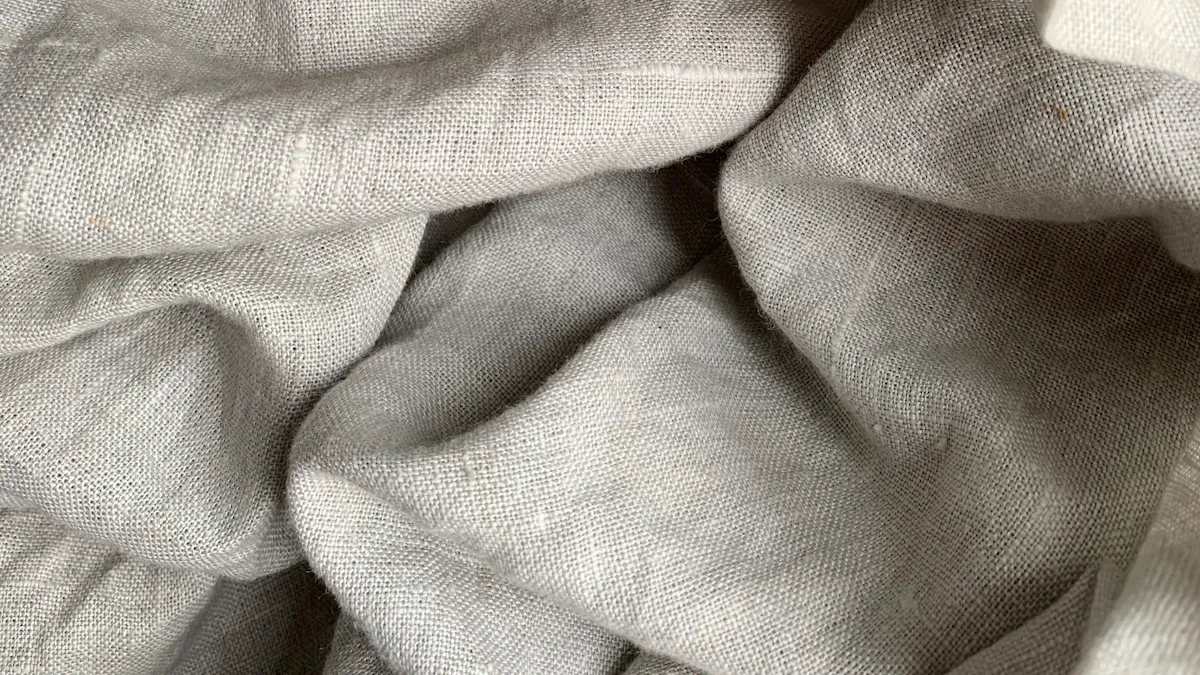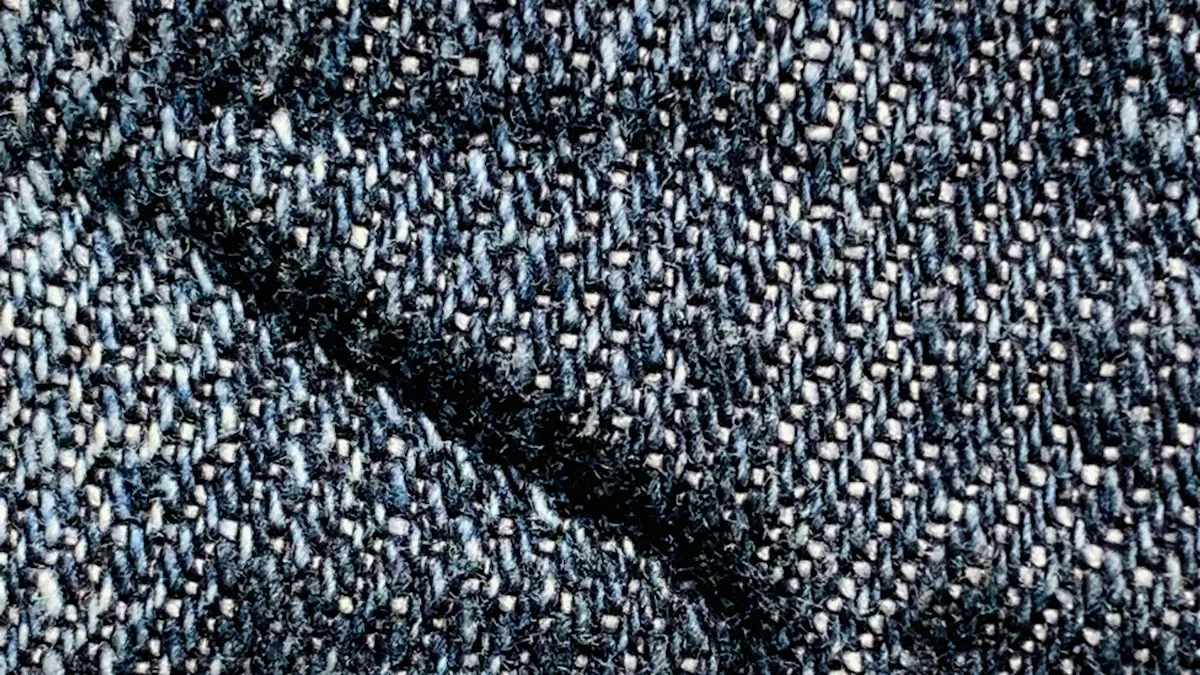
You’ll love this cotton knit fabric for its exceptional comfort and softness. It’s the perfect choice for a variety of projects, offering softness, comfort, and excellent breathability for all-day comfort. This comfortable and breathable knit fabric is ideal for everyday wear.
Perfect for Your Wardrobe 👕
From simple T-shirts to elegant dresses, this cotton jersey material fabric handles it all with ease. It’s especially suitable for making T-shirts, as the pure cotton knit fabric is incredibly breathable. With the right techniques, sewing this knit fabric is very simple. Your first T-shirt project is about to begin!
Key Takeaways
- Cotton jersey cloth fabric are soft and breathable, making them ideal for creating comfortable garments such as T-shirts and dresses.
- Cotton knit fabrics must be pre-washed. This prevents shrinkage and helps the garments maintain their fit.
- Use specialized tools when sewing knit fabrics. Round-tipped sewing needles, elastic thread, and presser feet prevent uneven stitches and skipped stitches.
- Cut knit fabrics carefully. Use a rolling cutter and weights to prevent edges from curling and ensure accurate measurements.
- Practice makes perfect. Start with simple T-shirt projects to learn how to sew knit fabrics.
Understanding Fabric Cotton Jersey
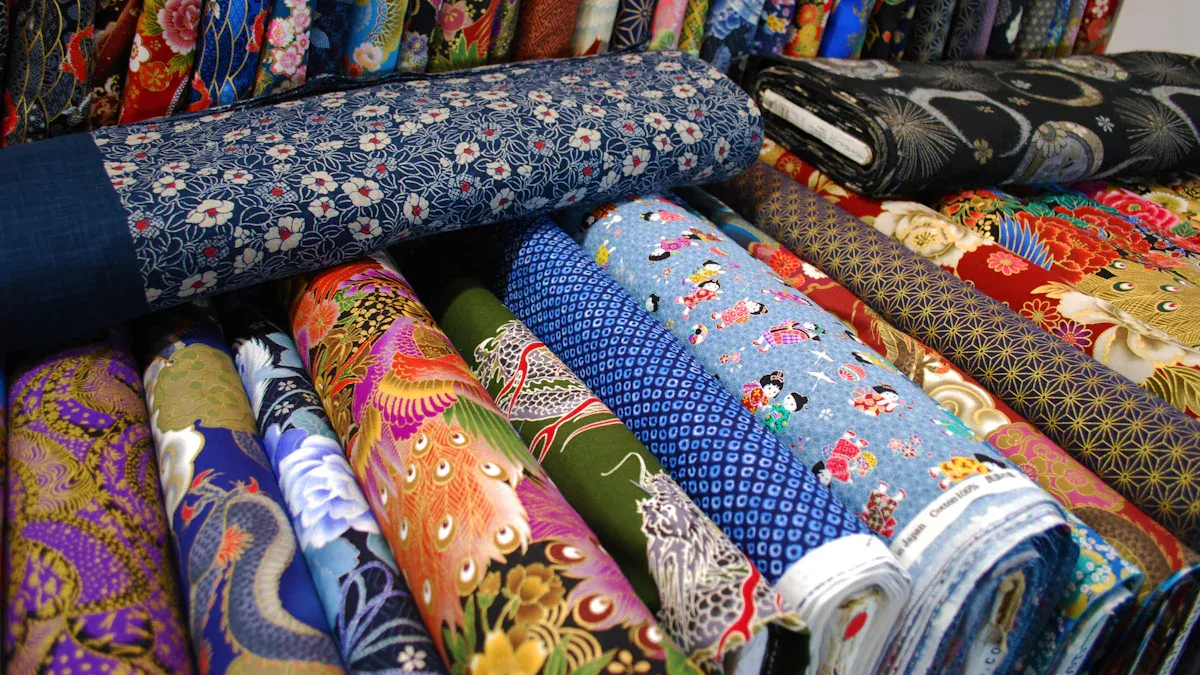
Before you start making your first T-shirt, you need to understand fabrics. The unique qualities of cotton knit fabric make it ideal for comfortable clothing. Understanding this will help you choose the right fabric type for your project.
What Makes Cotton Jersey Unique?
You’ll immediately feel the exceptional comfort and softness of cotton knit fabric. Its unique structure creates a lightweight and breathable texture, making it ideal for making T-shirts. The unique properties of this knit fabric stem from its special construction.
- This cotton knit fabric is woven from finely looped cotton yarns. This knit structure gives the fabric remarkable elasticity and stretch.
- This fabric is extremely breathable, keeping you cool and ensuring comfort all day.
- Natural cotton fibers have a hollow structure. This property forms tiny air pockets, making the fabric soft and breathable.
Exploring Different Types of Cotton Jersey
You’ll find many types of knitted fabrics, but the most common are single-knit and double-knit. Your choice will affect the weight and durability of the final garment. 100% cotton knit fabric is perfect for making classic T-shirts. Double-knit fabric is a versatile option, suitable for creating more structured garments.
Single vs. Double Knit Thread
You should understand the difference in manufacturing processes. Single-knit refers to knitting with a single layer of yarn. Double-knit, on the other hand, involves weaving two layers of knitted fabric together. This process makes double-knit fabric thicker and more durable.
Choosing the Right Weight and Stretch
Selecting the correct cotton jersey fabric is crucial for your project’s success. A lightweight jersey is ideal for a t-shirt, while a heavier weight offers more structure. You also need to consider the stretch. A stretchy and flexible jersey is essential for fitted clothing. You can easily measure the stretch percentage yourself.
- Take a piece of your fabric cotton jersey and fold it.
- Hold a 10 cm section of the relaxed jersey along a ruler.
- Stretch the fabric comfortably. Keep one hand at the zero mark.
- Note the new measurement. If 10 cm stretches to 15 cm, your jersey has 50% stretch. Use this formula:
(Stretched Length - 10) / 10 * 100.
This simple test ensures your fabric has the right amount of stretch for your everyday clothing patterns. This makes the cotton jersey fabric durable and easy to maintain.
Essential Tools for Sewing with Cotton
You need the right tools to achieve a professional finish with your jersey projects. Using the correct equipment prevents common issues like stretched seams and skipped stitches. Your sewing experience will be much smoother with these essentials.
Needles and Thread for Stretch Fabrics
When sewing cotton knitted fabrics, it is essential to choose the right sewing needle. Ordinary sewing needles can easily snag on the fine loops of the knitted fabric, so round-tipped needles or elastic needles are recommended. Both types of needles have rounded tips, which effectively separate the fabric fibers. For sewing thread, 120-100 gauge polyester thread is a good choice. This thread is both strong and elastic, making it ideal for sewing knitted fabrics.
Needle Know-How Needle
A stretch needle is your best choice for highly elastic jersey fabric. It has a unique design that prevents skipped stitches.
| Feature | Ballpoint Needle | Stretch Needle |
|---|---|---|
| Tip Design | Rounded tip; pushes fibers aside | Unique tip design |
| Fabric Type | General knit fabrics, cotton knits | High-stretch fabrics, elastic materials |
| Primary Function | Prevents snags and runs | Prevents skipped stitches |
Must-Have Presser Feet
Your standard presser foot can stretch your jersey fabric as you sew. You can avoid this by using a walking foot. Ordinary presser feet may stretch knitted fabrics during sewing. Using a synchronized presser foot avoids this. This special presser foot has its own independent feed dogs.
- The upper feed dogs grip the top layer of fabric.
- They move the top layer at the same speed as the machine’s feed dogs move the bottom layer.
- This synchronized movement prevents cotton knitted fabrics from wrinkling or stretching.
The presser foot ensures even and smooth seams, making garments look more refined and beautiful.
Cutting Tools: Rotary Cutter vs. Scissors
Precision is required when cutting knitted fabrics. A rotary cutter and self-healing cutting mat are better suited for this task than scissors. Knitted fabrics are prone to shifting and curling, making precise cutting difficult with scissors.
- A rotary cutter allows for easy cutting of fabric without lifting it off the table.
- This tool lets you quickly and accurately cut multiple layers of cotton fabric at once.
- You can easily cut smooth curves and straight lines, reducing fabric waste.
Using a rotary cutter makes cutting faster, easier, and less strenuous. This is the best way to prepare for sewing jerseys.
Setting Up Your Sewing Machine
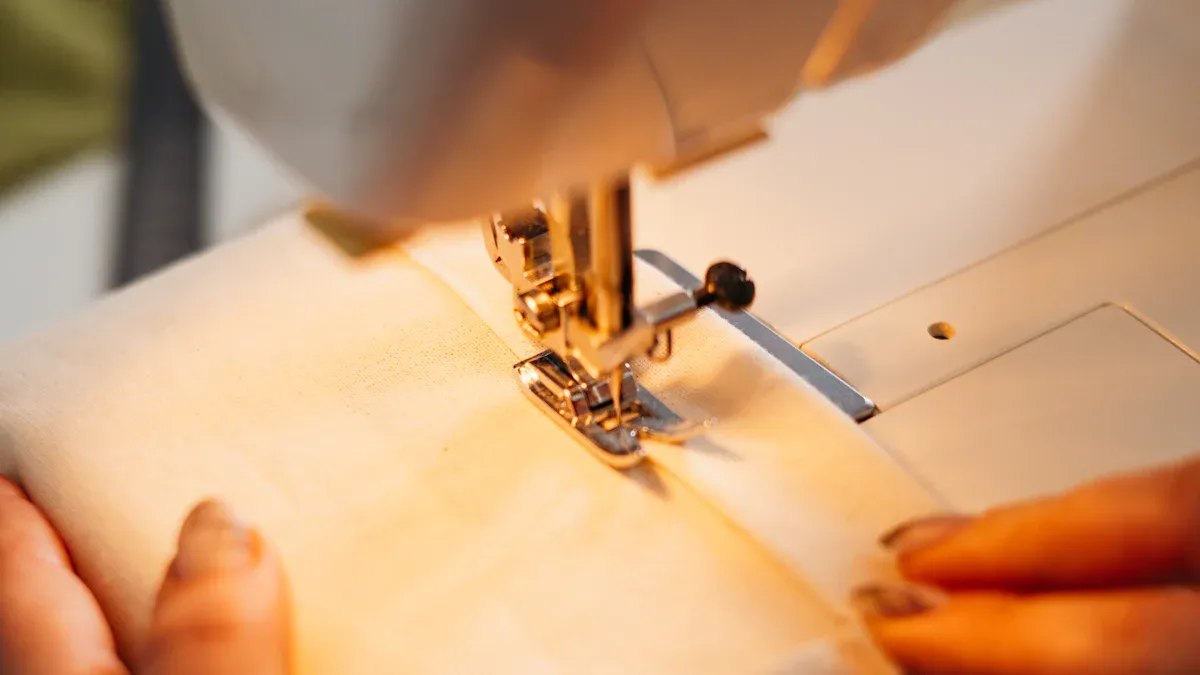
You can prepare your sewing machine for success with a few simple adjustments. Proper setup is key to sewing jersey without frustration. These settings will help you create smooth, durable seams on your cotton jersey fabric projects.
Selecting the Best Stretch Stitch
Ordinary straight-line sewing machines are prone to thread breakage when stretching knitted fabrics. You need a sewing machine stitch that can adapt to the stretch of the fabric. Most sewing machines offer several stitches suitable for sewing knitted fabrics.
- Zigzag Stitch: Narrow zigzag stitch is the most commonly used choice. You can set the sewing machine’s stitch length to a shorter (e.g., 1.5 mm) and the needle width to a narrower (e.g., 0.5 mm). This produces a seam that looks straight but still has some elasticity.
- Lightning Stitch: Lightning stitch is an extremely strong stitching method. It combines a stitching technique with a finishing process to create an “unbreakable” seam that won’t tear even when the jersey is stretched. Because lightning stitches are very difficult to remove, this stitching method should only be used when you are certain the seam is intact.
Adjusting Machine Tension and Pressure
Correct tension ensures your stitches are even on both sides of the fabric. For most cotton jersey fabric, a Proper yarn tension ensures even stitches on both sides of the fabric. For most cotton knit fabrics, a standard tension setting between 4 and 5 works well. However, you may need to make some adjustments.
Tension Testing Tip: Before you begin knitting, always test the stitch tension on a scrap piece of fabric. If loops appear, the tension is incorrect. Sometimes, tension problems are actually with the needles. For medium-weight knit fabrics, a 14/90 needle is a good starting point. For highly elastic knit fabrics, a lower tension (2-3) can prevent the fabric from deforming.
If you encounter problems, re-thread the yarn. Make sure the yarn is passed correctly through the tension gauge. Also, check that the bobbin is installed in the correct orientation.
Using a Serger for Professional Seams
Overlock machines give your knitwear a clean, professional-looking finish. They handle seam trimming and raw edge binding in one step. When sewing knit fabrics with an overlock machine, the most important setting is differential feed. You should set this value to greater than 1, typically around 1.5. This adjustment feeds more fabric with each stitch, effectively counteracting the fabric’s stretching properties and preventing wavy seam deformation.
Prepping and Cutting Your Cotton Jersey Fabric
You must properly prepare your cotton jersey fabric before you even think about sewing. This crucial first step ensures your finished garment fits well and looks professional. Taking the time to prep and cut your jersey correctly prevents future headaches.
The Importance of Pre-Washing
You should always pre-wash your cotton jersey fabric. This material, especially 100% cotton, is known for shrinking. Washing and drying the jersey before you cut your pattern pieces removes any excess dye and pre-shrinks the material. This step guarantees your garment will maintain its size and shape after future washes.
Follow these steps for the best results:
- Check the Label: Always look for the manufacturer’s care instructions first.
- Use Cold Water: Heat is the main cause of shrinkage. You should wash your jersey fabric in cold water.
- Select a Gentle Cycle: Use your machine’s ‘Delicate’ or ‘Hand Wash’ setting to protect the fabric’s structure.
- Air-Dry When Possible: Lay your jersey flat to air-dry. This method is the safest way to prevent shrinking and distortion. If you must use a machine, choose a low-heat setting.
| Fabric Type | Recommended Water Temperature | Best Washer Cycle |
|---|---|---|
| Cotton | Cold (or Warm for whites) | Normal or Delicate |
How to Cut Jersey Accurately
When cutting cotton knit fabric, cutting along the grain is crucial. If the fabric grain is incorrect, the seams may warp after washing. You can find the grain by folding the knit fabric and gently shaking the edges until the fabric hangs flat and smooth. Lay the fabric flat, ensuring there are no drag marks at the folds. For best precision, consider cutting cotton knit fabric as a single layer rather than along the fold lines. This allows for better control over the elastic fabric.
Tips for Managing Curled Edges
The edges of knit fabric tend to curl, making cutting difficult. You can use some simple techniques to solve this problem. Lay the cotton knit fabric flat for a day before cutting to help it stretch out.
- Use a paper clamp or pins to hold the edges of the cotton knit fabric in place. This keeps the fabric flat and prevents it from shifting.
- Always use a sharp rotating cutter. A dull blade will pull and damage the delicate knit fabric.
- Some seamstresses spray temporary paste on the edges of cotton knit fabric to increase stability during cutting.
Core Sewing Techniques for a Professional Finish
You’ve prepared and cut your fabric. Now you can master some core sewing techniques. These techniques will make your knitwear look refined and beautiful, like a ready-made product from a store. You’ll learn to sew seams that fit snugly, cleanly finish edges, and sew neat hems, avoiding annoying wavy wrinkles.
How to Sew Seams That Stretch
Standard straight stitches are prone to breaking when stretching knitwear. The seam of your sewing machine must be able to stretch with the fabric’s elasticity. You can achieve this by making some adjustments to your standard sewing machine. First, choose a needle size suitable for your cotton knit fabric.
| Needle Size | Fabric Type |
|---|---|
| 70 | Very lightweight silk or viscose jersey |
| 80 | Light t-shirt weight cotton jersey |
| 90 | Interlock, ponte roma, heavier knits |
Next, you need to choose a stitch with built-in give. Your machine likely has several great options.
- Narrow Zigzag: This is the most common choice. A short stitch length and narrow width create a seam that looks straight but stretches beautifully.
- Stretch Straight Stitch: This stitch is ideal for thicker jersey where you can press the seams open.
- Overlock Stitch: Some machines have a special stitch that mimics a serger. It joins the seam and finishes the edge in one pass.
Pro Tip: Let the Machine Work Lightbulb
You must avoid stretching the jersey fabric as you sew. Gently guide the material and let the machine’s feed dogs do the work. Pulling the fabric will cause wavy seams and skipped stitches. A great benefit of jersey is that it does not fray, so you do not need to finish the inside seams unless you want to.
Adjusting your machine’s tension is also key. For lighter weight jersey, you may need a looser tension around 3. Test on a scrap piece to find the perfect setting for your project.
Finishing Necklines and Armholes
A A clean neckline is a hallmark of a professional-looking T-shirt or dress. You can achieve this with a bound or trimmed neckline. A bound neckline provides a classic finish while enhancing the garment’s comfort and softness.
You can precisely create and install a neckband.
- Prepare the neckline: Cut the neckline fabric piece. For a more professional look, you should sew the shoulder seams of the garment first. Then, sew the short sides of the neckline fabric piece together to form a circle.
- Mark the quarter points: Fold the neckline and the garment’s neckline into a quarter circle. Mark these points with pins or clips. This ensures even distribution of elastic.
- Secure the neckline: Align the quarter corner of the neckline trim with the neckline and secure with pins. The neckline trim will be slightly narrower than the neckline.
- Sew the neckline: Sew the neckline to the garment using an elastic stitch. When sewing, simply stretch the neckline gently to make it fit snugly.
- Iron and topstitch: Iron the seam allowance down to the surface of the garment. To achieve a more refined look and increase durability, you can use a double needle or zigzag stitch to secure the seam allowance with topstitching.
Alternatively, you can use a bias binding or facing. This method is ideal for creating a neat silhouette around the neckline and perfectly showcases the fabric’s breathability.
Hemming Without Wavy Edges
Wavy hems can ruin an otherwise perfect project. You can prevent this common issue with the right tools and techniques. The goal is to stabilize the fabric cotton jersey during sewing. Using a twin needle is one of the best ways to create a professional and stretchy hem.
To sew a perfect double-needle binding, follow these steps:
- Choose the needle: Select a round-tipped needle or an elastic double-needle. The rounded tip of this needle allows it to slide between cotton fibers rather than pierce them.
- Thread the sewing machine: Use two spools of thread. Follow the instructions in the sewing machine’s manual for using a double-needle sewing machine.
- Reinforce the hem: For added stability, you can attach a fusible elastic binding strip to the wrong side of the hem seam before sewing. This binding strip prevents the fabric from stretching or curling.
- Sew the hem: Fold the hem upwards and iron it flat. Sew the hem together from the right side of the garment. The double-needle sewing machine will sew two parallel lines on the right side and a zigzag stitch on the back, giving the hem elasticity.
Stabilize for Success ✨
Using a fusible web or stay tape is a game-changer for hemming jersey. It adds just enough structure to the hem allowance. This simple step prevents shifting and distortion, giving you a flat, beautiful hem every time.
This technique ensures your final garment has a clean finish and the durability to withstand regular wear and washing.
Troubleshooting Common Jersey Sewing Issues
You may encounter a few challenges when you first sew with cotton jersey fabric. Do not worry, as most issues have simple solutions. You can overcome common problems like wavy seams and skipped stitches with a few adjustments, ensuring your final garment has professional quality and durability.
Fixing Wavy or Stretched Seams
Wavy seams are a frequent issue with jersey. This often happens because your machine’s feed dogs pull the bottom layer of jersey fabric faster than the top layer. You can easily prevent this.
- Adjust Pressure: If your machine allows, you can reduce the presser foot pressure. This lessens the stretch on the top layer of jersey.
- Use a Walking Foot: A walking foot is your best tool. It has its own feed dogs that move the top and bottom layers of fabric together at the same rate.
- Guide, Don’t Pull: Gently guide the jersey as you sew. You should never pull or stretch the material. Let the machine do the work.
Quick Fix Tip STEAM
You can often fix an already-sewn wavy seam. Hover a steamy iron over the seam and lift it straight up. Do not press back and forth. This helps the jersey fibers relax back into place.
Preventing Skipped Stitches
Skipped stitches are frustrating, but they can usually be fixed by checking a few key points. The problem is often related to the sewing needle. Worn, damaged, or unsuitable sewing needles are the most common cause of skipped stitches when sewing knitted fabrics.
| Problem Area | What to Check | Solution |
|---|---|---|
| Needle Type | Are you using a ballpoint or stretch needle? | A standard needle can cause skipped stitches on jersey. Always use a needle designed for knits. |
| Needle Condition | Is your needle old, bent, or dull? | Change your needle after every 8-10 hours of sewing. |
| Needle Insertion | Is the needle inserted correctly and all the way up? | Re-insert your needle, making sure the flat side faces the back of the machine. |
In addition, you should clean up any lint buildup on your sewing machine. A dirty sewing machine can prevent the crochet hook from properly catching the thread.
Managing Fabric Curling While Sewing
The edges of knitted fabrics are prone to curling, which increases the difficulty of sewing. There are several steps you can take to control this curling for a more precise sewing experience. Many sewing enthusiasts prefer to use fabric clips instead of pins to hold the edges in place.
Slow Down with Clips Scissors
Using fabric clips helps keep the jersey flat. You must remove them before they reach the presser foot. This forces you to sew more slowly, which often leads to more accurate stitching.
For the best control, you can use a combination of tools. Use fabric weights to hold the main pattern piece down and clips to manage the curling edges. This simple strategy will help you handle the stretchy jersey with confidence.
Project Ideas That Showcase Versatility
You can now apply your skills to exciting projects that highlight the versatility of jersey. From simple high-quality t-shirts to comfortable everyday clothing, cotton jersey is a fantastic choice. Its softness and breathability make it ideal for everyday wear.
Beginner Project: The Classic T-Shirt
You can begin your sewing journey with the classic t-shirt. This project is perfect for mastering the basics of handling jersey. The comfort of a well-made jersey t-shirt is unmatched. You can create high-quality t-shirts that are both stylish and have great durability. For a custom fit on your t-shirt, you can make a few simple pattern adjustments.
- To create a relaxed look, choose one or two sizes larger than usual.
- Lower the armhole by about 1.25 inches (3.2 cm).
- Add about 1.25 inches (3.2 cm) to each side of the sleeve to widen it.
- Lengthen the sleeves of the T-shirt to your liking.
- Cut the T-shirt to your desired length.
- Wide the neckline by about 3/8 inch (1 cm) to make the T-shirt look fuller.
These changes help you create custom t-shirts with excellent breathability.
Intermediate Project: A Simple Jersey Dress
Once you feel confident making t-shirts, you can move on to a simple jersey dress. This project builds on your existing skills. It allows you to work with larger pattern pieces and practice hemming longer lengths. The result is a comfortable and versatile garment perfect for many occasions. The softness of the jersey fabric makes these dresses a joy to wear.
Exploring Versatility for Everyday Wear
The cotton jersey fabric shows its true versatility for everyday wear beyond t-shirts and dresses. The material’s gentle stretch and smooth surface make it a versatile in design option for many items. You can explore its potential in other areas of your life.
Beyond the Wardrobe 🏡
The unique properties of cotton jersey for summer clothing extend to other useful items. Its breathability and comfort are valuable in many applications.
- Baby Accessories: The fabric’s softness is crucial for sensitive skin, making it perfect for infant beanies and gentle baby washcloths.
- Pillowcases: You can use jersey for pillowcases that offer a luxurious feel and wrinkle less than standard cotton poplin.
- Lightweight Sheets: The material is suitable for creating lightweight summer sheets due to its soft hand feel.
You should note that home textiles require different performance standards than apparel. Factors like abrasion from regular use can impact the fabric’s surface, so choosing a jersey blend with enhanced durability may be necessary for items like bedding.
You can now sew with cotton jersey fabric. Your first project, a simple jersey t-shirt, builds confidence. This breathable jersey fabric shows its versatility in clothing like custom t-shirts. The cotton jersey offers great comfort and breathability.
Your Perfect T-shirt Awaits 👕
A jersey t-shirt is a great start. This t-shirt project is simple. Your finished t-shirt will be stylish. You can make a t-shirt for any occasion. A custom t-shirt is a rewarding project.
FAQ
Why do my cotton jersey edges curl so much?
Your cotton jersey fabric curls because of its single-knit construction. The loops in the fabric naturally pull the edges, causing them to roll. You can manage this curl with pattern weights, fabric clips, or a light application of temporary spray starch for easier handling.
Can I use a regular needle for cotton jersey?
You should avoid using a regular needle. It can snag the delicate loops of the jersey fabric and cause skipped stitches. You need a ballpoint or stretch needle. Its rounded tip pushes the fibers aside instead of piercing them, preventing damage to your material.
Do I really need to pre-wash cotton jersey?
Yes, you must pre-wash your cotton jersey. The fabric, especially 100% cotton, is known for shrinking. Pre-washing ensures your finished garment maintains its correct size and shape after future washes. This step is crucial for a successful project.
Is a serger necessary for sewing jersey?
No, a serger is not essential for sewing with jersey. You can achieve excellent, durable seams with your regular sewing machine. You just need to select the right stitch.
Stitch Tip Thread
Use a narrow zigzag stitch or a special stretch stitch. These options create a seam that can stretch with the fabric, preventing the threads from breaking.