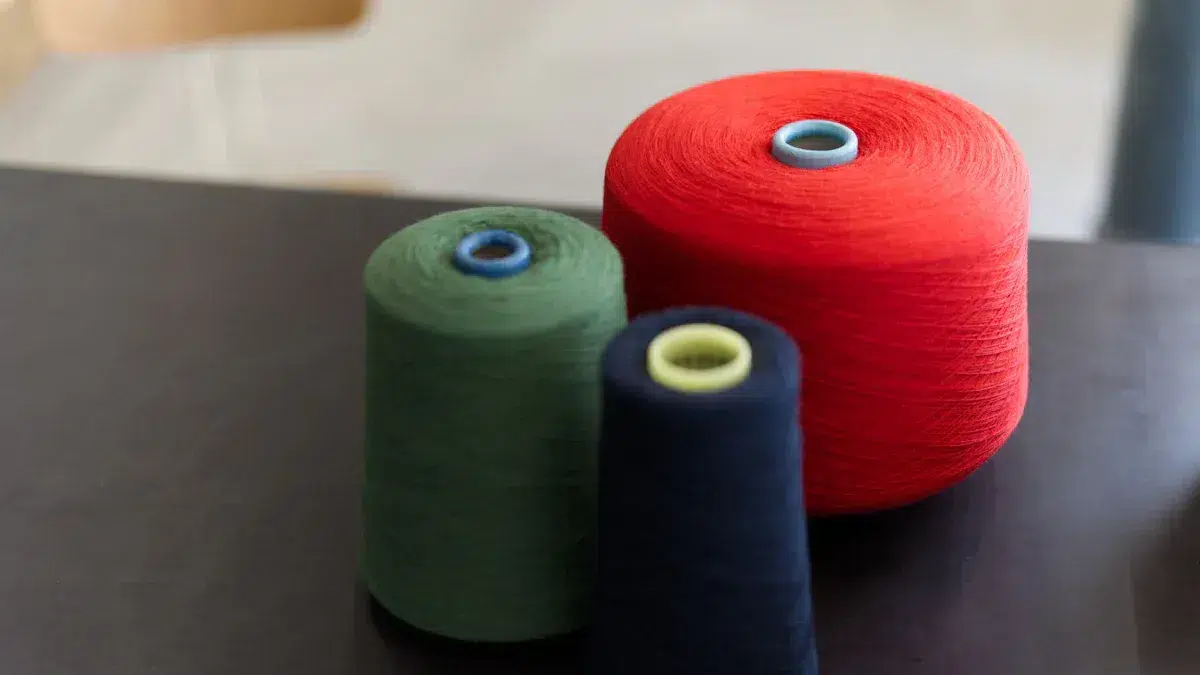
More and more designers are choosing organic cotton flannel fabric to create sustainable clothing. This fabric not only helps protect the environment but also meets the needs of environmentally conscious consumers. Recent market data shows that 70% of consumers choose certified organic cotton and sustainable products. Organic cotton flannel fabric is comfortable, breathable, and durable. You can use it to create organic, sustainable clothing, improve garment performance, and support ethical production methods. The many advantages of organic cotton flannel fabric make it a smart choice for those who value organic and sustainable fashion.
Key Takeaways
- Organic cotton flannel fabric supports environmental protection by reducing harmful chemicals in agricultural production and conserving water.
- This comfortable, breathable, and durable fabric is ideal for creating long-lasting everyday clothing.
- Choosing organic cotton helps provide workers with safer working conditions and fairer trade treatment.
- Certifications such as GOTS and OEKO-TEX ensure that the fabric is truly organic and produced responsibly.
- Using organic cotton French terry fabric, designers can create stylish and environmentally friendly collections that meet growing consumer demands.
Environmental Benefits of Organic Cotton French Terry Fabric

Sustainability Through Reduced Chemical Use
Choosing organic cotton flannel fabric is contributing to environmental protection. Organic cotton is grown using natural methods, not synthetic pesticides and fertilizers. This approach supports sustainability and protects ecosystems. Here are some ways organic cotton farming reduces chemical inputs:
- No synthetic pesticides or fertilizers are used in the growth of organic cotton.
- Farmers use crop rotation, companion planting, and natural predators to control pests.
- Compost and manure improve soil, replacing chemical fertilizers.
- These environmentally friendly practices reduce pollution in soil, water, and air.
- Farmers and consumers face fewer health risks from harmful chemicals.
- Sustainable practices in organic cotton fabric production have a positive environmental impact.
A review of scientific research shows that the environmental impact per unit area of organic cotton farming is lower than that of conventional cotton farming. This is because organic cotton uses fewer pesticides and fertilizers. The Good Cotton Initiative found that farmers adopting improved farming methods reduced pesticide use by 47% and fertilizer use by 39%. These changes also increase farmers’ incomes and contribute to biodiversity conservation.
Water Conservation and Soil Health with Organic Cotton
Organic cotton farming helps save water and keeps soil healthy. You support water conservation when you pick organic cotton fabric for your designs. The following table shows how much water is used to produce one kilogram of cotton:
| Cotton Type | Water Use (litres/kg) | Water Use Reduction Compared to Conventional |
|---|---|---|
| Conventional Cotton | 5,156 | N/A |
| Fairtrade Organic Cotton | 4,410 | 14% less water used |
Organic cotton farming uses less water than conventional methods, making it an eco-friendly and sustainable approach. Scientific research shows that organic cotton farming improves soil health. Farmers use organic amendments such as compost, manure, and biochar, which increase soil organic matter, nitrogen, phosphorus, and potassium levels. Conservation tillage helps the soil retain more moisture and nutrients. These practices promote crop growth while protecting biodiversity.
- Reducing tillage and using cover crops can improve soil health and increase profitability.
- Cover crops help water infiltrate the soil and reduce runoff.
- Healthy soils can store more carbon, which is beneficial to the environment.
- These sustainable farming practices can reduce costs and often increase yields.
Lower Carbon Footprint and Biodegradability
You lower your carbon footprint when you use organic cotton french terry fabric. Organic cotton farming releases fewer greenhouse gases because it avoids synthetic fertilizers and pesticides. This supports sustainability and helps fight climate change. Organic cotton fabric also breaks down much faster than synthetic fabrics. The table below compares biodegradability:
| Fabric Type | Biodegradability Duration |
|---|---|
| Organic Cotton (natural cellulose fiber) | Approximately 6 months |
| Synthetic Polyester (PET) | Over 200 years (non-biodegradable) |
Organic cotton french terry fabric returns to the earth in about six months. Polyester and other synthetic fabrics can last for centuries. By choosing organic cotton, you support a sustainable and eco-friendly future. You help protect the environment and promote eco-friendly practices in fashion.
Quality and Performance Benefits of Organic Cotton Fabric
Softness, Comfort, and Breathability
You experience a unique level of softness when you choose organic cotton french terry fabric. The natural fibers Choose organic cotton flannel fabric and experience a uniquely soft touch. The natural fibers of organic cotton provide a gentle, skin-friendly feel. This high-quality organic fabric is healthy, comfortable, and ideal for everyday wear. You’ll find organic cotton clothing lightweight and comfortable. The loop pile structure of flannel fabric allows air to circulate freely, keeping you cool and dry.
- Organic cotton fabric wicks away moisture without becoming damp.
- Flannel is more breathable than fleece, which can feel too hot.
- You’ll stay cool and comfortable during sports or leisure activities.
- The moisture-wicking properties of this fabric help regulate body temperature.
- Organic cotton is healthy, comfortable, and especially suitable for sensitive skin.
This fabric combines comfort and functionality, making it a favorite among sustainable fashion enthusiasts.
Durability and Longevity of Organic Cotton French Terry
You want your clothing to last. Organic cotton french terry fabric offers superior durability because of its You certainly want your clothes to last. Organic cotton flannel fabric features a unique terry knit construction for exceptional durability. The loops on the inside and the smooth surface on the outside help the fabric resist pilling and maintain its shape even after multiple washes. Organic cotton fabric is recommended for gentle machine washing and air drying to retain its softness.
- This fabric can withstand pulling, twisting, and tugging.
- It’s more abrasion-resistant than most cotton fabrics.
- Each piece is made with premium, durable fabric.
- Even after repeated washing, this fabric retains its shape.
- Proper care helps maintain the quality of organic cotton garments.
You’ll get durable clothing that supports sustainable fashion and reduces waste.
Versatility for Sustainable Fashion Designs
Using organic cotton flannel fabric in your designs gives you a wide range of options. Its looped nap and smooth surface make it suitable for all seasons. You can create sportswear, loungewear, and casual fashion pieces.
- Its moisture-wicking properties keep your skin dry during exercise.
- This fabric is ideal for gym wear, yoga wear, and stylish everyday clothing.
- Organic cotton supports sustainable fashion by reducing its environmental impact.
- Designers use organic cotton blends to create flannel, fleece, and velvet styles.
- Organic cotton clothing is comfortable, durable, and environmentally friendly—you can trust it.
This fabric combines style, comfort, and sustainability, allowing you to enjoy its many benefits. Organic cotton flannel fabric helps you create an eco-friendly collection.
Ethical and Social Benefits of Organic Cotton French Terry Fabric
Safer Working Conditions and Fair Trade
You support safer working conditions when you choose organic cotton french terry fabric. Organic cotton farming avoids synthetic pesticides, herbicides, and genetically modified seeds. Workers face less exposure to Choosing organic cotton flannel fabric supports a safer working environment. Organic cotton farming avoids the use of synthetic pesticides, herbicides, and genetically modified seeds, reducing workers’ exposure to harmful chemicals. This contributes to a healthier ecosystem and a safer workplace. In conventional cotton production, workers are frequently exposed to toxic pesticides that can cause serious health problems. Organic cotton farming follows strict federal regulations that limit the use of hazardous chemicals. Plantations that produce organic cotton flannel fabric typically adhere to Fair Trade standards. These standards protect workers’ rights and ensure they receive fair treatment.
- Fair Trade plants pay fair wages.
- Employees enjoy safe working conditions.
- Legal working hours are respected.
- Employees enjoy medical and social benefits.
- Free childcare is provided.
- All jobs are local, full-time, and sustainable.
- Profits are used to fund education, healthcare, and social programs.
Supporting fair trade and ethical agriculture helps create a better life for workers and their families.
Community Development and Transparency
Choosing organic cotton allows you to make a difference in your local community. Supply chain transparency lets you know where your fabric comes from. Projects like RESET demonstrate how transparency benefits farmers and their communities. Farmers gain access to organic seeds and training in ethical farming practices. These measures increase crop yields and incomes. Women gain new opportunities, and communities become stronger. You can trace the cotton back to its specific farm. This ensures farmers receive a premium and adopt sustainable farming methods. Supply chain transparency protects farmers’ health and promotes community well-being.
Tip: When you select organic cotton, you support community development and empower farmers.
Traceability in the Organic Cotton Supply Chain
Thanks to traceability systems, you can trust the origin of your organic cotton flannel fabric. Certifications such as the Global Organic Textile Standard (GOTS) cover every step from farm to finished product. GOTS requires all processing stages to meet stringent environmental and social standards. Independent inspection and trading certificates verify compliance. These systems differentiate organic from non-organic materials, preventing contamination. Other certifications, such as the Organic Content Standard (OCS) and Regenagri, also support traceability and ethical agricultural production. You can be confident that your fabric meets high standards of organic content and responsible production.
| Certification | Focus Area | Benefit |
|---|---|---|
| GOTS | Full supply chain | Ensures organic status and ethical practices |
| OCS | Organic content | Verifies no harmful pesticides or GMOs |
| Regenagri | Regenerative farming | Promotes soil health and ecosystem restoration |
You help protect the environment and support ethical farming when you choose certified organic cotton.
Practical Guide to Sourcing Organic Cotton French Terry Fabric

Identifying Certified Organic Cotton Fabric
You want to make sure your fabric is truly organic cotton. Look for trusted certifications when you source organic You need to ensure that the fabric you purchase is genuine organic cotton. When choosing organic cotton products, look for authoritative certifications. These certifications indicate that the fabric meets stringent safety and environmental standards.
- GOTS (Global Organic Textile Standard)
- OEKO-Tex Certification
GOTS certification covers every step from planting to production. It requires at least 70% of the fiber to be certified organic for recognition, while the “organic” label requires 95% certified organic. The OEKO-Tex Standard 100 tests for over 100 harmful chemicals in fabrics, dyes, and finishing agents. Recycled Organic Certified® cotton goes further, supporting soil health, biodiversity, and holistic agriculture. This certification means your cotton is traceable and grown without the use of harmful chemicals.
Recommended Suppliers and Brands, Including Suerte
When looking for high-quality organic cotton products, you have many options. Original Favorites offers French terry fabric made from 100% certified organic cotton. Their supply chain is third-party verified, and all dyes meet OEKO-Tex 100 standards. Wazoodlefabrics offers ProECO® organic cotton silver French terry fabric. This fabric is made in the USA using environmentally friendly yarns and meets stringent safety standards. It is soft, highly absorbent, and durable.
Suerte Textile distinguishes itself with over 14 years of experience in French terry fabrics. Suerte offers a variety of blends and focuses on sustainability. You can get quick sample verification, design support, and assistance with fabric selection. Suerte uses a waterless dyeing process and sources cotton from regenerative agriculture suppliers. This helps you create stylish and eco-friendly garments.
Verifying Authenticity and Certifications
When purchasing organic cotton products, always check for certifications. Look for the GOTS label, which ensures that the fabric you buy is made from organic fibers and produced ethically. OEKO-Tex Standard 100 certification also helps confirm that the fabric does not contain any harmful substances. These certifications assure you that the organic cotton flannel fabric you purchase is safe and reliable.
Tip: Always ask suppliers for certification documents before you place an order. This step protects your brand and your customers.
Choosing organic cotton flannel fabric for sustainable clothing offers numerous significant advantages. The table below illustrates how safer materials, healthier farming practices, and high-quality fabrics can benefit you.
| Benefit Category | Designer Advantage |
|---|---|
| Reduced Chemical Exposure | Safer, cleaner fabric |
| Durability and Longevity | Longer-lasting sustainable clothing |
| High-Quality Fabric | Softer, breathable garments |
Choosing eco-friendly fabrics like organic cotton flannel helps build a strong brand image. You meet consumer demand for comfortable and stylish sportswear and everyday wear while supporting ethical production methods, thus enhancing your reputation among sustainability-conscious consumers.
- French terry cloth is versatile and suitable for various styles, from sweatpants to blazers.
- Certifications such as GOTS and OEKO-TEX demonstrate your commitment to sustainable clothing.
Tip: Now is the time to embrace organic cotton French terry fabric and lead the way in sustainable fashion.
FAQ
What makes organic cotton French terry fabric eco-friendly?
You choose organic cotton French terry fabric because farmers grow it without harmful chemicals. This method protects the soil and water. The fabric also breaks down naturally, so it does not pollute the environment.
How can you verify if your fabric is truly organic?
You should check for certifications like GOTS or OEKO-TEX. These labels show that the fabric meets strict organic and safety standards. Always ask your supplier for official certification documents.
What are the best ways to care for organic cotton French terry?
You can keep your fabric soft and long-lasting by washing it in cold water and air drying. Avoid bleach and harsh detergents. Gentle care helps the fabric stay comfortable and strong.
Tip: Turn your garments inside out before washing to reduce wear on the surface.
Which types of clothing work well with organic cotton French terry?
You can use organic cotton French terry for many items. Here is a quick guide:
| Clothing Type | Suitability |
|---|---|
| Sweatshirts | Excellent |
| Joggers | Excellent |
| Hoodies | Excellent |
| Dresses | Good |
| Shorts | Good |