Custom-made knitted fabrics offer exceptional elasticity, comfort, and breathability. This versatility makes them ideal for both high-performance sportswear and stylish everyday wear. Designers create unique garments by selecting the right knitted fabric fibers, from soft cotton to durable polyester. Custom printing and finishing processes can transform an ordinary knitwear piece into a striking garment. The market for personalized apparel is expanding significantly, reflecting a growing demand for unique clothing.
| Source | Market Size (2025) | Market Size (2029/2033) | CAGR (2024-2029/2033) |
|---|---|---|---|
| Technavio | N/A | USD 2.45 billion increase | 8.4% |
| Proficient Market Insights | $54.9 billion | $100.8 billion (by 2033) | 7.8% |
| Business Research Insights | $57.55 billion | $145.94 billion (by 2033) | 10.9% |
Key Takeaways
- Choose the right knit fabric for your project. Cotton is comfortable and breathable, polyester is suitable for sportswear, and blends are versatile.
- Understanding fabric characteristics such as weight, elasticity, and drape will help you design garments that are both beautiful and comfortable.
- Knit fabrics are stretchy and breathable, making them ideal for sportswear. They are also a popular choice for everyday wear due to their comfort.
- Designers use knit fabrics in a wide variety of garments, from simple T-shirts and elegant dresses to sophisticated high fashion.
The Foundation of Quality: Choosing Your Custom Jersey Fabric
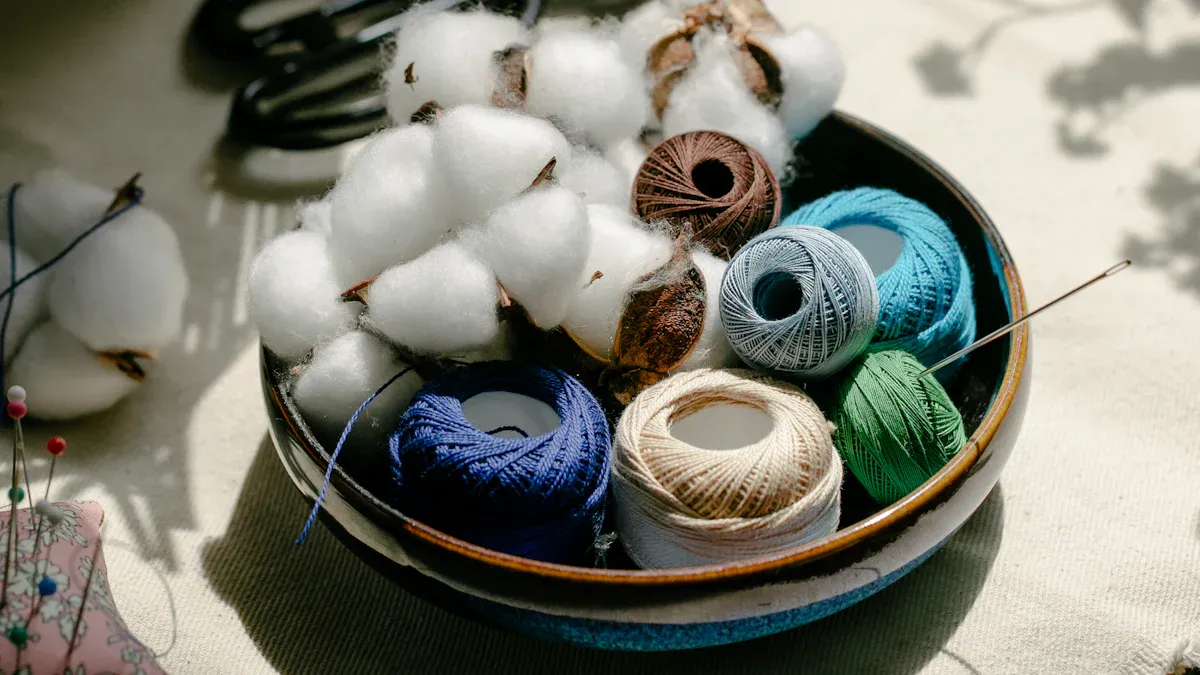
Selecting the right custom jersey fabric is the first step toward a successful project. The fiber content directly impacts the garment’s comfort, performance, and appearance. A spotlight on quality materials ensures the final product meets design expectations. Each type of jersey offers unique benefits for specific applications.
Cotton Jersey for Breathable Comfort
Cotton jersey is celebrated for its softness and lightweight breathability. This natural fiber provides excellent all-day comfort, making it a top choice for casual wear and loungewear. Designers often choose organic cotton for eco-friendly jersey fabrics. This choice delivers superior quality and supports sustainable practices.
Organic cotton farming offers significant environmental advantages:
Compared to traditional farming methods, it saves 91% of water and 62% of energy consumption.
It eliminates the use of toxic pesticides and genetically modified seeds, thus protecting soil and water resources.
The process promotes biodiversity and reduces carbon emissions.
Polyester Jersey for Performance and Durability
Polyester knitted fabric is the industry standard for high-performance sportswear. Its hydrophobic properties allow it to effectively repel moisture and wick sweat away quickly from the skin for rapid evaporation. This moisture-wicking property keeps athletes dry and comfortable. The unparalleled durability of polyester knitted fabric ensures it can withstand high-intensity activity. This characteristic makes polyester knitted fabric a reliable choice for those seeking superior performance. For brands focused on sustainability, recycled polyester knitted fabric offers an environmentally friendly alternative, reflecting a commitment to quality and responsible sourcing. The performance of polyester knitted fabric remains consistently excellent. The quality of this knitted garment fabric is key to high-performance apparel.
Rayon and Modal Jersey for Elegant Drape
Rayon and Modal are semi-synthetic fibers derived from wood pulp, usually from Beech trees. The production process transforms the pulp into a viscous, honey-like solution that is then spun into soft filaments. This jersey clothing fabric is known for its fluid, elegant drape and silky-smooth feel. The resulting jersey has a luxurious quality that elevates simple silhouettes into chic fashion pieces. The comfort and performance of this fabric make it ideal for dresses, blouses, and stylish tops where flow and movement are essential to the design. The quality of the drape defines its appeal.
Blended Jersey for All-Around Versatility
Blended knit fabrics combine the advantages of different fibers, showcasing unparalleled versatility. This process creates high-performance, premium fabrics. Designers choose the right blend ratio to achieve a perfect balance between comfort, durability, and performance. The final quality of the fabric depends on the precise proportions of the fibers used.
Cotton-polyester blended knit fabrics are a prime example of this synergistic effect. Cotton is soft and breathable, ensuring comfortable wear; polyester provides strength, wrinkle resistance, and durability. This blended fabric is of excellent quality, easy to care for, and resistant to deformation. A 50/50 blend perfectly balances comfort and resilience.
Designers can choose different blend ratios to suit specific needs. Each combination has unique advantages, ultimately creating custom-made knit fabrics with superior performance. These fabrics consistently maintain a high level of quality.
Many other fiber combinations also have their own unique characteristics. The quality of each blended fabric is designed for a specific purpose.
- Cotton-polyester blend: Combining the comfort of cotton with the durability of polyester, creating a stretchy, easy-care knit fabric. Wool-Synthetic Blend: Combining the natural warmth of wool with the strength of synthetic fibers, this creates a high-quality sportswear fabric.
- Rayet Blend: Blended with cotton or polyester, this adds a silky feel and improves drape. Some rayon fabrics are also more environmentally friendly.
- Spandex Blend: Incorporating elastic fibers into fibers such as cotton or wool enhances the fabric’s flexibility and comfort, resulting in a better fit. The quality of the elastic fibers is crucial.
Key Properties for Creative Design
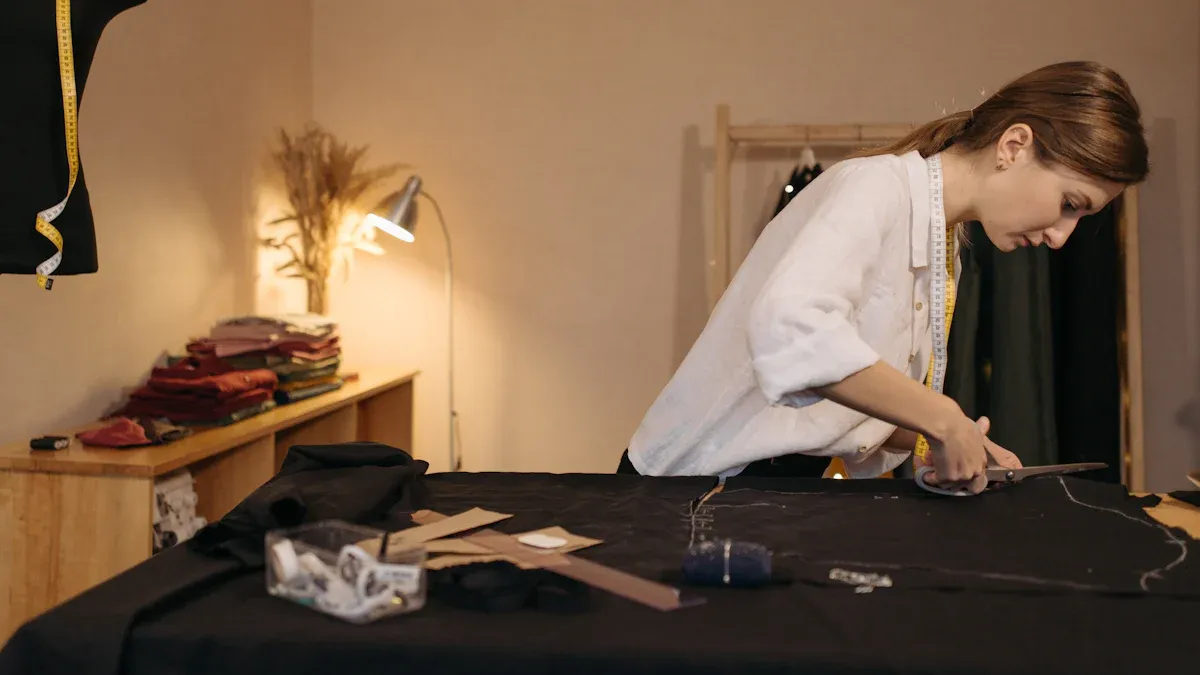
Understanding a fabric’s core properties is essential for successful design. Fabric weight, stretch, and drape work together to determine a garment’s final look, feel, and function. Designers manipulate these characteristics to achieve their creative vision.
Fabric Weight (GSM) for Structure and Flow
The weight of a fabric (measured in grams per square meter (GSM)) directly affects the structure of a garment. A higher GSM value indicates a thicker, denser fabric; a lower GSM value indicates a lighter, thinner fabric. Lightweight knit fabrics have a strong drape and can create a soft silhouette, while heavier knit fabrics have a more structured look. Therefore, lightweight fabrics are more suitable for flowing garments, while heavier fabrics are more suitable for fitted garments.
Note: A lightweight fabric is not always the most delicate. The fiber content and knit structure also play a crucial role in the final texture and durability. A lightweight jersey can be both soft and resilient.
| GSM Range | Characteristics | Ideal Garment Types |
|---|---|---|
| Lightweight (1–150 GSM) | High drape, soft, fluid, delicate | Flowy dresses, lightweight tops |
| Medium-weight (150–250 GSM) | Balanced structure and flow | Everyday T-shirts, loungewear |
| Heavyweight (250+ GSM) | Low drape, structured, durable | Jackets, structured pants |
2-Way vs. 4-Way Stretch for Fit and Function
Knitted fabrics are renowned for their elasticity. The type of elasticity determines the fit and comfort of a garment.
- Two-way stretch: This fabric stretches in one direction, typically from selvage to selvage (lateral). It’s suitable for looser garments, such as T-shirts. Limited elasticity provides a relaxed wearing experience.
- Four-way stretch: This fabric boasts exceptional elasticity. It can stretch both laterally and longitudinally. This multi-directional stretch offers maximum freedom of movement. This characteristic makes it ideal for close-fitting sportswear, as sportswear requires ample range of motion. Excellent elastic recovery helps the garment maintain its shape.
Choosing the right stretch is key for function. A design requiring tight fit needs 4-way stretch, while a casual top works well with 2-way stretch.
Mastering Drape for Silhouette and Style
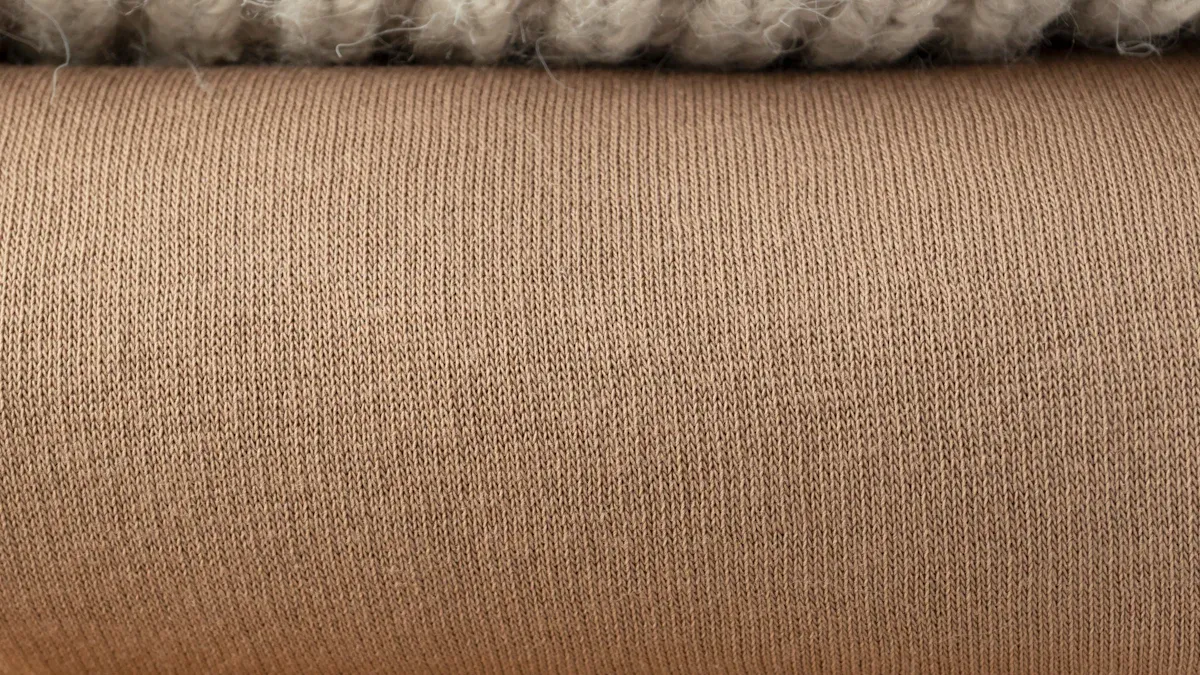
Drape refers to the way a fabric drapes. Compared to the crisp texture of woven cotton, knitted fabrics are naturally flowing and have excellent drape. Fibers such as rayon further enhance this characteristic, creating an elegant and silky movement. This makes knitted fabrics an ideal choice for creating designs with soft, flowing lines.
The smooth drape of knitted fabrics can elevate a variety of fashionable silhouettes. Designers use this characteristic to create:
- A fitted, slimming, asymmetrical draped top.
- A midi dress with a beautifully draped shoulder line.
- A mini dress with exquisite details and a balanced silhouette.
These examples show how a lightweight jersey’s drape can produce both functional and elegant garments.
The Versatility of Jersey in Sportswear and Athleisure
Knitted fabrics combine elasticity, breathability, and moisture-wicking properties, making them ideal for sportswear. They are versatile, suitable for both elite competitive sports and everyday wear. Designers leverage these characteristics to create highly functional, stylish, and high-performance garments.
High-Performance Custom Athletic Wear
Custom jersey is the foundation of modern performance sportswear. Its ability to manage moisture and allow freedom of movement gives athletes a competitive edge. For sports like basketball and soccer, fabric choice is critical. Polyester offers excellent durability and moisture-wicking for professional games. Mesh provides maximum ventilation for summer leagues. Nylon delivers superior toughness for gear that endures rough play.
| Performance Factor | Polyester | Mesh | Nylon |
|---|---|---|---|
| Weight | Extremely lightweight | Lightest option | Medium weight |
| Breathability | Very good | Excellent | Moderate |
| Moisture Management | Excellent moisture-wicking | Excellent sweat evaporation | Moderate moisture control |
| Durability | High durability | Moderate durability | High durability |
| Shape Retention | Good | Moderate | Excellent |
| Temperature Control | Effective cooling | Maximum ventilation | Moderate temperature regulation |
| Best Usage | Professional games | Summer leagues and outdoor play | Repetitive washing and rough play conditions |
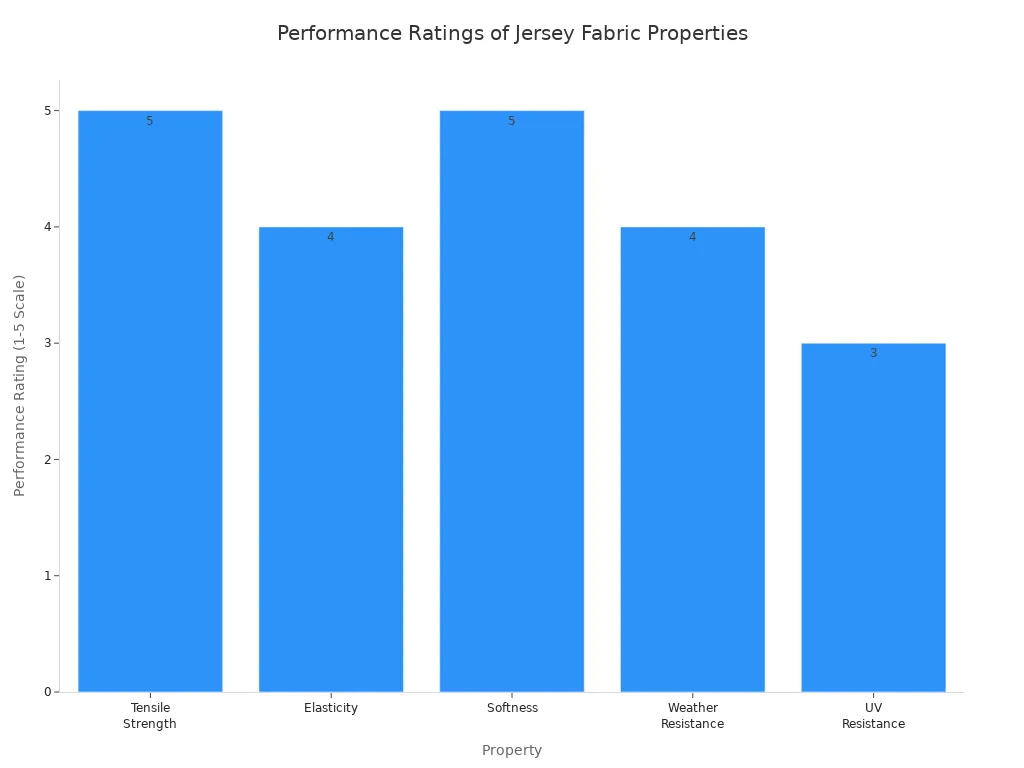
Technological advancements are constantly improving the performance of sportswear. These innovations have pushed the performance limits of elastic sportswear. Modern textiles now incorporate high-performance athletic properties that were previously unimaginable.
- Intelligent Moisture Management: Smart textiles adapt to an athlete’s body, using phase change materials for cooling and bioengineered microfibers to disperse sweat.
- Advanced Antimicrobial Finishes: Silver ion infusion and bio-based treatments combat odor-causing bacteria, keeping activewear fresh.
- Performance-Boosting Compression: Graduated compression and shape-memory fibers improve muscle support and accelerate recovery.
- Sustainable Bioengineered Fabrics: Eco-friendly options like recycled polyester and algae-derived textiles offer top-tier performance with a lower environmental impact.
- Integrated Sensor Technology: Conductive yarns and flexible sensors embedded in fabric provide real-time biometric data for performance tracking.
The Rise of Athleisure Fashion
The athleisure trend perfectly blends athletic performance with everyday fashion, leading the trend in the apparel industry. This style emphasizes comfort and versatility, allowing wearers to easily transition from the gym to casual social occasions. The global popularity of athletic performance reflects modern people’s dual pursuit of functionality and aesthetics. The booming sports market is expanding rapidly. It is projected to reach $731.8 billion to $941.65 billion by the early 2030s, maintaining a strong compound annual growth rate.
This prosperity has spurred continuous innovation from major brands. Sportswear giants such as Nike and Puma have successfully launched dedicated athleisure lines, transforming professional sportswear into mainstream fashion items. At the heart of this trend lies high-quality knitted fabrics. Their softness, elasticity, and breathability make them ideal for creating essential athleisure pieces—leggings and jogging pants. The demand for sportswear that combines comfort and style continues to drive the development of the athleisure trend.
Specialty Knits: Piqué and Mesh Jersey
Besides standard knit fabrics, specialty knit fabrics like piqué and mesh offer unique textures and functional advantages to sportswear. While both are knit fabrics, their construction creates significant differences in performance and appearance.
Pique knit fabrics feature a richly textured open-knit structure, often with geometric patterns such as honeycomb or waffles. Standard knit fabrics, on the other hand, have a tighter, smoother weave, similar to a classic t-shirt. This tighter structure makes the knit fabric softer and more suitable for intricate printing.
Pique fabric is a popular choice for golf shirts, tennis apparel, and polo shirts. Its textured surface provides excellent breathability and durability. Cotton piqué is commonly used for golf shirts, while polyester piqué offers the quick-drying properties required for team jerseys and sportswear.
Mesh knit fabrics are characterized by their open-mesh structure, providing maximum airflow and breathability. This makes them ideal for high-intensity sportswear, where heat dissipation is crucial.
- Polyester mesh: Widely used in basketball apparel, athletic shorts, and outdoor clothing.
- Nylon mesh: Durable, ideal for protective gear and gear bags.
- High-strength mesh: A special nylon blend fabric that provides compression and support, perfect for sports bras and shapewear.
Designers can select the right fabric from different knit fabrics to adjust the performance of clothing for specific sports, balancing breathability, texture, and aesthetics.
Pushing Boundaries: Jersey in Everyday and High Fashion
Knitted fabrics have applications far beyond sportswear, holding a place in both everyday wardrobes and high fashion collections. Their unique blend of comfort and elegance allows designers to create a wide variety of garments. The fabric’s superior performance makes it a must-have in the modern wardrobe. Its exceptional versatility is key to its widespread popularity in the fashion world.
The Perfect Custom T-Shirt and Loungewear
The custom T-shirt is a cornerstone of any casual wardrobe. Jersey is the premier material for this essential garment. Its softness and breathability provide exceptional all-day comfort. Designers select specific jersey blends to achieve the desired performance and feel. A cotton jersey offers a classic, soft touch perfect for casual wear. A cotton-polyester blend improves durability and shape retention, creating a T-shirt with reliable performance.
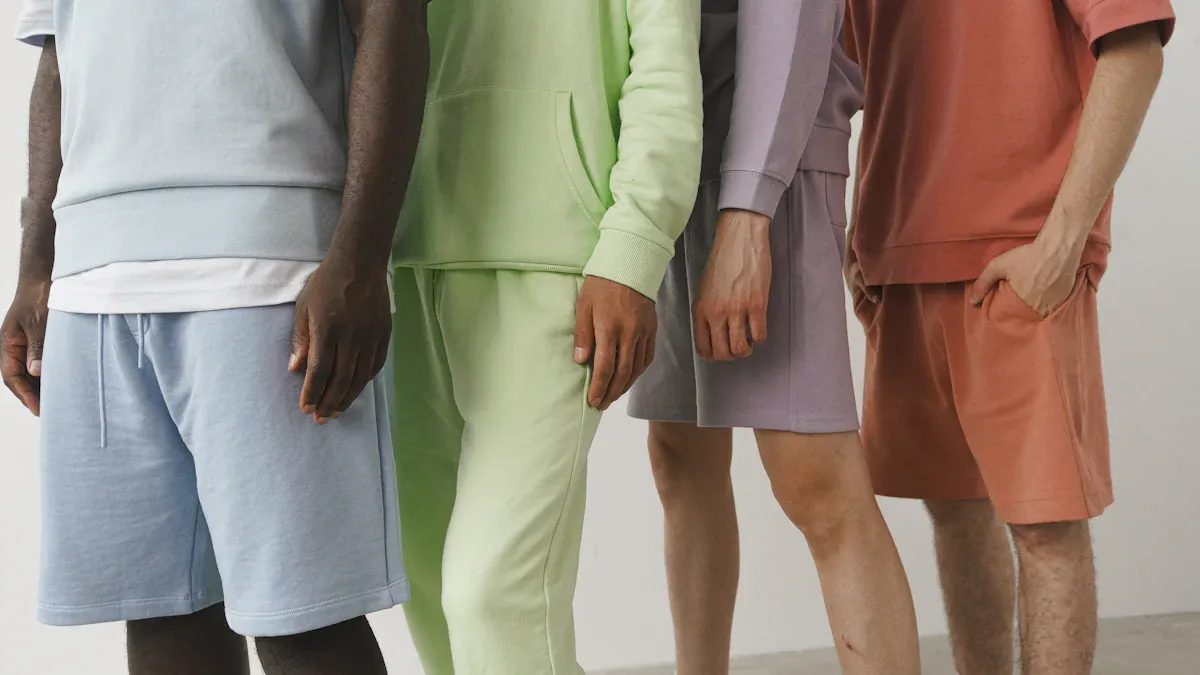
Loungewear also relies heavily on jersey for its superior comfort. The fabric’s gentle stretch moves with the body, making it ideal for relaxed-fit joggers, hoodies, and sleepwear. The right jersey selection elevates simple loungewear into a luxurious experience. This focus on high-quality materials transforms a casual wardrobe. The performance of the fabric ensures these pieces last. This makes jersey a smart choice for a functional and comfortable wardrobe. The goal is to create casual pieces with excellent performance.
Tip: For premium loungewear, a modal or rayon blend offers a silky feel and beautiful drape. This choice adds a touch of elegance to a casual wardrobe, enhancing both comfort and style. The performance of these blends is outstanding.
Designing Chic Dresses and Skirts
The exceptional versatility of knitted fabrics in design is fully demonstrated in the creation of dresses and skirts. The natural drape of this fabric allows it to flow elegantly, creating beautiful silhouettes for various body types. This characteristic makes knitted fabrics ideal for both casual and semi-formal occasions. Lightweight knitted fabrics create soft, flowing lines, perfect for summer dresses. Heavier knitted fabrics, on the other hand, offer more structure and are suitable for fitted pencil skirts or A-line dresses. This fully showcases the superior performance of knitted fabrics.
Designers use jersey to craft pieces that are fundamental to building a versatile wardrobe. A simple jersey dress can be styled for a casual daytime look or dressed up for an evening event. This adaptability makes it an invaluable part of any fashion collection. The comfort of jersey ensures these stylish pieces are also easy to wear. This combination of style and performance is why jersey remains a popular choice. The casual elegance of a jersey dress is timeless. A well-made jersey garment enhances any wardrobe. The performance of the fabric is a key consideration.
| Fabric Property | Effect on Dresses & Skirts | Best For |
|---|---|---|
| Drape | Creates fluid, elegant lines that flatter the figure. | Flowy maxi dresses, wrap skirts. |
| Stretch | Provides a comfortable, body-hugging fit without restriction. | Fitted midi dresses, pencil skirts. |
| Weight | Determines the garment’s structure and silhouette. | Lightweight for casual, heavyweight for structure. |
Innovative Fashion with Draped and Printed Jersey
In high fashion, designers push the creative limits of jersey. They use its fluid drape and stretch to construct innovative and sculptural garments. The fabric becomes a canvas for artistic expression, moving beyond its reputation for casual comfort. This jersey clothing fabric allows for avant-garde shapes and complex draping that rigid materials cannot achieve. The performance of the material is central to these advanced fashion applications.
Digital printing transforms jersey into a statement piece. Designers can apply intricate, non-circular patterns and vibrant colors to create unique visual effects. This technology gives them complete control over the final look, turning a simple garment into wearable art. The combination of custom prints and expert draping showcases the highest level of fashion design. High-fashion designers often leverage jersey’s unique properties to realize their vision.
- Zoe Gustavia and Anna Whalen created the spiral silhouette using a soft, draping knit fabric. She noted that the fabric’s smooth texture and durability influenced its drape, highlighting its unique performance characteristics.
- Shan Huq opted for a flowing white knit fabric, inspired by Marilyn Monroe’s iconic dress. The fabric’s drape perfectly complemented the garment’s shape, showcasing its exceptional performance in the fashion world.
These examples demonstrate how jersey is a medium for innovation. Its performance and aesthetic qualities make it essential for designers exploring new frontiers in fashion. This fabric is a staple in any forward-thinking wardrobe.
The versatility of custom knitted fabrics unlocks endless creative possibilities, ranging from high-quality sportswear to innovative fashion. The success of a project hinges on perfectly aligning the characteristics of the knitted fabric (such as elasticity and weight) with the creative vision. Partnering with a one-stop service provider like Suerte can bring your knitted fabric ideas to life, handling everything from pattern design to fast, cost-effective production. Designers can begin by selecting the perfect custom knitted fabric, exploring its limitless potential, and launching their next project.
FAQ
What is the most important factor when choosing a jersey fabric?
A project’s end use is the most critical factor. Designers select cotton for comfort in casual wear. They choose polyester for its moisture-wicking performance in sportswear. The final application dictates the ideal fiber choice for achieving the desired look, feel, and function.
How does fabric weight (GSM) affect a garment’s design?
Fabric weight (GSM) determines a garment’s structure and drape. A lightweight jersey with a low GSM creates a fluid, flowing silhouette. A heavyweight jersey with a high GSM offers more structure, making it ideal for tailored designs like jackets or structured pants.
Can complex patterns be printed on jersey fabric?
Yes, modern digital printing allows for highly complex designs. This technology solves issues like color difference control and printing non-circular patterns. It enables brands to create unique, vibrant garments with precision, turning a simple fabric into a statement piece.
What are the benefits of a one-stop fabric service?
A one-stop service streamlines the entire customization process. It covers pattern design, fabric selection, and production optimization. This approach offers quick sample verification and cost-effective solutions, helping brands seize market opportunities efficiently and reduce decision-making risks.