Thick knit fabrics define modern clothing with their unique versatility. This fabric combines softness, durability, and crispness, delivering exceptional comfort. These characteristics make it a top choice for both sportswear and everyday fashion.
Knit fabrics excel at creating garments that are both stylish and comfortable, successfully blending sportswear with fashionable attire.
The resulting must-have pieces elevate modern style while maintaining softness and all-day comfort.
Key Takeaways
- Thick knit jersey fabrics combine softness, strength, and shape retention, making garments both comfortable and stylish.
- This fabric is elastic and resistant to deformation, making it ideal for both sportswear and everyday wear.
- Thick knit fabrics help create modern garments that are both stylish and comfortable, even suitable for the workplace.
- When purchasing thick knit garments, check the fabric weight (GSM) and workmanship.
- Thick knit garments should be washed in cold water and then air-dried to maintain their pristine condition.
What Defines Thick Jersey Fabric?
Knitted fabric is more than just the material for making basic T-shirts. Its uniqueness lies in its special knitted structure. Understanding this structure reveals why this fabric is so popular in the modern fashion world.
Beyond the Basic T-Shirt: A Knit Construction Deep Dive
Jersey is a single-knit fabric. This means it is made with one set of needles. The process creates fine, vertical ribs on the front and horizontal loops on the back. This structure gives the fabric its signature softness and stretch. Thicker versions use heavier yarns or a denser knit, adding substance and durability to the material. This enhanced construction elevates the fabric beyond simple tops, making it suitable for more structured clothing. The result is a material that offers both form and function.
Key Construction Features:
- Single-Knit Weft: Creates a distinct front (v-shaped stitches) and back (loops).
- Natural Stretch: The looped structure allows the fabric to move with the body.
- Enhanced Softness: The smooth face of the knit provides a pleasant feel against the skin.
The Key Properties Fueling Its Adaptability
The unique construction of thick jersey fabric gives it several key properties. These qualities explain its incredible versatility in the fashion world. Designers choose this material for its ability to blend style with practicality, creating long-lasting clothing.
The primary properties include:
- Combining Structure and Comfort: It offers more structure than lightweight knit fabrics, allowing for garments that are both stylish and comfortable.
- Exceptional Elasticity and Recovery: The fabric boasts excellent elasticity and softness, moving with the wearer and returning to its original shape. This is crucial for both athletic and everyday wear.
- Durable: The high-density knit structure enhances the fabric’s strength. This durability ensures that garments retain their shape and quality after repeated wear and washing.
- Breathable and Soft: Knit fabrics are renowned for their softness and breathability. This combination provides all-day comfort, making it a top choice for premium knit fabrics.
The Rise of Jersey Apparel Fabric in Performance Wear
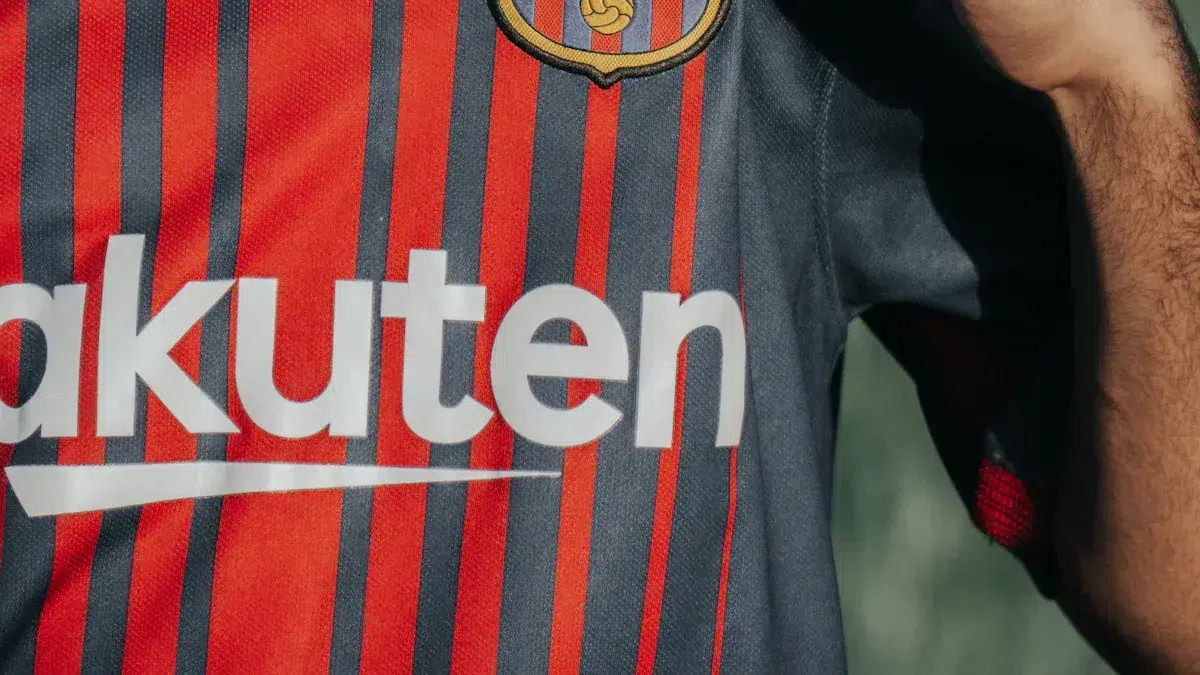
The evolution of jersey from a simple utility material to a high-performance textile marks a significant shift in athletic fashion. Its inherent properties make it the premier choice for modern activewear, where function and style must coexist. This fabric delivers the technical benefits required for intense activity while providing superior comfort.
Engineered for Movement: Leggings and Sports Tops
Thick knit fabrics are designed for dynamic movement. Their structure gives the garments exceptional elasticity and resilience, allowing them to conform to the body’s curves without restricting movement. This property is crucial for high-intensity sportswear such as compression pants and athletic tops. The tight knit structure makes them durable, able to withstand friction and repeated washing. Furthermore, synthetic knit blends offer excellent moisture-wicking properties. Unlike cotton fabrics, which dry slowly after absorbing sweat, these advanced fabrics quickly wick moisture away from the skin, keeping the wearer dry and comfortable.
The right fabric blend is critical to performance. For example, nylon and spandex blends are soft, comfortable, and resistant to sheen, making them ideal for compression pants; while polyester blends are more economical and offer comparable functionality.
This focus on technical performance ensures that the garments support optimal athletic performance.
| Garment | Composition | GSM | Key Benefit |
|---|---|---|---|
| Ladies’ Leggings | 88% nylon, 12% spandex | 280-290 | Premium softness and support |
| Sports Bra | 88% nylon, 12% spandex | 280-290 | Excellent flexibility and comfort |
| Seamless Apparel | 94% nylon, 6% elastane | 280 | Smooth finish for reduced chafing |
The Perfect Layer: Hoodies and Sweatshirts
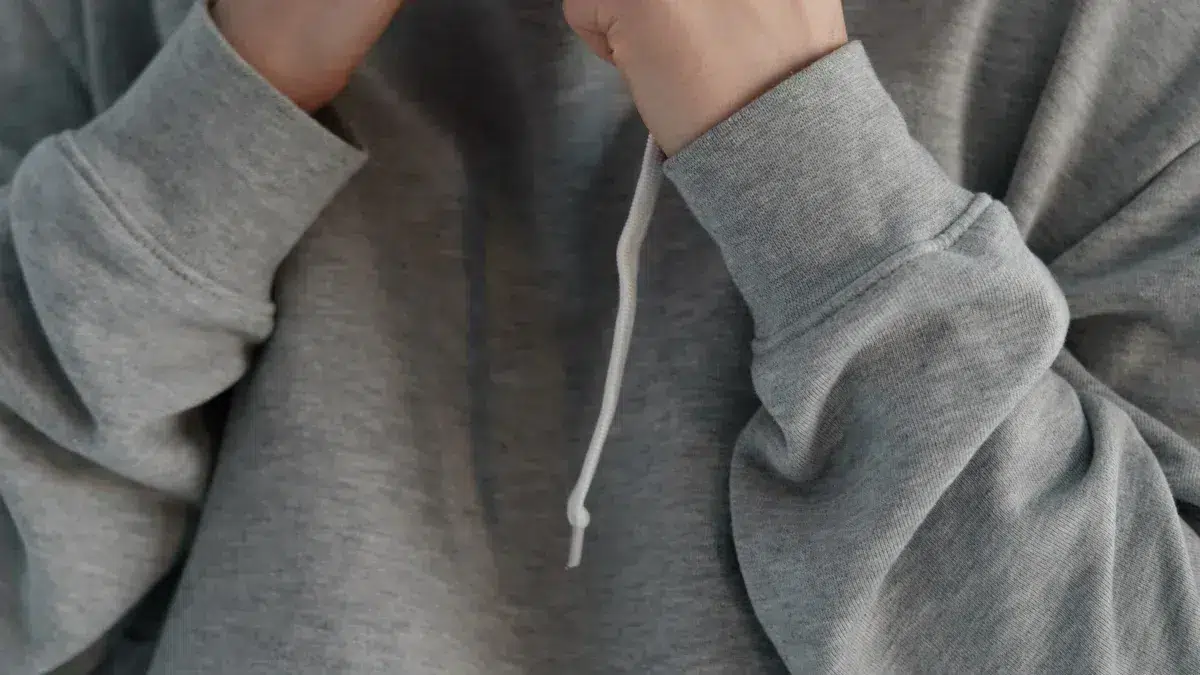
Thick knit fabrics are also ideal for layering items like hoodies and sweatshirts. Their evolution clearly demonstrates a trend towards both style and comfort. In the early 20th century, designers like Coco Chanel transformed knit fabrics from underwear into essential modern fashion items. This transformation paved the way for their application in sophisticated and practical clothing.
Today, thick knit fabrics are both warm and lightweight, making them ideal for wearing before and after exercise. The fabric’s structure creates a clean silhouette, while its inherent softness provides exceptional comfort. This combination of structure and softness elevates a simple sweatshirt to a stylish piece, perfectly blending athletic functionality with everyday wear. This knit fabric creates truly versatile garments.
How Thick Jersey Elevates Activewear and Everyday Fashion
The true power of thick jersey fabric lies in its ability to move seamlessly between different parts of life. It has become a cornerstone of the athleisure movement, a trend that merges athletic apparel with everyday style. This versatility allows a single garment to function perfectly at the gym, in the office, and on the street, redefining modern clothing.
From Gym Sessions to Street Style
The lines between sportswear and everyday fashion have become significantly blurred, giving rise to a booming athleisure market. This is not a fleeting trend, but a fundamental shift in consumer behavior. Market forecasts indicate that this market will continue to experience strong growth.
| Metric | Value |
|---|---|
| Projected Global Market Size by 2030 | USD 662.56 billion |
| Global CAGR (2024-2030) | 9.3% |
| North America Market Share (2023) | 40.8% |
Thick knit fabrics are at the heart of this trend. Their excellent drape and structured silhouette create a clean, streamlined, and slimming shape, exuding confidence whether on the street or at the gym. The fabric itself is soft and comfortable, perfect for all-day wear. This has also attracted the attention of the high fashion world, with designers incorporating this fabric into their runway collections.
- Koché
- Martine Rose
- Off-White
These brands demonstrate how to elevate knit fabrics to the level of high fashion. Fashionistas have also provided clear guidance for creating contemporary streetwear style.
Styling Tip: Pair a thick knit top with loose-fitting bottoms, such as sweatpants or wide-leg pants. Finish with a pair of chunky sneakers for a modern urban look. This combination highlights the knit top while creating a balanced and stylish silhouette.
Blurring the Lines Between Comfort and Professionalism
The demand for comfort has officially entered the workplace. Modern work environments are relaxing dress codes, and employees are now prioritizing comfortable yet appropriate attire. This shift is supported by compelling data.
A Lululemon survey found that a staggering 96% of respondents consider comfort the most important quality in clothing. Furthermore, eight out of ten said that wearing comfortable clothing makes them more productive. This pursuit of functional fashion is reshaping office attire.
Thick knit fabrics are ideal. They allow designers to create structured garments, such as blazers, trousers, and shirts, while retaining the soft comfort of a T-shirt. These knit fabrics not only give clothing a professional look but also provide unparalleled comfort, boosting the wearer’s confidence. This market segment is experiencing strong growth, with markets like Canada showing steady expansion.

This trend reflects a broader shift in lifestyles. With 54% of companies adopting a hybrid work model, the need for versatile clothing that can accommodate both working from home and in-person meetings is more urgent than ever. The fusion of sportswear and business attire is no longer a niche concept, but a mainstream trend in modern fashion.
Crafting Everyday Wardrobe Staples with Thick Jersey
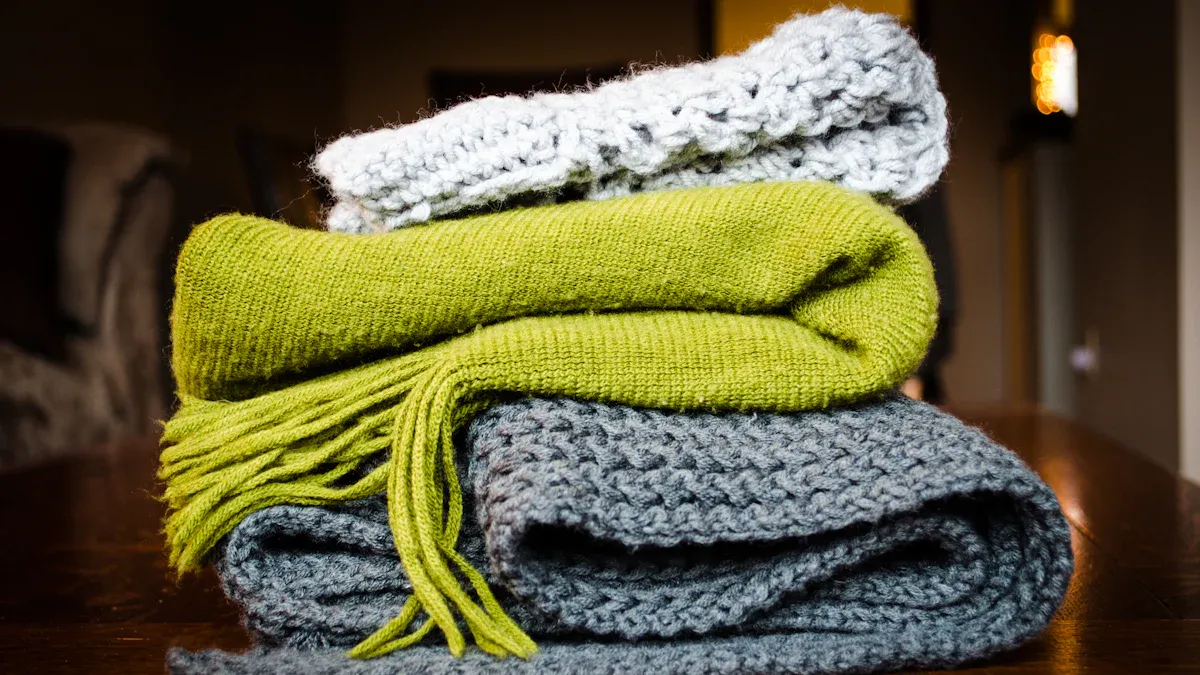
Thick jersey is a foundational material for building a modern wardrobe. Its unique properties allow designers to create versatile pieces that serve as everyday wardrobe staples. This fabric successfully combines a polished appearance with exceptional comfort, making it ideal for a wide range of clothing.
The Modern Dress and Skirt Silhouette
Designers use thick jersey to create dresses and skirts with beautiful drape and structure. The fabric’s weight allows it to hang gracefully, skimming the body without clinging. This creates a flattering silhouette that is both modern and easy to wear. The material’s inherent softness provides a luxurious feel, elevating the comfort of the clothing. This blend of style and ease makes jersey dresses and skirts a popular choice in contemporary fashion.
The structure of thick jersey prevents the pulling and twisting common in lighter knits. This ensures garments maintain their intended shape throughout the day for a consistently polished look.
Structured Comfort: Blazers, Trousers, and Tops
The true versatility of thick knit fabrics is most evident in structured garments. It offers a solution for creating clothing that is both comfortable and professional. Knit fabrics can be tailored to fit the body, providing a level of comfort unmatched by traditional woven fabrics. This innovation is changing expectations of work and everyday style.
This fabric is ideal for creating key pieces that combine structure and softness.
- Suit jackets: Offer a sharp silhouette while providing the comfort of a favorite sweater.
- Pants: Clean, flowing lines for all-day comfort.
- Blouse: Maintains its shape for a crisp, polished look.
These garments have become wardrobe staples, proving that professional attire can be incredibly comfortable.
A Buyer’s Guide to Quality Thick Jersey Garments
Choosing the right knitwear requires attention to detail. Understanding fabric characteristics and workmanship helps consumers purchase durable garments. This guide provides key indicators of quality knitwear.
What to Look For: Fabric Weight and Composition
Fabric weight, measured in grams per square meter (GSM), is a key indicator of fabric quality. This value directly affects the garment’s structure and drape. Higher weight, high-quality knit fabrics have a substantial feel and are less prone to deformation.
- Heavyweight fabrics (250-400+ g/m²): These fabrics create a crisp, structured silhouette. Streetwear and luxury fashion brands frequently use heavyweight knit fabrics because of their premium feel and durability.
- Medium weight (200-250 g/m²): Fabrics of this weight combine softness and drape with crispness, conforming to the body for a comfortable, relaxed fit, suitable for everyday wear.
Composition is also crucial. 100% cotton knit fabrics are breathable and soft. Blending with materials like polyester or spandex enhances elasticity, moisture-wicking properties, and durability. The appropriate blend ratio depends on the garment’s intended use.
Assessing Construction and Finish
A garment’s construction reveals its overall quality. Inspecting seams and finishes is essential for identifying a piece built to last. High-quality construction ensures a long life for any wardrobe addition.
A simple way to check the quality of stitches is through a light test. Hold the stitches up to a light source. If you see gaps or holes, the stitches may be of poor quality, which can lead to wear and tear.
Look for these signs of excellent craftsmanship in a jersey apparel fabric:
- Neat Seams: Stitches should be even and clean on both the inside and outside. There should be no loose threads or raw edges.
- Reinforced Stitching: High-tension areas like shoulder seams need extra reinforcement to prevent tearing.
- Flat Finish: Seams should lie flat against the fabric without puckering or bunching.
Finally, check the garment’s washability to avoid color fading. You can perform a simple rubbing test. Rub an inconspicuous area of the garment vigorously with a dry white cloth. Then, repeat this process with a slightly damp cloth. If color fading occurs, it indicates that the garment may have faded during washing.
Care and Maintenance for Lasting Wear
Proper care can maintain the quality of thick knitwear. Following simple care guidelines will ensure the fabric remains soft and durable for years. These methods also help maintain the garment’s structure and comfort.
Washing and Drying Best Practices
Proper washing and drying methods are essential for maintaining the integrity of thick knit fabrics. These steps protect the fabric’s unique properties, such as softness and breathability. Correct washing methods prevent shrinkage and damage, thus extending the garment’s lifespan. For best results, follow these washing recommendations:
- Use cold water, not hot water.
- Select a “gentle” wash cycle on your washing machine.
- For best results, hand washing with a mild detergent is recommended.
Pro tip: Air drying is the best way to maintain fabric quality. It avoids the high temperatures and friction of a dryer, preventing shrinkage and fading.
For thicker items like sweatshirts, gently blot them with a dry towel before hanging. This action removes extra moisture. It speeds up drying time and prevents musty odors from developing in the dense fabric. This combination of easy care and durability makes thick jersey a practical choice.
Storing Garments to Prevent Stretching and Pilling
Storage significantly impacts the lifespan and appearance of jersey garments. The weight of thick jersey can cause it to stretch if hung on a hanger for long periods. This stretching can distort the garment’s shape and ruin its intended fit. Folding items neatly is the best way to maintain their structure and comfort.
To prevent pilling, store garments in a way that minimizes friction. Avoid cramming drawers too full. This gives each piece enough space and reduces rubbing against other clothing. Proper storage is a simple yet effective step. It protects your investment and ensures the long-term durability of your favorite pieces.
Thick knit fabrics are a must-have in the modern wardrobe. Combining comfort, softness, and crispness, they offer unparalleled versatility. This fabric effortlessly complements a wide range of occasions, from high-performance sportswear to sophisticated everyday wear. This versatility ensures a perfect blend of comfort and style in modern fashion.
Embrace its softness and versatility to add great comfort and value to any collection.
FAQ
What makes thick jersey different from regular jersey?
Thick jersey uses heavier yarns or a denser knit construction. This process gives the fabric more weight, structure, and durability than a standard t-shirt jersey. It creates a substantial material suitable for structured garments like blazers and trousers.
Why is GSM important for jersey fabric?
GSM (grams per square meter) measures fabric weight and density. A higher GSM indicates a thicker, more durable fabric with better structure. This quality is essential for creating premium garments that hold their shape and provide a luxurious feel.
Can thick jersey fabric be customized?
Yes, thick jersey is highly customizable. Fabric suppliers offer various processing techniques to meet specific design needs. These methods include digital printing for unique patterns, custom dyeing for precise color matching, and embroidery for adding detailed texture and branding.
Does thick jersey shrink when washed?
Thick jersey can shrink if exposed to high heat. Following proper care instructions is crucial for maintaining the garment’s size and shape.
Care Tip: Always wash thick jersey garments in cold water and air-dry them. This practice effectively prevents shrinkage and preserves the fabric’s quality.