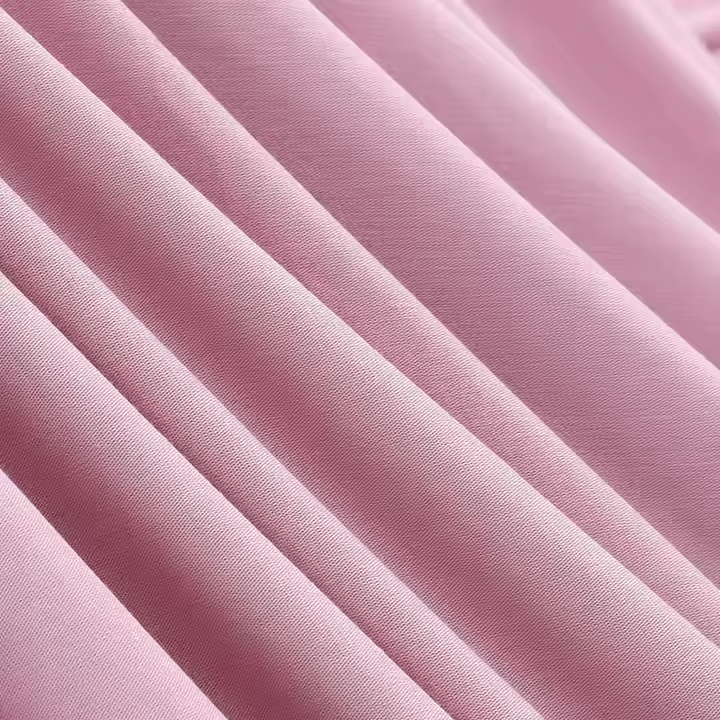
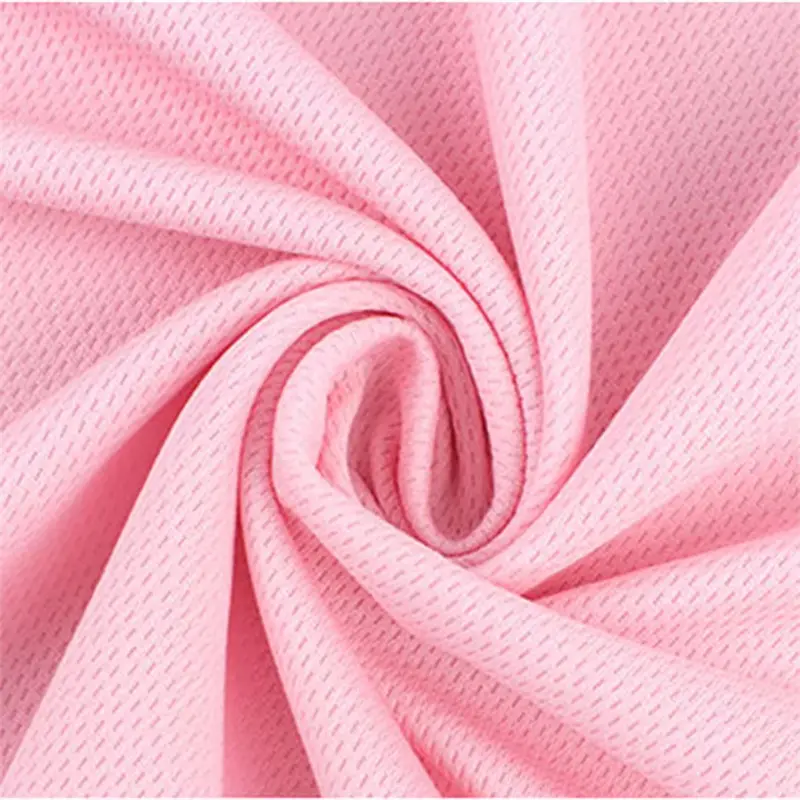
Most Most bamboo fiber fabrics are not truly sustainable fashion choices. The problem isn’t with bamboo itself; bamboo is a highly renewable resource.
The main issue lies in the processing. Most bamboo fabrics are made using a toxic viscose process, which negates bamboo’s environmental benefits.
While truly eco-friendly options like bamboo fiber lycra do exist, these are rarer and more expensive.
Key Takeaways
- Most bamboo fabrics are not environmentally friendly. Factories use toxic chemicals to make them soft.
- Bamboo is a beneficial plant. However, the way it’s processed into fabric creates pollution.
- Look for the label that says “Bamboo Lyocell.” This type of bamboo fiber fabric is produced in a more environmentally friendly way.
- Check for the OEKO-TEX or FSC label. These labels indicate a safe fabric production process and reliable raw material sourcing.
- You can help by choosing brands that produce bamboo fiber fabrics responsibly.
The Green Illusion: Why Most Bamboo Fabric Isn’t Eco-Friendly

Marketers often promote bamboo clothing as a green choice. This creates a positive image. However, the reality of its production tells a different story. The journey from a fast-growing bamboo plant to a soft t-shirt is rarely an eco-friendly one. The manufacturing process itself introduces significant environmental and health problems.
The Viscose Process Explained
Most bamboo fabric on the market is actually bamboo viscose, also known as rayon. This process chemically dissolves the bamboo plant to create a new fiber. It is an intensive procedure that breaks down the natural bamboo structure completely. The final fiber has no original properties of the bamboo plant.
The conversion from wood pulp to viscose fiber involves several complex stages.
- Soaking: Manufacturers treat bamboo pulp with sodium hydroxide (alkali). This forms a substance called basic cellulose.
- Pulverization: The alkali flakes are then pulverized into fluffy, white lumps.
- Aging: These lumps are stored at controlled temperatures. This process shortens the fiber chain length.
- Yellowing: The aged substance reacts with carbon disulfide. This step produces cellulose xanthate, a bright orange, viscous substance.
- Curing: The viscous solution needs time to mature. This allows its chemical properties to stabilize.
- Preparation: A spinning solution is prepared using chemicals such as sulfuric acid and zinc sulfate.
- Filtration: The viscose is filtered to remove any undissolved particles.
- Wet Spinning: Finally, the solution is forced through a spinneret into a chemical bath. This forms filaments, ultimately producing viscose fiber.
From Sustainable Plant to Toxic Pulp
Bamboo grows rapidly and requires almost no pesticides or excessive water. This makes bamboo a highly sustainable raw material. The problem lies in the process manufacturers use to process the tough bamboo stalks into soft bamboo pulp for textiles.
To extract cellulose from bamboo, factories use potent chemicals such as sodium hydroxide and carbon disulfide. Carbon disulfide is a highly toxic and volatile chemical that is difficult to recycle once used.
This method of using large amounts of chemicals strips away all the natural benefits of the plant. The resulting bamboo fiber fabric is a synthetic fiber that no longer possesses the original characteristics of the bamboo plant.
Health and Environmental Risks
The chemicals used in viscose fiber production pose a serious threat to humans and the planet. Factory workers face the most direct dangers.
Studies have shown that workers in viscose fiber factories are more prone to certain health problems. One study found that workers with long-term exposure to high concentrations of carbon disulfide developed toxic polyneuropathy, a type of nerve damage. The same group of workers also had a significantly higher prevalence of hypertension. Other studies have shown that even low concentrations of carbon disulfide exposure can lead to reproductive damage and color vision disorders.
The environmental impacts are equally severe. Factories often discharge untreated wastewater containing large amounts of toxic chemicals directly into local rivers and lakes. This wastewater pollutes ecosystems and drinking water sources. Communities near production sites have reported an increase in cases of serious illnesses, including cancer. Major pollutants include:
- Carbon disulfide
- Sodium hydroxide (caustic soda)
- Sulphuric acid
This pollution destroys local environments and harms the health of people living nearby, turning a sustainable plant into a source of toxic contamination.
Deconstructing the Marketing: Do Bamboo’s Benefits Survive?
Marketers often highlight the amazing properties of the bamboo plant. Consumers may believe these benefits transfer directly to their clothing. However, the intense chemical processing changes the final material significantly. Many advertised advantages do not survive the journey from plant to fabric.
The Myth of “Natural” Antibacterial Properties
One of the most popular claims is that bamboo clothing is naturally antibacterial. This idea comes from an agent in the raw bamboo plant called ‘bamboo kun’. Some studies suggest that this antimicrobial agent persists in the final textile product. This would mean the bamboo fabric retains a portion of its antibacterial properties, even after washing. However, the viscose process uses harsh chemicals that break down the plant’s original structure, leading many experts to question this claim.
Is It Really UV-Protective?
The UV protection of any garment depends more on its construction than its fiber type. A fabric’s ability to block The UV protection of any garment depends more on its construction than on its fiber type. A fabric’s ability to block harmful UV rays depends on the tightness of its yarn weave.
Tightly woven fabrics, like denim, are very effective at blocking UV rays. In contrast, loosely woven fabrics, like gauze, allow more sunlight to penetrate.
Several factors determine a fabric’s final sun protection rating:
- Fabric weave structure
- Fabric density and thickness
- Porosity (the size of the pores in the fabric
Therefore, densely knitted bamboo fiber fabrics offer better protection than loosely knitted fabrics.
Greenwashing in Bamboo Textiles
“Green washing” refers to misleading advertising by companies regarding the environmental benefits of their products. This practice is particularly common in the bamboo fiber textile industry. The U.S. Federal Trade Commission (FTC) has issued warnings to major brands about false advertising. Common misleading claims include:
- Improper Labeling: Brands label fabric as “100% bamboo” when it is legally rayon. Correct labels must state “rayon made from bamboo.”
- False Eco-Friendly Claims: Marketing often ignores the toxic chemicals and pollution involved in making viscose from bamboo.
- Unproven Biodegradability: Companies may claim the fabric is biodegradable. There is little evidence that rayon from bamboo breaks down quickly in landfills.
These tactics mislead consumers into thinking they are making a sustainable choice.
Is There a Truly Sustainable Option for Bamboo Material Fabric?

Yes, truly environmentally friendly alternatives to bamboo viscose fiber do exist. These methods avoid the toxic chemicals used in viscose production and retain the environmental benefits of bamboo. However, these options are not commonly found in the fashion market, and consumers need to actively seek them out.
The Better Choice: Bamboo Lyocell
Bamboo Lyocell is a more environmentally friendly method of producing bamboo fiber textiles. This process represents a significant technological advancement compared to viscose fiber production. It not only produces beautiful fabrics but also avoids a heavy environmental cost. The key lies in its innovative closed-loop production system.
This system recycles almost all materials used in the production process.
- It utilizes an organic solvent called amine oxide to dissolve bamboo cellulose.
- This process avoids the use of harmful chemicals such as carbon disulfide.
- The system can recycle and reuse over 99% of the solvent and water.
- This cycle significantly reduces waste generation and protects workers from toxic substances.
The solvent used, N-methylmorpholine N-oxide (NMMO), is non-toxic. Bamboo lyocell fiber is over 99% recyclable, making it a truly sustainable option. The final fabric is soft, strong, and retains many of its excellent properties.oo lyocell a genuinely sustainable option. The final fabric is soft, strong, and retains many desirable qualities.
💡 The Trade-Off: The advanced technology required for the lyocell process makes this bamboo material fabric more expensive to produce. The higher cost is a primary reason why bamboo viscose remains the more common, budget-friendly choice on the market.
The Original Method: Mechanical Bamboo Linen
Another sustainable option is mechanically processed bamboo linen. This method is the most natural way to create fabric from bamboo. It works with the plant’s fibers instead of completely dissolving them. This process is labor-intensive and mirrors how other natural linens, like flax, are made.
The steps are simple and rely on physical and enzymatic action, not harsh chemicals.
- First, the workers crush the woody bamboo stems.
- Next, they use natural enzymes to break down the bamboo, creating a pulp-like substance.
- Then, they comb the long fibers from this clump of fibers.
- Finally, they spin these fibers into yarn, making bamboo fiber fabric.
This method produces a strong and durable textile. However, mechanically processed bamboo linen is very rare in today’s market. The fabric has a much rougher, more textured feel, similar to traditional linen. While it is a truly sustainable and natural product, its texture and the high labor cost of production limit its commercial appeal.
How to Identify Genuinely Sustainable Bamboo
Consumers can find truly eco-friendly bamboo fabric by learning how to read labels and recognize important certifications. These tools help you see past the greenwashing and make informed choices. Knowing what to look for empowers you to support brands that prioritize responsible production.
Reading the Fabric Label Correctly
The fabric label provides the most direct clues about a garment’s origin. Marketing may say “eco-friendly bamboo,” but the legal label tells the real story. The U.S. Federal Trade Commission (FTC) has specific rules for labeling manufactured fibers.
💡 A label that simply says “100% bamboo” is often a red flag for improper labeling. Look for more specific, legally compliant terms.
According to the FTC, labels must use the correct generic fiber names.
- The correct name for this fabric is “rayon” or “viscose fiber.”
- Companies can use terms like “bamboo fiber rayon” to indicate its plant origin.
- The words “rayon” or “viscose fiber” must be included.
If you see “bamboo lyocell” on the tag, you have found a much better option. This term indicates the fabric was made using the closed-loop process.
Key Certifications to Look For
Third-party certifications offer another layer of assurance. These independent groups verify that a product meets specific environmental and social standards. Two of the most important certifications for textiles are OEKO-TEX and the Forest Stewardship Council (FSC).
OEKO-TEX® Standard 100: This label ensures the final product is safe for human health.
- It proves that every component, from the thread to the button, has been tested and is free of over 1,000 harmful substances.
- These tests use globally standardized criteria and are updated annually.
- This certification confirms that the product is harmless to wear.
Forest Stewardship Council (FSC): This certification focuses on raw materials. The FSC label on the product indicates that its bamboo comes from responsibly managed forests.
- It ensures that forest management practices prevent deforestation and protect biodiversity.
- This requires respecting the rights of Indigenous communities.
- This certification confirms that the raw material is a truly sustainable resource.
Comparing Bamboo Fabric to Other Sustainable Options
Choosing sustainable fabrics requires going beyond marketing hype. The true impact of a fabric lies in its entire lifecycle, from raw material to finished garment. Understanding how different bamboo fiber fabrics compare to other common fabrics helps consumers make more informed choices.
Bamboo Viscose vs. Polyester and Cotton
Bamboo viscose often competes with polyester and conventional cotton. Polyester is a synthetic fiber made from petroleum, a non-renewable resource. Bamboo viscose comes from a renewable plant source. However, its production has its own issues.
- Water consumption: Bamboo requires very little water to grow.
- Chemical use: The viscose process uses toxic chemicals that pollute the environment.
Traditional cotton is a very water-intensive crop, requiring large amounts of water and pesticides during its growth. In contrast, bamboo is more sustainable. Both bamboo viscose and cotton are biodegradable natural materials, but bamboo typically decomposes much faster.
Bamboo Lyocell vs. Organic Cotton and Hemp
Bamboo lyocell stands up well against other sustainable natural fabrics like organic cotton and hemp. Organic cotton avoids harmful pesticides, but it still demands a lot of water. Hemp is an excellent natural fabric. It grows quickly with little water and naturally enriches the soil.
When comparing the final bamboo material fabric, properties like durability matter.
- Hemp: This material is extremely durable. Its fibers are among the strongest known natural fibers.
- Bamboo Lyocell: This bamboo fiber fabric is also very durable and is known for its excellent moisture-wicking properties, keeping the body dry.
Both hemp and the lyocell version of bamboo material fabric are strong choices for eco-conscious shoppers. They offer comfort and performance without the heavy environmental toll of conventional textiles.
The sustainability of bamboo clothing depends entirely on its production method, not the plant itself. For 2025, shoppers should treat broad “eco-friendly” claims with skepticism. The true impact of any bamboo garment lies in its processing.
Consumers hold the power to drive change. They can support true sustainability by prioritizing transparent brands. Scrutinizing labels for “bamboo lyocell” and looking for key certifications empowers shoppers to demand better industry practices.
FAQ
Why isn’t most bamboo fabric eco-friendly?
Most bamboo fabric is actually viscose rayon. Manufacturers use toxic chemicals like carbon disulfide to turn the plant into soft fibers. This process pollutes water and air. It also poses health risks to factory workers and nearby communities, negating the bamboo plant’s sustainable origins.
What is the difference between bamboo viscose and bamboo lyocell?
Bamboo viscose production uses harsh, toxic chemicals. In contrast, the bamboo lyocell process uses a non-toxic solvent.
💡 This lyocell process happens in a closed-loop system. It recycles over 99% of the water and solvent, making it a much more sustainable choice.
How can I find truly sustainable bamboo clothing?
Consumers can identify sustainable options by checking the garment’s label.
- Look for the term “bamboo lyocell” instead of “rayon” or “viscose.”
- Search for key certifications like OEKO-TEX® or FSC for added assurance of responsible production.
Does bamboo fabric have natural antibacterial properties?
The intense chemical process to make bamboo viscose strips the fiber of the plant’s original properties. Experts question whether any natural antibacterial benefits survive production. The final fabric is a man-made material, not a natural one.