Spandex fabric boasts unparalleled elasticity and resilience. This property allows garments to move with the body and quickly return to their original shape. The lightweight, smooth texture of spandex provides exceptional comfort, conforming to the body without any sense of restriction. From high fashion runways to sportswear, spandex is an indispensable key material in modern design. The importance of spandex fabric is increasingly evident. High-quality spandex fabric is the cornerstone of creating perfectly fitting garments.
Market Insight: The Rise of Spandex 📈 The global spandex market reflects its widespread use in the textile industry.
Metric Value Global Spandex Market Value (2024) USD 8.99 Billion Projected Market Value (2032) USD 17.41 Billion Compound Annual Growth Rate (CAGR) (2026-2032) 9.51%
Key Takeaways
- Spandex fabric has excellent elasticity and returns to its original shape. This makes clothing fit well and feel comfortable.
- Spandex is suitable for a wide variety of garments, from everyday jeans to glamorous dresses and sportswear. It’s both comfortable and stylish.
- Spandex enhances the performance of sportswear. It helps muscles stretch and speeds up recovery after exercise.
- Choose the right spandex fabric for your project. Check its elasticity and weight for best results.
- Properly care for spandex garments. Wash in cold water and air dry to maintain their elasticity and lifespan.
What Makes Spandex Fabric So Versatile?
The versatility of spandex fabric stems from its unique combination of properties. These advantages make spandex a preferred choice for numerous applications. Its chemical structure and physical properties surpass those of other materials. Understanding these properties explains why spandex is so popular.
Unmatched Elasticity and Shape Memory
Spandex possesses exceptional elasticity. Its molecular structure comprises chain-like polyurethane structures. This structure allows spandex fabric to stretch up to five times its original length and quickly return to its original shape. The material contains both soft, elastic segments and rigid segments. This combination gives spandex fabric both strength and flexibility. When stretched, the long-chain polymers within the fabric align and extend; upon release, they contract, pulling the spandex fabric back to its original shape.
Stretch Comparison: Spandex vs. Other Materials Spandex’s elasticity and resilience far surpass those of fabrics like rubber. This superior performance ensures a long-lasting, perfect fit.
Material Typical Stretch Recovery Spandex / Elastane Very High (600%) Excellent Lycra Very High (600%) Superior Natural Rubber High Poor to Good
Superior Comfort and Freedom of Movement
Spandex fabric offers exceptional comfort. It grants the wearer remarkable flexibility and freedom of movement, without any restriction. Therefore, spandex fabric is ideal for occasions requiring unrestricted movement. Its excellent elasticity and flexibility adapt to various body movements. When spandex is blended with other fibers, such as polyester, comfort and breathability are further enhanced. Polyester fibers have excellent moisture-wicking properties, keeping the wearer dry and comfortable. Spandex in blended fabrics provides the necessary elasticity and flexibility, resulting in a close-fitting and comfortable wearing experience.
Durability and Resistance to Wear
Durability is another key characteristic of spandex. This fabric is highly resistant to everyday stains.
- It resists damage from body oils and sweat.
- Lotions and sunscreens are not easily damaged by this material.
This abrasion resistance helps garments maintain their quality over time. High-performance spandex blends also exhibit excellent abrasion resistance. This durability and elasticity mean that the fabric can withstand friction without easily pilling or tearing. High-quality spandex fabrics typically achieve over 30,000 cycles in the Martindale abrasion test, demonstrating their durable quality.
Elevating Fashion with Spandex
Spandex fabric has revolutionized the fashion industry. Combining functionality and style, it offers designers entirely new creative possibilities. The unique properties of this fabric allow for the creation of garments that are both beautiful and comfortable. Spandex’s versatility makes it an essential item in modern fashion, encompassing everything from casual basics to elegant evening gowns.
Everyday Comfort in Jeans and Tees
Spandex brings exceptional comfort to everyday clothing. Even a small amount of this elastic fiber can completely transform the fit and feel of common garments like jeans and T-shirts. It is this addition that makes modern clothing fabrics so comfortable to wear.
The amount of spandex in denim fabric determines its elasticity and feel. Consumer preferences vary, but the ultimate goal is always to find a better fit.
- 1-2% Spandex: This blended fabric has a slight elasticity, ensuring comfort during movement without being too tight. Many people like this fabric because it has the feel of classic denim while allowing for easy bending and sitting.
- 3-4% Spandex: Jeans with a high spandex content have excellent elasticity, perfectly conforming to the body’s curves for ultimate comfort. Because spandex helps maintain the shape of the jeans, the knees are less likely to sag and deform.
T-shirts also benefit from spandex blends. This fabric helps T-shirts maintain their shape after multiple washes, preventing neckline deformation and maintaining an overall fit. This makes T-shirts perfect for layering. A well-fitting T-shirt is an ideal inner layer, while spandex ensures it stays flat under sweaters or jackets, making layering easy and simple.
Sleek Silhouettes in Formal Wear
Spandex is a secret weapon in haute couture gowns. Designers use spandex to create stunning dresses that flatter the figure without sacrificing comfort. This allows elegant garments to move freely with the wearer. Special blends like stretch micadoresistive or shaping fabrics provide structural support while maintaining flexibility.
These materials enable designers to create breathtaking garments for formal occasions. Examples of this fashion trend include:
- An elegant mermaid gown made from sequined stretch velvet.
- A flowing, one-shoulder bodycon dress paired with an eye-catching shawl.
- A luxurious velvet gown with pleats at the waist to accentuate the figure.
- An off-the-shoulder maxi dress that perfectly outlines the curves of the body.
Elegance Meets Comfort 💃
Spandex evening dresses give wearers a polished look with total freedom of movement. The fabric gently hugs curves and provides support, making it suitable for many body types. These gowns are a smart and stylish choice for any formal event.
The Foundation of Swimwear and Lingerie
Spandex is the cornerstone of swimwear and intimate apparel. Its properties are ideal for garments that require a second skin-like fit. Spandex is indispensable for competitive swimwear. Its superior performance ensures a perfect fit. Key characteristics include:
- Super elasticity for a perfect body shape.
- Maintaining excellent shape even after multiple uses.
- Creating a secure, snug fit.
In the realm of underwear and shapewear, spandex technology has brought numerous innovations. It is the foundation of modern layering. Revolution in spandex fabrics has enabled seamless construction, creating smooth, invisible lines under clothing. This technology makes layering effortless and comfortable. Advanced spandex blends also provide precise support and breathability, enhancing the functionality and comfort of intimate apparel. This versatility offers designers endless aesthetic choices, from delicate lace on stretch base fabrics to bold, vibrant prints, proving that fashion and function can be perfectly integrated.
Powering Performance: Spandex in Functional Gear

Spandex fabric is a cornerstone of high-performance functional gear. Its unique properties provide athletes and individuals with the support they need to excel. This material powers a wide range of performance apparel, from professional sportswear to medical supports. The elasticity and durability of spandex make it an essential component for functional clothing.
Enhancing Athletic Performance
Spandex fabric is crucial in sportswear, effectively enhancing athletic performance. Its superior elasticity allows for complete freedom of movement, essential for sports requiring agility and precision. Athletes across various sports rely on spandex fabrics to gain a competitive edge.
- Cycling: Compression shorts containing spandex reduce muscle fatigue and improve endurance.
- Swimming: Tight-fitting swimsuits made with spandex fabric reduce water resistance.
- Track and Field: Compression clothing helps reduce muscle vibration, allowing athletes to maintain posture.
- Gymnastics: The material provides support and enhances body awareness, enabling precise movements.
Suitable spandex blends not only provide a good fit but also typically possess moisture-wicking properties, quickly removing sweat from the skin. This characteristic, combined with its quick-drying properties, ensures athlete comfort. Many high-performance fabrics also offer excellent breathability, further enhancing comfort during strenuous activity. While some studies show mixed results regarding the direct performance-enhancing effects of spandex fabric, its benefits in promoting recovery and improving comfort are evident. Using spandex fabric is unlikely to negatively impact athletic performance and may even offer improvements in some cases.
Performance and Feelings 🏃♀️ Studies show that while spandex compression garments may not always improve speed or power, they typically reduce muscle soreness after exercise. For example, one study found that cricketers experienced significantly less muscle soreness after wearing compression garments during sprints and throwing. This psychological and physiological comfort is a significant advantage.
Compression for Support and Recovery
Compression garments are a key tool for athletic recovery. Spandex is the primary fiber that gives these items their supportive squeeze. This pressure helps stabilize muscles during and after a workout. The stretch and Compression clothing is a key tool for post-exercise recovery. Spandex is the main fiber in these garments, giving them support and a snug fit. This compression helps stabilize muscles during and after exercise. The elasticity and flexibility of spandex fabric make it comfortable and supportive without restricting the body.
Progressive compression is a special technology used in rehabilitation clothing. This type of clothing applies greater pressure to the extremities (such as the ankles) and less pressure closer to the core. This design helps improve blood circulation.
- It helps remove lactic acid from muscles.
- It can increase oxygen delivery to muscle tissue.
- It can accelerate the muscle repair process.
Research confirms that wearing compression clothing aids in post-exercise recovery. A study of healthy male students showed that wearing compression clothing after strenuous exercise significantly reduced delayed onset muscle soreness (DOMS). Participants also experienced faster muscle strength recovery. The spandex component in these garments helps reduce muscle shock and mechanical stress on tissues, thus promoting a faster return to optimal athletic performance. Furthermore, the fabric’s moisture-wicking and quick-drying properties also contribute to improved post-exercise comfort.
Medical and Orthopedic Applications
The benefits of spandex extend into the medical field. Its unique elasticity makes it ideal for orthopedic braces and medical compression wear. Medical-grade spandex fabric provides consistent, reliable support for injuries and chronic conditions. This material offers both flexibility and strength, which are crucial for effective treatment and patient comfort.
Designers use spandex to create a variety of medical products. These items help patients manage conditions and recover from injuries.
| Medical Product | Primary Function |
|---|---|
| Elastic Bandages | Provide support for sprains and strains. |
| Orthopedic Braces | Stabilize joints like the knee, wrist, or ankle. |
| Hernia Support Garments | Offer targeted compression and support. |
| Gynecomastia Vests | Provide compression with breathability. |
These products rely on high-quality spandex fabric to deliver targeted pressure without sacrificing mobility. The material’s moisture-wicking properties and breathability are also important for long-term wear, preventing skin irritation. This makes spandex an indispensable material in modern medical and orthopedic solutions.
How to Choose the Perfect Spandex Fabric Roll
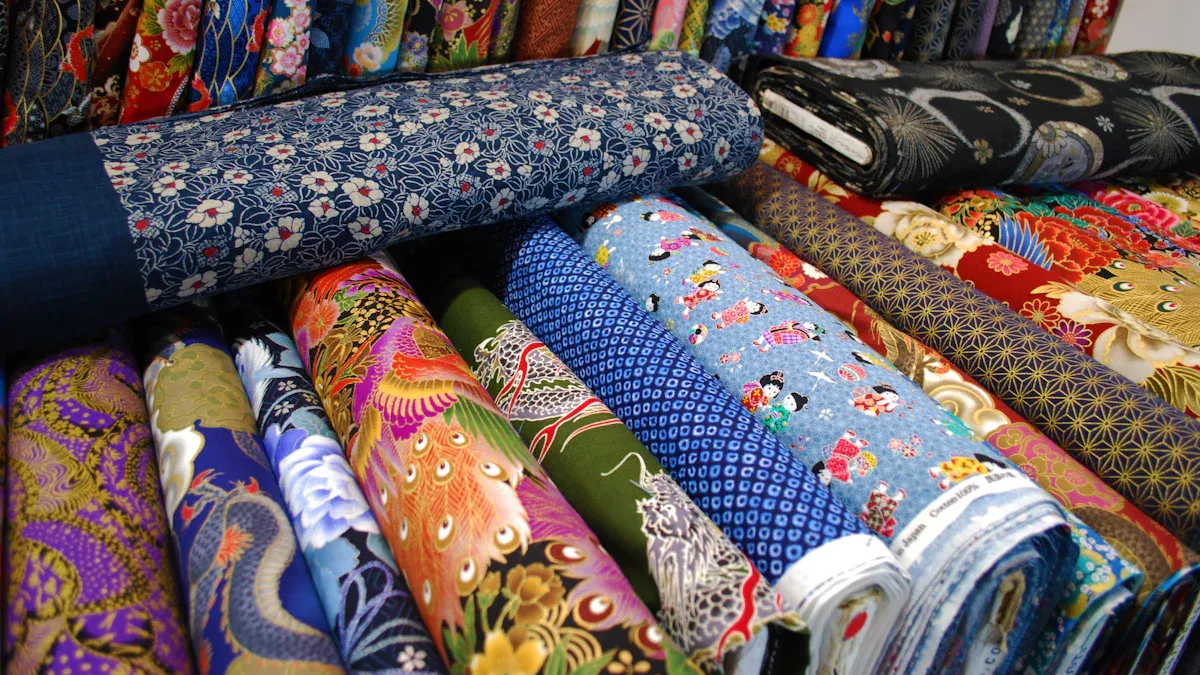
Choosing the right spandex fabric roll is the first step toward a successful project. The material’s properties directly impact the final garment’s fit, feel, and performance. A careful selection ensures the finished item meets all expectations for comfort and function. Understanding the details of the spandex fabric is key.
Understanding Fabric Blends and Weight (GSM)
The type of fiber blended with spandex greatly affects the fabric’s characteristics. Polyester and nylon are common partners for spandex. Each blend offers distinct advantages. A polyester-spandex fabric provides a firmer feel and is very durable. A nylon-spandex fabric is known for its soft, silky texture. The right choice depends on the project’s needs.
| Feature | Polyester-Spandex | Nylon-Spandex |
|---|---|---|
| Feel | Firmer, matte finish | Softer, smoother, silky |
| Durability | Highly durable, colorfast | Strong but can fade with sun exposure |
| Moisture-Wicking | Good moisture-wicking | Dries faster than polyester |
| Cost | More budget-friendly | Higher cost for a premium feel |
Fabric weight (measured in grams per square meter (GSM)) also plays a crucial role. A higher GSM value indicates a denser, less opaque fabric. For example, a high-quality cotton-spandex knit fabric used in yoga leggings might have a GSM value between 180 and 220. Swimwear requires heavier spandex fabrics, typically 250-320 GSM, for better coverage and support. Lighter cotton-spandex knit fabrics are ideal for T-shirts.
Decoding 2-Way vs. 4-Way Stretch
The term “elasticity” describes how a fabric moves. Spandex fabrics are mainly divided into two types: two-way stretch and four-way stretch. They differ in their structure and the direction of elasticity.
- Two-Way Stretch: This fabric can only stretch in one direction, typically from side to side (seam to seam). It provides a comfortable wearing experience for everyday clothing.
- Four-Way Stretch: This fabric can stretch in four directions: longitudinal, transverse, and diagonal. It offers maximum freedom of movement.
The addition of spandex fibers gives this fabric elasticity and resilience. Four-way stretch is essential for form-fitting garments such as swimwear. This property ensures that spandex fabric allows for free movement of the body without any restriction.
Matching the Fabric to Your Project
Choosing the right spandex fabric is key to achieving optimal results. The end use determines the ideal spandex ratio, weight, and elasticity. For everyday wear such as T-shirts or casual pants, a small amount of spandex (3-10%) provides comfort and good shape retention. Cotton-spandex knit fabrics are a common choice for these garments.
High-performance clothing requires a higher spandex content. Apparel like cycling shorts or dancewear needs excellent elasticity to ensure freedom of movement. Designer-customized fabrics often require finding a perfect balance with a specific design concept. Choosing the right spandex fabric is crucial. High-quality cotton-spandex knit fabrics are versatile.
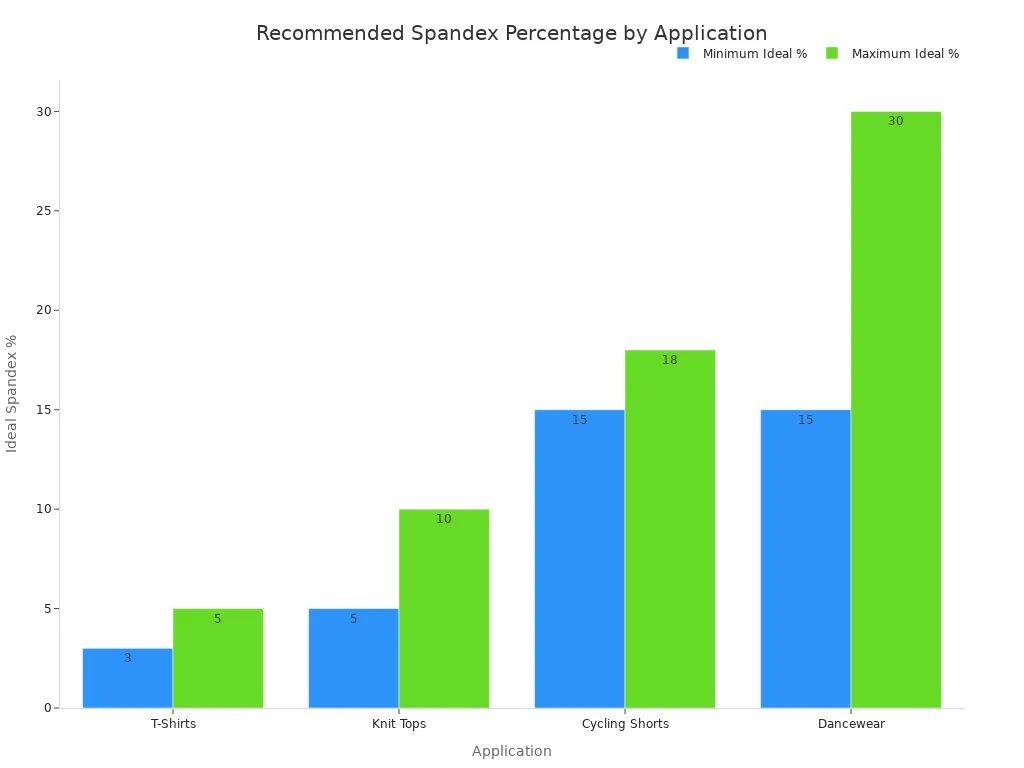
For example, a cotton spandex jersey fabric with 5% spandex is great for a knit top. A cotton spandex jersey fabric with 15% spandex is better for activewear. The right cotton spandex jersey fabric makes all the difference.
Working With Your Spandex Fabric
Using spandex fabric opens up endless creative possibilities. The fabric’s unique elasticity requires specific techniques to achieve a professional finish. Before you begin, it’s best to test your setup on a scrap of cotton-spandex knit fabric. This simple step helps avoid mistakes in the final product. Using a paper presser instead of pins also prevents holes from being left in the delicate spandex fabric.
Essential Sewing Tips and Techniques
Sewers should not stretch the spandex fabric as it goes through the machine. They should guide it gently to maintain its shape. A walking foot can be a helpful tool. It feeds the top and bottom layers of the cotton spandex jersey fabric evenly. This prevents the material from waving or puckering. Taking time and using the right tools ensures a high-quality result when sewing with spandex. A good cotton spandex jersey fabric deserves careful handling.
Needles and Stitches for Stretch Fabrics
Choosing the correct needle and stitch is critical for success with spandex. The right combination prevents skipped stitches and broken seams.
- Sewing Needles: Elastic needles are best suited for highly elastic fabrics such as cotton-spandex knits. Knitting needles or round-tipped needles are also suitable for many knitted fabrics. Testing both needle types on scraps of cotton-spandex knit fabric can determine which needle type is better suited for a particular sewing machine.
- Thread: Zigzag stitch is a common choice, providing the necessary elasticity. For stronger seams in fitted garments, triple straight stitch is an excellent choice. Lightning bolt stitch also creates very elastic seams and helps reduce wrinkling in spandex fabrics.
Proper Care for Spandex Garments
Proper care maintains the elasticity and durability of spandex garments. Following washing and drying best practices extends the life of the clothing. The durability of the spandex depends on gentle handling.
Washing and Drying Tips 🧼
- Wash with care. Use cold water and a gentle cycle. Place delicate items in a mesh bag. Never use fabric softener or chlorine bleach on spandex.
- Air-dry when possible. Lay the item flat or hang it away from direct sunlight. Heat from a dryer damages the elastic fibers.
- Use low heat if necessary. If using a machine, choose the lowest heat or air-dry setting. Remove the cotton spandex jersey fabric item while it is still slightly damp.
Spandex rolls are the starting point for creating garments that combine style, comfort, and functionality. This fabric’s unique elasticity and resilience make it an indispensable element in modern textiles. Today, innovative technologies offer sustainable, high-quality options, including recycled and plant-based fibers. Choosing the right spandex roll is crucial for achieving a high-quality finished product. This focus on quality ensures a perfect fit for any fashion or functional outfit.
FAQ
What is the difference between Spandex, Lycra, and Elastane?
Spandex and elastane are generic names for the same synthetic fiber. They describe the material’s chemical makeup. Lycra is simply a well-known brand name for a specific type of spandex fiber. All three terms refer to the same highly elastic material.
Can I use a regular sewing machine for spandex fabric?
Yes, a regular sewing machine works for spandex. Sewers should use a special needle, like a ballpoint or stretch needle. A zigzag or lightning bolt stitch provides the necessary stretch. These simple adjustments prevent skipped stitches and ensure durable seams.
Why is GSM important when choosing spandex?
GSM (Grams per Square Meter) indicates fabric weight and density. A higher GSM means a thicker, more opaque fabric, ideal for swimwear or leggings. A lower GSM is suitable for lighter items like t-shirts. Choosing the right GSM ensures proper coverage and performance.
Pro Tip 💡
For high-performance activewear, a GSM of 180-220 is a great starting point. For swimwear, look for a GSM of 250 or higher.
How do I prevent spandex from losing its stretch?
Proper care preserves the fabric’s elasticity. People should wash spandex garments in cold water on a gentle cycle. It is best to air-dry them away from direct heat or sunlight. High heat from a dryer can damage the elastic fibers and ruin the fit.