You can unleash your creativity by using innovative ideas to print patterns on knitted fabrics. Explore sublimation printing for a seamless look, or use DTF technology to print vibrant, custom designs on any garment. Your unique T-shirt designs can capture a huge market. Today, over 72% of consumers value personalization in clothing. This trend is driving significant growth in the custom products industry.
| Metric | Value |
|---|---|
| Market Size in 2025 | USD 6,088.4 Million |
| CAGR (2025-2032) | 12.3% |
| Projected Market Size by 2032 | USD 13,722.6 Million |
Key Takeaways
- Digital printing methods such as sublimation and DTF offer speed, precision, and environmentally friendly options for garment printing.
- Sublimation technology creates seamless, vibrant designs on polyester fabrics, ideal for sportswear and sustainable fashion.
- DTF printing is versatile and cost-effective, suitable for a variety of fabrics and resistant to cracking after stretching.
- Traditional methods like screen printing and heat transfer, combined with modern inks and materials, can add texture and sheen.
- Choosing the right printing method depends on your design, fabric type, desired texture, and production volume.
Digital Printing Innovations to Print on Jersey Fabric
Digital printing technology brings unparalleled speed and precision to your apparel projects. You can create high-quality, vibrant designs with stunning detail. These modern processes are also more environmentally friendly, paving the way for sustainable fashion. Let’s explore two disruptive technologies that will be trending in 2025.
Sublimation Printing: Creating Seamless Designs
Sublimation printing technology enables realistic, full-coverage printing effects. This technology uses heat to convert solid ink into a gas. The gas bonds directly with polyester fibers, permanently infusing the print into the fabric. The resulting pattern is smooth and textureless, incredibly soft to the touch, and will never crack, peel, or fade.
This technology is particularly well-suited for sportswear. Advances in sublimation technology allow for creative apparel designs on moisture-wicking, stretchy fabrics, with a wide color gamut and seamless transitions. Brands like Six Six Apparel and Momentec Brands utilize this process to create custom jerseys and athletic wear with stunning “all-over print” designs. You can print patterns from seam to seam, creating endless possibilities.
✨ Pro Tip: Sublimation printing is ideal for any design requiring perfect gradients and vibrant colors. If you want a completely seamless print effect for sportswear, swimwear, or fashion t-shirts, sublimation printing is the best choice for knit fabrics.
Sublimation printing is also a leading technology in terms of sustainability.
| Factor | Traditional Dyeing (Liters/kg) | Sublimation (ml/kg) |
|---|---|---|
| Water Use | 100–200 | 5 |
| Wastewater | High | None |
This significant water-saving advantage makes sublimation printing an ideal choice for environmentally conscious brands.
Direct-to-Film (DTF) Technology: Achieving Ultimate Versatility
DTF printing technology offers you immense flexibility. First, you print your design onto a special transfer film. Next, an adhesive powder is applied. Finally, the design is transferred to the garment using a heat press. This process works on a variety of fabrics, including cotton, polyester, and blends of any color.
A key advantage of DTF is its excellent performance on highly elastic fabrics. Standard printing methods often crack on materials like spandex, but DTF technology overcomes this problem.
- Use elastic DTF film specifically designed to stretch with the fabric.
- Choose flexible inks and adhesive powders formulated for stretchy fabrics.
- This combination ensures your prints remain intact, without cracking or deforming, even after stretching and washing.
DTF technology is also highly cost-effective, especially compared to other methods like direct-to-garment (DTG) printing. Lower ink and material consumption makes it a smart choice for both small and large-scale production.
| Feature | DTF Printing | DTG Printing |
|---|---|---|
| Per Print Cost | Medium | Higher |
| Cost Per Shirt | ~$0.30 – $0.64 | Varies (Often Higher) |
This cost-effective solution allows you to experiment with complex pattern designs or mass production without significant upfront investment. DTF technology gives you the freedom to print on any color knit fabric while ensuring the final product is durable, flexible, and vibrant.
Modern Innovations in Traditional T-Shirt Design Techniques
You can reimagine classic printing methods to elevate your apparel designs beyond the ordinary. Techniques like screen printing and vinyl transfers are no longer limited to simple, flat designs. With modern inks and materials, you can add stunning textures, dimensionality, and sheen to create truly unique t-shirt designs. These upgraded methods provide powerful tools to make your brand stand out.
Special Screen Printing for Textured Effects
You can transform standard t-shirt designs into a tactile experience using special screen printing techniques. This technology goes beyond flat colors, building dimensionality directly onto the garment. By using innovative inks, you can give your apparel a high-end look and feel that customers can see and touch. These inks are perfect for highlighting logos, text, and graphic elements.
Explore these popular specialty inks to add new creative dimensions to your projects:
- Puff Ink: This ink allows you to create a raised, soft, cloud-like effect. The ink expands when heated, adding an interesting 3D texture to your designs.
- Glitter Ink: This ink contains real glitter particles suspended in a clear base. It provides a sparkling, eye-catching effect that is more durable than glitter applied with adhesive.
- High-Density Ink: This ink allows you to achieve a crisp, dimensional look. It creates raised prints with sharp edges and defined outlines, similar to an emblem. This effect adds a bold, high-end feel to logos and text.
In addition, you can explore shimmering metallics, glow-in-the-dark effects, and even color-changing UV inks to make your apparel more interactive and memorable.
⚠️ Important Note: Proper curing is crucial for durability. Plastisol inks commonly used in specialty printing must reach a temperature of 320-330°F for proper curing. If you are printing on knitted fabrics made of polyester, there is a risk of “dye migration,” where the fabric dye bleeds into the ink. To prevent this, you should cure the garment at temperatures below 320°F and use special low-bleed inks designed for synthetic materials. Heat Transfer Vinyl (HTV) for Crisp Designs
Using heat transfer vinyl (HTV) allows for extremely crisp and vibrant designs. This method is ideal for creating eye-catching logos, text, and single-color graphics. The process is straightforward: first, the design is precisely cut from a colored vinyl film using a vinyl cutter. Then, the vinyl is permanently heat-pressed onto the jersey fabric using a heat press. The result is a clear, opaque design with sharp edges.
HTV offers unparalleled consistency, making it perfect for printing team jerseys with names and numbers, or branded apparel with crisp logos. The real advantage of modern HTV lies in its wide range of finish options. You are no longer limited to basic matte or gloss colors.
| HTV Finish | Best For | Visual Effect |
|---|---|---|
| Glitter | Accents, Fashion Tees | Intense sparkle and texture |
| Holographic | Eye-Catching Designs | Shimmering, rainbow-like sheen |
| Flock | Premium Logos | Soft, velvety, suede-like feel |
| Metallic | Bold Statements | Mirrored, reflective chrome look |
By combining different heat transfer film finishes, you can create striking, layered, and dynamic designs. This technology allows you to easily produce professional, durable, and visually impressive garments.
Artistic Methods for Handcrafted Athletic Apparel
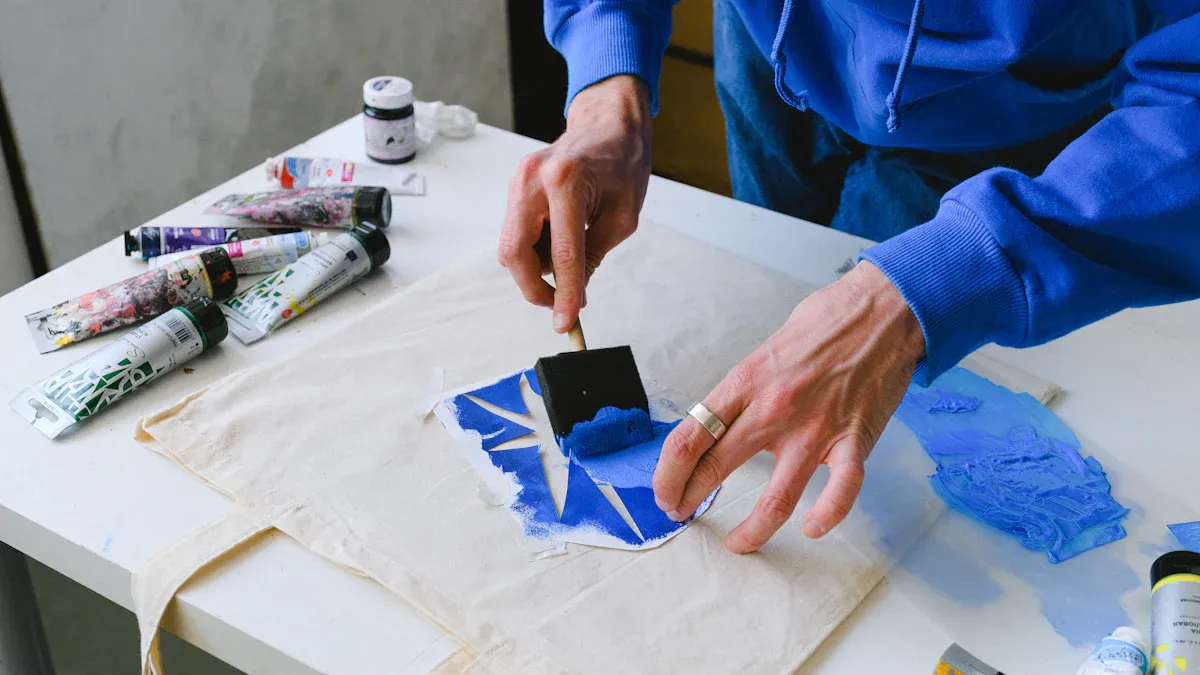
You can infuse personality and charm into your athletic wear using handcrafted techniques. These methods free you from the constraints of digital precision, allowing you to unleash your hands-on creativity. You can create unique pieces that tell your own handcrafted story.
Woodblock Printing for a Handcrafted Feel
Woodblock printing can bring a beautiful handcrafted texture to your garments. This ancient art form uses carved wooden blocks to print ink directly onto the fabric. Each print is slightly different, giving your designs an authentic, rustic charm that machines can’t replicate. While the process is creative, you must properly set the ink to ensure the design is long-lasting. Heat setting chemically bonds the ink to the fabric fibers, making it permanent and washable.
To achieve a durable, fade-resistant design, you should follow these key steps:
- Dry the ink: Allow your design to air dry for at least 30 minutes, until dry to the touch.
- Protect your design: Before heating, be sure to place a sheet of parchment paper over the print. This prevents scorching and distributes the heat evenly.
- Heat set: Use a household iron on the highest setting or set a heat press to approximately 180°C. Keep the iron moving or press for at least 30 seconds to fully cure the ink.
Stencil Printing with Fabric Spray Paint
You can quickly create striking, personalized designs using stencils and fabric spray paint. This method is perfect for creating fun and vibrant athletic wear. Simply place the stencil on your garment and lightly spray a layer of fabric paint. You’ll get a crisp design with minimal effort. Many creators find this method simple and effective.
“I just finished my first stencil project last night, and I used spray fabric paint… I love it because it doesn’t have a strong odor… The instructions you provided were very simple.”
This technique works surprisingly well on high-performance fabrics like Dri-Fit. You can use materials like Tulip brand fabric paints and simple paintbrushes to create washable, custom athletic wear. It’s an easy and accessible way to transform an ordinary shirt into a head-turning workout garment.
How to Choose the Right Printing Method
You can choose the perfect printing method based on your design, fabric, and desired texture. The right choice ensures your final garment looks and performs exactly as you expect. Making the right decision is key to creating outstanding apparel.
Comparing Design Complexity and Detail
The complexity of your design will determine which printing method you choose. For realistic images or complex color gradients, you should opt for sublimation printing. This process embeds the ink directly into the fabric, creating a smooth, textured surface and incredible detail. It’s ideal for full-coverage printing on sportswear fabrics. If you want a different effect, you can use specialty screen printing. This technique allows for tactile effects, such as 3D raised or glitter inks, making your T-shirt design stand out and be truly unique.
Matching Printing Method to Fabric Color and Type
You must choose the appropriate printing technique based on the fabric. Sublimation inks are transparent, so they only show up on light-colored polyester fabrics. On dark garments, the ink will disappear. For dark fabrics, DTF is an excellent alternative. Fabric composition is also important.
- 100% Cotton: Direct-to-garment (DTG) printing is a good option because cotton absorbs ink well.
- Blended Fabrics: Screen printing or heat transfer vinyl (HTV) usually works best, as these methods are more reliable on blended materials.
Deciding on Texture, Feel, and Stretch
The final feel of the design is crucial for comfort and quality. Screen printing generally produces a softer feel because the ink is integrated into the fabric. DTF prints sit on the surface of the fabric, resulting in a more noticeable, slightly rubbery texture.
For high-performance activewear, stretch is essential. DTF is the preferred choice in this regard. It stretches with moisture-wicking fabrics without cracking, making it ideal for activewear that needs to withstand strenuous activity and frequent washing.
Therefore, when durability and flexibility are your top priorities, DTF is the ideal printing method.
Considering Durability and Production Volume
You need to ensure your design is durable. Modern printing technologies offer excellent durability, ensuring your designs withstand washing and wear. When applied correctly, both specialty screen printing and DTF (Direct-to-Film) printing can produce long-lasting prints. Your main decision will likely depend on your production volume and budget. The right choice can help you effectively control costs while scaling your brand.
When comparing costs, order quantity is the most important factor. Screen printing requires significant initial setup for each color, making it more expensive for small production runs. However, DTF technology maintains a consistent and lower cost per garment, making it ideal for both small and large orders. You can compare the costs of different options to make the best choice for your next project.
| Feature | Screen Printing | DTF Printing |
|---|---|---|
| Small Order Cost | More expensive | More cost-effective |
| Large Order Cost (500+) | Becomes cost-effective | Generally more cost-effective |
| Setup Costs | High (per color) | Minimal |
| Overall Cost-Effectiveness | Less cost-effective | Generally more cost-effective |
DTF printing technology is designed for modern startups. This printing method offers exceptional flexibility and cost-effectiveness. You can launch a brand-new athleisure clothing line without significant investment. The scalability of DTF technology is crucial for business growth. It allows you to produce single custom garments or thousands of popular athleisure pieces while effectively controlling costs.
Essential Tools and Materials for Your Project
The right equipment can help you realize your creative vision. Gathering the necessary tools and materials is the first step in producing professional-quality custom apparel. Your equipment setup will depend on the printing method you choose.
Your Digital Printing Equipment
With digital printing methods like DTF or sublimation, you’ll need some key equipment. A dedicated printer is central to your operation. You’ll also need specific inks and transfer film or paper. The final essential piece of equipment is a high-quality heat press to transfer the design from the transfer film to the fabric.
Screen Printing and Vinyl Cutting Supplies
You can set up screen printing equipment at a low cost. A basic starter kit including a press, screens, inks, and squeegees costs between $200 and $315. This makes screen printing an ideal option for hobbyists. In contrast, vinyl cutting itself requires no setup costs. Your main costs are the vinyl cutter and the vinyl material, providing another method for creating crisp graphics.
Getting Started with Manual Operation
Safety is paramount when working with manual tools. When performing heat press printing, you’ll be working with very high temperatures. Be sure to protect yourself and your work area.
⚠️ Safety First Checklist:
- Check the equipment: Before use, please check if the power cord is damaged. Keep the heating surface clean.
- Choose a suitable location: Always operate the heat press in a well-ventilated area to allow for proper ventilation of any fumes.
- Wear protective gloves: Wear heat-resistant gloves when handling garments or the heat press. The machine surface will become very hot.
- Turn off the power: After finishing your work, immediately turn off the equipment and unplug the power cord.
Following these simple rules ensures you can create amazing apparel safely.
Partnering with a Fabric Expert like Suerte
By collaborating with fabric experts, you can elevate the quality of your apparel line. Partners like Suerte can streamline your entire production process. You’ll gain access to industry knowledge, advanced equipment, and a dedicated team committed to bringing your vision to life. This partnership saves you time and ensures high-quality end products.
Leverage One-Stop Customization Services
Choosing a partner that handles all aspects simplifies your workflow. Suerte offers a one-stop custom printing service, covering every stage of your project. You’ll receive expert assistance with pattern design, fabric selection, and production optimization. Their team can tackle complex challenges, such as non-circular patterns and color variations, helping you create perfect custom garments. This comprehensive support eliminates uncertainty and allows you to focus on brand building.
✨ Expert Tip: A one-stop service is your winning strategy. You can manage the entire fabric customization process through a single point of contact, ensuring consistency and high quality from initial design sketches to the final product.
Cost Control and Fast Sample Turnaround
You can effectively control your budget without sacrificing product quality. Suerte provides cost-effective fabric processing solutions that deliver stunning visual results for your designs. This approach helps you manage costs while creating exceptional garments. You can also mitigate risks with physical samples. Suerte’s team will work with you to refine designs and test materials, building your confidence before full-scale production. This custom printing service allows you to validate your design concepts.
With a fast and reliable sample production process, you can seize market opportunities.
- Your printed design samples are typically completed and approved within 10-15 days.
This quick turnaround meets your urgent needs and helps bring your products to market faster.
You surely have many exciting ideas for your next custom apparel design. Sublimation printing offers realistic photographic effects; DTF (Direct-to-Film) printing provides unparalleled versatility; and special screen printing techniques deliver unique textures. Combine these technologies to unleash your creativity and create truly one-of-a-kind T-shirt designs.
✨ Pro Tip: You can source custom holographic vinyl film from suppliers like Suerte and add it to your screen-printed designs to take your apparel designs to the next level.
Which innovative sublimation or printing method will you try first?
FAQ
Which printing method is best for stretchy athletic wear?
For stretchy garments, you should choose Direct-to-Film (DTF) printing. This printing method uses flexible inks and adhesives that stretch with the fabric. This ensures your design won’t crack or distort during strenuous activity, making it ideal for durable, high-performance athletic wear.
Can I print vibrant designs on dark athletic wear fabric?
Yes, you can print vibrant designs on dark fabrics. DTF printing is your best option as it uses a white underbase, making the colors more vibrant. Specialty screen printing also works well.
💡 Remember: Sublimation inks are transparent and therefore only suitable for light-colored polyester garments.
How can I make my custom prints last longer?
You can follow a few key steps to ensure your designs are long-lasting. Proper curing is the most important factor in extending the life of your prints.
- Be sure to follow the heating time and temperature instructions for your chosen ink or vinyl material.
- Wash garments inside out in cold water.
Which method is most cost-effective for small businesses?
You’ll find that DTF printing is the most cost-effective option for startups. Unlike screen printing, this method has the lowest setup costs. You can produce single custom items or small batches at a lower cost, allowing you to test new designs without significant investment.