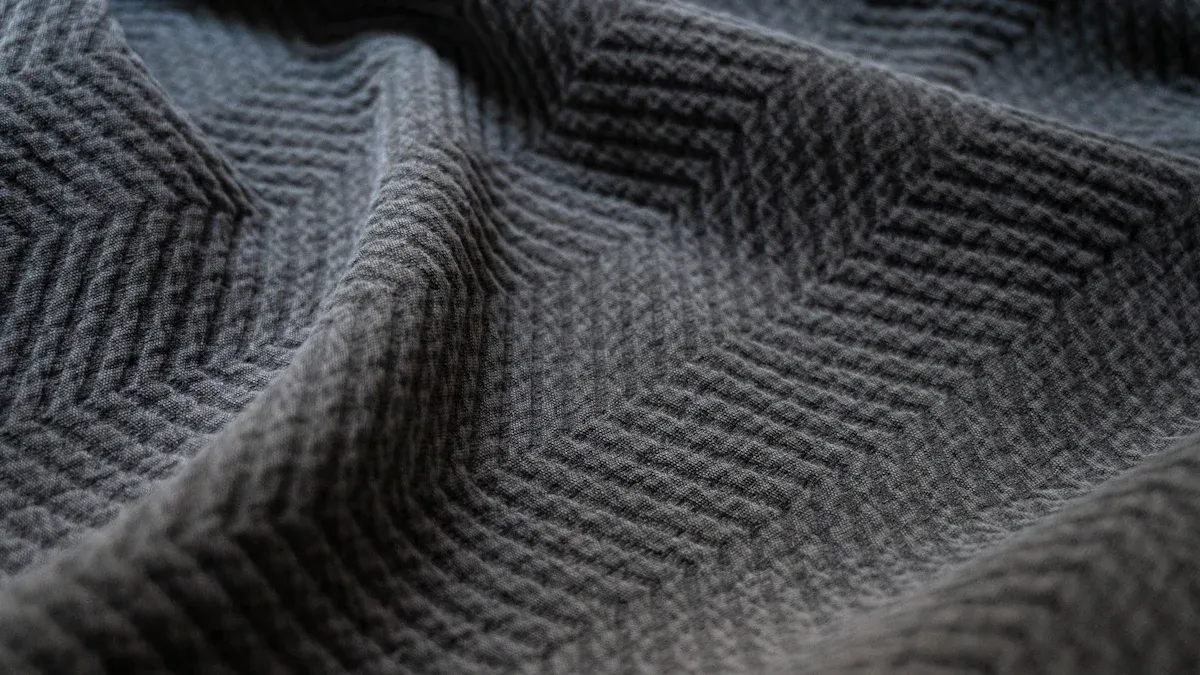
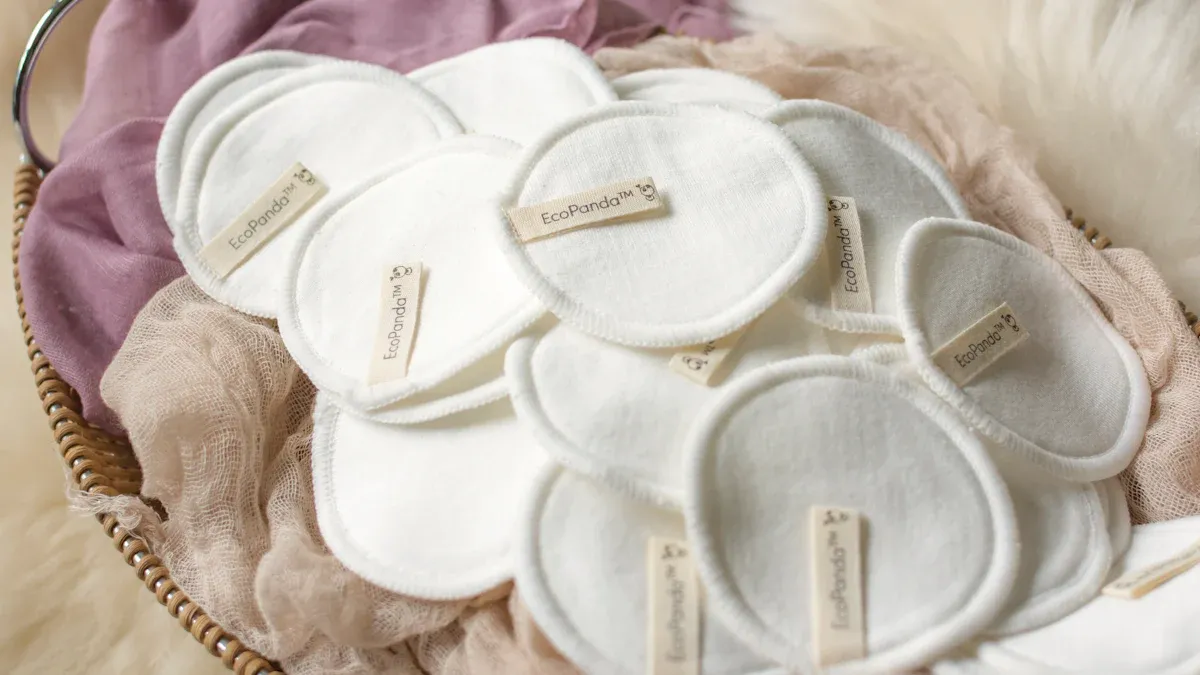
Wholesale sourcing of bamboo fiber fabrics has become a major trend. This helps brands enhance their market appeal and profitability. This trend is driven by the unique advantages of bamboo fiber fabrics, which combine sustainability, cost advantages, and high quality. The bamboo fiber apparel market is experiencing strong growth.
- Market Size (2024): US$2 billion
- Projected Growth Rate (2025-2032): CAGR 8.5%
The growth of bamboo fiber fabrics aligns with consumer values. A recent study showed that 66% of consumers choose eco-friendly brands. The demand for sustainable fashion makes bamboo fiber a strategic choice. Major brands are adopting bamboo fiber fabrics to meet this demand.
Key Takeaways
- Bamboo fiber fabric is a hot trend in 2025. It can help brands earn more profit and enhance their brand image in the eyes of customers.
- Bamboo is beneficial to the planet. It grows quickly, requires little water, and purifies the air.
- Buying bamboo fiber fabric in bulk can save costs. This helps brands sell clothing at discounted prices, thereby earning more profit.
- Bamboo fiber fabric is soft to the touch, breathable and quick-drying, gentle on sensitive skin, and also offers sun protection.
- Brands using bamboo to meet consumer demand for eco-friendly clothing helps them connect with younger consumers.
The Environmental Case for Bamboo Fabric
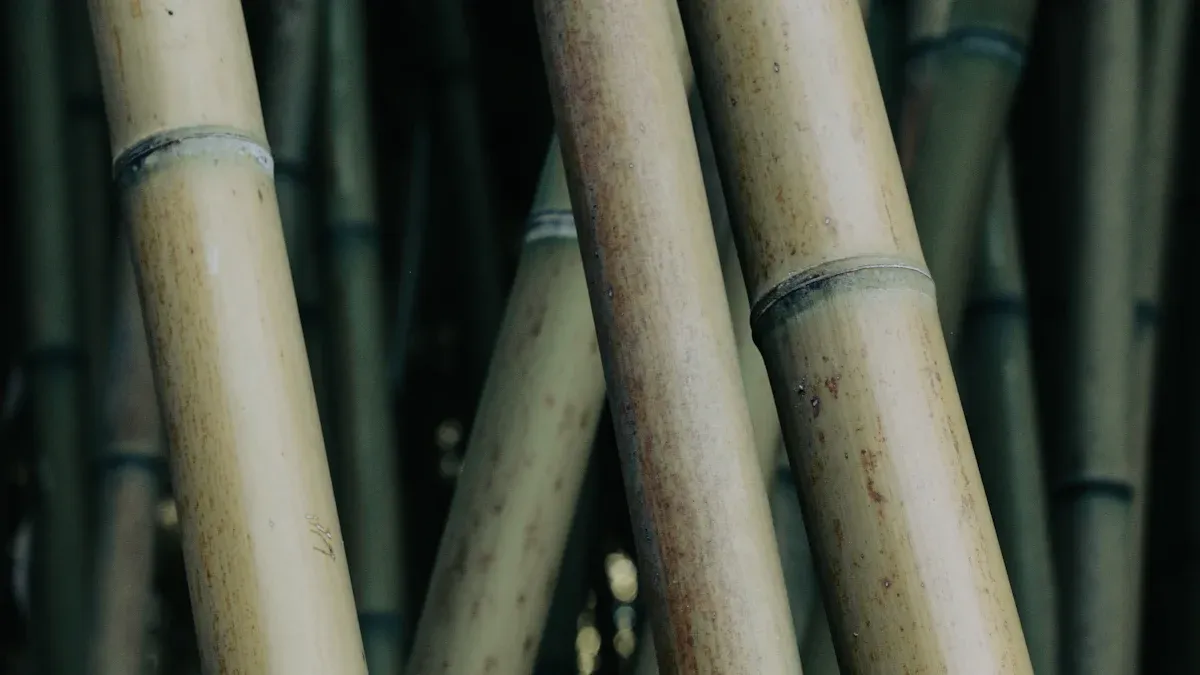
The growing popularity of bamboo fabric is rooted in its strong environmental credentials. The sustainability of bamboo offers a compelling alternative to traditional textiles. These benefits begin with the plant itself and extend to its positive impact on the planet.
A Rapidly Renewable Resource
One of the main advantages of bamboo fiber fabric stems from its raw material source. Bamboo is a herbaceous plant, not a tree. It is one of the fastest-growing plants in the world. Some bamboo varieties reach full maturity in just a few months and are ready for harvest after a few years. Bamboo used in textile production can mature in as little as six months. This rapid growth cycle is much faster than trees used for pulp production. Furthermore, it avoids the large amounts of land and water required for cotton cultivation. Bamboo can regenerate from its own root system, so there is no need for replanting after harvesting.
Low-Impact Cultivation
Bamboo cultivation has a minimal impact on the environment. It is a highly water-efficient plant. Bamboo Bamboo cultivation has a minimal environmental impact. It is a very water-efficient plant. Bamboo cultivation uses far less water than traditional cotton cultivation, only about one-third the amount. In many cases, bamboo thrives solely on natural rainfall, requiring no irrigation.
This makes bamboo fiber fabric a preferred eco-friendly fabric for water-conscious brands. Bamboo itself has strong natural resilience, meaning it can grow without the need for extensive use of pesticides or fertilizers.
This low-impact farming method helps maintain the health of the surrounding ecosystem, making bamboo fiber fabric a responsible choice.
Positive Impact on Carbon and Soil
The environmental benefits of bamboo extend beyond its cultivation. Bamboo forests are excellent at carbon The environmental benefits of bamboo extend far beyond its cultivation. Bamboo forests possess exceptional carbon sequestration capabilities. One hectare of bamboo forest can absorb approximately 12 tons of carbon dioxide annually, a rate comparable to that of a young forest. Furthermore, bamboo plays a crucial role in soil health and protection.
- Its dense root system helps stabilize the soil and prevent water and soil erosion.
- Bamboo leaves protect the soil and improve its structure.
- Bamboo cultivation can restore degraded land by improving soil quality and porosity.
Bamboo fiber fabrics, with their dual capabilities of addressing climate change and improving soil quality, highlight their sustainability.
Economic Wins with Bamboo Fabric Wholesale
Beyond its environmental advantages, bamboo fiber fabrics offer significant economic benefits to fashion brands. Wholesale procurement of bamboo fiber fabrics is a strategic financial decision. It helps businesses optimize costs, improve profitability, and build a more resilient operational foundation. This approach translates sustainability into a direct driver of economic success.
Achieve Significant Cost Reductions
Brands can achieve major cost reductions by purchasing bamboo fabric in bulk. The principle of economies of scale applies directly here. Wholesale suppliers offer lower per-unit prices on large orders, reducing the overall cost of raw materials. The inherent advantages of bamboo fabric also contribute to savings. The bamboo plant’s rapid growth and minimal need for water or pesticides lower cultivation costs for producers. These savings are often passed down the supply chain to wholesale buyers.
The efficiency of bamboo cultivation creates a cost-effective raw material. This financial benefit makes bamboo fabric an accessible option for brands of all sizes, from emerging startups to established labels looking to improve their bottom line.
Furthermore, the natural properties of bamboo fabric can reduce the need for expensive chemical treatments, further trimming production expenses.
Improve Profit Margins and Pricing
Lowering material costs directly improves a brand’s profit margins. When brands save money on bamboo fabric, they gain greater pricing flexibility. This creates two powerful opportunities:
- Competitive Pricing: Brands can offer their bamboo clothing at a more competitive price point. This can attract a wider customer base and increase sales volume.
- Higher Margins: Alternatively, brands can maintain premium pricing. Consumers often pay more for high-quality, sustainable products. The savings from wholesale purchasing can be retained as profit.
This flexibility allows businesses to tailor their financial strategy to their specific market position and goals. The superior softness and performance of bamboo fabric justify a higher perceived value, supporting premium pricing strategies while costs remain controlled.
Secure a Stable and Reliable Supply Chain
A consistent supply of materials is crucial for any fashion brand. The global bamboo industry provides a stable and reliable source for textile production. The Asia-Pacific region dominates the supply side of bamboo fabric A stable supply of raw materials is crucial for any fashion brand. The global bamboo industry provides a stable and reliable source of raw materials for textile production. The Asia-Pacific region dominates the supply of bamboo fiber fabrics. China, India, and Indonesia together produce over 85% of the world’s bamboo fiber textiles. China alone exported over 850 million meters of bamboo fiber fabric in 2023, highlighting its important position in the global supply chain.
India, in particular, enhances the stability of its bamboo supply.
- The country boasts approximately 13.96 million hectares of bamboo forests, ensuring a vast raw material base.
- Government initiatives, such as the National Bamboo Development Plan, aim to encourage investment and innovation in the bamboo industry.
- India possesses one of the world’s largest bamboo resources, enabling stable local production.
The extensive cultivation of bamboo and well-developed supporting infrastructure ensure brands have a stable and reliable supply, thereby reducing the risk of production delays and inventory shortages.
| Region | Market Share (2025) | Cultivated Area (hectares) | Annual Production (million tons) | Export Share |
|---|---|---|---|---|
| East Asia (China) | 45% | 6.73 million | 40 | 67% |
| South Asia & Oceania (India) | 28% | 15 million | 14.6 | N/A |
| Latin America (Brazil) | 10% | 5.26 million | N/A | N/A |
Superior Qualities of Bamboo Fabric for Clothes
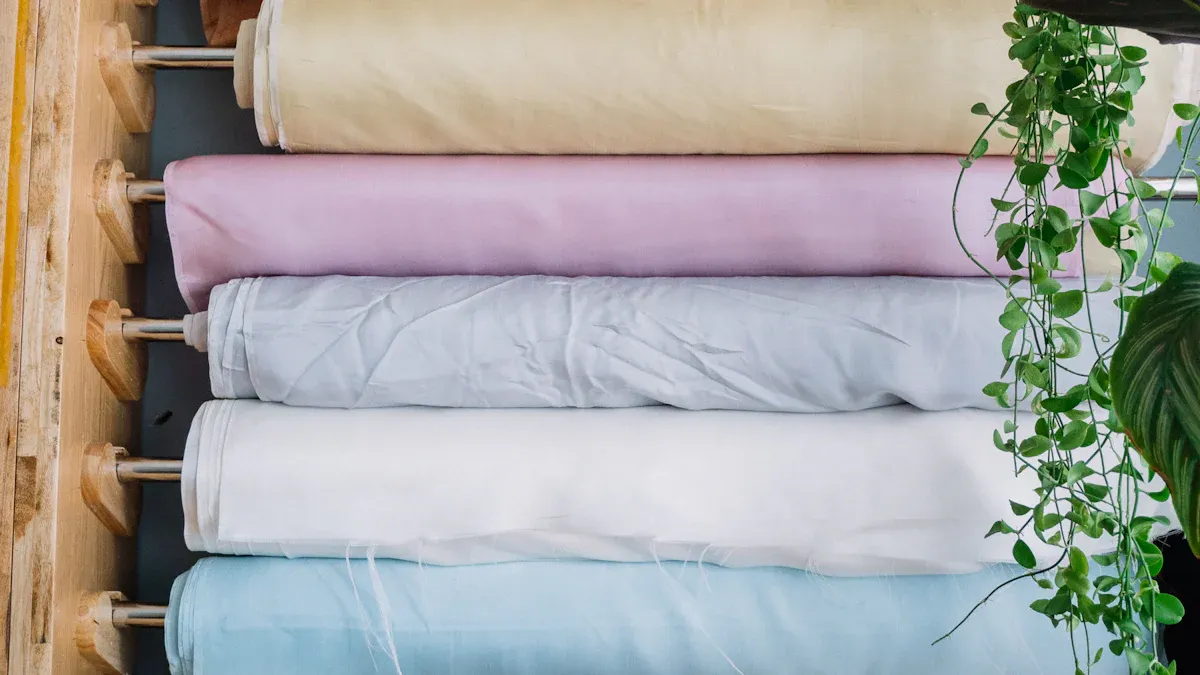
The appeal of bamboo fiber fabric goes far beyond its eco-friendly properties. Its superior physical properties make it a premium material for clothing. Brands that choose bamboo fiber fabric offer customers an exceptional wearing experience. The unique texture, excellent performance, and skin-friendly characteristics of bamboo fiber fabric are key factors in its widespread popularity. These advantages set bamboo fiber fabric apart from traditional fabrics.
Unmatched Softness and Comfort
One of the most celebrated bamboo fabric benefits is its exceptional softness. The fibers of bamboo fabric are One of the most acclaimed advantages of bamboo fiber fabric is its exceptional softness. Bamboo fibers are naturally round and smooth, a structure that creates a low coefficient of friction, allowing the fabric to glide smoothly against the skin without causing irritation. Therefore, bamboo fiber fabric has a silky, luxurious feel, often compared to high-end fabrics like cashmere or silk.
Consumers consistently praise the comfort of bamboo fiber clothing. The inherent properties of this fabric make it a pleasant wearing experience for a variety of activities.
- This material is soft, elastic, and extremely breathable.
- Loose-fitting clothing allows for freedom of movement during activities such as yoga.
- This highly absorbent and soft fabric is ideal for both sports and everyday wear.
- These athletic pants, made from ultra-soft bamboo fiber, are extremely comfortable and resistant to deformation.
- This fabric is comfortable to the touch and naturally durable.
Bamboo fiber fabric offers exceptional comfort and versatility, making it a great choice for everything from sportswear to loungewear and everyday basics.
High-Performance Natural Properties
Bamboo fiber fabric boasts a variety of high-performance properties, making it highly functional. Its main advantage lies in its superior moisture-wicking properties. The tiny pores within bamboo fibers give the fabric excellent moisture-wicking and breathability. It quickly draws sweat away from the skin and allows it to evaporate, keeping the wearer dry and comfortable. The high breathability of bamboo fiber also helps regulate body temperature, keeping you cool in hot weather and warm in cold weather.
Research has confirmed that bamboo fiber has better moisture-wicking and temperature-regulating properties than many synthetic materials. This superior performance of bamboo fiber fabric is particularly evident compared to common synthetic fibers such as polyester.
| Feature | Bamboo Fabric | Polyester Fabric |
|---|---|---|
| Moisture Management | Excellent – absorbs sweat quickly and keeps you dry | Dries fast but doesn’t absorb moisture well |
| Moisture-wicking | Excellent | Average |
The exceptional breathability of bamboo works with the body’s natural cooling processes. This makes it a top choice for activewear and sleepwear. Another powerful feature is its natural UV protection.
Bamboo fabric can offer a Ultraviolet Protection Factor (UPF) of 50+. This high rating means the fabric blocks over 98% of harmful UVA and UVB rays, providing a reliable shield for the skin.
This protective quality is inherent to the bamboo fiber’s structure, which traps more light than other fabrics. The combination of moisture control, temperature regulation, high breathability, and UV defense makes bamboo a true performance textile.
Hypoallergenic and Gentle on Skin
The smooth, round structure of bamboo fibers makes the fabric naturally hypoallergenic. It does not cause allergic reactions, making it an ideal choice for people with sensitive skin or allergies. The fabric’s softness reduces friction against the skin, which can help alleviate irritation from conditions like eczema. The excellent breathability of the material also helps keep the skin dry, preventing the buildup of moisture that can lead to rashes.
A key element contributing to these gentle qualities is a natural agent found in the bamboo plant called A natural substance called “bamboo kun,” found in bamboo, is one of the key factors contributing to bamboo’s gentle nature.
- This biological agent provides bamboo with natural protection against pests and bacteria.
- Bamboo fiber fabrics retain this property.
- It helps fabrics resist odor-causing bacteria, keeping clothes fresh for longer.
Studies have confirmed that bamboo fiber is highly absorbent and does not cause allergic reactions. Its soft texture, breathability, and natural antibacterial properties make it ideal for baby clothes, underwear, and any intimate apparel.
Meeting Market Demand for Sustainable Fashion
Choosing bamboo fiber fabric helps brands connect with today’s consumers. Consumers are increasingly valuing eco-friendly products. The trend towards sustainable fashion is growing stronger, and bamboo fiber fabric is a key material in meeting this demand. Brands using this environmentally friendly fabric can solidify their market position.
Align with Conscious Consumer Values
Modern consumers want to support brands that align with their own values. Recent research shows that 66% of consumers globally are willing to pay a higher price for environmentally friendly products. The advantages of bamboo fiber fabric perfectly match these values. Consumer demand for eco-friendly textiles is unprecedented, with millions of searches annually. The sustainability of bamboo, from its rapid growth to its low-impact cultivation methods, resonates with consumers. Using bamboo fiber fabric helps brands demonstrate their commitment to ethical sourcing and environmental responsibility.
Attract Millennial and Gen Z Shoppers
Younger generations are a powerful driving force behind the sustainability movement. Data shows that 51% of Gen Z and 44% of young millennials prefer to buy products from sustainable brands. These consumers actively seek out clothing made from natural and environmentally friendly materials.
By incorporating bamboo fabric into their collections, brands can directly appeal to these influential demographics. The softness, performance, and green credentials of bamboo make it an attractive choice for young, conscious consumers who want their purchases to reflect their principles.
This strategic move helps brands build loyalty with the next generation of buyers.
Build a Powerful and Transparent Brand Story
Brand storytelling is crucial for connecting with customers. Using bamboo allows for a compelling sustainability narrative. Brands like BAM Bamboo Clothing have built their brand image around the development of this unique material. Transparency is essential for telling such stories.
- Explain the manufacturing process of bamboo fiber fabrics to customers.
- Highlight key certifications to validate sustainability claims.
- Explain the benefits of bamboo for wearers and the environment.
By sourcing bamboo fabric wholesale and sharing its journey from plant to product, a brand can create an authentic and powerful story. This transparency builds trust and sets a brand apart in a competitive market.
How to Source High-Quality Bamboo Fabric
Finding the right supplier is a key step in using bamboo fabric. A successful partnership ensures quality, reliability, and value. The process of bamboo fabric sourcing involves more than just finding the lowest price. It requires careful evaluation of a supplier’s capabilities and credentials.
Partnering with a One-Stop Supplier like Suerte
Working with a one-stop supplier simplifies the entire production process. A single partner like Suerte handles everything from fabric selection to final production. This approach offers several advantages for brands.
- Simplified Communication: The brand has only one point of contact. This reduces misunderstandings and helps them make decisions more quickly.
- Consistent Quality: A single supplier maintains the same quality standards for all orders. This consistency helps maintain the brand’s reputation.
- Cost-Effectiveness: Purchasing bamboo fiber fabric in bulk from a single source typically results in better prices and lower administrative costs.
This partnership model is ideal for brands that need specialized bamboo fabric or want to simplify their supply chain management.
Key Certifications to Look For (FSC, OEKO-TEX)
Certification helps brands verify the quality and sustainability of bamboo fiber fabrics and provides independent evidence for suppliers’ claims. Two of the most important bamboo fiber certifications are the Forest Stewardship Council (FSC) and OEKO-TEX.
FSC certification ensures that the bamboo comes from responsibly managed forests. OEKO-TEX Standard 100 is a global safety standard that confirms that bamboo fiber fabrics are free of any harmful substances. OEKO-TEX testing can detect over 1,000 chemicals, including banned dyes, formaldehyde, and nickel.
These labels give brands and consumers confidence in the safety and environmental friendliness of bamboo fiber fabrics.
Leveraging Design Support and Quick Sampling
Top suppliers offer more than just bamboo fabric wholesale. They provide valuable design and technical support. Expert partners like Suerte help solve common production issues, such as color differences or complex pattern repeats. This support improves the final product.
Quick sampling is another critical service. Receiving physical samples of bamboo fabric in just 3-5 days allows brands to check the material’s softness and quality firsthand. This fast turnaround helps businesses make quick decisions, test new ideas, and seize market opportunities without long delays.
Wholesale sourcing of bamboo fiber fabrics is a key strategy for 2025. It helps brands combine profitability with sustainability. The numerous advantages of bamboo fiber fabrics enable businesses to meet consumer demands and gain a competitive edge in the sustainable fashion market. These advantages include its environmentally friendly properties and superior feel. This commitment to sustainability helps build brand trust. Exploring bamboo fiber fabrics is the next step for innovative brands. Integrating this unique bamboo fiber fabric into product lines helps brands prepare for the future.
FAQ
Is bamboo fabric a truly sustainable choice?
Yes, bamboo is a highly sustainable resource. The plant grows very fast and regenerates from its own roots after harvest. It requires minimal water and often no pesticides. Bamboo forests also absorb large amounts of carbon dioxide, making the fabric an excellent eco-friendly option.
What makes bamboo fabric good for clothing?
Bamboo fabric provides exceptional comfort and performance. Its fibers are naturally soft, smooth, and hypoallergenic. The material is also very breathable and wicks moisture away from the skin. These qualities make it ideal for many types of apparel, from activewear to everyday basics.
Why should a brand choose a one-stop supplier?
A one-stop supplier simplifies the entire production process. Brands benefit from streamlined communication and consistent quality control. This model improves efficiency, helps reduce overall costs, and ensures a reliable supply chain from design to final fabric production.
What are the main economic benefits of buying bamboo fabric wholesale?
Buying wholesale lowers the per-unit cost of fabric. This directly improves a brand’s profit margins and provides greater pricing flexibility. A stable supply from wholesale partners also reduces the risk of production delays, securing business operations for the brand.