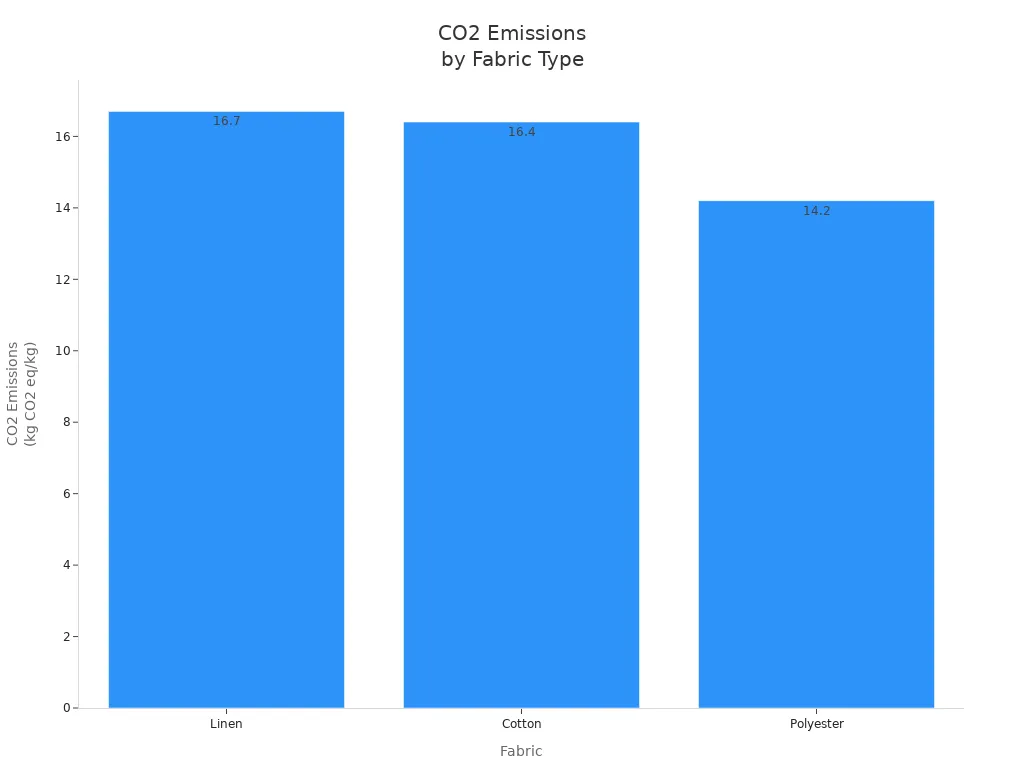
You may have noticed that more and more people are choosing natural linen fabrics to embrace an eco-friendly lifestyle. Over 60% of consumers now prefer environmentally friendly materials, with linen standing out as a sustainable fabric. Natural linen fabrics use renewable resources and have a minimal environmental impact. It supports sustainability because it comes from flax—a plant that only needs rainwater to grow. Choosing natural linen fabrics for clothing or home furnishings is contributing to protecting our planet. The table below compares the environmental impact of linen with other fabrics.
Key Takeaways
- Natural linen fabric uses less water and chemicals than cotton and synthetic fabrics, making it an environmentally friendly choice.
- Linen comes from flax, a renewable plant that grows on rainwater and decomposes rapidly, reducing waste and pollution.
- Linen clothing and bedding are durable, becoming softer with use, and require minimal care, saving you time and money.
- Wearing and using linen products helps you adopt a sustainable lifestyle, reduce your carbon footprint, and protect the environment.
- Linen’s breathability and hypoallergenic properties make it suitable for sensitive skin year-round, providing comfort and health benefits.
Environmental Benefits of Natural Linen Fabric
Low Water and Chemical Use in Sustainable Fabric Production
Choosing natural linen fabric makes a huge contribution. Linen, the raw material for linen cloth, thrives with just rainwater, unlike cotton which requires additional irrigation. This means that every time you choose linen, you’re contributing to water conservation. Please see the table below for the water requirements of different fabrics:
| Fabric Type | Water Required per Kilogram |
|---|---|
| Natural Linen (Flax) | Approximately 500 liters (rainwater only) |
| Cotton | 7,000–10,000 liters (needs irrigation) |
| Polyester | Data not available / unknown |
Flax grows in temperate regions and requires only rainwater. Cotton, on the other hand, requires approximately 10,000 liters of water to produce one kilogram of fabric. This water typically comes from rivers and lakes, placing a significant burden on the environment.
By choosing linen, you are also supporting ethical production practices. Linen production uses fewer chemicals compared to other fabrics. Most of the chemicals in linen come from the retting process, which separates the fibers from the stems. Many producers now use water retting, a slower but more environmentally friendly method. Other fabrics often require large amounts of chemicals, such as caustic soda, dyes, and detergents, during dyeing and finishing processes. By choosing linen, you are helping to reduce chemical pollution and support environmentally responsible production practices.
Renewable and Biodegradable Qualities of Linen
Natural linen is considered a sustainable fabric because it is derived from flax, a renewable crop. Flax grows rapidly, thrives even in poor soil, and requires minimal water and fertilizer. This makes it one of the most sustainable materials for clothing and home furnishings. Choosing products made from natural fibers like linen is contributing to the conservation of our planet’s resources.
Flax also degrades much faster than synthetic fibers. In landfills, flax biodegrades in about two weeks. In contrast, polyester or nylon can take decades or even centuries to degrade. The table below shows the biodegradation times for different fabrics:
| Fabric Type | Biodegradation Time Under Typical Landfill Conditions |
|---|---|
| Natural Linen (Flax) | Approximately 2 weeks |
| Hemp (Comparable) | Approximately 2 weeks |
| Nylon | 30–40 years |
| Lycra/Polyester | 20–200 years |
| Spandex | Hundreds of years (very slow) |
You support sustainability and reduce waste when you choose linen. Flax fibers break down much faster than organic cotton, bamboo, or synthetic fabrics. This quick biodegradation helps keep landfills from filling up with waste and supports a cleaner planet.
Reduced Carbon Footprint Compared to Other Fabrics
Choosing sustainable textiles like linen can reduce your carbon footprint. Producing one kilogram of linen generates approximately 16.7 kilograms of CO2 equivalent. Cotton has similar emissions but uses significantly more water and pesticides. Polyester has an even higher carbon footprint and cannot be degraded naturally. The table below compares the carbon emissions of linen with other fabrics:
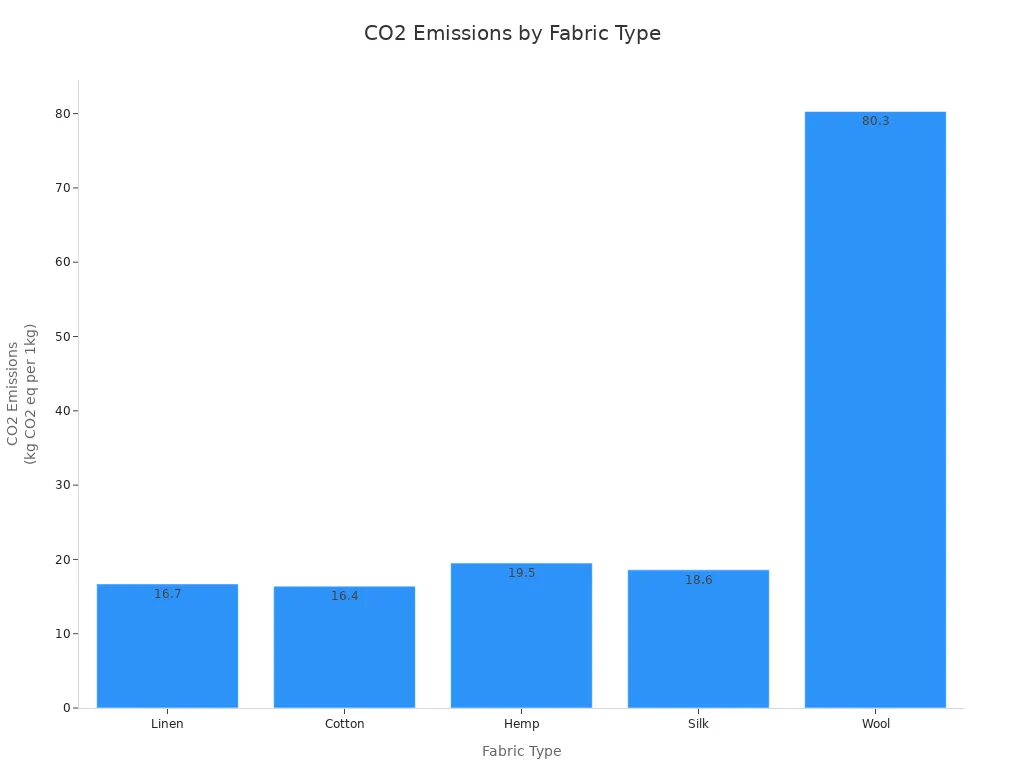
Flax’s main emissions come from production and transportation. Flax cultivation requires less water and pesticides, resulting in a minimal environmental impact. Wool and silk, on the other hand, have much higher emissions, primarily from livestock farming. Choosing flax supports ethical and sustainable fabric choices, contributing to addressing climate change.
Tip: Choosing natural flax fabrics supports an environmentally friendly, ethical, and sustainable lifestyle. You not only enjoy high-quality sustainable textiles but also help save water, reduce chemical use, and lower greenhouse gas emissions.
Practical Advantages of Sustainable Linen Clothes
Exceptional Durability and Longevity
You want your wardrobe to last. Sustainable linen clothes give you that advantage. Linen clothing stands out for Do you want your wardrobe to last? Sustainable linen clothing is the answer. Linen garments are known for their durability. The strong natural fibers in linen help garments maintain their shape and quality, even after multiple washes. Unlike cotton garments, which wear out and lose their softness easily, linen becomes more comfortable with wear. With proper care, your sustainable linen clothing can last for decades.
Here are some of the most common reasons why linen wears out:
- Frequent washing, especially with hot water or intensive wash cycles, weakens the fibers.
- Friction from daily activities wears down high-contact areas.
- Sunlight can fade colors and weaken fibers.
- Strong chemicals like bleach can damage the fabric.
- Storing sheets in damp places can cause mildew.
If you treat your sustainable linen clothing gently and store it properly, you can enjoy it for 20 to 30 years.
Tip: Rotate your linen garments and wash them with care to extend their lifespan.
Comfort, Breathability, and Hypoallergenic Properties
You’ll feel the difference immediately when you put on sustainable linen clothing. Linen is exceptionally breathable and comfortable. Its fibers allow air to circulate freely, keeping you cool even in hot weather. Linen also wicks away moisture quickly, keeping you feeling fresh and comfortable all day long.
| Property | Linen Advantage |
|---|---|
| Breathability | Air circulates easily, keeping you cool and dry |
| Moisture-Wicking | Linen absorbs and releases moisture faster than cotton or synthetics |
| Hypoallergenic | Fewer allergens and dust, making it ideal for sensitive skin |
| Antibacterial | Natural resistance to bacteria and dust mites |
Sustainable linen clothes are perfect if you have allergies or sensitive skin. The fabric’s natural properties help reduce irritation and promote better sleep.
Easy Care and Low Maintenance
Wearing eco-friendly linen saves time and effort. Linen doesn’t easily attract stains, so it doesn’t require frequent washing. Linen garments usually only need to be air-dried or spot-washed. When washing, use a mild detergent and cold water. Air drying works best, but you can tumble dry on a low heat if necessary.
- Accept the natural wrinkles of linen—no ironing required.
- Store sheets and blankets in a cool, dry place, using breathable bags.
- Use a mild detergent to quickly remove stains.
Linen garments are easy to care for, allowing you to spend less time on laundry and more time enjoying wearing them. This low-maintenance approach aligns with a sustainable lifestyle and keeps your wardrobe in top condition.
Long-Term Value of Natural Linen Fabric
Improves with Age and Use
You will notice that linen fabric gets better the more you use it. When you first buy linen, it may feel a bit stiff. You’ll find that linen gets better with use. When you first buy it, linen might feel a little stiff. But after a few washes and everyday wear, the fabric will become soft and comfortable. The natural fibers of linen stretch and soften over time, giving clothing and bedding a gentle, comfortable texture. Washing linen in cold or lukewarm water with a mild detergent and letting it air dry will help it maintain its quality and appearance. Linen is not easily worn and will become more beautiful and comfortable to the touch over time.
- Many people appreciate that linen gets softer with use.
- With proper care, this fabric can last for decades.
- Linen becomes stronger when wet, making it very durable.
- Linen doesn’t require ironing; its natural wrinkles add to its charm.
- Linen retains its look and feel over time, making it a top choice for bedding and clothing.
- Stains are easily removed, so your sheets will stay fresh.
This fabric gets better with time, making it a smart choice for your home and wardrobe.
Reduces Waste and Supports Minimalist, Sustainable Living
When you choose linen, you help reduce waste in many ways. Linen is 100% biodegradable and recyclable, so it Choosing linen allows you to reduce waste in many ways. Linen is 100% biodegradable and recyclable, so it doesn’t burden landfills like synthetic fibers. Old linen items can be recycled, saving energy and resources. Linen production utilizes every part of the flax plant, with virtually no waste. This means less pollution and less environmental stress.
- Linen products decompose quickly in landfills, preventing long-term waste.
- Flax cultivation (used to produce linen) uses far less water than cotton, conserving precious water resources.
- Linen’s durability means you can change clothes less frequently, reducing textile waste.
- Linen production requires less energy and generates less waste compared to many other fabrics.
- Recycling linen textiles helps reduce landfill waste and contributes to protecting the planet.
Linen perfectly embodies a sustainable lifestyle. It is natural, durable, and reflects a simple, timeless way of life. The table below illustrates how linen aligns with the core values of minimalism and sustainability:
| Aspect | Evidence Summary |
|---|---|
| Natural Origin | Linen comes from flax, a hardy plant that needs little water or chemicals. |
| Environmental Benefits | Flax uses much less water than cotton. |
| Durability | Linen lasts for years, so you buy less and create less waste. |
| Biodegradability | Linen breaks down fully if you compost it, reducing landfill waste. |
| Ethical Production | Many linen products have organic or fair trade certifications. |
| Minimal Waste | All parts of the flax plant are used, so there is little production waste. |
| Timeless Appeal | Linen’s classic style fits with minimalist and sustainable living. |
Tip: By choosing linen, you help protect the environment and support a lifestyle that values quality over quantity.
Versatility and Style: Linen Bedding and Sustainable Fashion
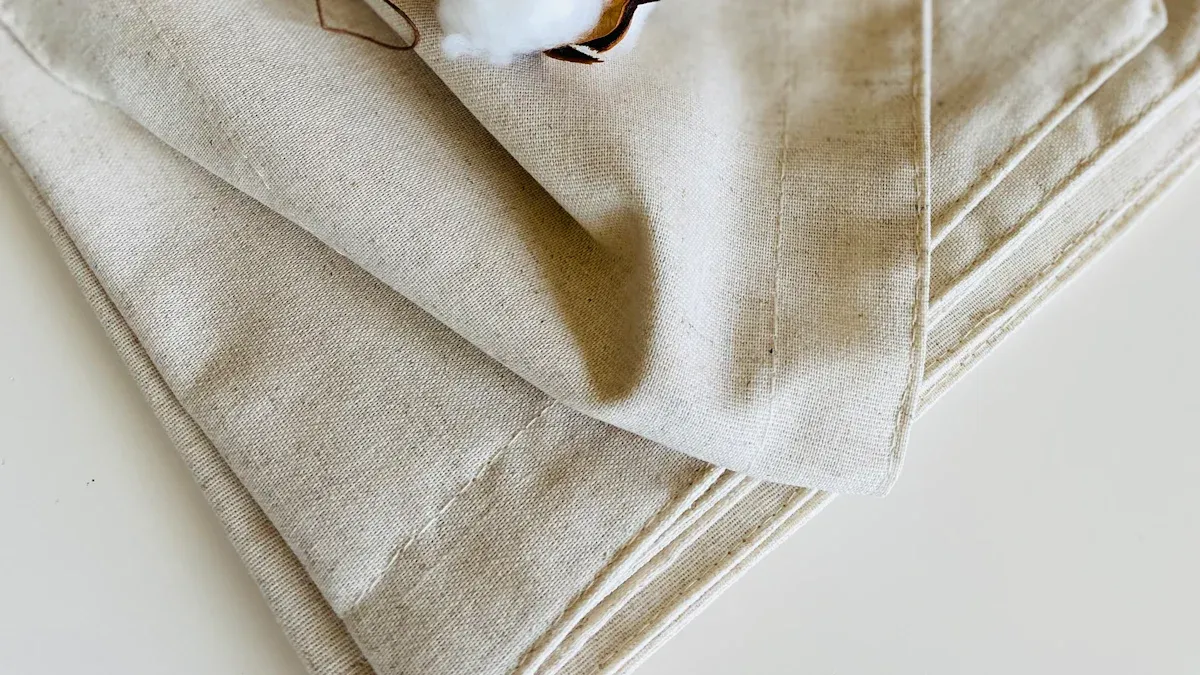
Linen Bedding for Eco-Friendly Homes
You can transform your bedroom with linen bedding. Many eco-friendly homes choose linen bedding because it Decorate your bedroom with linen bedding. Many eco-friendly families choose linen bedding because it supports a sustainable lifestyle. Linen bedding, especially that made from organic linen fibers, consumes fewer resources than cotton bedding. Linen grows using rainwater and requires no artificial irrigation or pesticides. This helps protect local ecosystems and maintain biodiversity.
People typically choose linen bedding for the following reasons:
- Linen bedding regulates temperature, keeping you cool in summer and warm in winter.
- It wicks away moisture, keeping you dry and comfortable all night.
- Linen bedding is hypoallergenic and resistant to dust mites and bacteria, which is helpful for allergy sufferers.
- This fabric is durable, reducing waste and saving money.
- Organic linen bedding has carbon-negative properties, helping to protect the environment.
You can also use linen curtains in your bedroom to create a natural style. Linen curtains let in soft light, adding warmth and comfort. Many eco-friendly families use linen curtains in both their living rooms and bedrooms. You can coordinate linen curtains with bedding, linen table runners, or linen tablecloths for a unified and sustainable style.
Sustainable Linen Clothes for Everyday Wear
Sustainable linen clothing is ubiquitous in the world of sustainable fashion. Made from organic linen, this means no harmful chemicals or synthetic fertilizers are used. Sustainable linen is durable, breathable, and long-lasting. It’s suitable for everyday casual wear, work, and special occasions.
Sustainable fashion brands focus on high-quality, durable pieces. You can find eco-friendly linen that gets softer with each wash. Many brands offer certifications like GOTS or OEKO-TEX® to demonstrate their commitment to safe and ethical production. You can pair sustainable linen with hats, sandals, or bags for a complete eco-friendly look. Linen wrinkles easily, but this actually gives your outfits a relaxed and natural style. You can gently wash and air dry your linen garments to care for them.
Linen curtains also play a vital role in creating sustainable home fashion. Use linen curtains in your wardrobe or dressing room to create a soft and stylish space. Add a touch of sustainable elegance with a linen table runner or tablecloth in the dining room.
Featured Product: Suerte Linen Collection
You can browse the Suerte linen collection and choose your favorite sustainable linen products. This collection combines the softness of cotton with the strength and breathability of linen, resulting in comfortable and durable fabrics. Suerte offers a wide range of colors, weights, and finishes, covering bedding, sustainable linen apparel, linen curtains, and more.
Suerte’s unique features include:
| Feature | Suerte Linen Cotton Blend | Typical Market Blend |
|---|---|---|
| Weave Consistency | High consistency ensuring tight weaves | Varies, often less consistent |
| Customization Options | Extensive customization available | Limited options |
| Sample Turnaround | Fast sample service within 3-5 days | Slower, typically 7+ days |
| Cost Control | Optimized for better cost efficiency | Standard cost control |
You can use Suerte’s sustainable linen collections for bedding, linen curtains, a linen table runner, or a linen tablecloth. The collection supports eco-friendly homes and sustainable fashion. You get reliable durability, easy care, and a stylish look for every room.
Tip: Choose linen bedding and sustainable linen clothes to support eco-friendly living and enjoy comfort, durability, and timeless style.
Choosing natural linen is undoubtedly a wise decision. Linen is renowned for its water-saving, efficient use of plant resources, and biodegradability. This fabric is durable, comfortable to wear, and supports an environmentally conscious lifestyle. Linen’s durability and versatility perfectly match the needs of both fashion and home life.
Choose linen to support a cleaner planet and enjoy the benefits of sustainable, eco-friendly living.
FAQ
What makes linen fabric sustainable?
Linen comes from flax, a renewable plant. Flax grows with rainwater and needs few chemicals. Linen fabric biodegrades quickly. You help the planet when you choose linen.
How do you care for linen clothes?
Wash linen in cool water with mild detergent. Air dry or tumble dry on low. You do not need to iron linen. Embrace its natural wrinkles for a relaxed look.
Is linen fabric good for sensitive skin?
Yes! Linen feels soft and lets your skin breathe. It resists dust mites and bacteria. You can wear linen if you have allergies or sensitive skin.
Can you use linen all year round?
You can use linen in every season. Linen keeps you cool in summer and warm in winter. Its breathability and moisture-wicking properties make it comfortable all year.
Tip: Linen bedding and clothes work well in both hot and cold climates.