People often ask what stretch mesh is called in textiles. Stretch mesh has many other names, including stretch fabric, stretch mesh weave, strong mesh, and mesh knit fabric. These names all refer to stretch mesh fabrics for their flexibility and mesh-like appearance. Designers love this type of stretch mesh because it feels soft to the touch and conforms to the body’s curves. Each name emphasizes the comfort and versatility of stretch mesh.
Key Takeaways
- Stretch mesh fabric is also known as strong mesh or elastic mesh. Each name represents different properties and uses.
- Stretch mesh fabric provides strong support and has four-way stretch. It is ideal for making sportswear and shapewear.
- When choosing mesh fabric, its elasticity, weight, and material should be considered. This will help you find the fabric best suited for your project.
- Care for stretch mesh fabric: Wash in cold water and air dry to maintain its shape and strength.
- Different types of mesh fabric have different uses; for example, they can be used to make sportswear or performance costumes. Please choose the appropriate type according to your needs.
What is stretch mesh fabric called?
Main Names and Synonyms
In the textile industry, stretch mesh fabric has many names, which can be confusing. The most common names include stretch mesh, stretch mesh fabric, strong mesh, and mesh knit fabric. Each name represents a specific function or purpose. Mesh refers to fabric with numerous small holes and is commonly found in sportswear. All of these fabrics have a mesh-like appearance and are stretchy, making them ideal for sportswear, dancewear, and fashion apparel.
Designers and manufacturers use these names to refer to fabrics that look similar, but their properties can differ. For example, strong mesh contains more spandex, giving it greater elasticity and support. Mesh knit fabric is made through a knitting process, which affects its feel and lifespan. Stretch mesh has larger holes and appears more open.
Stretch Mesh vs. Strong Mesh
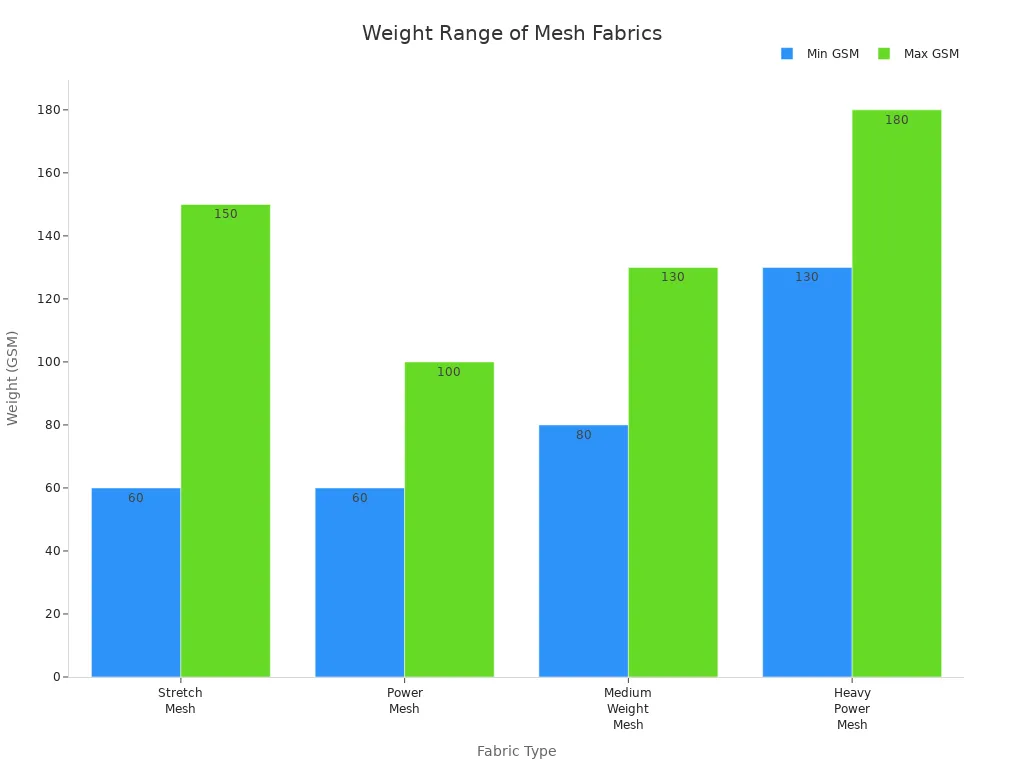
Stretch mesh and strong mesh are both very popular mesh fabrics. Both are stretchy, but they are not the same. Their fibers, elasticity, and uses differ. The table below shows their differences:
| Fabric Type | Composition | Weight (GSM) | Stretch Type | Uses |
|---|---|---|---|---|
| Stretch Mesh | 80–90% nylon + 10–20% spandex | 60–150 | 2-way/4-way | Sports jerseys, dancewear, lingerie |
| Power Mesh | 5–15% spandex, rest polyester/nylon | 60–100 | 4-way | Lining for activewear, sheer inserts |
| Medium Weight Mesh | 100% polyester or poly/spandex blend | 80–130 | 2-way/4-way | Team uniforms, workout gear |
| Heavy Power Mesh | 20–30% spandex, rest nylon/polyester | 130–180+ | 4-way | Shapewear, swimwear lining |
The unique feature of strong mesh fabric is its high spandex content. This gives it exceptional four-way stretch and allows it to quickly return to its original shape. It’s ideal for garments that need to maintain a close fit. Stretch mesh fabric may have a lower spandex content, resulting in a softer or lighter feel. Both fabrics are breathable and flexible. However, strong mesh fabric offers greater support.
| Fabric Type | Fiber Content | Elasticity |
|---|---|---|
| Power Mesh | 10–20% spandex blended with nylon/polyester | Significant 4-way stretch and recovery |
| Stretch Mesh | Varies, often includes spandex | Typically less elastic than power mesh |
Stretch Mesh and Mesh Knit Fabrics
Stretch mesh and mesh knit fabrics are alternative names for stretch mesh fabrics. Designers and manufacturers frequently use these names as well. These fabrics each have their unique look and uses. Stretch mesh has larger openings, making it more breathable. It is lightweight, breathable, and allows some light to pass through. It is often used to make clothing or as a pretty lining. Mesh knit fabric has smaller, more even openings. It has a smoother feel and a longer lifespan, depending on the tightness of the yarn and the weave.
| Fabric Type | Structure Characteristics | Durability Factors |
|---|---|---|
| Mesh Knit | Finer, more uniform knit with smaller apertures | Depends on material (e.g., nylon vs. polyester), yarn thickness, and density. |
| Stretch Net | More open structure with larger holes | Heavily influenced by material and construction; can be very durable if made from thick, coated nylon. |
People sometimes confuse these names or think they are the same. However, the manufacturing process and material of a fabric affect its feel and performance. Mesh knit fabrics are often used in sportswear due to their strength, durability, and smooth feel. Stretch mesh fabrics, on the other hand, are favored in fashion and theatrical costumes because of their lightweight and breathability.
Key Characteristics of Stretch Mesh Fabric
Composition and Structure
Stretch mesh fabrics use elastic fibers, providing a unique wearing experience. Most mesh fabrics are blended with spandex or elastic fibers and nylon or polyester. These blended fibers give the fabric both strength and elasticity. The table below lists the spandex and nylon or polyester content in each type of mesh fabric:
| Type of Mesh | Spandex Percentage | Nylon/Polyester Percentage |
|---|---|---|
| Standard Stretch Mesh | 10–20% | 80–90% |
| Lightweight Stretch Mesh | 5–15% | 85–95% |
| Heavy Power Mesh | 20–30% or more | 70–80% or less |
Suerte offers a wide selection of mesh fabrics. Designers can customize colors, weights, and blend ratios to find the perfect mesh fabric for their project.
Stretch and Breathability
Stretch mesh fabrics can be stretched in two or four directions, allowing them to move with the body. Lightweight and flexible, mesh fabrics are ideal for sportswear and dancewear. The mesh structure is breathable, helping to keep the wearer cool and dry. Many mesh fabrics, such as lightweight stretch mesh, are well-suited for sportswear due to their excellent elasticity and breathability.
Look and Texture
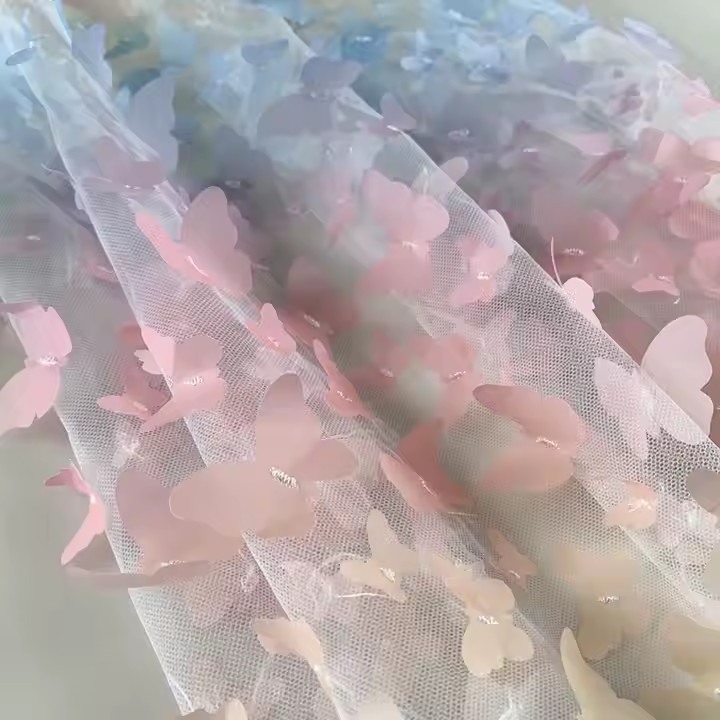
Mesh fabrics appear as a net filled with holes of varying sizes. Upon closer inspection, you’ll notice that stretch mesh fabrics maintain their loop structure even when stretched, making them more shape-retaining than regular mesh fabrics. Their surface has a soft, smooth feel. Some mesh fabrics have a very fine knit texture, while others are more open. Designers can choose from a variety of textures and patterns. Suerte offers custom aperture, patterns, and surface treatments. These options help brands create a unique look using mesh fabrics.Types of mesh fabric

There are many types of mesh fabrics, each with its unique characteristics and uses. Some mesh fabrics are elastic, while others are not. Designers choose the appropriate mesh fabric based on project requirements, considering factors such as support, breathability, and style.
Strong Mesh Fabric and High-Strength Mesh
Strong mesh fabric and high-strength mesh fabric are two special types of elastic mesh fabrics. Strong mesh fabric is made from a blend of nylon and spandex, offering a soft touch and excellent elasticity. High-strength mesh fabric has a tighter weave and smaller mesh openings, making it more durable and providing greater support. Both fabrics are commonly used in the production of sports bras, shapewear, and leggings.
| Feature | Powernet | Power Mesh | Other Stretch Mesh |
|---|---|---|---|
| Strength | High compression, strong support | Lightweight, less supportive | Varies, generally less strong |
| Elasticity Retention | Greater under stress | Moderate | Varies |
| Durability | Long-term, suitable for wear | Less durable, more for aesthetics | Varies |
| Typical Composition | 75-80% nylon, 20-25% spandex | Varies, often less spandex | Varies |
| Common Uses | Shapewear, sports bras, leggings | Breathable garments, aesthetics | Varie |
Sports Mesh and Breathable Mesh
Sports mesh and breathable mesh are designed to provide a comfortable wearing experience and help wick away sweat. Sports mesh quickly draws sweat away from the skin, keeping you dry during exercise. Breathable mesh allows air to circulate, making it ideal for sportswear and uniforms. Stretch mesh, such as lightweight stretch mesh, flexes and moves with the body. Spandex or elastane gives these fabrics all-around elasticity.
Phantom Mesh, Tulle Mesh, and Floral Mesh
Phantom mesh, tulle mesh, and floral mesh combine style and functionality. Phantom mesh feels natural against the skin and is perfect for layering wedding dresses and costumes. Tulle mesh is durable and breathable, ideal for sportswear and everyday wear. Floral mesh features vibrant patterns that add beauty to dresses and curtains.
| Fabric Type | Unique Characteristics | Common Applications |
|---|---|---|
| Illusion Mesh | Skin-tone, lightweight, breathable, ideal for layering | Wedding dresses, performance outfits |
| Sheer Mesh | Durable, breathable, versatile | Activewear, casual wear |
| Floral Mesh | Printed with vibrant patterns, adds decorative touch, lightweight | Flowy dresses, lightweight curtains |
There are other types of mesh fabrics. Larger mesh sizes are often used to make bags or hats. Knitted mesh is soft and flexible, making it suitable for sportswear. Stiffer mesh is used to make sieves or handicrafts. Each type of mesh fabric has its unique function in design and use.
How to Identify and Choose Stretch Mesh
How to Identify Stretch Mesh
Stretch mesh can be identified by its appearance and feel. Stretch mesh looks like a net with varying mesh sizes. It feels soft to the touch and is not easily torn when bent. Many types of mesh fabrics come in bright colors and stylish patterns, making them easy to use in a variety of projects. Strong mesh is different because it provides stronger support. Designers often use strong mesh to make bras and corsets. Strong mesh does not sag easily and provides strong support. Knitted mesh has smaller, more uniform mesh sizes and a smooth feel.
To determine if a fabric is stretch mesh, check the following:
- Stretch mesh bends two or four ways.
- Power mesh feels firm and snaps back fast.
- Mesh netting has bigger holes and feels light.
- Mesh knit fabric is smooth and lasts longer.
Selection Criteria
Choosing the right mesh fabric depends on your needs. You should consider its elasticity, weight, material, color, and intended use. The table below lists key considerations for selecting mesh fabrics for sportswear and underwear:
| Criteria | Activewear | Lingerie |
|---|---|---|
| Material Robustness | Needs strong, supportive mesh fabric | Focuses on comfort and delicacy |
| Stretch & Recovery | High-stretch for movement | Softer, less stretch |
| Breathability | Open mesh fabric for airflow | Lightweight and sheer |
| Moisture Management | Wicks sweat away | Less focus on moisture |
| Fiber Composition | Nylon-spandex blends | Polyester-spandex blends |
| Weight (GSM) | Heavier mesh fabric (130+ GSM) | Lighter mesh fabric (60-100 GSM) |
Designers looking to customize sportswear mesh fabric can order from Suerte. The minimum order quantity is only 300 kg. Suerte can quickly produce samples, allowing designers to review colors and sizes before placing large orders. This helps brands test designs before placing large orders.
Common Uses and Applications
Mesh fabric has a wide range of uses. It’s used to make sportswear, jerseys, shorts, and socks. Lightweight and breathable, mesh helps keep you cool. The fine mesh openings help wick away sweat. Four-way stretch allows for freedom of movement. Mesh fabric is ideal for making compression garments and sports equipment. Sports teams also use stretch mesh fabric for training clothes and workout gear. Mesh fabric is easy to wash and durable. Sewing stretch mesh fabric is simple, making it a favorite among both novice and experienced seamstresses.
Care Tips for Stretch Mesh Fabric
Washing and Drying
Stretch mesh fabric needs gentle care to stay strong and stretchy. People who use activewear or activewear fabric should always check the care label before washing. Cold water works best for cleaning mesh. Hand washing or using a gentle cycle in the machine helps protect the fibers. Hot water can damage the stretch and make the fabric wear out faster.
- Wash mesh fabric in cold water to keep it from shrinking.
- Choose a gentle cycle or wash by hand for best results.
- Air drying works better than using a dryer. Hang mesh on a clothesline or lay it flat on a drying rack.
- If a dryer is necessary, use the lowest heat setting to avoid breaking down the elastic fibers.
- Avoid direct sunlight when drying. Sunlight can fade colors and weaken the fabric.
These steps help keep activewear looking new and feeling comfortable. Air drying also helps mesh fabric last longer and keeps its shape for many uses.
Storage and Handling
Proper storage keeps stretch mesh fabric in good condition. People should keep mesh away from rough items like zippers, jewelry, or Velcro. These things can snag or tear the fabric. Using padded or fabric-covered hangers helps mesh clothing keep its shape, especially in the shoulders.
- Fold heavier or stretchy mesh items instead of hanging them. This keeps the fit and prevents stretching.
- Place mesh garments in a breathable garment bag or cotton pillowcase. This protects them from dust and snags.
- Store mesh in a cool, dry place. Humidity and pests can damage activewear fabric.
- Lay mesh flat to air-dry. This prevents stretching and helps the fabric keep its shape.
- Avoid sharp accessories and rough surfaces when handling mesh.
These tips help activewear and activewear fabric stay strong and flexible. Good care means mesh garments will last longer and look better for every workout or event.
Stretch mesh fabric has many names. Each one is a little different and used for special things.
| Fabric Type | Characteristics | Typical Uses |
|---|---|---|
| Power Net | Feels firm and does not hang down | Bras, compression tights |
| Power Mesh | Can be used in many ways, like stretch mesh | Athletic wear, jerseys |
| Stretch Mesh | Comes in lots of colors and bends easily | Clothing inserts, nightgowns |
| Glistenette | Looks see-through and soft, mixes chiffon and sporty fabric | Skirts, workout leggings |
FAQ
What’s the difference between stretch fabric and regular mesh?
Stretch fabric contains elastic fibers like spandex, giving it excellent stretch and resilience. Regular mesh, on the other hand, has poor stretch. Stretch fabric is ideal for clothing that requires flexibility and comfort.
Can stretch fabric be used in swimwear?
Designers often choose stretch fabric for swimwear. Its all-around stretch allows it to conform well to the body. This fabric dries quickly, is comfortable to wear, and retains its shape even when wet.
What role does stretch fabric play in sportswear?
Athletes wear sportswear made of stretch fabric because it stretches with body movement, making exercise easier and more free. Furthermore, stretch fabric is breathable, helping to keep the skin cool. Many sportswear brands use stretch fabric to make sweatshirts and shorts.
Is stretch fabric suitable for making performance costumes?
Stretch fabric is a popular choice for making performance costumes. It’s comfortable against the skin and allows for free movement. Performers can dance or perform freely without feeling restricted. Stretch fabrics come in a wide variety of colors and patterns, making them ideal for creative designs.
How should people care for garments made of stretch fabric?
Stretch fabrics should be washed in cold water. A gentle cycle or hand washing is recommended. Air drying helps extend the fabric’s lifespan. Proper care will keep stretch fabrics strong and elastic.