Want to tone down the shine of your satin fabric and give it a more matte finish? You can try some simple tricks, such as using matte spray, gentle washing, or even sprinkling some talcum powder. Some people press the satin with a cloth or turn it to the matte side to make it look softer. Remember, the effect may vary if your satin is silk, polyester, or a blend. Be sure to test it on an inconspicuous area first. With a little patience, you can maintain the elegant texture of satin while making it more in line with your personal style.
Key Takeaways
- You can use matte spray, gentle washing, careful ironing with an ironing cloth, or satin powder to reduce the shine of satin. —Always test any method on a small, inconspicuous area first to ensure you don’t damage the satin fabric. —Choose gentle washing with cold water and mild soap to gradually reduce the shine without damaging the fabric. —Turning the satin to the matte side or cutting it against the grain can also reduce the shine without additional treatment. —Never use strong chemicals, high temperatures, or rough methods to clean satin, as these will damage the appearance and feel of the satin.
Satin Fabric Shine
Why Satin Shines
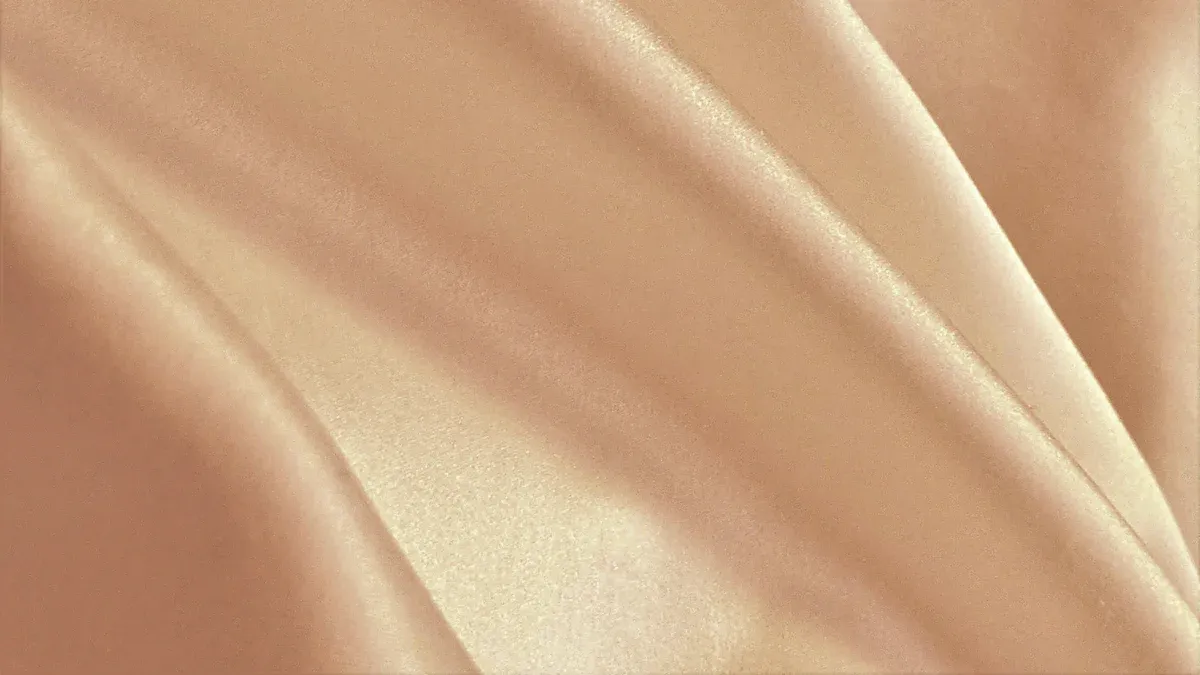
Have you ever wondered why satin looks so shiny? The secret comes from the way people weave satin. In satin, Have you ever wondered why satin looks so shiny? The secret lies in how it’s woven. In satin weaving, the yarns interweave in a special pattern. This pattern allows the yarns to lie smoothly and evenly against the fabric surface. When light shines on the fabric, it reflects off these smooth yarns, creating the characteristic sheen of satin.
- Satin weave uses four or more yarns that float above a lower yarn.
- These long floats make the surface of the fabric very smooth.
- The light is reflected evenly, so you see a soft, luminous sheen.
- Satin typically uses long, smooth fibers similar to silk. These fibers help enhance the satin’s luster.
You’ll find that not all satin has the same sheen. Silk satin usually looks the most lustrous. Polyester satin can also look very shiny, but sometimes it can feel a bit stiff. Rayon satin usually has a soft sheen, while the sheen of blended satin depends on its composition.
Tip: Some satin fabric has two sides. One side is shiny, and the other side looks more matte. You can use the matte side if you want less shine.
Challenges to Matting
Trying to make satin look matte can be tricky. The smooth surface and special weave fight to keep that shine. If you use the wrong method, you might damage the fabric or make it look uneven. Each type of satin reacts differently. Silk satin can be delicate, while polyester satin is tougher but may not lose its shine easily. Always test your method on a small spot first. This way, you keep your satin fabric safe and get the look you want.
Matte Sprays for Satin
Materials Needed
Before you start, gather everything you need. You do not want to stop in the middle of your project. Here is a simple list to help you get ready:
- Matte fabric spray paint (available at most craft stores)
- Hairspray (as a quick alternative)
- Cleaning spray bottle (if you want to make your own solution)
- Soft, clean cloth or sponge
- Maskting tape or newspaper (to protect your work area)
- Clothes hanger or clothes rack
Tip: Always read the label on your spray. Some sprays work better on certain types of satin. Test on a small, hidden spot first.
Application Steps
You can use matte sprays or hairspray to reduce the shine on satin. Follow these steps for the best results:
- Lay the satin fabric flat on a clean surface. Cover the area around the fabric with tape or newspaper.
- Shake the matte spray can well before use. Hold the spray can about 8-12 inches away from the satin surface.
- Spray a thin, even coat of the coating onto the fabric. Do not wet the satin. Less is more.
- Let the fabric air dry for at least 30 minutes. For a more matte finish, apply another thin coat.
- If using hairspray, follow the same steps. Hairspray provides a softer matte finish and is easy to wash off.
- Hang or lay the satin flat to dry. Do not fold or touch the fabric until it is completely dry.
Note: Matte sprays and hairspray work best on polyester or rayon satin. Silk satin may react differently. Always test first.
Pros and Cons
Matte sprays can help you change the look of satin quickly. Here is a table to show you the good and not-so-good sides:
| Pros | Cons |
|---|---|
| Easy to use | Results are temporary |
| Works fast | May need reapplication after washing |
| No special tools needed | Can change fabric feel |
| Good for costumes or crafts | Not always even on large pieces |
Tip: Use matte sprays for special events or photoshoots. If you want a long-lasting matte look, try other methods too.
Matte sprays give you a simple way to make satin less shiny. The effect does not last forever, but it is great for quick fixes. Remember, every type of satin is different. Always test your spray and follow these tips for the best results.
Washing Techniques for Satin Fabric
Washing and Drying
Satin can be made less shiny with proper washing. Wash satin in cold water on a gentle cycle. For added care, hand wash satin. Gently agitate the fabric in the water; do not wring. After washing, lay satin flat on a towel or hang to dry. Avoid using a tumble dryer. High temperatures will accentuate the shine and may even damage the fabric.
Tip: Air drying helps keep the shape of your satin and slowly reduces the shine over time.
Detergents and Softeners
When washing satin fabrics, choose a mild detergent. Strong detergents can damage the fibers and cause the fabric to lose its luster. You can add a small amount of fabric softener to the rinse water. This helps to relax the fibers, making the satin fabric look softer and less shiny. If you want to try a more natural method, you can add a small amount of white vinegar to the rinse water. White vinegar helps to remove some of the shine without damaging the fabric.
Here is a brief list of best options:
| Product | Good for Satin? | Effect on Shine |
|---|---|---|
| Mild Detergent | Yes | Gentle Dull |
| Fabric Softener | Yes | Softer Look |
| White Vinegar | Yes | Less Gloss |
| Bleach | No | Damages Satin |
Cautions
You want satin to have a matte finish, but also for its durability. Never use hot water, bleach, or scrub vigorously, as these will damage the fabric. Repeated washing will gradually reduce the luster of satin, but over-washing can cause it to become brittle or fade. Always test the washing method on a small, inconspicuous area first.
Tip: Caring for satin garments with gentle washing and drying methods will result in a softer, more matte appearance without damaging your beloved clothes.
Ironing and Pressing Satin
Using a Press Cloth
You can make satin look less shiny by ironing it the right way. Always use a press cloth. This is just a clean, thin cotton cloth that you place between your iron and the satin. The press cloth protects the fabric from direct heat and helps prevent marks or burns. If you do not have a special press cloth, a plain pillowcase or a piece of muslin works well.
Tip: Lay the press cloth flat and smooth. Make sure there are no wrinkles. Wrinkles in the cloth can leave marks on your satin.
Heat and Pressure
Set your iron to the lowest heat setting that works for your satin. Most irons have a “silk” or “synthetic” setting. Let the iron heat up, then test it on a small, hidden spot first. Place the satin flat on your ironing board, shiny side down if possible. Put the press cloth on top. Gently press the iron down. Do not slide it back and forth. Lift and press instead. This helps reduce the shine without damaging the fabric.
Here’s a quick step-by-step:
- Set the iron to a low setting.
- Place the satin fabric on a wooden board, smooth side down.
- Cover with an ironing cloth.
- Gently press the iron down for a few seconds.
- Lift the iron and move to the next area to iron.
Warnings
Satin fabric may scorch or melt if heated to excessively high temperatures. Never iron satin directly. Always use an ironing cloth. Do not use steam unless you are certain the satin fabric can withstand steam. Some types of satin, such as polyester satin, do not react well to steam. Always test first. If you notice any change in color or texture, stop ironing immediately.
Note: Take your time. Rushing may result in mistakes or damage.
Delicate ironing steps will give satin fabrics a softer, matte finish. This protects the fabric while achieving the desired effect.
Other Satin Matting Tips
Vinegar Sponge Method
If you want to easily remove the shine from satin, try the vinegar sponge method. Mix equal parts water and white vinegar in a bowl. Dip a clean sponge into the mixture, wring it out until slightly damp (not too wet). Gently rub the satin with the sponge. Let the fabric air dry. Vinegar helps remove some of the shine, leaving the fabric softer. Always test on a small, inconspicuous area first. Different types of satin will have different effects, so make sure you like the final result.
Tip: Use this method for quick fixes or when you want to refresh the matte effect after washing.
Using the Matte Side
Many satin fabrics have two sides. One side shines, while the other side looks more matte. You can use the matte side as the outside of your project. This works well for clothing, accessories, or even home décor. Just flip the fabric over before you cut or sew. You get a softer, less shiny appearance without any extra steps.
- Before you begin, inspect both sides of the satin.
- Choose the side that matches the look you want.
- This is one of the simplest techniques for creating a matte finish.
Cutting and Orientation
How you cut and place your satin can change how it looks. Satin has a grain, which means the threads run in a certain direction. If you cut the fabric across the grain (crossgrain), you might notice less shine. Try laying out your pattern pieces in different directions to see which way gives you the best matte effect.
Here’s a quick table to help you:
| Orientation | Shine Level | Matte Effect |
|---|---|---|
| With the grain | High | Low |
| Crossgrain | Lower | Higher |
Tip: Experiment with small scraps first. You can find the best way to use your satin and get the look you want.
What to Avoid with Satin
Damaging Methods
You want your satin to look great and last a long time. Some methods can ruin the fabric fast. Stay away from these damaging tricks:
- Abrasion or scratching: Never use sandpaper or abrasive tools to abrade satin. This will scratch the surface and leave unsightly marks.
- Strong chemicals: Bleach, acetone, or strong cleaners can damage the fibers, causing holes or fading spots.
- Abrasive powder: Some people try to remove the shine with coarse powders. However, these powders can abrade the fabric and cause pilling.
- Direct heat: The high temperatures of an iron or hair dryer can melt or scorch satin fabric, causing shiny patches on the surface and even leaving burnt marks.
Note: Always treat your satin gently. If you use the wrong method, you could damage it for good.
Common Mistakes
Even if you try to be careful, some mistakes can happen. Here are a few things to watch out for:
| Mistake | What Happens | How to Avoid |
|---|---|---|
| Too Much Heat | Melts or scorches fabric | Use low heat and a press cloth |
| Too Much Sunlight | Fades color, weakens fibers | Dry in the shade |
| Rubbing or Scrubbing | Causes snags and fuzz | Blot stains, don’t rub |
| Skipping a Test Patch | Surprises and damage | Always test a small area |
You might want to rush, but take your time. Always test any new method on a hidden spot first. If you see any change in color or texture, stop right away. Your satin will thank you for the extra care!
Suerte Fabric Satin-Weave-Fabric
Product Features
If you want your work to stand out, consider Suerte Fabric. This company offers high-end satin fabrics that are soft to the touch and elegant in appearance. You can choose from a variety of fabrics, such as silk, polyester, rayon, and even blends. Each fabric offers a different feel and sheen. You might love the smooth touch of silk or the easy care of polyester. Suerte Fabric also offers a variety of finishes to choose from. You can opt for a classic glossy finish, or choose matte, brushed, or napped effects. Some finishes even give the fabric a velvety softness. You can choose the fabric that best suits your style.
Tip: If you want a special color or finish, Suerte Fabric can customize your order. You can ask for samples to see and feel the fabric before you buy.
Application Scenarios
Suerte Fabric’s satin fabric is incredibly versatile. If you love fashion, consider using it to create elegant evening gowns or wedding dresses. Designers often choose this satin fabric for wedding dresses because of its excellent drape and stunning appearance in photographs. You can also use it to make stylish shirts, pajamas, and even accessories. At home, satin fabric is perfect for curtains, pillowcases, or throw blankets, adding a touch of luxury to any room. If you work in stage costume production or need fabric for a performance, this satin fabric shimmers under lights, helping you create an eye-catching visual effect. Some people even use it to make sportswear or special banners.
If you’d like to try Suerte Fabric, contact them for samples, pricing, or to place a custom order. Their team will help you find the perfect fabric for your next elegant project.
There are many ways to achieve a matte finish on satin fabric. You can try matte spray, gentle washing, careful ironing, or even sprinkling some matte powder. To protect the fabric, always test it in an inconspicuous area first. With a little patience, you can create an elegant look that suits your style. Looking to create truly elegant pieces? Check out Suerte Fabric, which offers exquisite satin fabrics and customization options.
FAQ
Can I make any type of satin look matte?
You can reduce shine on most satin fabrics. Silk, polyester, and rayon all respond differently. Always test your method on a small, hidden spot first. Some satins may keep a slight sheen, even after treatment.
Will washing satin always make it less shiny?
Washing can help dull the shine over time. Use cold water and gentle detergent. Avoid hot water and harsh chemicals. Too much washing can weaken the fabric, so check your results after each wash.
Is it safe to use powder on colored satin?
Yes, you can use powder on colored satin. Test a small area first. Some powders may leave a white cast on dark fabrics. Brush off extra powder to avoid streaks.
How long does the matte effect from sprays or powder last?
The matte effect from sprays or powder is temporary. It may fade after wearing or washing. You might need to reapply before each use, especially for special events or photos.
What should I do if my satin gets damaged?
- Stop using the method right away.
- Blot, don’t rub, any stains.
- Take your fabric to a professional cleaner if you see burns or color changes.
Quick action can help save your satin!