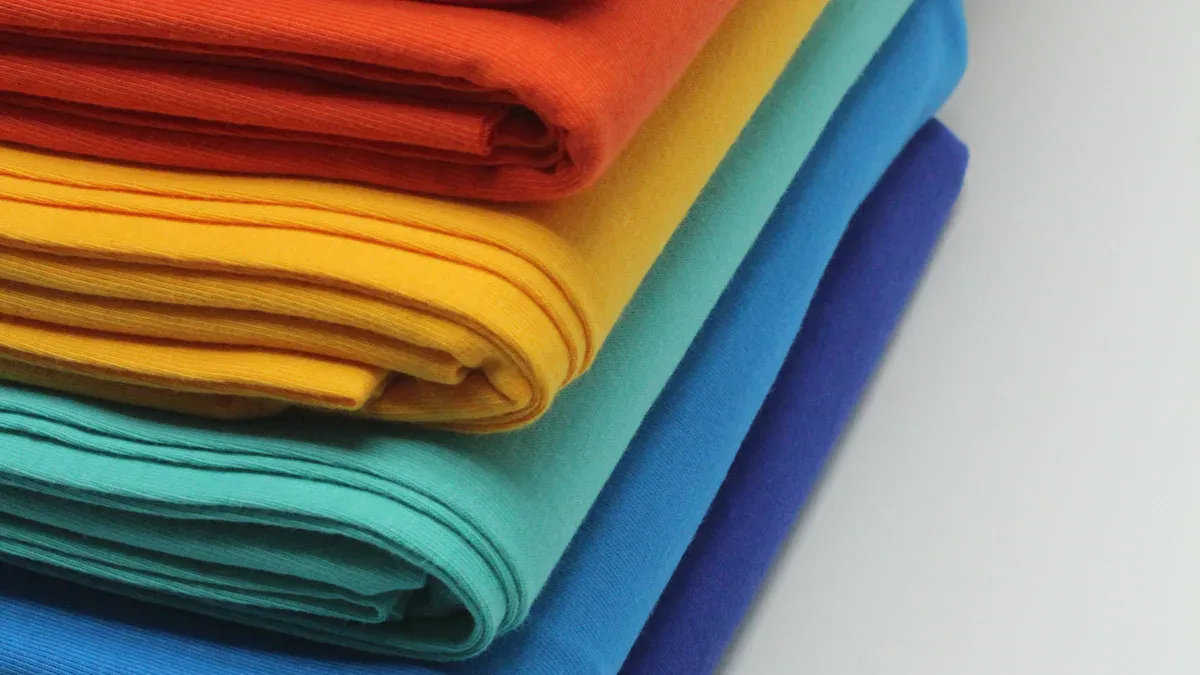
You will love the 100% jersey knit cotton fabric. This single-knit cotton fabric offers a wonderfully soft feel and excellent breathability. You likely already wear this jersey fabric; over 70% of adults choose jersey for daily casual wear. The moderate stretch of this cotton jersey makes it a top choice for comfortable clothing. This knit fabric is perfect for creating t-shirts, casual dresses, and soft baby apparel.
Key Takeaways
- Jersey knit cotton fabric is soft, breathable, and stretches. It is great for comfortable clothes like t-shirts and dresses.
- This fabric can curl at the edges when cut. You can use spray starch, pins, or a serger to manage this.
- Always wash jersey fabric before sewing to prevent shrinking. Use cold water and low heat for drying.
- Use a ballpoint needle and polyester thread when sewing jersey. These tools help the fabric stretch without damage.
- Jersey fabric is perfect for many projects. You can make clothes for adults and children, or simple accessories.
Understanding the Key Traits of 100 Jersey Knit Cotton Fabric
You will find that 100 jersey knit cotton fabric has unique qualities that make it a favorite for many projects. This material offers a special combination of softness, stretch, and breathability. Understanding these traits helps you select the perfect jersey fabric for your needs.
Stretch, Recovery, and Drape
The knit structure gives jersey its signature stretch. When you pull on the fabric, the loops in the knit can extend. This creates a comfortable stretch fabric that moves with your body. However, 100% cotton jersey has modest recovery. This means it may not snap back into shape as well as other types of stretch fabric.
Note: For garments needing excellent shape retention, like activewear, a cotton-spandex blend is often a better choice. Pure cotton is perfect for relaxed-fit items where drape is more important than recovery.
Here is a quick comparison:
| Feature | 100% Cotton Jersey | Cotton Spandex Jersey |
|---|---|---|
| Stretchability | Moderate | High |
| Shape Retention | Can lose shape over time | Excellent |
| Stretch Recovery | Low | Excellent |
Fabric Weight and Its Best Uses
Jersey fabric comes in different weights, measured in grams per square meter (GSM). The weight of the fabric determines its best use. You can choose from lightweight, medium-weight, or heavyweight options.
- Lightweight (100–180 GSM): This airy fabric is perfect for summer clothing. Think of flowy dresses, t-shirts, and comfortable travel apparel.
- Medium-weight (180–270 GSM): This is the most common weight for a classic t-shirt. It offers a great balance of durability and softness.
- Heavyweight (270+ GSM): This thicker knit fabric is ideal for creating durable workwear, cozy winter layers, and structured jersey garments.
Breathability and All-Day Comfort
You will appreciate the amazing breathability of cotton. The natural fibers in cotton allow air to circulate freely, which helps keep you cool and comfortable. This makes cotton jersey an excellent choice for everyday wear, especially compared to synthetic knits like polyester. The open structure of the knit helps transport air, making this fabric feel great against your skin all day long. This is why so many people choose this comfortable stretch fabric for their daily wardrobe.
Perfect Sewing Projects for Jersey Fabric
You will discover endless possibilities with jersey fabric. Its softness and stretch make it perfect for a wide range of sewing projects. You can create comfortable garments and stylish accessories with this versatile knit. These project recommendations will give you great ideas for what garments can be made with jersey fabric.
Everyday Apparel for Adults
You can easily use jersey as a dressmaking fabric for your everyday wardrobe. The fabric drapes beautifully, making it ideal for relaxed-fit garments. You can make classic t-shirts, comfortable loungewear, and even light activewear. Jersey is also a fantastic choice for casual dresses that move with you. Your project recommendations for jersey as a dressmaking fabric include:
- The So Sew Easy T-Shirt Dress: A comfortable maxi dress perfect for casual outings.
- The Fair + Simple Shift Dress: A versatile pattern you can make as a dress or a t-shirt.
- Free Mood Sewciety Patterns: You can find many free patterns like the Whittaker Dress or the Wren Shirt.
These project recommendations will help you build a comfortable and stylish wardrobe.
Soft and Safe Children’s Wear
You will find that cotton jersey is an excellent choice for children’s clothing. The natural cotton fibers are gentle on sensitive skin. When sewing for little ones, you should prioritize safety. You can sew with confidence when you choose a fabric with a trusted certification.
Safety Tip: Look for jersey fabric certified with OEKO-TEX® STANDARD 100. This label guarantees the fabric has been tested for over 1,000 harmful substances, including pesticides and heavy metals. It ensures the garments are safe for your child to wear.
This makes the fabric perfect for pajamas, bodysuits, and everyday play clothes.
Simple Accessories and Home Goods
You can use your leftover jersey fabric for fun and simple sewing projects. This material is perfect for creating accessories because the knit does not fray. You can make stylish knotted headbands or cozy infinity scarves. These project recommendations are quick and satisfying.
To make a simple headband, you can follow these steps:
- Cut a strip of cotton jersey long enough to fit around your head.
- Fold the strip lengthwise with the right sides together and sew the long edge.
- Turn the tube right-side out and sew the ends together.
These small garments are a great way to practice your sewing skills and use every last piece of fabric. You now know what garments can be made with jersey fabric.
How to Sew with Jersey Fabric: A Step-by-Step Guide
You can achieve beautiful, professional results when you learn how to sew with jersey fabric. This guide breaks down the process into simple steps. You will master the techniques for handling this soft, stretchy material and create garments you are proud to wear.
Step 1: Pre-washing and Preparing Your Jersey
You must pre-wash your jersey fabric before you even think about cutting it. This is the most important step for a successful project. Cotton jersey is known for shrinking, and this simple step saves you from the disappointment of a garment that is too small after its first wash. Your 100% cotton jersey can shrink anywhere from 3% to 10%. A typical t-shirt might shrink about 4.8% in length, so pre-washing is essential.
- Air-Drying: You can lay the jersey fabric flat to dry. This is the safest method and prevents the material from stretching out of shape.
- Machine Drying: If you use a machine, always choose the lowest heat setting, like ‘Tumble Dry Low’. Remove the fabric while it is still slightly damp and let it air-dry the rest of the way.
Pro Tip: Always avoid high heat when washing and drying your jersey. Water temperatures above 104°F (40°C) will significantly increase shrinkage. Gentle handling is key to preparing your fabric for sewing.
Step 2: Cutting the Fabric Accurately
Cutting jersey can feel tricky because it is stretchy and the edges curl. You can easily manage this with the right tools and techniques. For the cleanest and most accurate cut, you should use a rotary cutter. While scissors are okay, a rotary cutter is faster and provides a much cleaner edge on knit fabric.
Here are the professional techniques for a perfect cut every time:
- Work on a Flat Surface: Lay your jersey fabric on a large cutting mat or table. Do not let any of the fabric hang over the edge, as its weight will stretch the material and distort your pattern pieces.
- Cut in a Single Layer: Avoid folding the jersey. Cutting a single layer of fabric gives you much more control and accuracy.
- Use Pattern Weights: Instead of pins, use pattern weights to hold your pattern pieces in place. Weights prevent the fabric from shifting or stretching while you cut. They also avoid leaving holes in your delicate jersey.
- Find the Grainline: You can find the grainline by looking for the tiny vertical ribs (the ‘v’ shapes) on the right side of the fabric. Make sure your pattern pieces align with this grainline for a garment that hangs correctly.
A light coat of spray starch on the curling edges can also help temporarily stiffen the fabric, making it much easier to handle during cutting.
Step 3: Setting Up Your Sewing Machine
You do not need a special machine for sewing with jersey. Your standard sewing machine will work perfectly once you select the right settings. The key is to use a stitch that stretches with the fabric. A regular straight stitch will pop and break as soon as the jersey is pulled.
You can choose from several stretch stitches. The two most common and effective options are the zigzag stitch and the lightning bolt stitch.
| Stitch Type | Best For | Why You Should Use It |
|---|---|---|
| Zigzag Stitch | Beginners, all-purpose seams | This stitch is available on almost every machine. Its back-and-forth motion allows the seam to stretch with the jersey. It is also easy to unpick if you make a mistake. |
| Lightning Bolt Stitch | Cleaner-looking seams | This stitch looks like a tiny lightning bolt. It creates a seam that appears straighter from the outside while still offering excellent stretch. |
For a standard zigzag stitch on jersey, you can start with a stitch length of 2-2.5 mm and a narrow width of 0.5-1 mm. You should also use a longer stitch length in general, as this helps prevent the fabric from becoming wavy as you are sewing.
A Word on Stronger Stitches: Your machine might also have a triple stretch stitch or an overlock stitch. These are incredibly strong and stretchy. However, they are very difficult to unpick. You should only use them once you are completely sure of your garment’s fit.
Step 4: Hemming and Finishing Techniques
You are now ready for the final step in learning how to sew with jersey fabric: creating a beautiful finish. A good hem gives your garment a professional look and helps it last longer. You have several excellent options for hemming your jersey projects.
You can choose the best method based on the tools you have and the style you want. Here are the most popular and effective techniques for finishing your jersey fabric.
Twin Needle Hem: This is the secret to a store-bought look. A twin needle creates two parallel rows of straight stitches on the top of the fabric. The bobbin thread catches both top threads underneath, forming a zigzag pattern. This clever design allows the hem to stretch without popping stitches. You will need a special twin needle for your machine, but the amazing result is worth it.
Simple Zigzag Hem: You can easily use a standard zigzag stitch for a reliable hem. Just fold your hem up, press it, and stitch along the raw edge with a narrow zigzag. This method is fast, easy, and provides plenty of stretch. It is a great choice for casual wear and beginner sewing projects.
Bands and Cuffs: You can add bands to finish necklines, sleeves, and bottom hems. This technique involves cutting a separate strip of jersey, folding it, and attaching it to the garment’s edge. This creates a clean, durable, and stretchy finish. It is the standard method for t-shirts and sweatshirts.
Lettuce Edge Hem: You can create a fun, wavy edge for a decorative touch. Set your machine to a short, wide zigzag stitch. Gently stretch the jersey as you sew along the very edge of the fabric. The combination of the stitch and the stretching creates a charming ruffled effect.
Pro Tip: 💡 Stabilize your hem before you sew! You can use a fusible knit hem tape. Iron it onto the wrong side of your hem allowance. This tape temporarily prevents the jersey from stretching or curling, making it much easier to sew a straight, even hem.
Here is a quick guide to help you choose your hemming method:
| Hemming Method | Best For | Stretch Level | What You Need |
|---|---|---|---|
| Twin Needle | Professional-looking hems on tees and dresses | Excellent | Twin Needle |
| Zigzag Stitch | Quick, easy hems for any jersey garment | Good | Standard Machine |
| Bands/Cuffs | Necklines, sleeves, and durable finishes | Excellent | Extra Fabric |
| Lettuce Edge | Decorative, ruffled finishes on lightweight jersey | High | Standard Machine |
Choosing the right finish will elevate your project from homemade to high-quality. You can experiment with these techniques to find your favorite way to complete a garment.
FAQ
How do you find the right side of jersey fabric?
You can easily learn how to find the right side of jersey fabric. Look for the tiny vertical “V” shapes on the fabric’s surface; this is the right side. The edges will also curl toward the right side, making identification simple.
What are the different types of jersey fabrics?
You will discover many different types of jersey fabrics. While 100% cotton is a classic, other popular types include cotton-spandex blends for more stretch, soft bamboo jersey, and drapey rayon jersey. Each offers unique benefits for your projects.
How do you take care of jersey fabric?
You will find that proper care is simple. The best way how to take care of jersey fabric is to wash it in cold water and tumble dry on low heat. This gentle care prevents shrinkage and keeps your garments looking great.
What are the main types of jersey fabric?
You can choose from several main types of this versatile fabric. The most common types are based on fiber, including 100% cotton, polyester, and rayon blends. Knowing how to find the right side of jersey fabric helps you work with all of them.