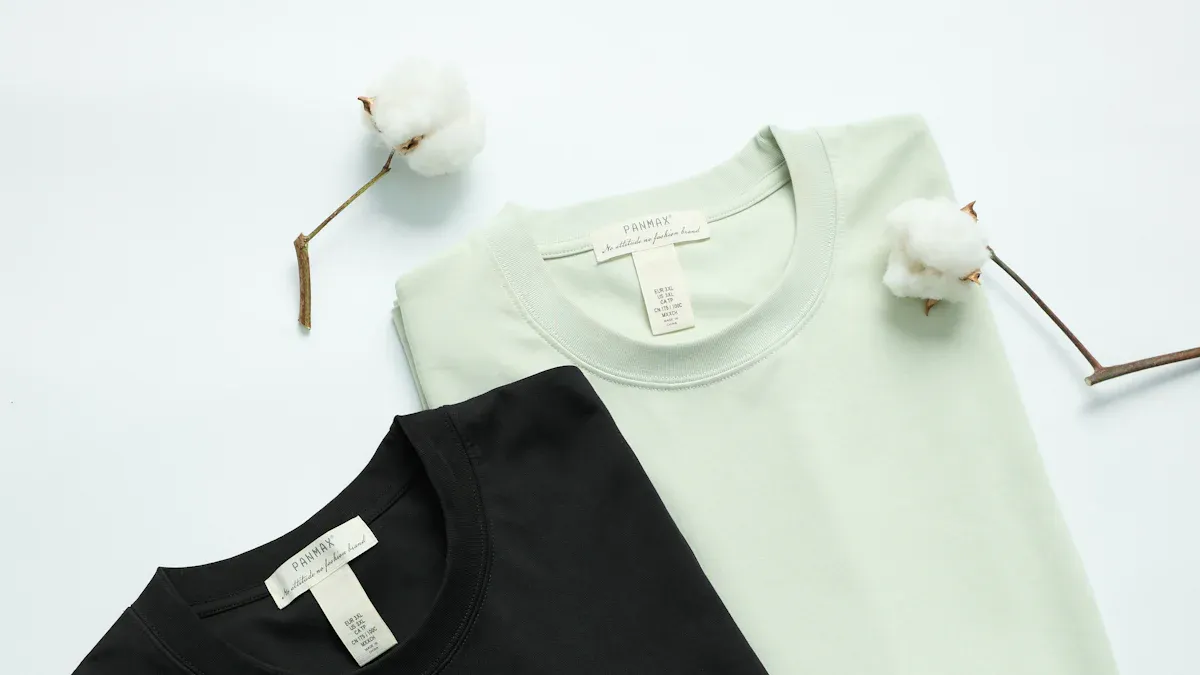
Classic cotton knit fabrics are transcending the realm of basic T-shirts, constantly evolving. Their signature soft comfort now perfectly complements modern consumers’ demands for style and performance. 2025 will highlight the fabric’s versatility. New trends introduce sustainable cotton blends and advanced texturing techniques. This transformation of cotton knit fabrics is creating new possibilities for designers and brands.
Consumer priorities are also influencing the market. While 75% of consumers prioritize environmental protection, many, such as 67% of Germans, still consider price a primary factor in their final decision. This creates a dynamic landscape for the future development of knit fabrics.
Key Takeaways
- Cotton knit fabrics are becoming increasingly environmentally friendly. They utilize recycled materials and natural dyes.
- New cotton blends offer superior performance. They combine cotton with other fibers for use in sportswear.
- Today’s fabric textures are richer and more interesting. Cotton knits, knotted knits, waffle knits, and rib knits are all popular.
- The 2025 color trends blend calming earth tones with bright digital hues, offering a wide range of style options.
- Cotton jersey knitted fabric are widely used in the production of a wide variety of garments, from simple shirts to stylish loungewear and sportswear.
The Rise of Sustainable Cotton Jersey Fabric
The pursuit of sustainability is reshaping the textile industry. Looking ahead to 2025, this means a focus on how cotton knit fabrics are sourced and produced. Consumers and brands alike are seeking more environmentally friendly options. This shift is driving two major trends: the use of recycled and renewable materials, and the adoption of cleaner dyeing methods. These changes are crucial to the future of sustainable fashion.
Trend 1: Recycled and Regenerative Cotton
The industry is moving away from a linear “take-make-waste” model. Instead, it is embracing circular solutions for cotton. This involves two key approaches: recycling old textiles and regenerating the land where new cotton grows.
Recycling technology is advancing quickly. New methods help turn old garments into new, high-quality fabric.
- Mechanical Recycling: Automated systems use AI to sort old fabrics by fiber and color. This process creates recycled cotton fibers. Companies then blend these shorter fibers with other materials to ensure strength and durability.
- Chemical Recycling: This advanced process breaks down textile waste into its molecular building blocks. It can handle mixed materials that were once hard to recycle. This method creates fibers nearly identical to new ones and can reduce greenhouse gas emissions by up to 50%.
Meanwhile, regenerative agriculture is changing the way farmers grow cotton. This approach focuses on improving soil health. Healthy soil can absorb and store carbon from the air. This practice offers numerous benefits.
Benefits of Regenerative Cotton Farming
Improved Soil: Practices such as no-till and cover crops can improve soil structure and reduce erosion.
Water Conservation: Healthy soil retains more moisture, thus reducing irrigation needs.
Reduced Pollution: Reduced need for synthetic fertilizers helps protect air and water quality.
Many top brands are leading this transformation. They see the value in sustainable fashion and are committed to using higher-quality materials. Large companies like Adidas, H&M, Levi’s, and Nike plan to use 100% sustainable cotton by 2025. This industry-wide commitment indicates that recycled cotton and recycled cotton fabrics have become the new standard for knitted fabrics.
Trend 2: Natural and Low-Impact Dyes
Traditional textile dyeing consumes significant amounts of water, energy, and chemicals. The second major sustainability trend for 2025 is addressing this issue. Today, major brands are using natural dyes with lower environmental impact to produce brightly colored cotton knitted fabrics, thus reducing their environmental impact.
New technologies are significantly improving the efficiency of the dyeing process.
- CO2 Dyeing: This innovative method uses pressurized carbon dioxide instead of water to carry dye to the fabric. It nearly eliminates water consumption and wastewater.
- Low Liquor Ratio Machines: Modern dyeing equipment uses significantly less water and energy per batch of fabric.
- Process Optimization: Smart algorithms help factories plan the most efficient dyeing schedules. This planning reduces water and electricity use by 25–30%.
The return to natural dyes has also played a crucial role. Dyes derived from plants, minerals, and other natural sources produce beautiful and rustic colors. A test comparing natural and synthetic dyes showed that natural dyes offer significant cost savings. Natural dyeing processes reduce water consumption by 43% to 62% and electricity consumption by 62% to 70%. These innovations make it possible to produce beautiful and environmentally friendly colored cotton knitwear. This emphasis on superior dyeing processes ensures that the final product consistently maintains excellent quality.
Performance Blends: The Future of Knit Jersey Fabric
The applications of cotton knit fabrics are constantly expanding. Comfort and softness are no longer their only selling points. Looking ahead to 2025, performance will be equally crucial. The future of knit fabrics lies in clever blends that combine the softness and breathability of cotton with the advanced functionality of synthetic fibers. This fusion creates fabrics that better support an active lifestyle. They offer improved durability, elasticity, and moisture-wicking properties without sacrificing the classic comfort of cotton. These blends are redefining the function of knit fabrics.
Trend 3: The ‘Everyday Active’ Blend
The lines between sportswear and everyday clothing are blurring. Consumers want clothing that provides excellent performance for a morning run while also allowing them to dress appropriately for a coffee meeting. “Everyday Vibe” blends are designed to meet this need. They combine cotton with high-performance fibers to create versatile cotton knit fabrics. This trend aims to create modern apparel that is both stylish and functional.
Designers achieve this balance by blending cotton with other specific fibers. Each addition brings unique benefits to the final garment.
- Cotton-Polyester Blends: Polyester adds excellent durability and wrinkle resistance. It helps the fabric keep its shape after many washes. Cotton provides its signature softness and breathability. This popular blend is a workhorse for both apparel and activewear.
- Cotton-Bamboo Blends: Bamboo fibers are known for their moisture-wicking and antibacterial properties. A blend with cotton results in an ultra-soft fabric with superior breathability. This combination is ideal for activewear and sensitive skin because it helps manage odor and comfort.
These blended fabrics enhance garment performance in several key ways. They effectively wick away sweat, helping to regulate body temperature. The fabric also dries quickly, reducing discomfort and chafing. Furthermore, their enhanced durability ensures a longer lifespan for the garment. This focus on performance results in high-quality knitted fabrics with just the right amount of elasticity and flexibility.
Trend 4: Tech-Infused Fabric Finishes
Beyond blending fibers, the next frontier for performance is applying technology directly to the fabric. Tech-infused finishes are special treatments that give cotton jersey knit fabric new, smart capabilities. These finishes are applied after the fabric is knitted and dyed. They add a layer of high-tech functionality that enhances the wearer’s comfort and the garment’s overall performance. This trend is pushing the boundaries of high-performance activewear.
These treatments can transform a standard piece of cotton into a responsive, intelligent material. The goal is to create clothing that actively works for the wearer.
Smart Fabric Capabilities
Advanced finishing processes enable temperature regulation, improved moisture wicking, and even UV protection. Some new smart cotton fabrics also incorporate micro-sensors and conductive fibers. These components monitor body temperature and help regulate heat, making the fabric ideal for high-intensity sports or medical applications.
Other finishes focus on keeping the wearer dry and comfortable. Special coatings can improve the fabric’s ability to wick moisture, pulling it away from the skin even faster. Odor-control treatments use antimicrobial agents to stop the growth of bacteria, keeping clothes fresh for longer. These innovations add significant value and performance to the fabric, ensuring it meets the highest standards of modern activewear. The result is a material that offers superior stretch, breathability, and quality.
A Focus on Texture in Cotton Jersey Knit Fabric
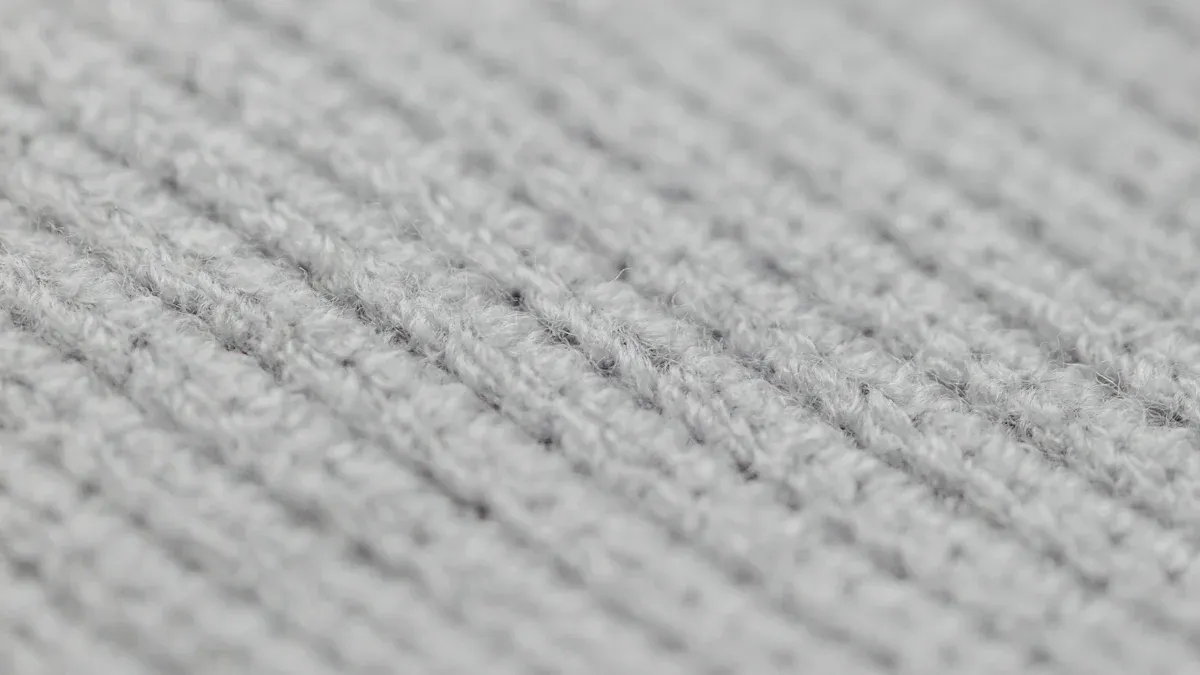
In 2025, the feel of a fabric is as important as its look. Smooth surfaces are making way for textiles with more character and depth. This trend moves beyond basic flat weaves to embrace textures that you can see and feel. Designers are adding visual interest to everyday garments by using special knitting techniques. This focus on tactility transforms a simple cotton jersey knit fabric into a more expressive and luxurious material. The goal is to elevate basics, giving classic silhouettes a fresh and modern update.
Trend 5: The Return of Slub and Nep Knits
Imperfect textures are making a major comeback. Slub and nep knits introduce intentional variations to the surface of cotton jersey fabric, creating a perfectly imperfect look.
- Coarse knit fabric: This fabric contains soft, thick fibers in its yarn. This process creates subtle horizontal textures and a rich, varied natural feel. Coarse cotton gives T-shirts and tops a relaxed and comfortable feel.
- Knot knit: This technique involves twisting tiny fiber knots into the yarn before weaving, creating a beautiful speckled appearance. Knot knit adds a touch of sophistication and elegance, almost like tweed, to cotton knit fabrics.
These textures add a handcrafted quality to mass-produced garments. They provide a welcome break from the uniform smoothness of standard knits, offering a richer visual and tactile experience.
Trend 6: Elevated Waffle and Rib Knits
Classic textures like waffle and rib knits are being reimagined for 2025. Once reserved for thermal underwear and cuffs, these structured knits are now key elements in fashion-forward collections. Waffle knits, with their signature grid-like pockets, offer excellent breathability and insulation. Designers are using this unique knit jersey fabric for stylish loungewear sets, oversized tops, and cozy cardigans.
Similarly, the uses of rib knit fabrics are becoming increasingly widespread. The rib structure determines the fabric’s elasticity, thickness, and optimal application, making it a highly versatile knit fabric. Different types of rib knit fabrics are suitable for a variety of garments, from fitted tops to thick sweaters.
Common Rib Knit Applications
Rib Knit Type Characteristics Suitable Garment Applications 1×1 Rib Knit Excellent elasticity, soft, good drape. T-shirts, tank tops, dresses, cuffs, neckbands. 2×2 Rib Knit Pronounced rib, thicker, more structured. Sweaters, cardigans, hats, heavy-duty cuffs. Full Cardigan Rib Very thick, warm, excellent elasticity. Heavy sweaters, outerwear, blankets. French Rib Knit Subtle rib, smooth, soft, good drape. Lightweight sweaters, tops, dresses, baby clothes.
This renewed focus on textured cotton jersey fabric allows brands to create more dynamic and interesting apparel.
The 2025 Color and Print Palette
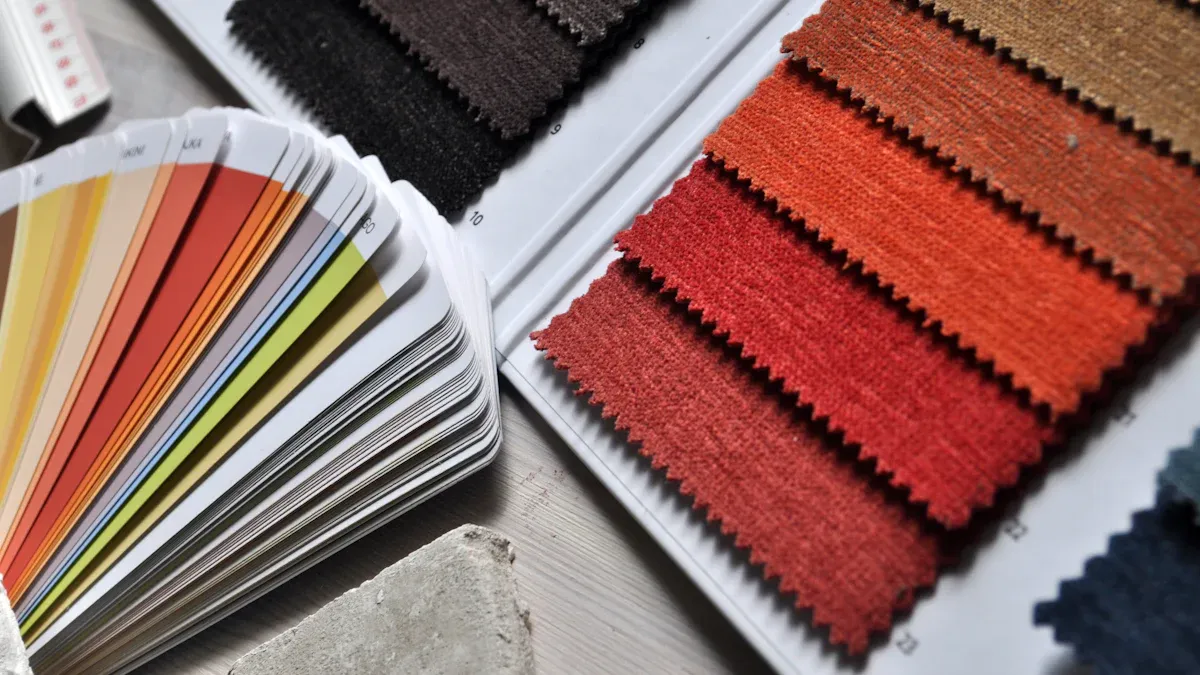
The 2025 color story is one of beautiful contrasts. It balances the calm of nature with the energy of the digital world. This dual focus gives designers a rich palette to create a distinct mood and style. One side embraces quiet, earthy tones, while the other celebrates bold, optimistic hues.
Trend 7: Grounded Neutrals and Earth Tones
In 2025, colors that evoke a sense of calm and connection to nature will once again find their appeal. This trend champions a refined and minimalist style. Pantone’s 2025 Color of the Year—Mocha Mousse—perfectly embodies this feeling. It’s a warm and captivating brown that sets the tone for the overall color palette. These colors create a timeless style that is both luxurious and understated. Major brands are using these shades to elevate the quality of their premium cotton basics.
How Brands Achieve a Minimalist Style
- COS uses a grounded color palette and clean shapes to create an elevated silhouette.
- Muji focuses on simple cotton basics and neutral sweaters, letting the fabric define the minimalist style.
- Sunspel presents elegant staples in neutral tones, using premium materials for an understated look.
This approach transforms ordinary cotton knitwear into a piece of understated luxury. It emphasizes perfect tailoring and superior fabrics, rather than vibrant colors.
Trend 8: Digital Brights and Optimistic Hues
In stark contrast to the subdued earth tones is a vibrant palette of colors inspired by the digital age. These hues are energetic and forward-thinking, reflecting society’s embrace of scientific progress and digital innovation. The colors are bold, saturated, and sometimes metallic. They express optimism and a vision for the future.
These bright colors are perfect for creating individualistic looks. Designers are incorporating them into sportswear and avant-garde pieces, creating dynamic styles. A touch of electric blue or fluorescent green can completely transform the texture of a garment. This trend imbues clothing with a playful, expressive style, turning classic cotton knit fabrics into a canvas for modern creativity. These two color trends together form a complete guide to fashion in 2025.
Key Applications of Cotton Jersey Fabric in 2025
Cotton knit fabrics are versatile and a core material in the apparel industry. By 2025, their applications will extend far beyond simple basics. New trends in texture, functional blends, and color are changing how designers utilize this fabric. Key applications of cotton knitted fabrics demonstrate their ability to adapt to the demands of modern lifestyles for both comfort and style. These applications create versatile garments.
From Basic Tees to Fashion Tops
The classic cotton t-shirt is receiving a high-fashion upgrade. Designers are moving beyond basic cuts to create elevated fashion tops. They use textured fabrics like slub and nep knits to add visual interest and a premium feel. This focus on detail turns a simple garment into comfortable and stylish clothing. The best cotton jersey clothing now features refined silhouettes and unique fabric surfaces. These tops offer an easy way to enhance everyday style without sacrificing the softness and comfort of cotton. These applications of cotton jersey fabric redefine casual wear.
The Evolution of Loungewear Sets
Loungewear has evolved from simple home wear into a significant fashion category. This evolution reflects a cultural shift towards the fusion of comfort and style. The global loungewear market is projected to grow significantly, with a compound annual growth rate (CAGR) of 7.96% from 2025 to 2032.
The journey of loungewear shows its growing importance:
- Origins of Comfort: Loungewear started as loose garments for relaxation at home.
- Redefining Leisure: Designers introduced softer materials and elegant styles.
- The Rise of Athleisure: Activewear elements like joggers became everyday staples.
- Fashion Forward Loungewear: Luxurious sets now appear on runways, proving loungewear’s high-fashion status.
- Loungewear as Self-Expression: Modern sets use prints and patterns to reflect personal style.
These applications of cotton jersey fabric create versatile clothing perfect for the modern wardrobe.
High-Performance Activewear Innovations
The applications of cotton jersey fabric now include high-performance activewear. Smart blends and technical finishes give cotton new capabilities. These innovations enhance breathability, stretch, and moisture management. This makes the fabric ideal for demanding physical activities. The result is high-performance activewear that offers the natural softness of cotton with the technical performance of synthetics. This type of activewear provides excellent comfort, stretch, and breathability. The best cotton jersey clothing for activewear supports performance while maintaining a quality feel. These applications of cotton jersey fabric are pushing the boundaries of what comfortable and stylish clothing can do for active lifestyles.
The future of cotton jersey fabric is versatile and smart. Trends in 2025 show its evolution from a basic material to a high-performance knit jersey fabric. Innovations in sustainable fashion drive this change, improving performance and a new sense of style. This ensures the cotton jersey knit fabric meets demands for comfort, breathability, and quality. The modern cotton jersey fabric offers excellent comfort and breathability. This knit jersey fabric provides great style and comfort, with the superior breathability of cotton.
FAQ
What makes ‘everyday active’ blends special?
These blended fabrics combine the softness of cotton with the durability of functional fibers, creating versatile fabrics suitable for modern lifestyles. With excellent elasticity, moisture-wicking properties, and durability, they are ideal for both everyday wear and sports, making them a consumer favorite.
Why are textured knits like slub and waffle popular?
Textured knits like slub and waffle add visual depth and a premium feel to clothing. They elevate basic designs beyond simple flat surfaces. This trend offers a richer tactile experience, making everyday apparel more stylish and interesting to the touch.
How can designers access these new fabric trends?
Designers partner with specialized suppliers to access new trends. Companies like Suerte Textile offer one-stop services, from pattern design to production. Quick sampling and cost-effective solutions help brands efficiently bring innovative fabrics to market.
Are natural dyes as durable as synthetic ones?
Yes, modern technology has greatly improved the durability of natural dyes. New dyeing processes and mordants enhance colorfastness. Today, they offer a reliable and environmentally friendly alternative for dyeing cotton knit fabrics, while maintaining high quality and vibrant colors.