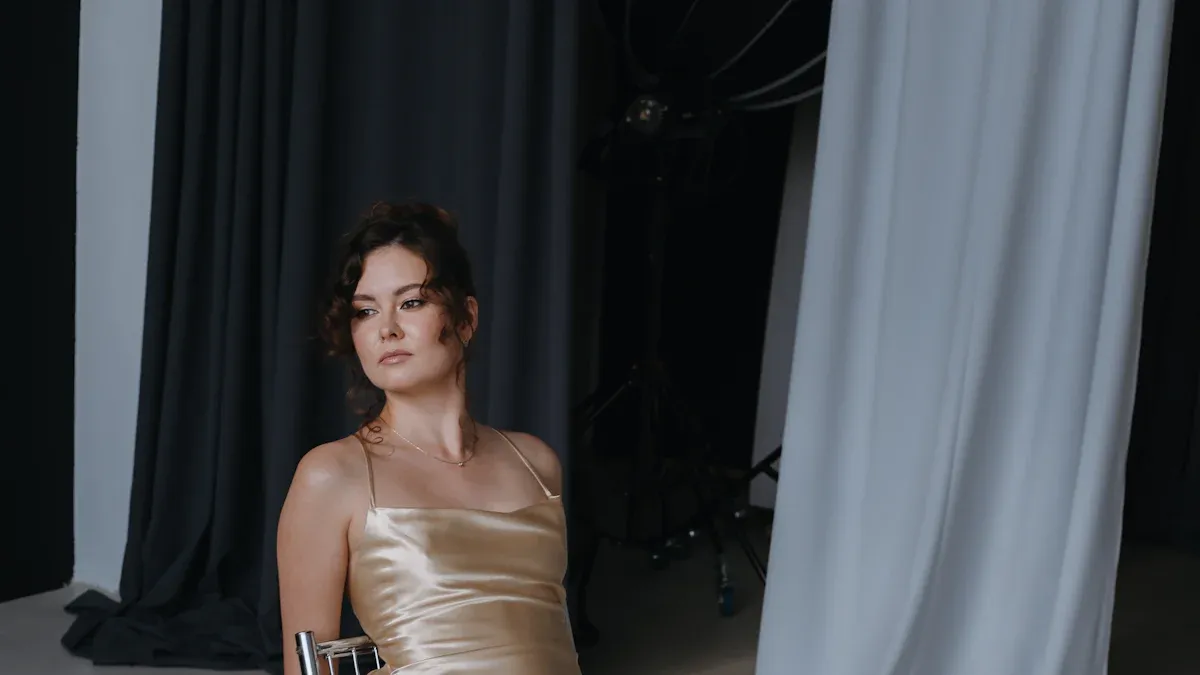
Choosing recycled polyester chiffon fabric not only showcases your fashion sense but also contributes to environmental protection. This choice helps reduce waste and protect the planet. Suerte stands out in the field of sustainable fashion because it employs new technologies and adheres to stringent quality standards.
| Production Standard | Innovation Aspect | Sustainability Factor |
|---|---|---|
| GB/T 8971-2016 | Stronger weave methods for longer use | Use of eco-friendly dyes |
| ASTM D5034 | Strong fibers added | Recycled materials in production |
| ISO 105-C06 | UV protection added | Water-based finishing agents |
You get good quality and earth-friendly options. This makes your fashion choices better for the future.
Poly Chiffon Fabric: Basics and Benefits
Features and Qualities
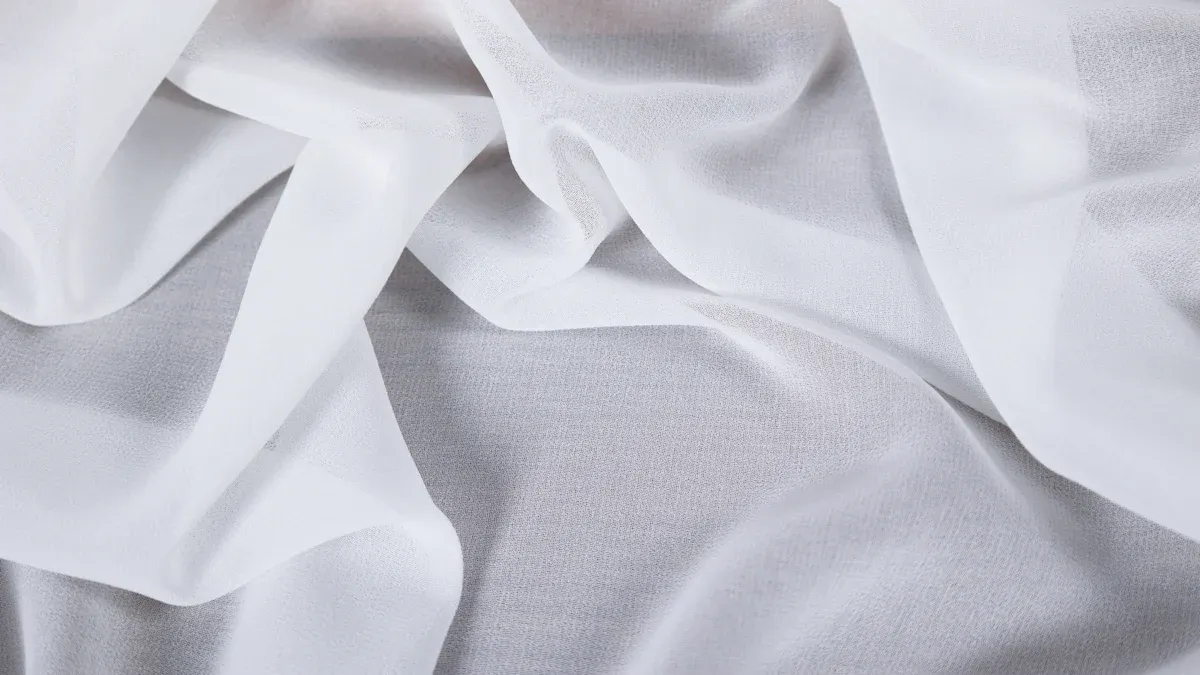
Polyester chiffon fabric is lightweight, soft, and breathable, giving garments a delicate and feminine feel. It drapes beautifully, creating flowing, elegant lines, making it ideal for crafting exquisite dresses and scarves. Polyester chiffon is wrinkle-resistant, keeping garments looking neat and tidy. The fabric is breathable, keeping you cool and comfortable. It dries quickly and feels soft against the skin. Many people love it because it resembles silk but is easier to care for and more affordable. You can easily wash it at home. Colors are vibrant and long-lasting. Designers frequently use polyester chiffon to create stylish and eye-catching garments.
Types and Uses of Poly Chiffon
There are many kinds of poly chiffon fabric. Each kind has its own special features. Here are some types and how they are used in fashion:
| Type of Chiffon | Description | Primary Uses in Fashion Industry |
|---|---|---|
| Silk Chiffon | Luxurious, soft, beautiful sheen, excellent drape | High-end dresses, formal wear |
| Polyester Chiffon | Affordable, durable, less wrinkle-prone, wide color range | Ruffled skirts, outer layers, bridal wear, summer wear |
| Jacquard Chiffon | Intricate woven patterns | Kurtas, dresses, scarves |
| Crinkle Chiffon | Crinkled texture | Casual and semi-formal garments |
| Stretch Chiffon | Contains spandex/elastane for stretch | Comfortable, flexible garments |
Polyester chiffon is versatile and can be used to make evening gowns, shirts, scarves, and wedding dresses. It’s perfect for both grand parties and everyday wear. Suerte offers a wide selection of colors, patterns, and fabrics. You can create ruffled skirts, loose tops, or layered dresses. Polyester chiffon allows you to design garments that are both unique and comfortable.
Recycled Polyester: Process and Impact
How Recycled Polyester Is Made
Have you ever wondered how old plastic is transformed into new fabric? The process begins with plastic waste, such as used PET bottles. Workers collect these bottles and other waste, sorting them by color and type to ensure fabric quality. Next, they wash the plastic to remove dirt and labels. The clean plastic is crushed into small pieces, then dried and melted. The molten plastic forms filaments through tiny holes. After cooling, the filaments are cut into smaller pieces. Sometimes, these pieces undergo chemical cleaning. The clean material is then melted again and spun into yarn. The yarn is stretched, becoming soft yet strong. Finally, the yarn is dyed and finished, ultimately becoming recycled polyester fabric. This entire process helps conserve resources and reduce the burden on landfills. Choosing recycled polyester fabric is contributing to protecting our planet.
Certifications for Recycled Polyester
You want to know your recycled polyester is safe and high quality. There are special certifications that check this. Here is a table with the most important ones:
| Certification | Minimum Recycled Content | Key Standards and Requirements | Monitoring Body | Notes |
|---|---|---|---|---|
| Recycled Claim Standard (RCS) | 5% (RCS Blended), 95% (RCS 100) | Traceability, transparency, and recycled material content | Independent third parties | Focuses on tracking recycled content |
| Global Recycled Standard (GRS) | 20% (50% for logo use) | Environmental and social criteria, chemical restrictions, traceability, fair labor practices | Independent third parties | Covers full supply chain, more comprehensive than RCS |
| OEKO-TEX® STANDARD 100 | N/A | Tests for harmful substances, ensures safety for consumers | Independent labs | Focuses on safety, not recycled content |
Suerte uses recycled polyester that meets these tough rules. The company checks the fabric with smart machines and AI tools. They look for problems and test the fabric after making it. This keeps the fabric strong, bright, and safe for you. When you choose Suerte’s recycled polyester, you get fabric that is good for the earth and high quality.
Sustainable Fashion Benefits
Reducing Waste
Choosing recycled polyester chiffon fabric helps reduce waste. This fabric is made from recycled polyester fibers, which come from plastic bottles. These plastic bottles often end up in landfills or oceans. Plastic bottles take a very long time to decompose. Making them into fabric prevents them from entering the natural environment.
- Each recycled chiffon scarf requires 7 to 8 plastic bottles.
- The process intercepts the plastic before it reaches land or water.
- Workers wash and sort the bottles, then make yarn and fabric.
- This reduces the harm of plastic waste to the planet.
The textile industry generates a large amount of waste every year. Less than 1% of old clothes are recycled into new clothes. Most polyester fibers remain in landfills for years, releasing harmful chemicals. Using recycled materials helps reduce waste and protect the environment.
Lowering Emissions
Choosing recycled polyester also helps reduce pollution. Producing recycled polyester chiffon requires less energy and water, and generates less carbon dioxide.
- Recycled polyester fiber reduces energy consumption by 70%.
- Water consumption is reduced by 86%.
- Compared to new polyester fibers, carbon dioxide emissions are reduced by 75%.
This means that every purchase you make contributes to the planet. The recycled polyester chiffon supply chain follows strict regulations. Certifications such as the Global Recycled Standard (GRS) and OEKO-TEX prove its safety and fairness. By choosing these fabrics, you can help stop climate change and make fashion more environmentally friendly.
Resource Conservation
Using recycled polyester chiffon fabric helps conserve resources. Recycled polyester fibers reduce oil and water consumption, meaning we need less new material.
- Recycled polyester fibers come from old plastics, not new oil.
- This process can save up to 90% of the water needed to produce new polyester materials.
- It also reduces energy consumption by 59%.
This fabric contributes to the circular economy. In this system, items can be reused and recycled. Recycled polyester can be recycled multiple times while maintaining its high quality. This reduces the burden on landfills, allowing items to continue to function. Choosing this fabric is contributing to a better future.
Note: Picking recycled poly chiffon helps sustainable fashion. You help cut waste, lower pollution, and save resources. You also help the circular economy and protect the earth for the future.
Consumer Benefits of Recycled Poly Chiffon
Comfort and Style
You want clothes that are both comfortable and stylish. Recycled polyester chiffon fabric meets both of your needs. This fabric is soft and lightweight to the touch, and comfortable against the skin. It drapes beautifully, allowing your clothes to move with your body. It won’t feel stuffy even after long periods of wear. Even after multiple washes, the fabric retains its vibrant color.
The table below shows a comparison between recycled polyester chiffon and other fabrics:
| Fabric Type | Comfort Characteristics | Breathability Characteristics | Sustainability Notes |
|---|---|---|---|
| Recycled Polyester Chiffon | Soft, light, less comfy than cotton | Not as breathable as natural fibers | Made from recycled materials |
| Cotton Chiffon | Very soft, gentle, cool in hot weather | Breathes very well | Biodegradable and eco-friendly |
| Rayon Chiffon | Soft, comfy for long wear | Breathable, but not as strong | Not as eco-friendly as natural fibers |
Recycled poly chiffon is known for its pretty drape and see-through look. You can use it for dresses, blouses, scarves, and wedding gowns. Many designers pick this fabric for its style and many uses. More people want eco-friendly fashion now. You help the earth and look good at the same time.
Durability and Care
You want clothes that last and are easy to clean. Recycled poly chiffon gives you both. The fabric is tightly woven, so it is strong. It feels light but does not tear easily. You can wear it a lot and not worry about wrinkles. This fabric You want durable and easy-to-wash garments. Recycled polyester chiffon fabric perfectly meets your needs. This fabric is tightly woven, making it very strong. It’s lightweight and breathable, yet tear-resistant. You can wear it frequently without worrying about wrinkles. This fabric retains its shape and color for a long time.
- This fabric doesn’t wrinkle easily, so it requires less ironing.
- You can hand wash it with mild soap to keep it in good condition.
- To protect the fabric, use a steam iron instead of a regular iron.
- This fabric dries quickly, making it perfect for busy days.
- It’s very durable, so you can wear it for several seasons.
Suerte offers tips on caring for chiffon garments. Follow their advice to keep your clothes soft, shiny, and durable. Made with recycled polyester chiffon fabric, it provides comfortable, stylish, and long-lasting clothing.
Common Concerns About Recycled Poly Chiffon
Microplastics: Understanding Shedding and Its Environmental Impact
You may have heard of microplastics. They are extremely small plastic particles. These can shed when washing recycled polyester chiffon fabric. Washing clothes causes some fibers to break, releasing them into the water. Over time, microplastics end up in rivers and oceans, harming fish and other animals.
Here are some steps you can take to stop microplastic shedding:
- Reduce the frequency of washing recycled polyester chiffon garments.
- Use a gentle cycle and cold water.
- Place garments in special bags that collect microfibers.
- Fill your washing machine with water to reduce friction.
- Let clothes air dry whenever possible; avoid using a dryer.
Some people think polyester fabrics are always rough or like plastic. But new types of recycled polyester, such as polyester chiffon, are soft and comfortable to the touch, with a look and feel comparable to silk. New fabric technologies make recycled polyester chiffon both beautiful and comfortable.
Tip: If you wash your clothes with care, you help the earth and keep your clothes looking good.
End-of-Life Considerations: What Happens to Recycled Poly Chiffon After Use
Recycled polyester chiffon fabric cannot decompose in the natural environment; it is not a biodegradable material. When you no longer need an old garment, you might wonder what will happen next. If you throw it away, it could remain in a landfill for years.
You have better options:
- Donate your clothes so others can wear them.
- Send them to a textile recycling center.
- Look for brands that recycle old clothes.
Some people worry that recycled polyester isn’t durable enough. This is now outdated. Today’s recycled polyester chiffon fabric is just as durable as, and sometimes even stronger than, regular polyester. Choosing quality fabrics and taking good care of them is contributing to protecting the planet. The more durable your clothes are, the less waste they produce.
Many recycled fabric certifications are available, but not all are rigorous, and not all are audited by external agencies. You should choose brands that are transparent about their fabric composition and production methods. Buying durable, high-quality clothing is contributing to eco-friendly fashion.
Recycled Poly Chiffon vs. Other Fabrics
Recycled vs. Virgin Polyester
Recycled polyester chiffon is not the same as virgin polyester fiber. Virgin polyester fiber is made from petroleum, which is a non-renewable resource. Recycled polyester chiffon, on the other hand, is made from recycled plastic bottles and other waste materials, which helps conserve resources and reduce pollution.
The following table lists the main differences:
| Aspect | Virgin Polyester | Recycled Poly Chiffon (Recycled Polyester) |
|---|---|---|
| Source Material | Petroleum (non-renewable, carbon-intensive) | Post-consumer PET waste (e.g., plastic bottles) |
| Carbon Emissions | High; significant greenhouse gas emissions | Over 70% reduction in GHG emissions per kg compared to virgin |
| Water Pollution | Significant; heavy metals, toxic chemicals, dyes | Reduced due to less virgin material extraction, but still present |
| Microplastic Shedding | Yes; sheds microfibers harmful to marine life | Yes; shares microplastic shedding issues with virgin polyester |
| Durability and Decomposition | Durable; takes thousands of years to decompose | Similar durability and biodegradability challenges |
| Recycling and End-of-Life | Difficult to recycle; mostly ends in landfill/incineration | Difficult to recycle indefinitely; breaks down slightly each cycle |
| Environmental Benefits | None related to resource conservation | Reduces reliance on fossil fuels and lowers carbon footprint |
| Environmental Challenges | Toxic chemical use, water pollution, microplastics | Persistent microplastic pollution and disposal challenges remain |
When you pick recycled poly chiffon, you help the earth. You lower carbon emissions and keep plastic out of landfills. Both fabrics last a long time and do not wrinkle much. But both can shed microplastics when you wash them. Recycled poly chiffon is a better choice for the planet.
Poly Chiffon vs. Natural Fibers
You might be wondering how polyester chiffon differs from natural fibers. Cotton and silk are both natural fibers; they are soft to the touch, breathable, and ideal for sensitive skin. However, polyester chiffon requires special care and may need hand washing or dry cleaning because it is prone to shrinking or wrinkling.
Recycled polyester chiffon fabric differs from silk chiffon. It is easy to care for, less prone to shrinking or wrinkling, can be washed at home, and dries quickly. However, it tends to trap heat and moisture and may not be as cool and breathable as cotton or silk.
| Aspect | Natural Fibers | Synthetic Fibers (including recycled poly chiffon) |
|---|---|---|
| Comfort | Soft, breathable, moisture-absorbent; ideal for sensitive skin | Can trap heat and moisture; often less comfortable for prolonged wear |
| Care Requirements | Require delicate care (hand washing, dry cleaning); prone to shrinkage and wrinkling | Easy to care for; machine washable; resistant to shrinking and wrinkles |
Tip: If you want clothes that are easy to care for and last a long time, pick recycled poly chiffon. If you want the softest and coolest fabric, natural fibers are best.
Both types are used in fashion. Each has good points. Your choice depends on what you need most—comfort, easy care, or helping the planet.
Recycled polyester chiffon fabric is an ideal choice for eco-friendly fashion. Choosing it helps reduce plastic waste and pollution. Suerte ensures the fabric is soft, durable, and beautiful.
- Recycled polyester fibers are made from PET bottles. This avoids sending large quantities of bottles to landfills.
- The production of this fabric consumes less energy and reduces CO2 emissions by approximately 75% compared to newer polyester fabrics.
- This fabric is comfortable, durable, and beautiful, suitable for making a variety of garments.
Choosing recycled polyester chiffon helps protect the environment while providing stylish, high-quality clothing.
FAQ
What makes recycled poly chiffon fabric eco-friendly?
Recycled poly chiffon is made from plastic bottles and waste. It does not use new oil to make the fabric. This helps keep plastic out of landfills. Making this fabric also saves energy. Using it helps the planet stay clean and lowers pollution.
How do you care for recycled poly chiffon clothing?
Wash these clothes by hand or on a gentle cycle. Use cold water and mild soap to clean them. Let your clothes air dry after washing. Do not twist or wring the fabric. This helps your clothes stay soft and bright.
Does recycled poly chiffon feel different from regular chiffon?
Recycled poly chiffon feels soft and light like regular chiffon. New technology makes it smooth and comfy to wear. You still get the same pretty drape and look.
Can you use recycled poly chiffon for special occasions?
Yes, you can use recycled poly chiffon for fancy events. Designers make dresses, scarves, and gowns with it. The fabric looks nice and flows well. You can wear it to weddings, parties, or every day.