People use various names for knitted fabrics. Another name for knitted fabric is plain knit, and there are also common terms such as single-knit and warp-knit. These names vary by industry or region and may also differ due to technical reasons. Understanding these names helps buyers and designers choose the right fabric.
Key Takeaways
- Jersey knit fabric has many names. Some are plain knit, single knit, and tricot. Knowing these names helps you pick the right fabric.
- Jersey knit is light and stretches easily. This makes it great for comfy clothes like T-shirts and sportswear. The front is smooth and the back is soft, so it feels nice to wear.
- There are different types of knitted fabrics. Single-knit is lightweight. Double-knit is thicker and more durable. Each type has a different purpose.
- People use different terms in different places. In the United States, it’s called “sports knit.” In Europe, people say “Lycra” and “sport jersey.” Understanding these terms helps people express themselves clearly.
- Suerte offers a custom knitted fabric selection service. Designers can choose the desired fabrics and patterns based on their specific garment needs.
Other Names for Knitted Fabrics
Common Synonyms
People often look for other names for knitted fabrics. The textile industry uses many different terms for this fabric. Some common names include plain knit, single knit, and warp-knit. You can find these names in fabric books and guides. Plain knit refers to a fabric with a simple structure. Single knit is made by knitting one set of stitches. Warp-knit refers to a lightweight and elastic fabric.
The table below shows the types of knitted fabrics and their characteristics:
| Type of Jersey Fabric | Description |
|---|---|
| Single jersey | This fabric is light and stretchy. It has one flat side and one soft side. People use it for T-shirts. |
| Double jersey | This fabric is heavier and not as stretchy. It has two flat sides. |
| Interlock jersey | This is a double-knit fabric. It is thicker and can be used for polo shirts. |
| Jacquard jersey | This fabric has fancy patterns made while knitting. |
| Clocqué jersey | This fabric looks bumpy or quilted. |
| Stretch jersey | This fabric has elastane or spandex. It stretches more and is used for sports clothes and tight outfits. |
Some fabric books also list Guernsey cloth, plain knit fabric, and warp-knitted fabric as similar terms. In some places, T-shirts are simply called “knitted fabric.” These names help people choose the right fabric for their needs.
Industry and Regional Terminology
The names for knitted fabrics vary by country or purpose. In the United States, it might be called sports knit. In Europe, terms like Lycra, performance knit, sports knit, athletic fabric, and stretch knit are used.
The name “knitted fabric” originates from the Channel Islands. The inhabitants of Jersey wove this fabric for their fishermen. The word “jersey” itself comes from Jersey, meaning “island” in an archaic language.
Technical factors have also led to different names. Single-knit and double-knit describe how the fabric is made. Interlocking knit and jacquard knit showcase special weaving methods or pattern-making techniques. These terms help people understand the appearance and function of the fabric.
Knowing other names for knitted fabric helps people communicate clearly and also helps them choose the most suitable fabric from among many options.
What Is Jersey Knit?
Key Features
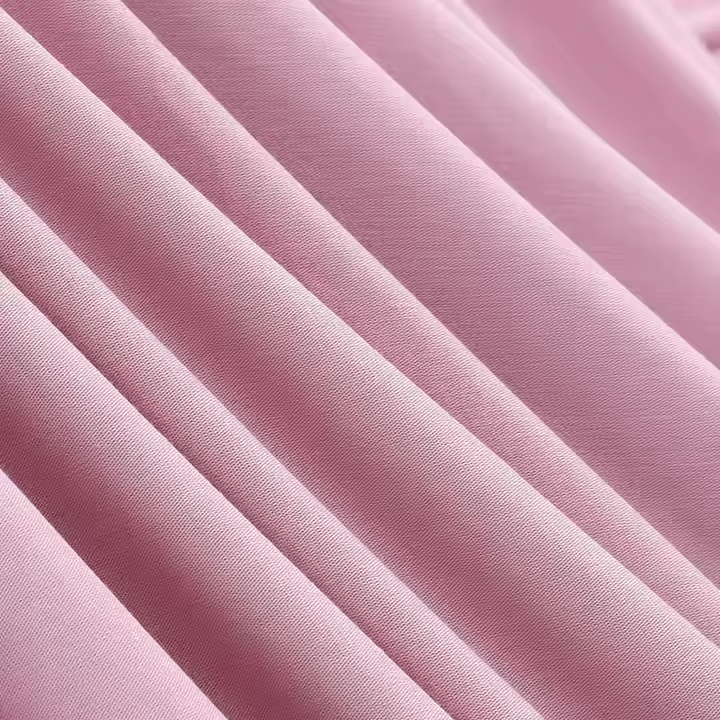
Plain knit fabrics are very popular in the textile industry. They are made using a single knitting technique, forming a weft-knit structure. The front is smooth to the touch, while the back is soft and has loops. Most plain knit fabrics are lightweight, soft, and breathable, making them suitable for everyday wear.
Some main features of jersey knit fabric are:
- It feels light.
- It has a clear front and back.
- The surface is smooth and curls at the edges.
- It drapes well.
- The edges curl when pulled.
- It does not stretch much unless it has spandex.
Plain knit fabrics are versatile. They are used to make T-shirts, leggings, shorts, underwear, dresses, and sleepwear. Soft and breathable, they are ideal for casual wear and loungewear. This fabric is typically made from cotton, cotton blends, rayon, or polyester. These fibers help keep the fabric lightweight or medium-weight and easy to wash.
Suerte creates custom plain knit fabrics for designers and brands. Their product range allows designers to choose from different rib types, materials, and colors. Suerte also helps brands create unique jacquard or printed patterns, enabling them to create one-of-a-kind garments.
How to Identify Plain Knit Fabrics
Identifying plain knit fabrics is easy if you know what to check. The table below shows a comparison of plain knit fabrics with other knitted fabrics:
| Characteristic | Jersey Knit | Other Knits |
|---|---|---|
| Weight | Lightweight | Varies |
| Stretchability | Stretchable | Limited (e.g., rib) |
| Front Texture | Smooth | Textured (e.g., rib) |
| Back Texture | Looped | Varies |
Plain knit fabrics have a soft, smooth feel on the front and a slightly textured back. The edges curl when stretched. These characteristics make plain knit fabrics easily distinguishable from other knit fabrics.
Jersey Knit vs. Other Knits
Double-knit vs. Plain Knit
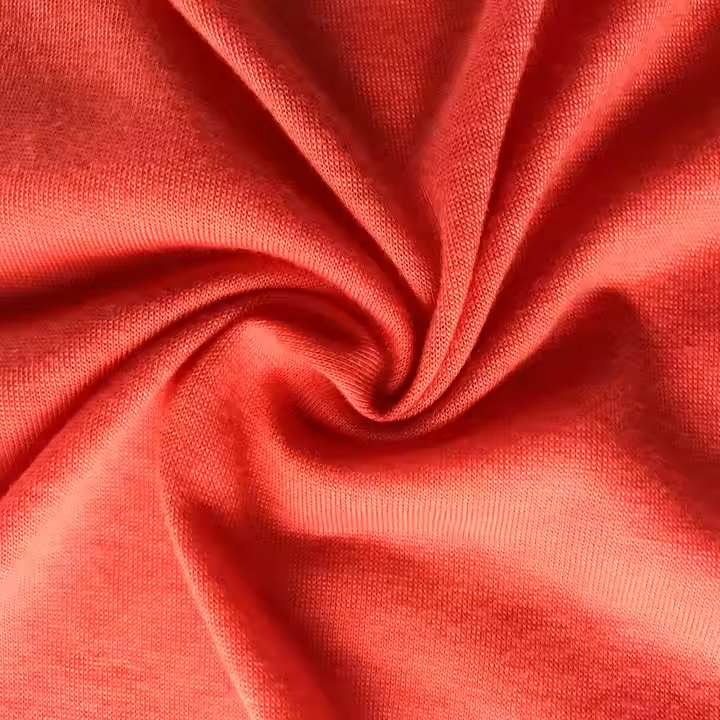
Plain knit and double-knit are not the same. Plain knit is made from a single layer of fabric, making it lightweight, breathable, and allowing for free movement. The front is smooth to the touch, while the back is slightly rougher. The edges curl when stretched. Plain knit is often used to make T-shirts and leggings. Double-knit, on the other hand, is made by tightly sewing two layers of fabric together, making it thicker and more durable. It has a thicker texture and the edges don’t curl. Double-knit is suitable for making polo shirts and baby clothes. Its unique manufacturing process gives double-knit a neat appearance.
These two fabrics have different uses. Plain knit is lightweight and stretchy, making it ideal for sportswear and everyday wear. Double-knit is strong and durable, less prone to deformation, and suitable for clothing that needs to be worn for extended periods. Suerte sells both fabrics, allowing designers to choose according to project needs.
Ribbed Knit vs. Plain Knit
Ribbed knit fabric has a vertical weave. These weaves are created by knitting two different types of yarn. This gives ribbed knit fabric excellent elasticity and resilience. Ribbed knit fabrics are commonly used for cuffs and necklines, and are also frequently used in form-fitting garments such as leggings. Plain knit fabrics are smoother, have less texture, are slightly elastic, and drape well, making them suitable for T-shirts and dresses.
The main difference lies in their elasticity. Ribbed knit fabrics are extremely elastic, conforming to tighter areas of the body. Plain knit fabrics are softer and more comfortable. Suerte offers both ribbed and plain knit fabrics, allowing designers to choose the most suitable fabric for their garments.
Tips for Distinguishing Them
Plain knit fabrics differ from other knit fabrics in their appearance and feel. Plain knit fabrics are lightweight and soft, smooth on the front and slightly rough on the back, and curl at the edges when stretched. Unless spandex is added, they have little elasticity. Double-knit fabrics are heavier and look the same on both sides. They are less prone to curling and have a firm feel. Ribbed knit fabrics have a vertical weave. They are extremely elastic and quickly return to their original shape.
Experts recommend checking the weight, elasticity, and feel of the fabric. Plain knit fabrics are lightweight and less stretchy than rib knit fabrics. Ribbed knit fabrics offer excellent stretch and a comfortable fit. Suerte offers a wide variety of knit fabrics. Designers can find fabrics suitable for casual wear, sportswear, or fitted garments.
Plain knit fabrics are also known as single-knit fabrics, warp-knit fabrics, etc. This fabric is known for its smooth surface, good elasticity, and comfortable wearing experience. It differs from double-knit and rib knit fabrics in structure and feel. Many suppliers offer custom options such as 100% cotton, cotton-spandex blends, and blends with bio-based or recycled fibers. These fabrics are suitable for lightweight to medium-weight garments and are ideal for T-shirts and sportswear. Designers should use the correct terminology when choosing fabrics. Suerte offers a variety of custom plain knit fabric solutions for brands.
FAQ
What are the main uses of knit fabrics?
Knit fabrics are ideal for making T-shirts, dresses, and casual wear. Many people choose them because of their soft and stretchy feel. Designers often use them to design comfortable garments.
How to identify if a fabric is knitted?
Knitted fabric has a smooth front and a slightly rougher back. The edges curl when stretched. It is lightweight and soft. Most people can identify it by these characteristics.
Is knitted fabric suitable for sportswear?
Yes, knitted fabric is a popular choice for sportswear. It is elastic and breathable. Many athletes prefer to wear it during exercise because it is comfortable and breathable.
Can knitted fabric be made from different fibers?
Knitted fabric can be made from cotton, polyester, rayon, or blended fibers. Each fiber gives the fabric a different feel and look. Some blended fibers can also increase the fabric’s elasticity or softness.
What is the difference between single-knit and double-knit fabrics?
Single-knit fabric uses one set of needles and has a light feel. Double-knit fabric uses two sets of needles and has a thicker feel. The edges of double-knit fabric do not curl.