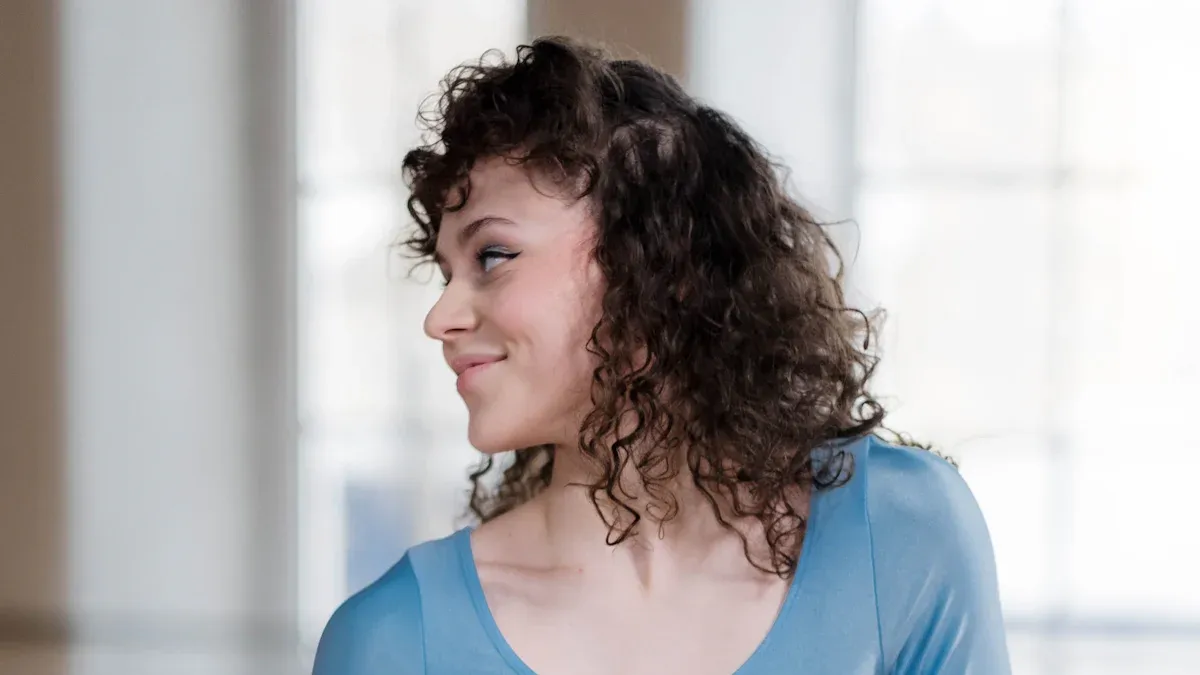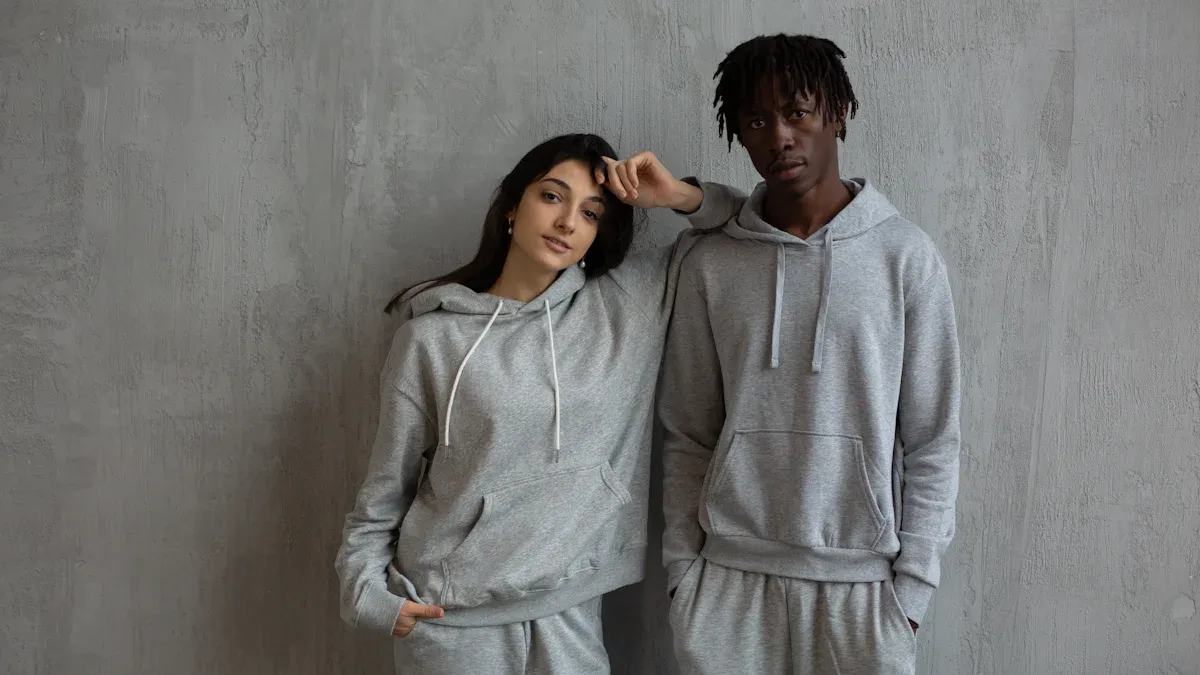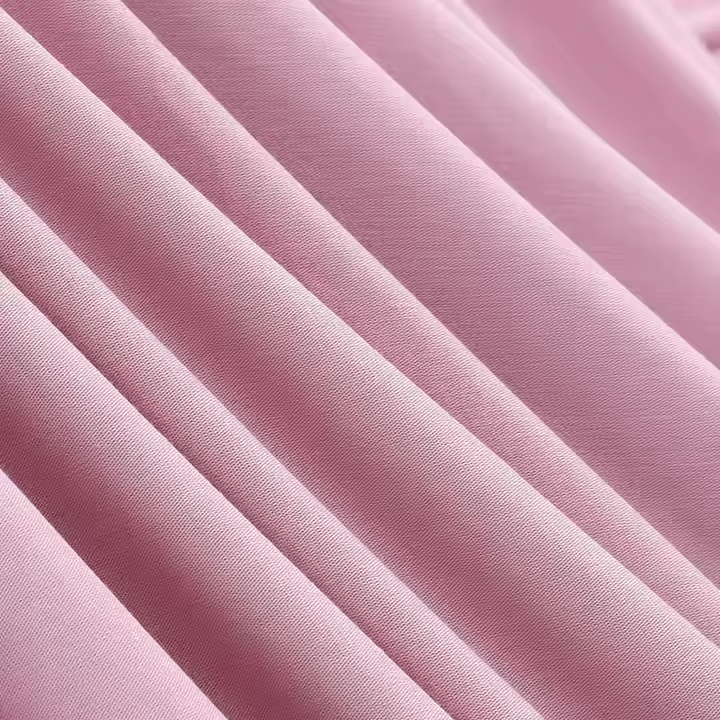
The unique feature of knitted fabrics lies in their elasticity and softness. They are comfortable to the touch and gentle against the skin. Many people choose knitted fabrics to create easy-to-wear clothing. This fabric moves with the body, and its single-knit structure makes it smooth and elastic. Therefore, it is often used in sportswear and casual athletic wear. People love knitted fabrics because they combine style and performance. Suerte has extensive experience in custom knitted fabrics, offering designers and manufacturers a wide range of options.
Key Takeaways
- Knitted fabrics are elastic and soft to the touch, making them ideal for everyday wear and sports.
- Jersey knitted fabric are breathable, helping to keep you cool during exercise.
- Knitted fabrics are durable and retain their shape even after multiple washes, making them a wise choice.
- A wide variety of knitted fabrics are available to meet the needs of different people.
- Suerte offers custom knitted fabric services, allowing designers to create bespoke fabrics tailored to their specific needs.
Overview of Knitted Fabrics
What is jersey fabric?
Plain knit is a type of knitted fabric. It is known for its elasticity, softness, and comfort. Many people use plain knit to make T-shirts, dresses, and sportswear. This fabric can stretch both horizontally and vertically, making it ideal for clothing that needs to be worn close to the body. Woven fabrics are made by weaving two sets of yarns together, while plain knit fabrics are made by weaving yarns together in interlocking loops. Therefore, it is more elastic and recovers its shape more easily.
The table below compares knitted and woven fabrics:
| Fabric Type | Elasticity | Comfort | Structure Description |
|---|---|---|---|
| Knitted | Superior elasticity both horizontally and vertically | High comfort, suitable for flexible garments | Formed by interlooping yarns, allowing high extension and excellent recovery |
| Woven | Minimal elasticity, especially along the warp direction | Less comfortable for stretch applications | Created by interlacing two sets of yarns at right angles, providing high tensile strength and dimensional stability |
Knitted fabrics are highly absorbent and breathable, making them an ideal choice for sportswear. Their applications are extremely wide, ranging from clothing to home furnishings.
Knitted Fabric Manufacturing Process
Knitted fabrics are manufactured using single-needle knitting machines. Single-needle knitting machines are the most common type of knitting machine, capable of producing large quantities of fabric quickly and efficiently to meet market demand. In the past, knitted fabrics were primarily made from wool. Today, synthetic fibers such as cotton and polyester are widely used. Some manufacturers also utilize environmentally friendly materials such as bamboo fiber and lyocell fiber.
The table below shows the changes in knitted fabrics over time:
| Traditional Materials | Modern Materials | Eco-friendly Options |
|---|---|---|
| Wool | Cotton | Bamboo |
| Synthetic fibers | Lyocell | |
| Polyester |
New machines and technologies have made knitted fabric production more convenient and efficient. Digital printing technology can print exquisite patterns onto knitted fabrics. Using organic cotton and recycled polyester helps protect the environment. Some companies, such as Suerte, offer custom fashion fabric services. They utilize smart machines and innovative concepts to produce high-quality knitted fabrics suitable for a variety of uses. Suerte helps designers and brands find the ideal knitted fabrics for their projects.
Tip: Knitted fabrics are elastic, breathable, and comfortable to the touch, making them ideal for everyday wear and sportswear.
The Unique Qualities of Knitted Fabrics
Soft and Stretchy
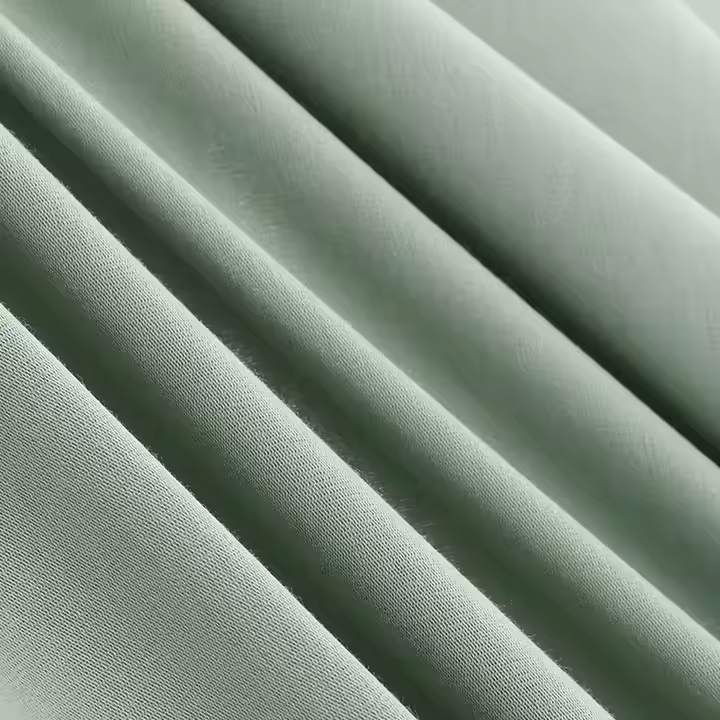
The unique feature of knitted fabrics is their elasticity and soft touch. This fabric can stretch in all directions, allowing clothing to easily conform to the body’s movements. People can clearly feel this elasticity when wearing knitted T-shirts or leggings. The soft touch is very gentle on the skin. Knitted fabrics are more elastic and comfortable than woven fabrics. Woven fabrics can feel stiff and restrict movement. Knitted fabrics, on the other hand, are comfortable and breathable, allowing for free movement. Designers choose stretch knitted fabrics for both sportswear and everyday clothing. Suerte offers customizable, ultra-soft stretch knitted fabrics. Their custom knitted fabrics help brands create well-fitting and comfortable clothing.
Note: Stretch knitted fabrics are soft and elastic, making them popular and commonly used in casual and sportswear.
Breathability and Opacity
Knitted fabrics are highly breathable. Their knitted structure facilitates airflow, keeping you cool during exercise. Many people choose knitted fabrics for sportswear because they are breathable and quick-drying. The light transmittance of knitted fabrics depends on the fiber and weight.
- Lightweight (120-160 g/m²) fabrics are breathable but may be slightly translucent.
- Medium-weight (180-220 g/m²) fabrics have good translucency and are often used for T-shirts and sweatshirts.
- Heavyweight (250 g/m² and above) fabrics offer good coverage and are suitable for sweatpants and hoodies.
Knitted fabrics, such as cotton-polyester blends, help wick away sweat and improve wearing comfort. Studies have shown that knitted fabrics have special heat dissipation and sweat-wicking properties. These properties affect comfort during exercise or everyday wear. Suerte can adjust the weight and blend ratio of fabrics to suit your needs. Their custom fabrics allow designers to choose breathable, high-coverage knitted fabrics for any project.
Durability and versatility
Knitted fabrics are strong, durable, and versatile. The knitted structure gives them both resilience and elasticity. Garments made from knitted fabrics are durable and retain their shape after multiple washes. Their elasticity helps maintain the garment’s shape. Knitted fabrics are versatile, suitable for everything from everyday wear to fashion apparel. Their breathability and elasticity make them ideal for sportswear. The advent of new knitting machines has further expanded the applications of knitted fabrics. Designers are using knitted fabrics to create dresses, tops, leggings, and even eco-friendly clothing.
| Aspect | Contribution to Popularity |
|---|---|
| Adaptability | Works for casual and fancy clothes |
| Comfort | Stretches and breathes, great for sportswear |
| Innovative Techniques | New knitting makes jersey more useful |
| Sustainability | Important for green and high-performance clothes |
Knitted fabrics help create three-dimensional garments and drive new trends such as eco-friendly clothing production. Exquisite knitting techniques meet the needs of diverse groups. Suerte offers a variety of custom knitted fabrics for different styles and purposes. Their expertise helps brands create strong, stretchy, and versatile stretch knitted fabrics.
Tip: Knitted fabrics are favored by designers and brands for their excellent elasticity, breathability, and durability.
Types of Knitted Fabrics
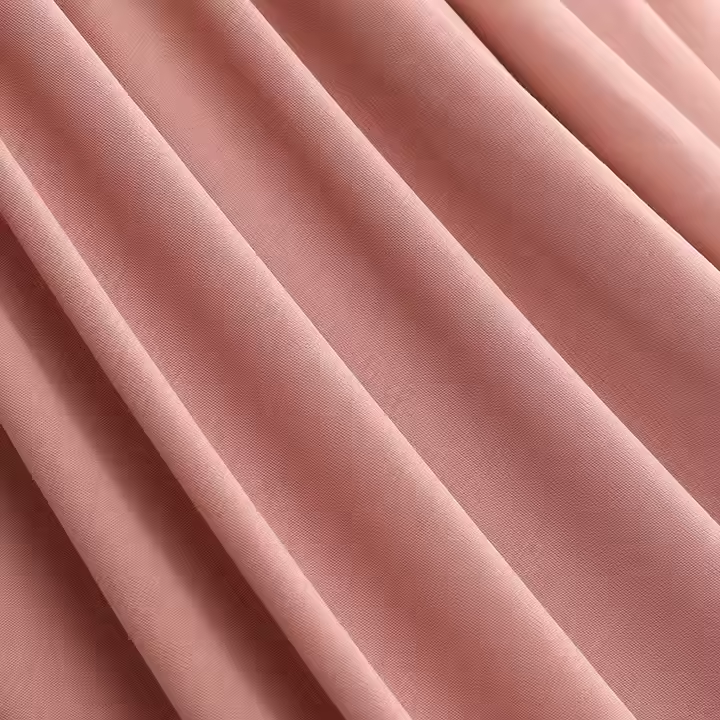
Knitted fabrics come in a wide variety. Designers and brands choose knitted fabrics based on comfort, durability, and style. Suerte offers a rich selection of knitted fabrics, allowing users to choose the right fabric for their project needs. The main types include cotton knitted fabrics, synthetic fiber and blended knitted fabrics, and single or double jersey fabric.
Cotton Knitted Fabrics
Cotton knitted fabrics are soft and breathable. Most people like cotton knitted fabrics because of their soft and comfortable feel. The knitted structure conforms to the body’s curves, making cotton knitted fabrics ideal for sensitive skin. Tests show that cotton knitted fabrics are sweat-wicking, breathable, and keep you cool, making them especially suitable for hot weather.
| Feature | Impact on Comfort | Impact on Durability |
|---|---|---|
| Softness | Feels gentle, good for sensitive skin | Stays strong after washing |
| Breathability | Keeps you cool and dry | Lasts longer by handling moisture |
| Durability | Stops rubbing and irritation | Can wear out if not treated |
| Moisture Management | Soaks up sweat, adds comfort | Lasts longer if treated right |
| Knit Structure | Stretches and fits well | Fights wrinkles and keeps its shape |
Cotton knit fabrics are more expensive than synthetic fiber fabrics. Organic and recycled cotton knit fabrics are even more expensive because their production methods are more environmentally friendly. Cotton knit fabrics remain the preferred choice for T-shirts, dresses, and everyday wear.
Synthetic Fiber and Blended Knit Fabrics
Synthetic fiber knit fabrics use fibers such as polyester, nylon, acrylic, and spandex. These fabrics are strong, durable, quick-drying, and wrinkle-resistant. Polyester knit fabrics are tough, abrasion-resistant, and versatile. Nylon makes the fabric elastic and resistant to abrasion. Acrylic is warm and soft. Spandex gives the fabric elasticity and resilience.Synthetic jersey costs less than cotton jersey.
- Synthetic fiber knit fabrics are cheaper than cotton knit fabrics.
- Blended knit fabrics combine cotton and synthetic fibers, making them cheaper and stronger.
- Synthetic fiber knit fabrics are quick-drying and easy to care for.
| Characteristic | Synthetic Jersey (e.g., Polyester, Nylon) | Natural Fiber Jersey (e.g., Cotton) |
|---|---|---|
| Durability | Very strong, does not tear easily | Not as strong, wears out when wet |
| Moisture Management | Dries fast, pulls sweat away | Soaks up water, gets heavy when wet |
| Care Requirements | Easy to wash, dries quickly | Needs special care, can shrink or wrinkle |
Synthetic fiber and blended knit fabrics are ideal for sportswear and casual wear. These fabrics are especially suitable for busy individuals and those who need frequent washing.
Single Knit vs Double Knit
Knit fabrics come in single knit and double knit varieties. Single knit fabrics are lightweight and breathable, and have two sides. Double knit fabrics are thicker, can be used on both sides, and have a smoother feel.
| Feature | Single Jersey Knit Fabric | Double Knit Fabric |
|---|---|---|
| Thickness | Thin and light | Thick and heavy |
| Structure | One layer, has front and back | Two layers, can use both sides |
| Common Materials | Cotton or synthetic fibers | Wool, cotton, or synthetic fibers |
| Applications | T-shirts, dresses, sportswear | Sweaters, coats, jackets |
| Feel | Stretchy and comfy | Smooth or bumpy surface |
| Breathability | Lets air in, good for daily wear | Less air, good for warm clothes |
Single-knit fabrics are highly elastic but prone to curling at the edges. Double-knit fabrics, on the other hand, are less prone to deformation and curling. Designers typically use single-knit fabrics for lightweight garments, while double-knit fabrics are used for heavier garments such as jackets and sweaters. Suerte offers a wide variety of knit fabrics and can customize blends and knitting techniques to meet various needs.
Tip: Choosing the right knit fabric depends on your desired function and comfort when wearing the garment. Suerte can help brands select and create the best knit fabrics for their projects.
Advantages and Disadvantages of Knit Fabrics
Advantages of Knit Fabrics
Knit fabrics offer many advantages. They are popular for making sportswear and everyday clothing. They are soft to the touch and comfortable to wear. Knit fabrics are elastic and allow for freedom of movement, making them ideal for sports or everyday wear. They are breathable, keeping you cool and dry. They are wrinkle-resistant, so frequent ironing is unnecessary.
Key advantages of knit fabrics include:
- Soft and skin-friendly
- Highly elastic and allows for freedom of movement
- Breathable and cool
- Wrinkle-resistant and easy to care for
Knit fabrics are also environmentally friendly. Many companies use organic cotton and bamboo fiber to produce knitted fabrics. Some brands also recycle and utilize old knitted fabrics to create new products.
| Evidence Type | Description |
|---|---|
| Eco-friendly materials | Jersey textiles use organic cotton and bamboo. |
| Recycling practices | Old jersey fabric is reused to cut down on waste and pollution. |
| Sustainability certifications | GOTS and OEKO-TEX® labels show ethical production. |
| Transparency | Technology tracks where the fabric comes from, building trust. |
Suerte helps people choose the most suitable knitted fabrics. You can select the blend ratio, weight, and finish of the fabric according to the project requirements.
Potential Disadvantages
There are some issues you should be aware of with knitted fabrics. They may shrink after washing, causing garments to become smaller. Some types of knitted fabrics wrinkle easily and require more careful handling. Not all knitted fabrics have the same elasticity, so some garments may feel tight. If not properly cared for, the fabric may pill or fade.
The table below lists some issues with knitted fabrics:
| Drawback | Description |
|---|---|
| Shrinkage | Clothes may get smaller after washing. |
| Wrinkling | Fabric can crease and need ironing. |
| Less Stretch | Some blends do not stretch as much, limiting movement. |
| Care Needs | Special washing instructions help keep the fabric in good shape. |
| Durability | Untreated fabric may pill or fade with use. |
Companies like Suerte can help solve these problems. They’ll tell you how to properly wash knitted fabrics and use clever methods to improve the fabric’s condition. They recommend gentle washing, turning the garment inside out, and using a suitable detergent. This helps extend the life of knitted fabrics. Their help enables brands to produce strong, durable, and versatile high-quality knitted fabrics.
Knitted Fabric Care
Washing and Drying Tips
Properly washing knitted fabrics will keep them in good condition. Use cold or lukewarm water, never hot water. The water temperature should be kept below 30°C (86°F). Choose a mild liquid detergent, not a strong or powdered detergent. This will protect the fibers of the knitted fabric.
How you dry your clothes is also important. The high temperatures of a dryer can damage knitted fabrics, causing them to shrink. Air drying is the best option. Hang or lay flat to dry to maintain their shape. Avoid direct sunlight. Sunlight will cause colors to fade and damage the fibers.
| Drying Method | Impact on Longevity |
|---|---|
| Air Drying | Gentler on fabric, maintains integrity, prevents shrinkage |
| Tumble Drying | Can cause shrinkage, weakens fibers, leads to color fading |
Preventing Stretching and Pilling
Knitted fabrics are prone to stretching and pilling if not properly cared for. To avoid this, turn garments inside out before washing. Use a gentle wash cycle in cold water. Place delicate garments in a mesh laundry bag to reduce friction. Air dry as much as possible, avoiding tumble drying. These steps help knitted fabrics retain their shape and smooth surface.
- Choose tightly woven knitted fabrics to reduce pilling.
- Turn garments inside out before washing.
- Use a gentle wash cycle in cold water.
- Place delicate garments in a mesh laundry bag.
- Air dry naturally, avoiding high temperatures and friction.
Storage and Care
Store knitted fabrics in a cool, dry place away from direct sunlight to maintain vibrant colors and fiber strength. Maintain stable humidity to prevent mold growth. Wash all garments before storing. Moths thrive on dirt and grease, so even garments worn only once should be washed.
| Factor | Effect on Jersey Fabric |
|---|---|
| Sunlight | Causes fading and weakens fibers due to UV exposure. |
| High Humidity | Leads to moisture absorption, mold, and mildew growth. |
| Low Humidity | Makes fabric brittle and prone to tearing. |
Store at 65-70°F (18-21°C) and 45-55% humidity. Use breathable containers, avoiding hard plastic boxes. Always lay knitted fabrics flat on a mesh clothesline to dry to prevent moisture buildup. These steps help maintain the comfort and moisture-wicking properties of knitted fabrics.
Note: Proper storage and gentle care will keep knitted fabrics looking new and soft to the touch.
Knitted fabrics are known for their comfort, elasticity, and practicality. Many people choose knitted fabrics for clothing and home furnishings because they are soft to the touch and durable. This fabric has a wide range of uses, including casual wear, sportswear, and home décor.
- Knitted fabrics are versatile.
- Jersey knitted fabric comfortable to the touch and easy to wear.
- Knitted fabric maintain their good appearance even after multiple washes.
- Jersey knitted fabric are easy to care for.
- Jersey knitted fabric help people make environmentally friendly choices.
Suerte offers custom knitted fabric services with vibrant colors, stylish patterns, and strict quality control. Their expertise helps brands create unique and trustworthy fabrics. People can trust Suerte to support their projects.
Knitted fabrics add comfort and style to everyday life. Designers and brands trust Suerte’s high-quality products and extensive selection.
FAQ
How are knitted fabrics different from other fabrics?
Knitted fabrics are more elastic than woven fabrics and have a soft, smooth feel. People love using them to create comfortable and free-moving clothing. The knitted structure helps maintain its shape.
Can knitted fabrics be used in summer and winter clothing?
Yes. Lightweight knitted fabrics are suitable for making summer T-shirts and dresses. Heavyweight knitted fabrics are suitable for making warm hoodies and sweatpants. Designers choose the appropriate fabric thickness according to the different seasons.
How can I tell if a fabric is knitted?
You can check the fabric’s elasticity and feel. Knitted fabrics have multi-directional elasticity. One side may be smooth, while the other side may look different. After cutting, the edges may curl.
Are knitted fabrics suitable for sensitive skin?
Yes. Cotton knit fabrics are soft and gentle to the touch, and won’t irritate or chafe the skin. Many people with sensitive skin choose cotton knit fabrics because they are comfortable to wear.
How to order custom knit fabrics from Suerte?
Suerte offers custom knit fabric services through its website. Customers can choose colors, patterns, and fabric blends. The Suerte team will assist you with the design and proofreading process.