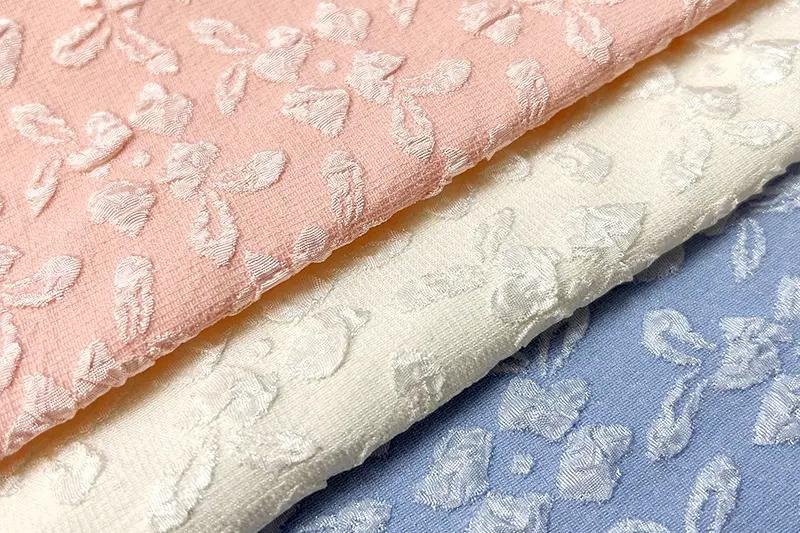
The uniqueness of jacquard fabric lies in its exquisite craftsmanship. The complex weaving process gives the fabric a rich texture. The pattern is not printed on the surface but woven into the fibers. Each piece of jacquard fabric has a unique pattern, presenting a different visual effect. Jacquard looms can weave intricate patterns, giving the fabric a three-dimensional and textured appearance. Many designers love jacquard fabrics because they are reversible. Jacquard fabrics are wrinkle-resistant, durable, and can be made from a variety of fibers and weights, making them versatile.
Key Takeaways
- The pattern of jacquard fabric is woven into the fibers, making it more unique and durable than printed fabrics. Jacquard looms can weave clear patterns, giving the fabric a substantial feel and a slightly textured appearance.
- Jacquard fabrics are versatile and can be used in clothing and home décor. The fabric is reversible.
- With proper care, jacquard fabrics will remain beautiful, strong, and durable.
- Suppliers like Suerte allow designers to choose special options, meaning they can customize jacquard fabrics to suit their specific needs.
What is jacquard fabric?

Unique Weaving Process
Jacquard fabrics stand out because of their special weaving method. The jacquard loom is the key piece of equipment enabling this process. This loom revolutionized fabric production, allowing workers to weave intricate patterns directly into the fabric. The loom uses punch cards or computers to control each yarn, creating delicate patterns that become an integral part of the fabric.
This weaving process gives jacquard fabrics a unique look and feel. The pattern doesn’t just remain on the surface but extends throughout the entire fabric. This adds texture and enriches the tactile experience. This weaving method also makes the fabric stronger and more durable. Jacquard fabrics are used to make home furnishings, clothing, and accessories.
The jacquard loom makes it easier and more affordable to create fabrics with beautiful patterns, allowing more people to purchase high-quality fabrics.
Woven Patterns vs Printed Designs
Many people ask, what makes jacquard fabric different from other fabrics? The main difference lies in how the pattern is created. Jacquard patterns are woven into the fabric, while printed patterns are printed on the surface. This will change the appearance, feel, and durability of the fabric.
| Feature | Jacquard Fabric | Printed Designs |
|---|---|---|
| Durability | Patterns last longer and are stronger | Patterns are weaker and only on top |
| Resistance to Fading | Patterns do not fade easily | Patterns can fade or wear off |
| Appearance | Looks textured and has depth | Looks flat and has less depth |
| Design Flexibility | Only woven patterns are possible | Many colors and patterns are possible |
Jacquard fabrics possess a unique texture. The woven patterns form raised dots that reflect light. These patterns remain clearly visible even after multiple washes. Because the patterns are woven into the fabric, it feels soft and breathable. Printed patterns, while appearing vibrant, are often flat and prone to fading or wear.
Jacquard fabrics are ideal for creating durable items such as furniture, bedding, and specialty clothing.
Key Characteristics of Jacquard Fabrics
Woven Patterns
The unique feature of jacquard fabrics is that their patterns are woven into the fabric itself. These patterns are part of the fabric, not printed on the surface. These patterns can be simple or intricate. They often look sophisticated, luxurious, and eye-catching. Many designers choose jacquard weaving to create distinctive clothing and home furnishings.
Jacquard patterns remain vibrant and clear even after multiple washes. The patterns will not fade or peel, making the fabric more durable.
Jacquard fabrics can have a raised or fluffy effect. This is achieved through special weaving techniques. The table below lists some common types:
| Fabric Type | Description |
|---|---|
| Matelassé | Looks quilted and raised. Two layers are woven together for a 3D effect. |
| Polyester Jacquard Bubble | Has a bubble pattern. Special weaving or shrinking makes the raised look. |
High Durability
Jacquard fabrics are strong and durable. Their unique weave patterns help the fabric resist damage. Some types of jacquard fabrics, such as jacquard corduroy, use multiple weave methods to enhance their strength. This texture helps protect the fabric from friction and abrasion.
Compared to other high-end fabrics, jacquard fabrics are less prone to wrinkling. The tight weave structure keeps it smooth and even. Linen wrinkles easily, but jacquard fabrics require only minimal care to maintain their neatness. The patterns also help the fabric retain its shape and add interest.
Versatile Structure
Jacquard fabrics are versatile. They are suitable for both formal and casual occasions. Designers use them in clothing, bedding, curtains, and furniture. The patterns and textures of jacquard fabrics allow them to complement a variety of styles, from vintage to modern.
Cotton jacquard fabrics are soft and breathable, suitable for everyday wear. Silk jacquard fabrics are often used to make high-end clothing and accessories. Both fully demonstrate the versatility of jacquard fabrics.
Reversible Options
Many jacquard fabrics are reversible. Each side can feature different patterns or colors. This provides designers with more options when creating clothing or home furnishings. Double-sided jacquard fabric saves fabric while enhancing product value.
Luxurious Appearance
Jacquard fabric looks noble and elegant. Exquisite patterns and textures make it even more unique. Many top brands choose jacquard fabric for clothing and accessories because of its outstanding appearance. Jacquard patterns give the fabric a sense of layering and uniqueness.
Jacquard fabric blends traditional and modern design concepts. Its unique characteristics make it the first choice for designers seeking beauty, durability, and versatility.
Types of Jacquard Fabric

Different Types of Jacquard Fabric
There are many types of jacquard fabrics, depending on their weaving method and the fibers used. Brocade, damask, and quilting are some common examples.
| Fabric Type | Key Characteristics | Common Uses |
|---|---|---|
| Brocade | Raised patterns, dense, non-reversible | Eveningwear, decorative drapery |
| Damask | Flat, reversible, crisp, single-color designs | Table linens, refined apparel |
| Matelassé | Soft, sculptural texture | Coverlets, apparel accents |
| Cotton Jacquard | Breathable, soft, durable | Everyday clothing, towels |
| Wool Jacquard | Warm, textured, resilient | Sweaters, scarves, upholstery |
| Silk Jacquard | Lustrous, smooth, elegant | Luxury garments, accessories |
Common Uses in Fashion and Home
Designers utilize jacquard fabrics in a variety of ways. Wool jacquard fabrics are commonly used to make sweaters, scarves, and coats. Jacquard fabrics are frequently used to adorn sofas, chairs, and cushions. Quilted jacquard fabrics are used for bedspreads and pillowcases. Cotton jacquard fabrics are used to make towels and casual wear. Silk jacquard fabrics are commonly found in glamorous dresses and special accessories. Jacquard damask is used to make formal dresses and coats.
| Application Area | Popular Uses |
|---|---|
| Fashion | Eveningwear, suits, luxury accessories |
| Home Decor | Upholstery, curtains, bedding, decorative pillows |
| Special Occasions | Wedding attire, gala dresses, costumes |
Jacquard fabrics are durable and come in a variety of patterns. Wool jacquard fabrics add a warm texture to clothing and home furnishings.
Customization and Supplier Options
Suppliers like Suerte can help designers customize jacquard fabrics. You can choose the fabric weight, width, color, and pattern. Suerte offers fast sample delivery and accepts small orders. Designers can choose the fiber type, vibrant colors, and special patterns. Wool jacquard, cotton jacquard, and silk jacquard fabrics are all available for different projects. Suerte provides a full range of services from design to fabric production, making your creative ideas easy to realize.
Care of jacquard fabrics
Maintenance Tips
Proper care of jacquard fabrics helps maintain their beauty and durability. Experts recommend following some simple steps to keep the fabric in good condition. Always read the care label before washing any garment. Each fiber has its unique cleaning method. For example, cotton jacquard fabric can be machine washed on a gentle cycle. Silk jacquard fabric should be dry cleaned by a professional. Use cold water below 30°C to prevent the fabric from shrinking or deforming. Choose a mild detergent and never use bleach. For small stains, try spot cleaning, but always test on an inconspicuous area first.
Handle jacquard fabrics gently. Do not rub or shake vigorously with rough objects. Place delicate jacquard fabrics in a mesh laundry bag to ensure safe washing. Allow the fabric to air dry naturally to maintain its shape and avoid heat damage. Lay it flat or hang it in a cool, well-ventilated place. If ironing is necessary, use a low heat setting and iron from the reverse side. Never over-iron. Proper storage of jacquard fabrics is also important. Wrap them in acid-free tissue paper and then place them in a breathable bag. Avoid direct sunlight and humid environments to prevent fading or mildew.
Regularly brushing or trimming the nap on the fabric helps maintain its smoothness and prevents pilling.
Enduring Value
Proper care of jacquard fabrics extends their lifespan and maintains their high value. The exquisite patterns and robust weave make jacquard fabrics retain their beauty better than many other high-end fabrics. They are not easily stained or develop odors, so you can use and wash them with confidence. The fabric surface is waterproof, so it is not prone to mold even in humid air. Even after multiple washes and special treatments, the patterns remain vibrant and clear.
Proper storage and cleaning of jacquard fabrics will help them maintain their beauty. Sunlight can cause fading, so store the fabric in a cool, dry place to preserve its color and texture. Wool blends are easier to care for, but all jacquard fabrics require gentle handling. With proper care, jacquard fabrics will remain beautiful and durable for years to come.
FAQ
What’s the difference between jacquard fabric and regular fabric?
The pattern on jacquard fabric is woven into the fabric itself. Regular fabric is usually printed. This weaving method gives jacquard fabric a more textured look and makes it more durable.
Can jacquard fabric be used for clothing and home décor?
Designers use jacquard fabric to make dresses and coats. It’s also commonly used for curtains and upholstery. This fabric is durable and has a beautiful appearance, making it popular in both fashion and home décor.
Is jacquard fabric easy to care for?
Most jacquard fabrics require gentle washing or dry cleaning. Always check the care label first. Air drying and low-temperature ironing will keep the fabric looking new.
Does jacquard fabric wrinkle easily?
Jacquard fabric does not wrinkle easily. The tight weave and textured pattern help keep the fabric smooth.
Can designers order custom jacquard fabric from suppliers like Suerte?
Yes! Suerte offers custom jacquard fabric services. Designers can choose the fiber type, color, pattern, and finish. Suerte will assist with the design and fabric production.